
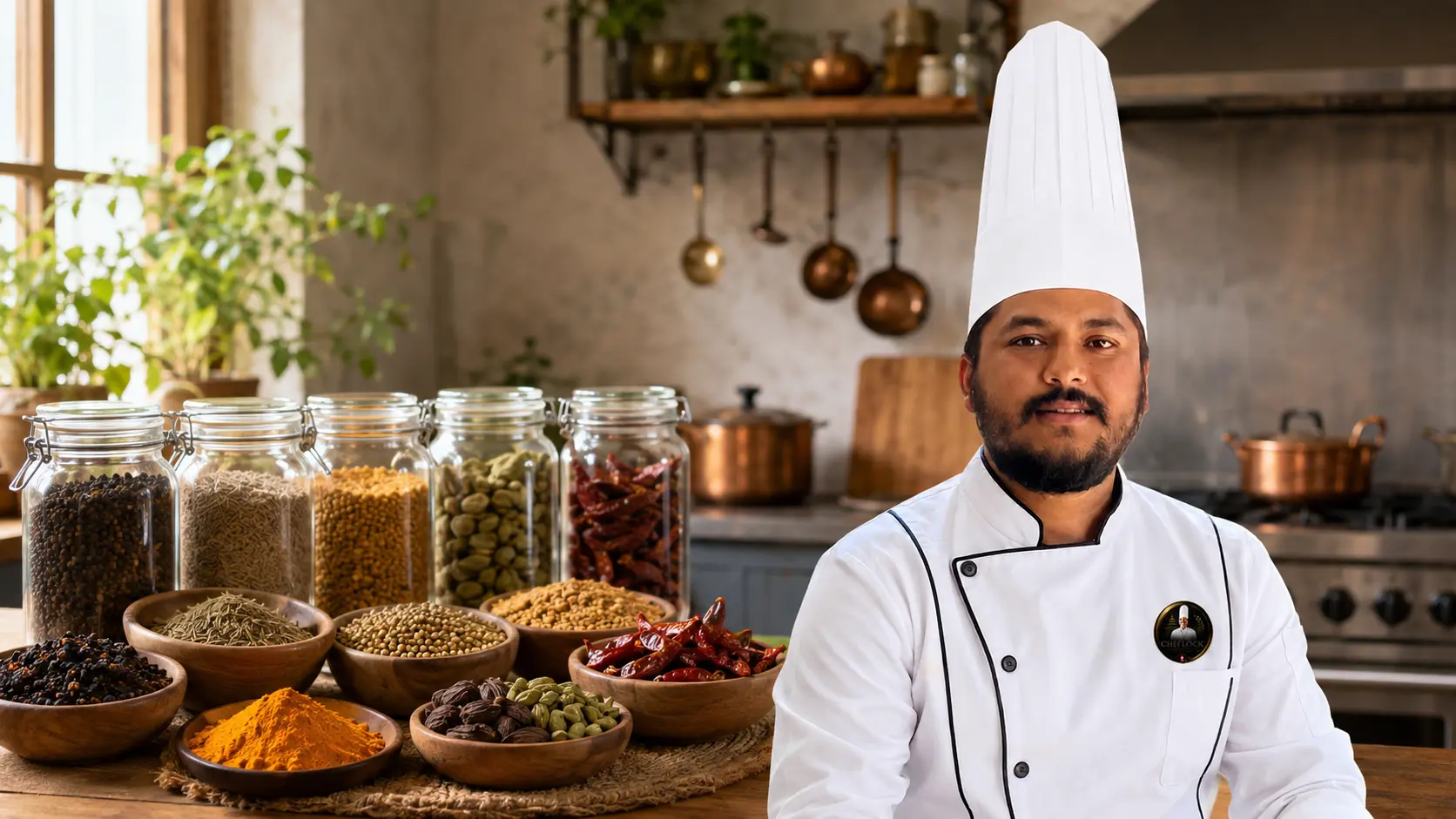
Nepali cooking is not defined by one universal spice mixture. Flavour changes by region, household, season and dish. A useful spice shelf is therefore not the largest one; it is a small collection of fresh spices understood well enough to toast, grind, pair and store with confidence.
For a more detailed reference on flavour, pairing and storage, see our Nepali spices flavour, pairing and storage guide. This article focuses on a practical starter selection and everyday cooking uses.
Timur
Timur has a citrus-like aroma and a gentle tingling quality. It is powerful, so use it in small amounts. Lightly toast whole berries, cool them and grind only what you need. Timur works well in chutneys, achar, grilled foods and spice salts, but it can dominate delicate dishes.
Cumin
Cumin provides warm, earthy depth. Whole seeds can be tempered in hot oil at the beginning of a dish; ground cumin is better added after the strongest heat has reduced. It supports lentils, potatoes, beans, meat and many vegetable preparations.
Coriander seed
Coriander seed is rounder and more citrusy than cumin. Toasting increases its nutty aroma. Ground coriander helps build body in curry bases and pairs naturally with cumin, but the two do not need to be used in equal amounts.
Turmeric
Turmeric contributes colour, earthiness and a slight bitterness. More is not better. Add a measured amount to a moist base or stir briefly in oil without burning it. Fresh turmeric is different from dried powder and should be handled as its own ingredient.
Fenugreek
Fenugreek seed is strongly aromatic and can become very bitter when burnt. Use a small quantity in tempering or pickling. Dried fenugreek leaves have a different, savoury aroma and are often crushed between the hands near the end of cooking.
Green and black cardamom
Green cardamom is floral and sweet, useful in tea, rice, desserts and selected savoury dishes. Black cardamom is smoky and robust; it suits slow-cooked meat, lentils and rice dishes. They are not direct substitutes.
Dried chilli
Different chillies provide different colour, fruitiness and heat. Whole dried chilli can perfume oil; flakes provide visible heat; powder spreads quickly through a sauce. Begin with less than you think you need and build gradually.
Whole spices or ground?
| Form | Best use | Main advantage |
|---|---|---|
| Whole | Tempering, slow cooking, rice and pickles | Longer shelf life and controlled release |
| Freshly ground | Curry bases, marinades and finishing blends | Strong aroma and adjustable texture |
| Pre-ground | Fast everyday cooking | Convenience, if bought in small fresh quantities |
How to toast spices
- Use a clean, dry pan over low to medium heat.
- Add spices of similar size together.
- Move them continuously.
- Stop when the aroma becomes clear—before smoke or dark burning.
- Transfer immediately to a cool plate.
- Grind only after they have cooled.
Tempering spices in oil
Tempering extracts fat-soluble aromas. Heat the oil, add sturdy whole spices first and watch for movement and fragrance. Delicate ground spices enter later and need liquid or another ingredient ready to stop them from burning. A tempering should smell vivid, never acrid.
Storage that protects flavour
- Use airtight containers away from steam, sunlight and stove heat.
- Keep whole spices where possible and grind small batches.
- Write the purchase or opening date on the container.
- Use a dry spoon; moisture encourages clumping and deterioration.
- Smell before use. Weak aroma means weak flavour, even if the colour remains.
- Buy quantities that match how often you cook.
Build a blend for the dish, not the shelf
Start with the ingredient and cooking method. Lentils may need cumin, turmeric and a bright final tempering. Slow-cooked meat can carry black cardamom and deeper toasted spices. A fresh achar may need timur and chilli but little heavy spice. A flexible cook understands individual spices before depending on one fixed blend.
Explore the ingredients in context: browse ChefLock recipes and compare how different dishes build their spice base.