 LESSON 1
Introduction to a Professional Kitchen
Learn the essential foundations of a professional kitchen, including organisation, mise en place, hygiene, teamwork, consistency and basic kitchen workflow.
START LESSON → LESSON 1
Learn the essential foundations of a professional kitchen, including organisation, mise en place, hygiene, teamwork, consistency and basic kitchen workflow.
START LESSON → LESSON 2
Learn how a professional kitchen team is structured, from Commis Chef and Chef de Partie to Sous Chef and Executive Chef, including…
CONTINUE COURSE →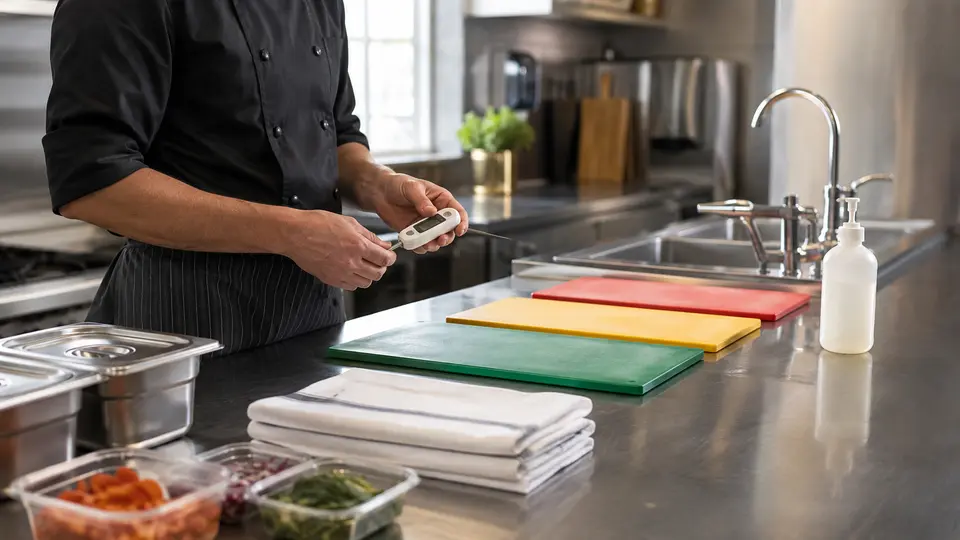 LESSON 3
Learn how professional kitchens control contamination, temperatures, cleaning and records through a practical food-safety system.
CONTINUE COURSE →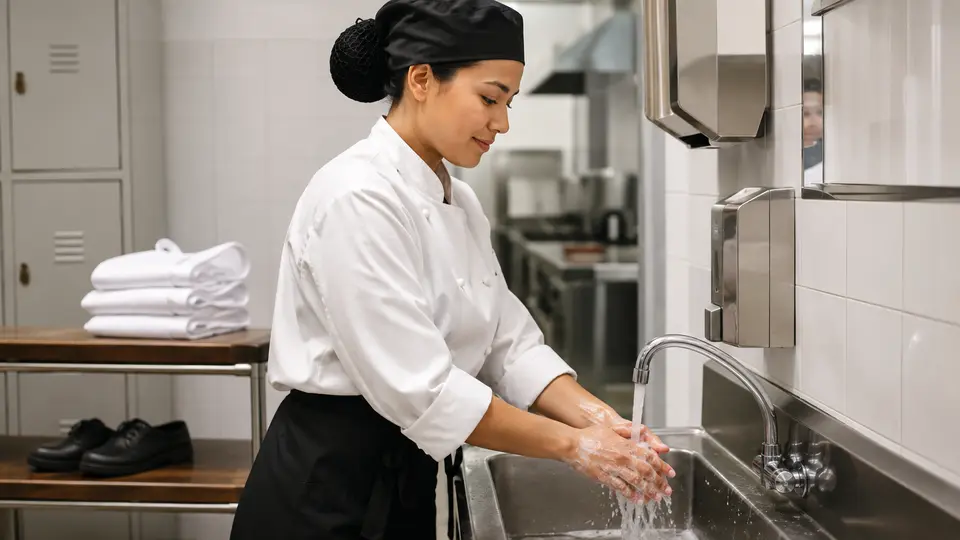 LESSON 4
Build professional habits for hand hygiene, uniform, illness reporting, behaviour and responsible conduct in a working kitchen.
CONTINUE COURSE →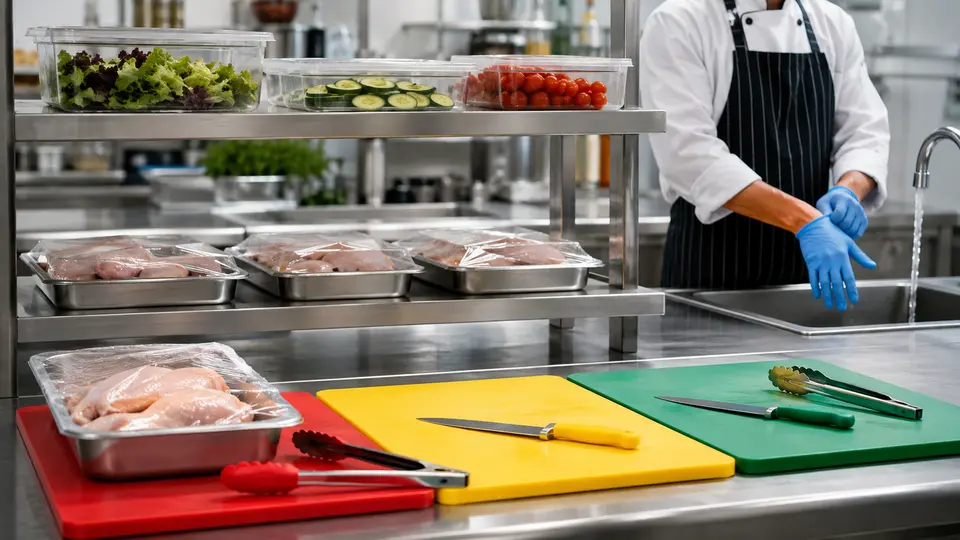 LESSON 5
Prevent cross-contamination and allergen contact with separation, cleaning, clear communication and a controlled cooking workflow.
CONTINUE COURSE → LESSON 6
Design a mise en place system that keeps ingredients, tools, timing and movement under control before service begins.
CONTINUE COURSE → LESSON 7
Read a professional recipe completely, scale it accurately and convert it into an efficient sequence of preparation and cooking tasks.
CONTINUE COURSE →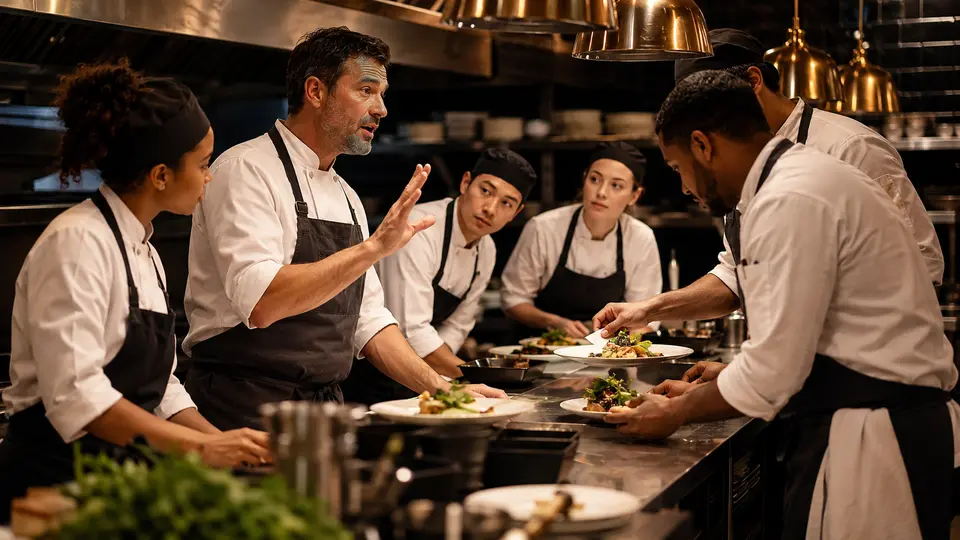 LESSON 8
Use short, standard service calls, closed-loop communication and respectful briefing to coordinate a professional kitchen brigade.
CONTINUE COURSE →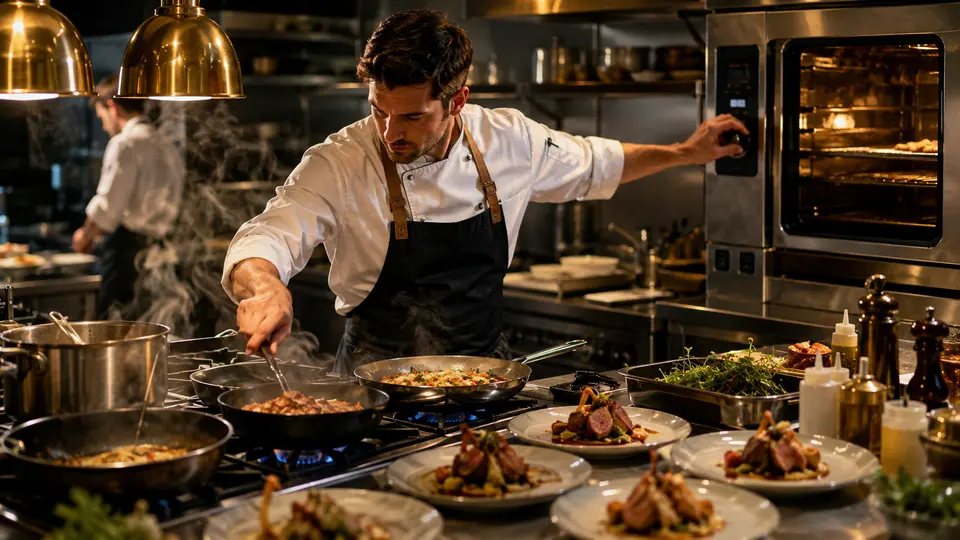 LESSON 9
Control several orders without losing quality by prioritising critical tasks, using timers and communicating realistic service times.
CONTINUE COURSE →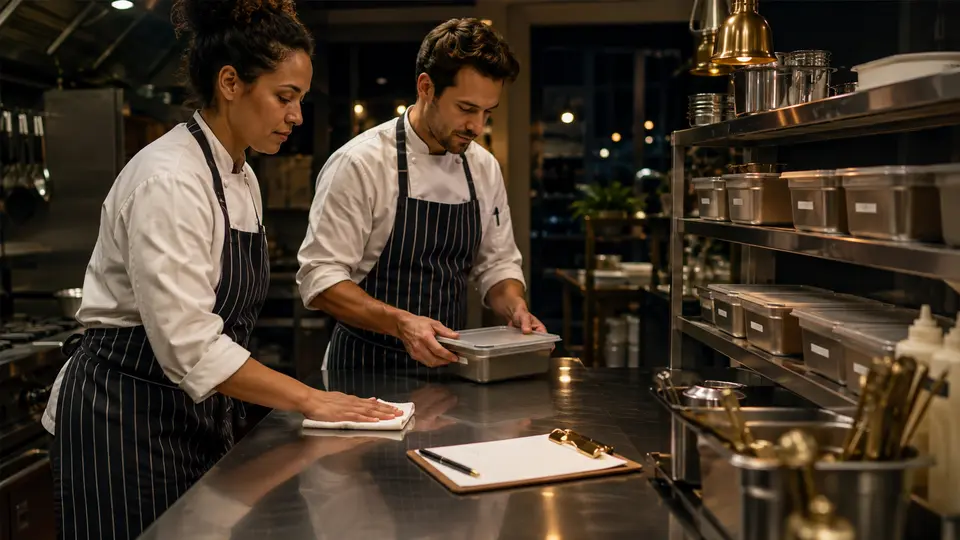 LESSON 10
Close a kitchen section safely with correct cleaning, stock protection, waste records, equipment checks and a useful handover.
CONTINUE COURSE →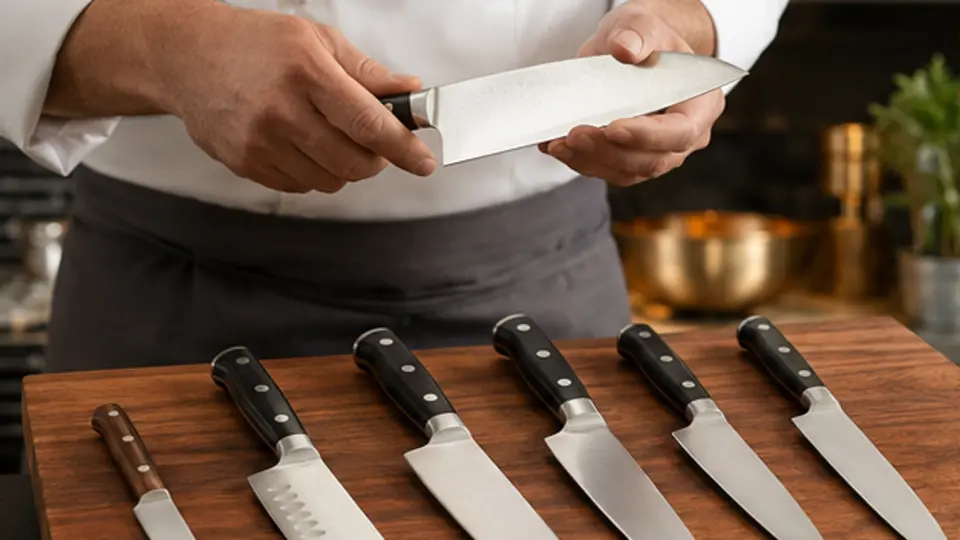 LESSON 11
Choose a practical chef’s knife by understanding blade shape, steel, balance, handle comfort and the jobs it must perform.
CONTINUE COURSE →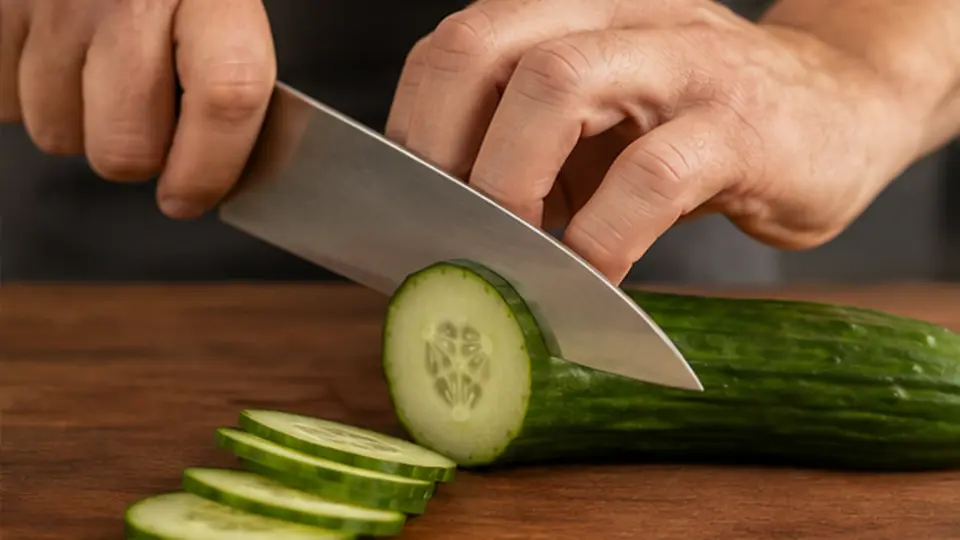 LESSON 12
Learn the pinch grip, guiding-hand claw and stable posture that make knife work safer, more accurate and less tiring.
CONTINUE COURSE →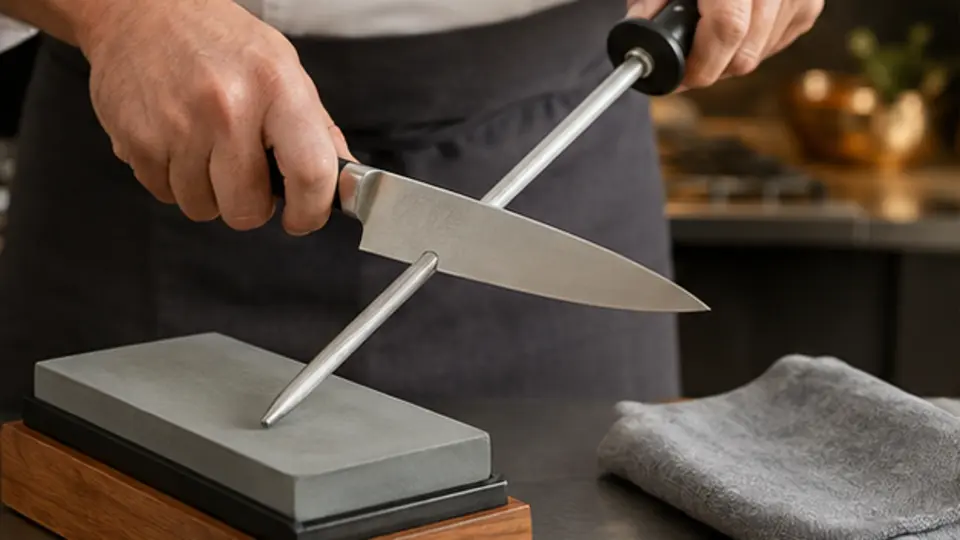 LESSON 13
Understand the difference between honing and sharpening, maintain a working edge and recognise when professional repair is needed.
CONTINUE COURSE →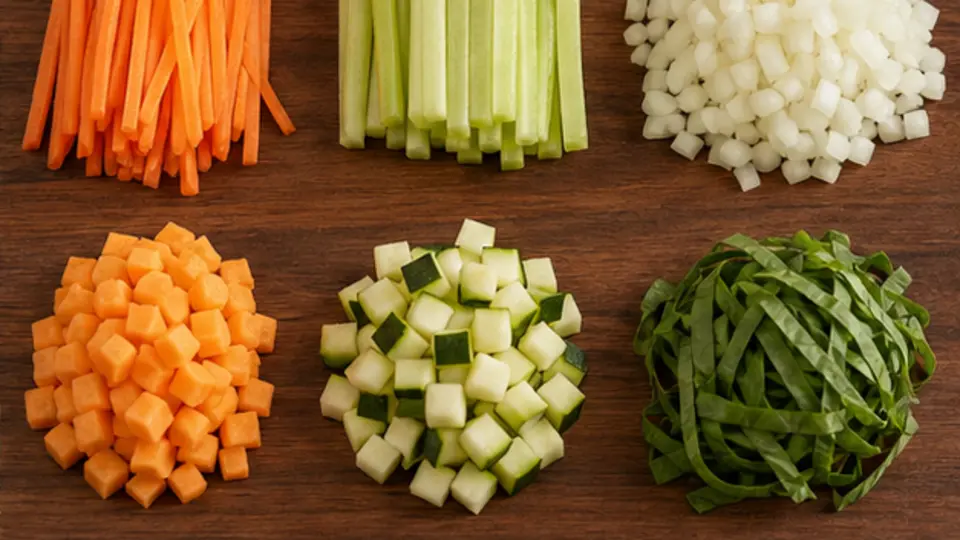 LESSON 14
Produce consistent slices, batons, dice and chiffonade while understanding how cut size controls cooking and presentation.
CONTINUE COURSE →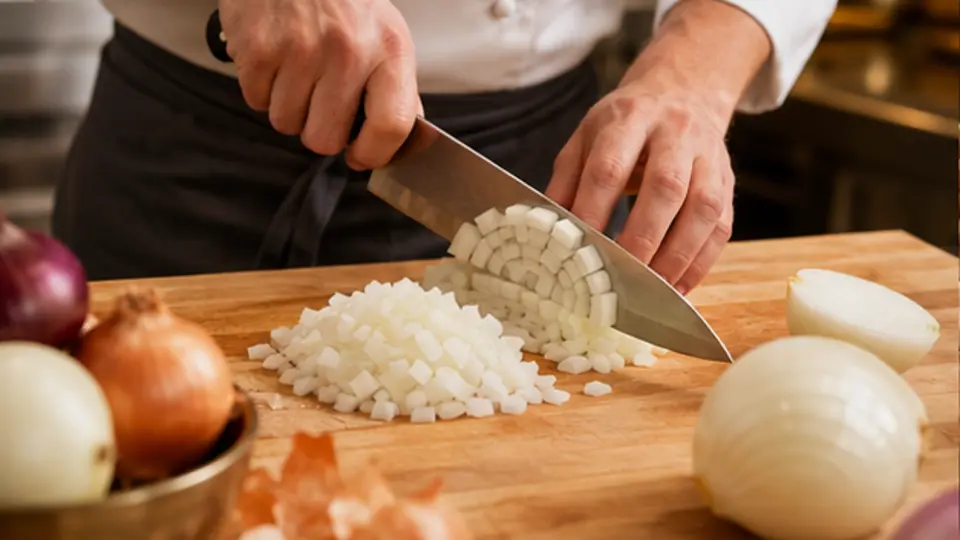 LESSON 15
Peel, slice and dice onions safely and consistently while controlling root structure, eye irritation and usable trim.
CONTINUE COURSE →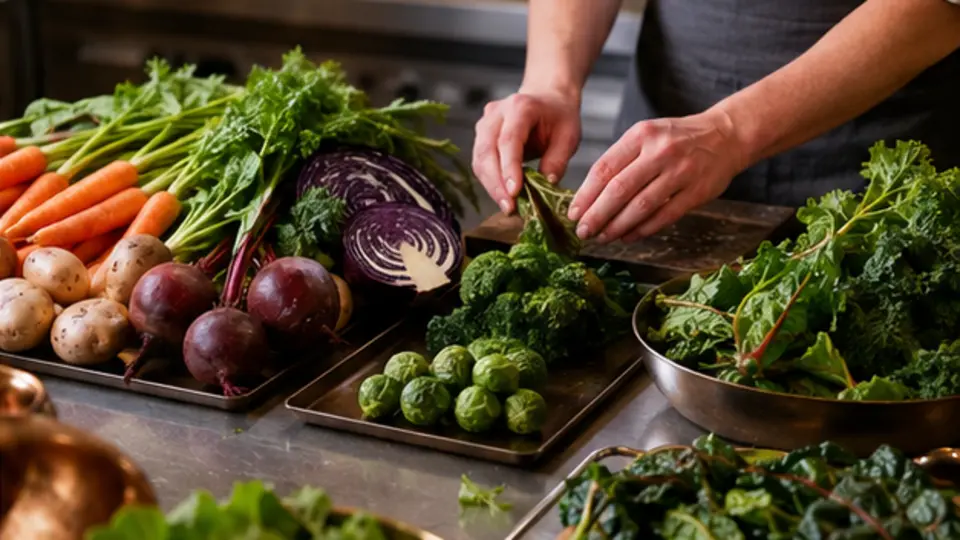 LESSON 16
Prepare roots, brassicas and leafy greens for clean flavour, even cooking, strong colour and responsible yield.
CONTINUE COURSE → LESSON 17
Wash, cut, store and cook fresh herbs and aromatics to preserve aroma, colour and flavour while avoiding bitterness.
CONTINUE COURSE →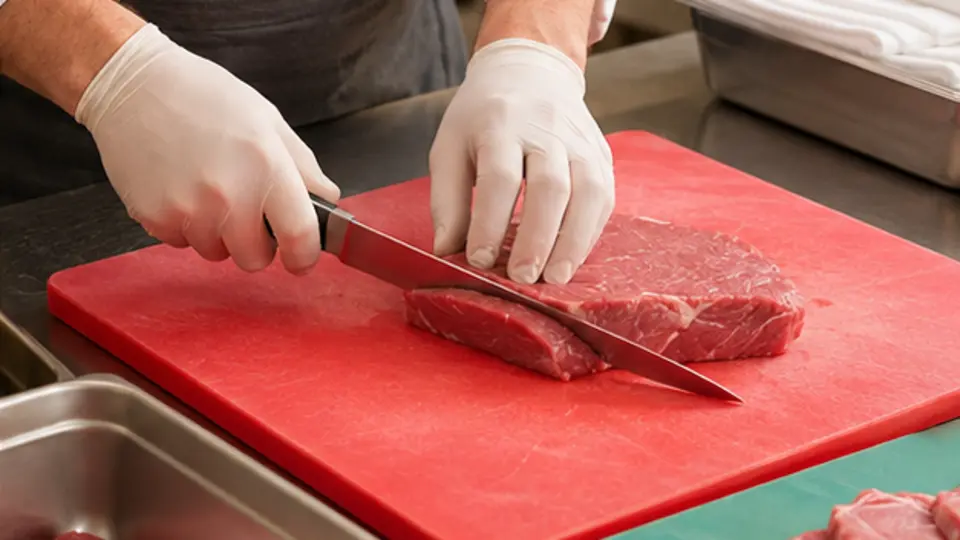 LESSON 18
Trim and portion raw meat with safe separation, correct grain awareness, consistent weights and responsible yield control.
CONTINUE COURSE →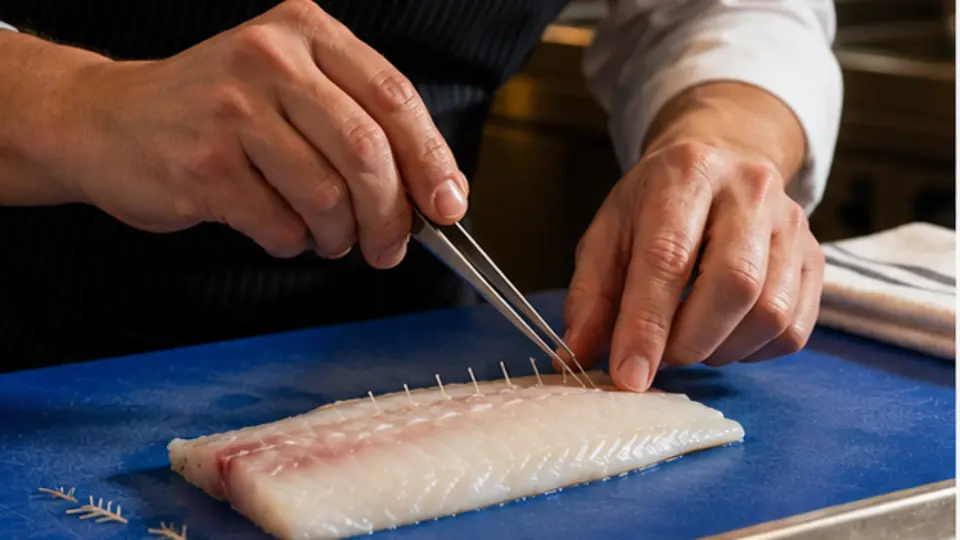 LESSON 19
Assess fresh fish, remove pin bones and practise basic filleting while protecting temperature, yield and delicate flesh.
CONTINUE COURSE → LESSON 20
Prepare batches at the right scale, cool and store them safely, and use labels that support traceability and stock rotation.
CONTINUE COURSE →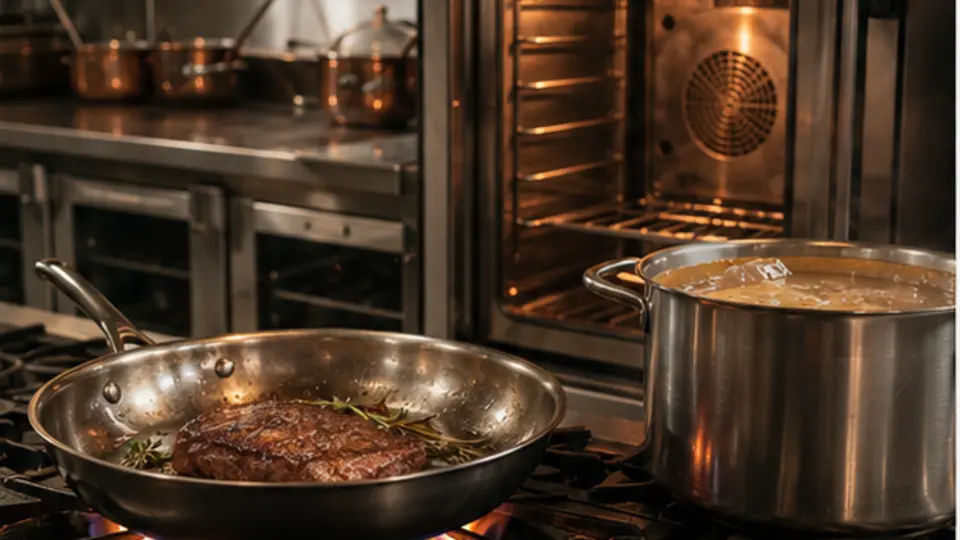 LESSON 21
Understand conduction, convection and radiation so you can choose equipment, predict cooking time and control doneness.
CONTINUE COURSE →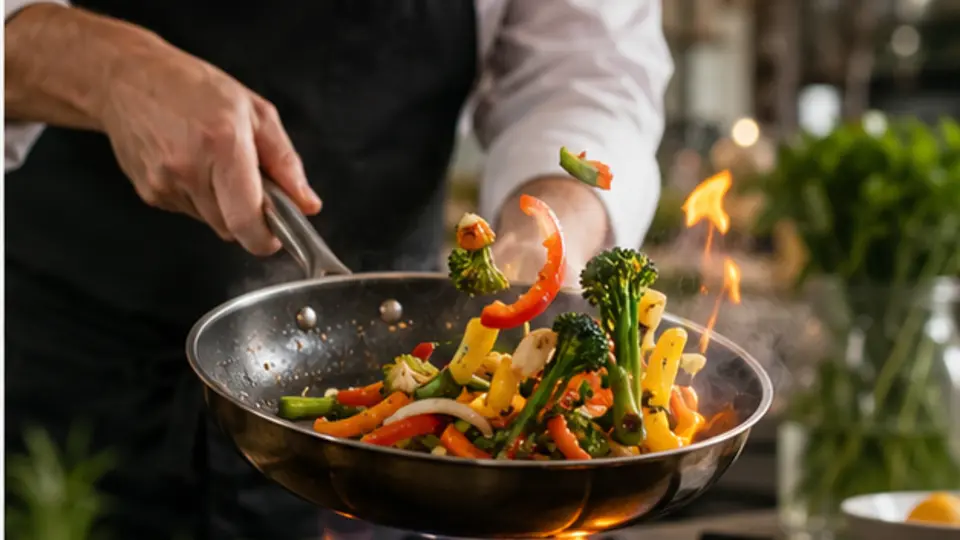 LESSON 22
Use high heat, suitable pan loading and deliberate movement to sauté or stir-fry food with colour and crisp texture.
CONTINUE COURSE → LESSON 23
Create an even brown crust on meat while controlling surface moisture, pan temperature, internal doneness and resting.
CONTINUE COURSE → LESSON 24
Plan roasting temperatures, tray loading and resting to produce caramelised vegetables and evenly cooked meat or poultry.
CONTINUE COURSE →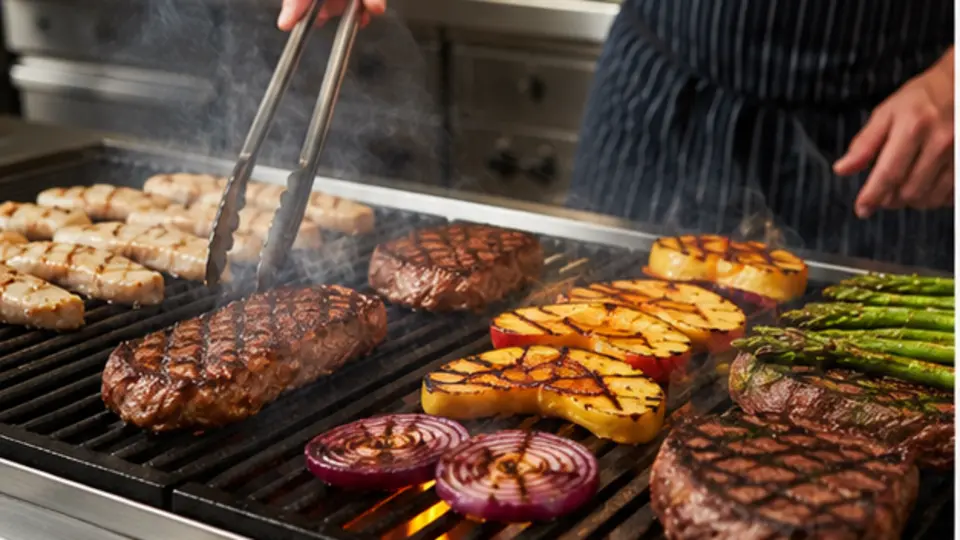 LESSON 25
Create and use hot, medium and cooler grill zones to control marks, smoke, flare-ups, doneness and resting.
CONTINUE COURSE → LESSON 26
Control liquid temperature for poaching and simmering so delicate food stays tender and stocks or sauces remain clear.
CONTINUE COURSE →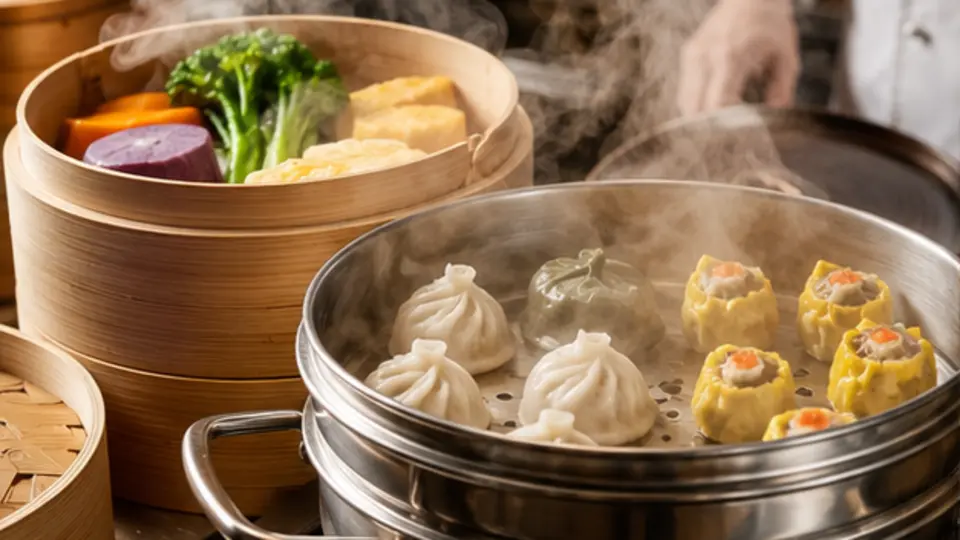 LESSON 27
Steam vegetables, grains, fish and dumplings with correct loading, condensation control and timing.
CONTINUE COURSE → LESSON 28
Build deep flavour and tenderness through browning, controlled liquid, gentle heat and patient finishing.
CONTINUE COURSE → LESSON 29
Deep-fry safely by controlling equipment, oil condition, food moisture, batch size and post-service filtration.
CONTINUE COURSE → LESSON 30
Judge doneness with reliable sensory and temperature checks while planning for carryover cooking and an effective rest.
CONTINUE COURSE →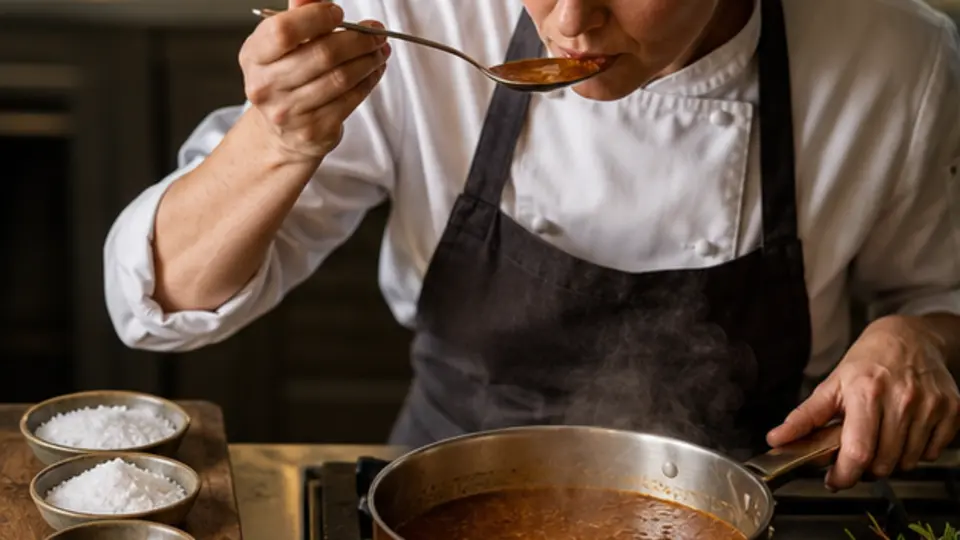 LESSON 31
Season food progressively, taste with a clear question and make controlled adjustments instead of correcting everything at the end.
CONTINUE COURSE →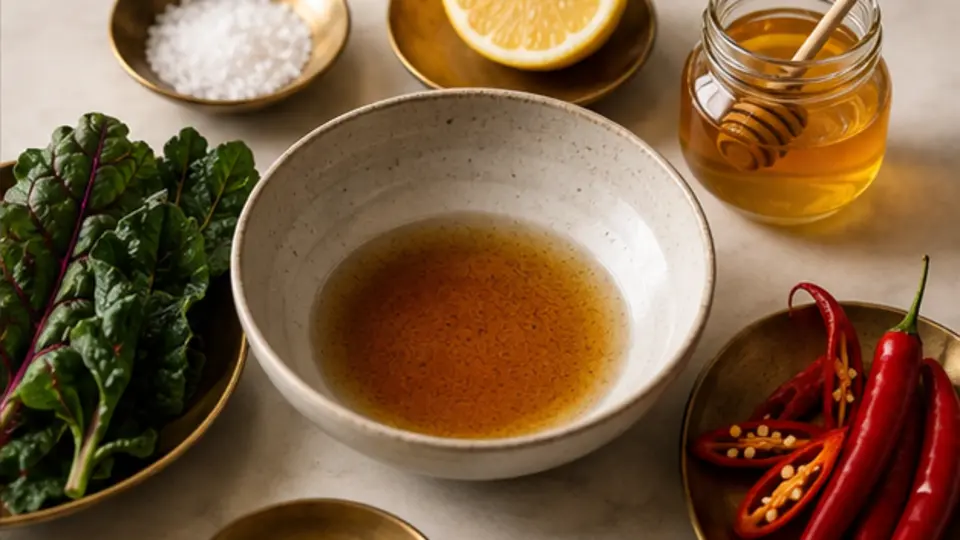 LESSON 32
Diagnose flavour imbalance and use salt, acid, sweetness, bitterness and chilli heat to support—not hide—the main ingredient.
CONTINUE COURSE → LESSON 33
Build clean stocks through suitable bones or vegetables, cold-start extraction, gentle simmering, skimming and safe cooling.
CONTINUE COURSE → LESSON 34
Understand temporary and stable emulsions, build mayonnaise and vinaigrette, and repair common broken sauces.
CONTINUE COURSE →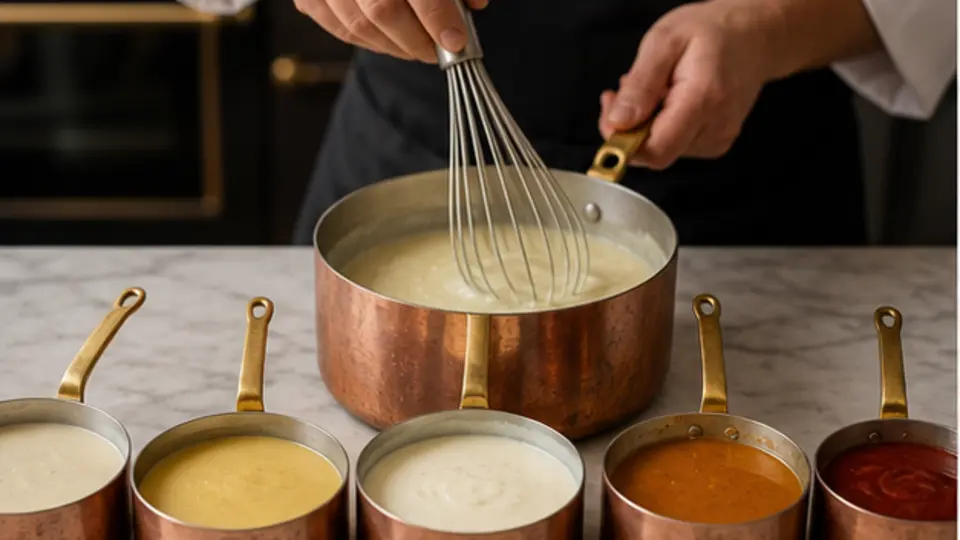 LESSON 35
Understand the logic of béchamel, velouté, espagnole, tomato sauce and hollandaise and adapt their techniques to modern menus.
CONTINUE COURSE → LESSON 36
Turn properly browned pan fond into a balanced sauce through deglazing, reduction, seasoning and finishing fat.
CONTINUE COURSE →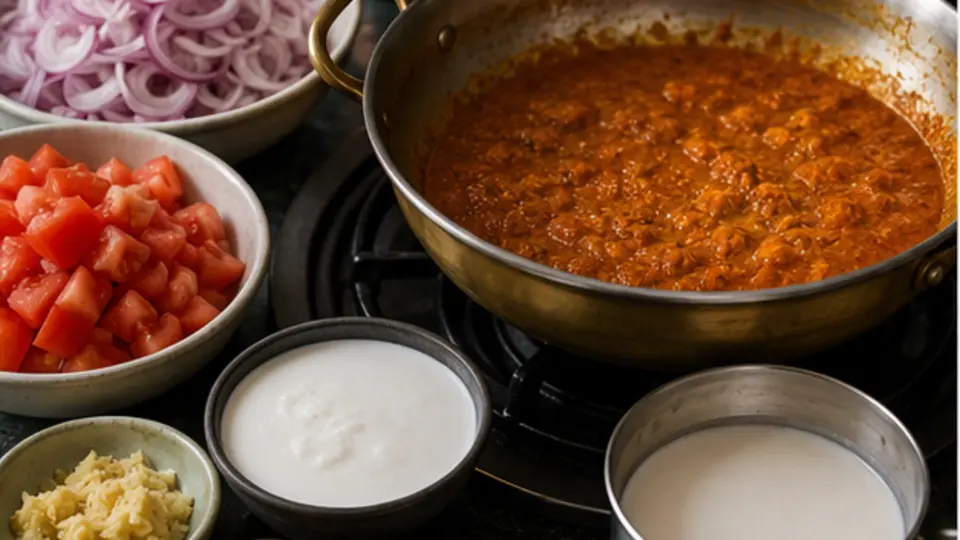 LESSON 37
Build a stable curry base by controlling onion browning, tomato reduction, spice heat and the addition of dairy or coconut.
CONTINUE COURSE → LESSON 38
Release the aroma of whole and ground spices through controlled toasting and blooming without creating burnt bitterness.
CONTINUE COURSE →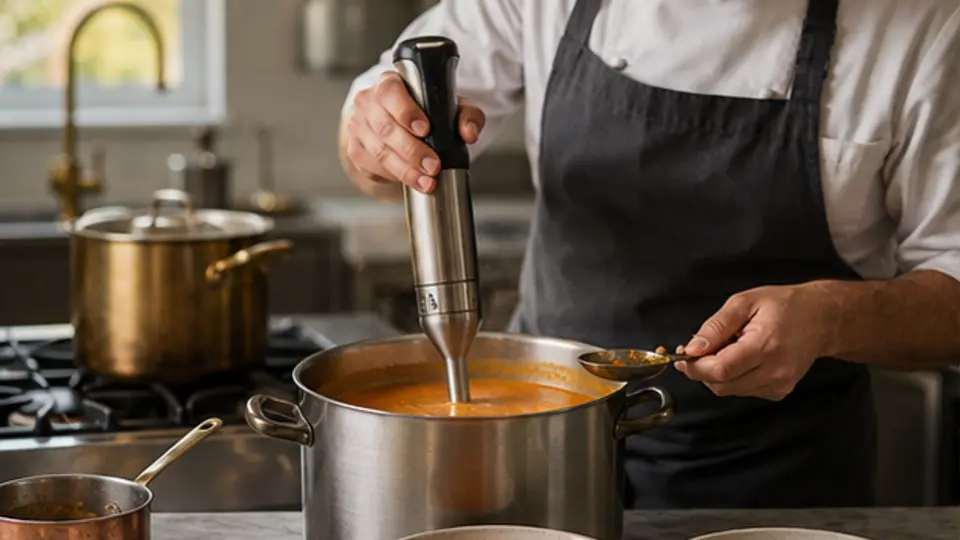 LESSON 39
Build clear, puréed and chunky soups with appropriate body, clean garnish and balanced concentration.
CONTINUE COURSE →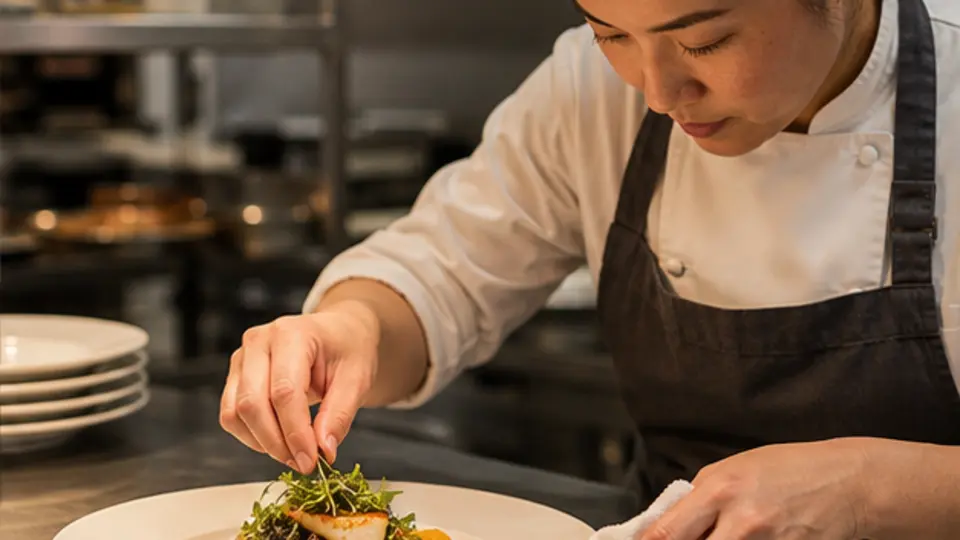 LESSON 40
Plate food with clear focus, correct temperature, practical garnish and a disciplined final check at the pass.
CONTINUE COURSE →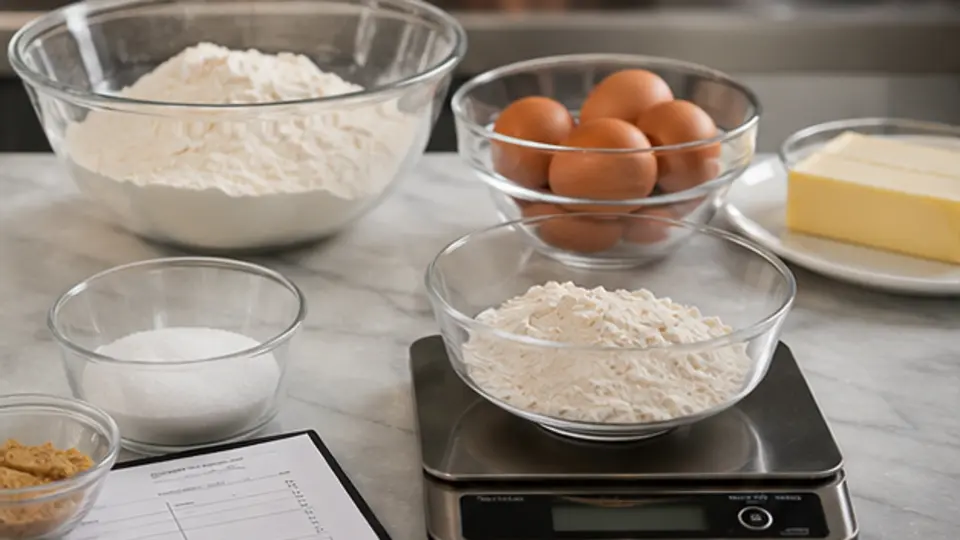 LESSON 41
Measure ingredients accurately, understand baker’s percentages and control the variables that make baking reproducible.
CONTINUE COURSE →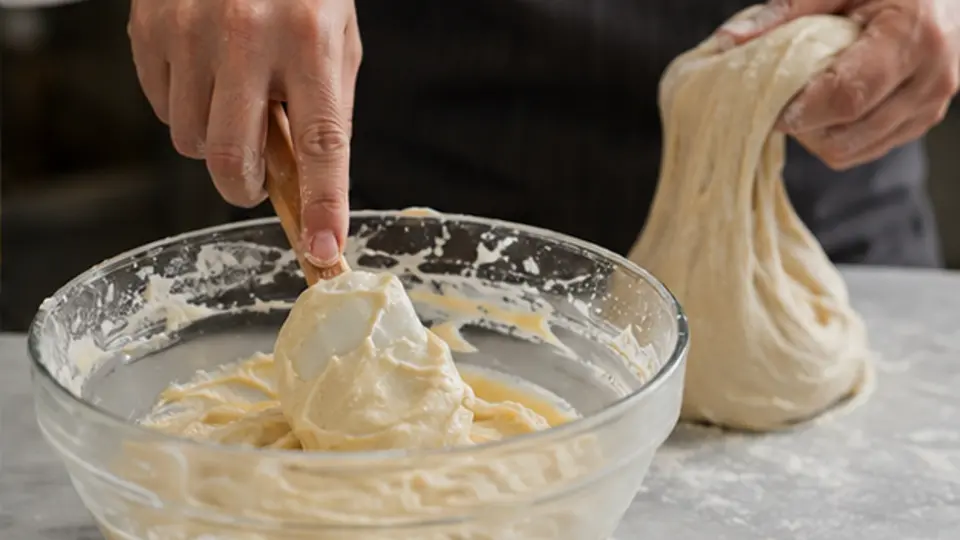 LESSON 42
Control gluten and air through creaming, folding, rubbing-in and direct mixing methods for tender or structured results.
CONTINUE COURSE → LESSON 43
Mix, ferment, shape and bake a basic yeast dough while reading dough development instead of relying only on time.
CONTINUE COURSE → LESSON 44
Control fat, gluten and temperature to produce tender shortcrust and distinct laminated puff pastry layers.
CONTINUE COURSE → LESSON 45
Control egg proteins with gentle heat for tender scrambled eggs, set custards and stable yolk-based sauces.
CONTINUE COURSE →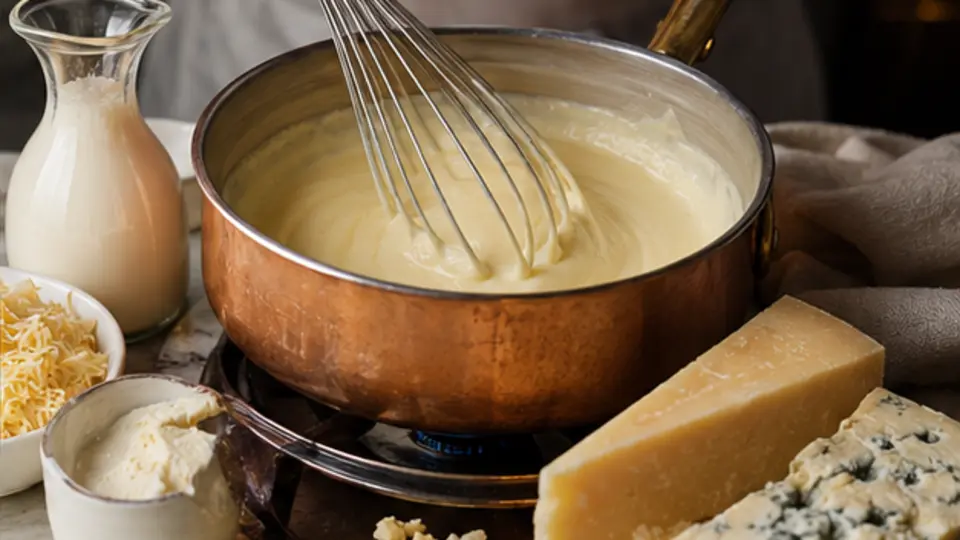 LESSON 46
Heat dairy gently, reduce cream and melt cheese into smooth sauces without scorching, curdling or greasiness.
CONTINUE COURSE →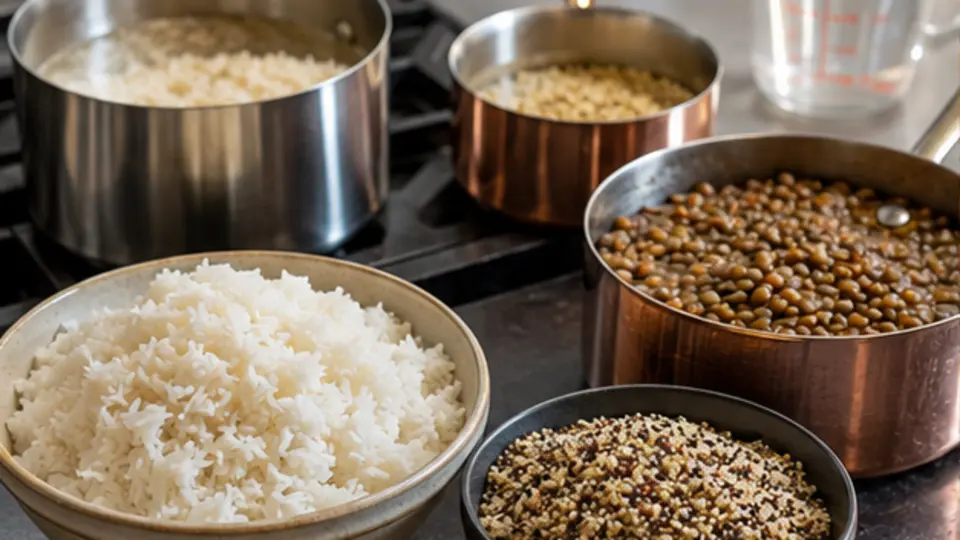 LESSON 47
Cook rice, grains and pulses consistently by controlling variety, water ratio, soaking, heat, resting and batch size.
CONTINUE COURSE →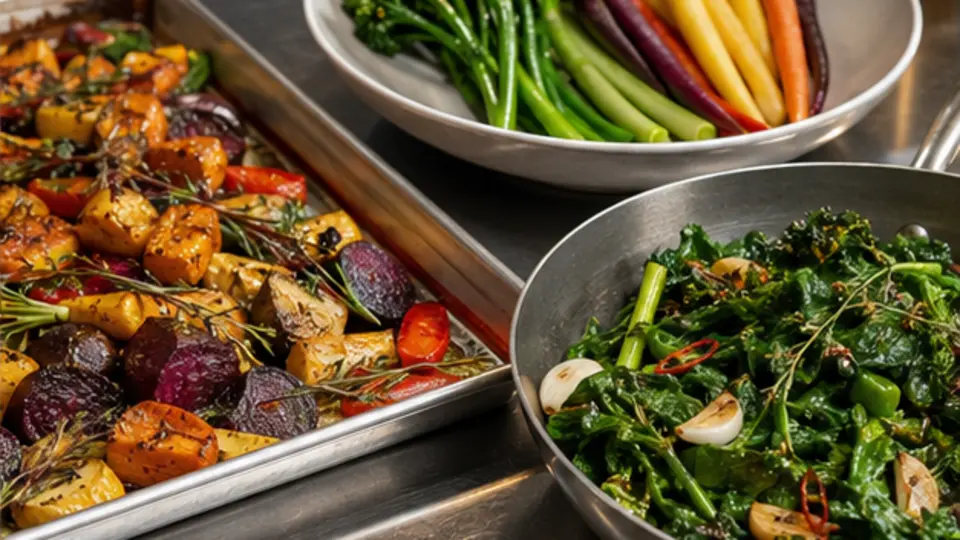 LESSON 48
Choose blanching, roasting, sautéing or braising methods that protect vegetable colour, texture, seasonality and flavour.
CONTINUE COURSE →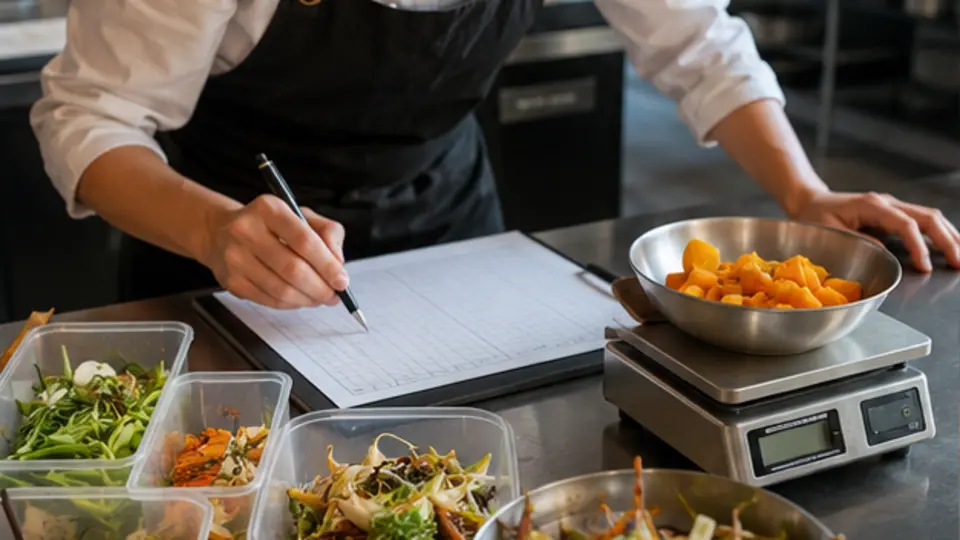 LESSON 49
Plan a practical menu, calculate edible portion cost and reduce waste without weakening guest value or kitchen standards.
CONTINUE COURSE → LESSON 50
Bring the Academy together by planning, cooking, plating and reviewing a complete three-course service challenge.
CONTINUE COURSE → Beginner · Self-paced
Learn the essential foundations of a professional kitchen, including organisation, mise en place, hygiene, teamwork, consistency and basic kitchen workflow.
Start Lesson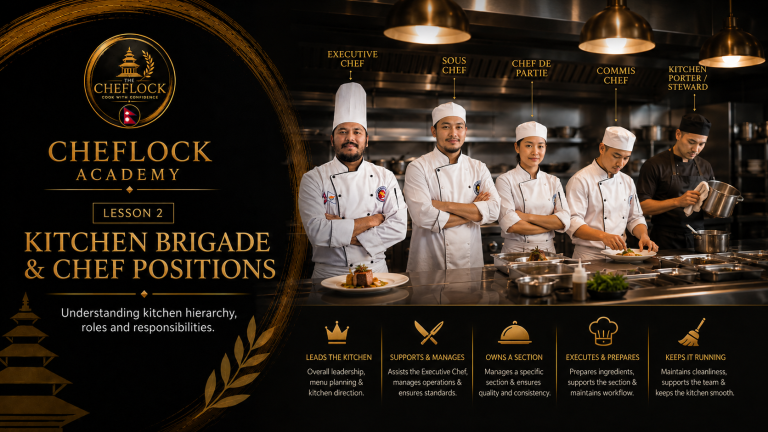 Beginner · Self-paced
Learn how a professional kitchen team is structured, from Commis Chef and Chef de Partie to Sous Chef and Executive Chef, including the responsibilities and career path of each position.
Start Lesson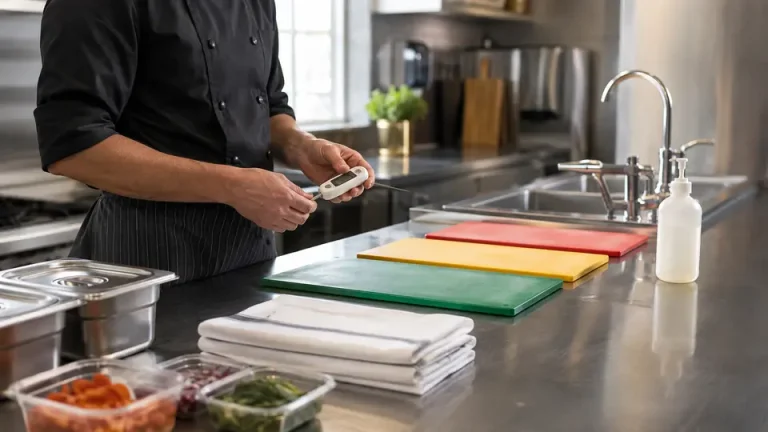 Beginner · 35 minutes
Learn how professional kitchens control contamination, temperatures, cleaning and records through a practical food-safety system.
Start Lesson Beginner · 25 minutes
Build professional habits for hand hygiene, uniform, illness reporting, behaviour and responsible conduct in a working kitchen.
Start Lesson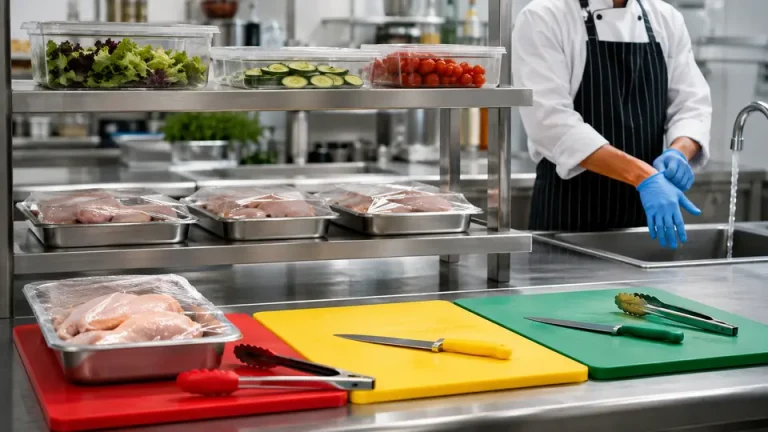 Beginner · 35 minutes
Prevent cross-contamination and allergen contact with separation, cleaning, clear communication and a controlled cooking workflow.
Start Lesson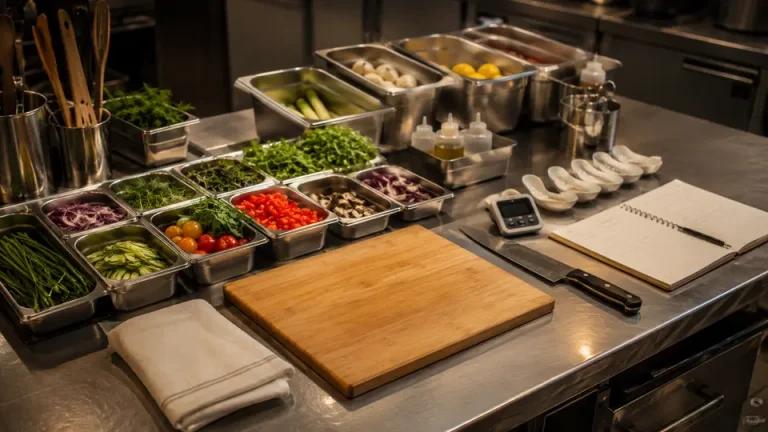 Beginner · 30 minutes
Design a mise en place system that keeps ingredients, tools, timing and movement under control before service begins.
Start Lesson Beginner · 30 minutes
Read a professional recipe completely, scale it accurately and convert it into an efficient sequence of preparation and cooking tasks.
Start Lesson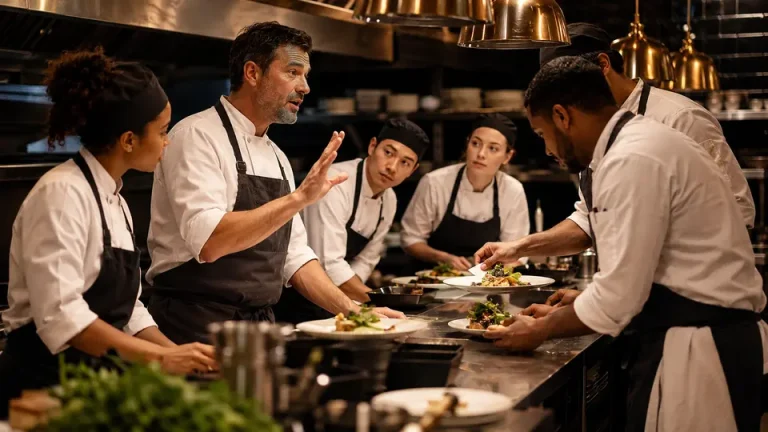 Beginner · 25 minutes
Use short, standard service calls, closed-loop communication and respectful briefing to coordinate a professional kitchen brigade.
Start Lesson Intermediate · 30 minutes
Control several orders without losing quality by prioritising critical tasks, using timers and communicating realistic service times.
Start Lesson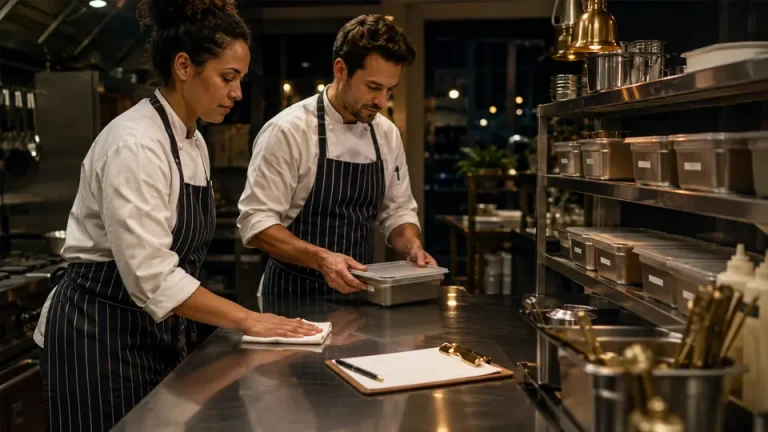 Beginner · 25 minutes
Close a kitchen section safely with correct cleaning, stock protection, waste records, equipment checks and a useful handover.
Start Lesson Beginner · 25 minutes
Choose a practical chef’s knife by understanding blade shape, steel, balance, handle comfort and the jobs it must perform.
Start Lesson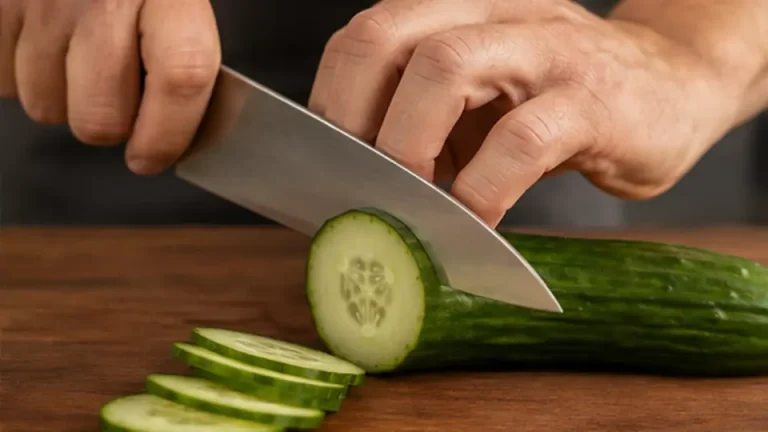 Beginner · 30 minutes
Learn the pinch grip, guiding-hand claw and stable posture that make knife work safer, more accurate and less tiring.
Start Lesson Intermediate · 35 minutes
Understand the difference between honing and sharpening, maintain a working edge and recognise when professional repair is needed.
Start Lesson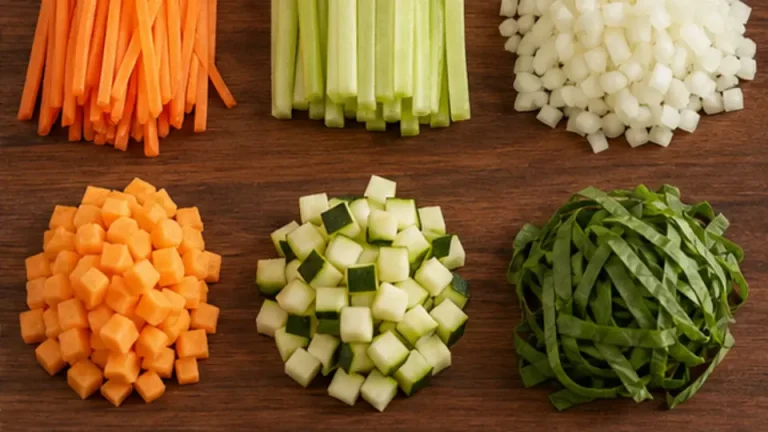 Beginner · 35 minutes
Produce consistent slices, batons, dice and chiffonade while understanding how cut size controls cooking and presentation.
Start Lesson Beginner · 25 minutes
Peel, slice and dice onions safely and consistently while controlling root structure, eye irritation and usable trim.
Start Lesson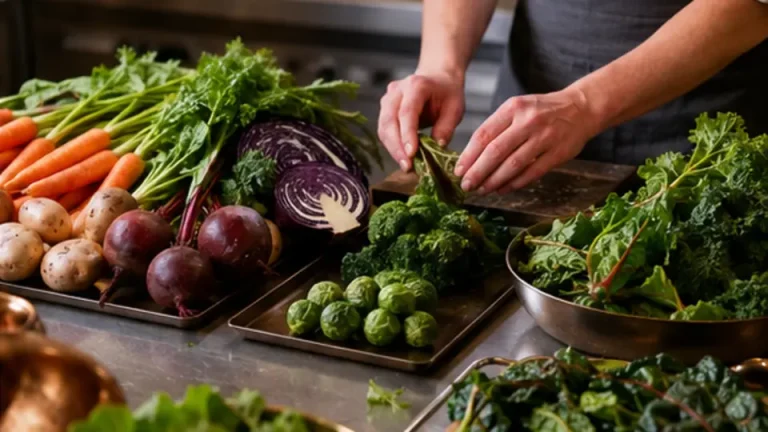 Beginner · 35 minutes
Prepare roots, brassicas and leafy greens for clean flavour, even cooking, strong colour and responsible yield.
Start Lesson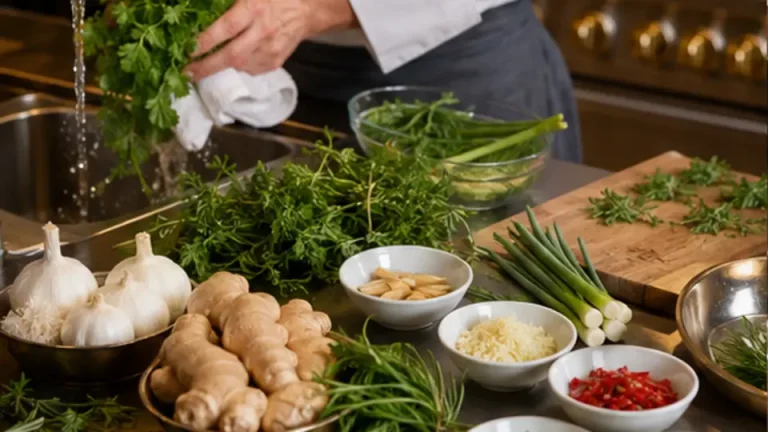 Beginner · 30 minutes
Wash, cut, store and cook fresh herbs and aromatics to preserve aroma, colour and flavour while avoiding bitterness.
Start Lesson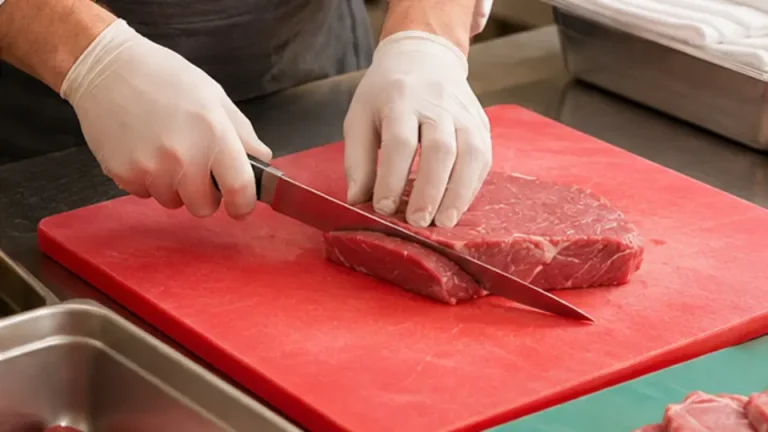 Intermediate · 40 minutes
Trim and portion raw meat with safe separation, correct grain awareness, consistent weights and responsible yield control.
Start Lesson Intermediate · 45 minutes
Assess fresh fish, remove pin bones and practise basic filleting while protecting temperature, yield and delicate flesh.
Start Lesson Beginner · 30 minutes
Prepare batches at the right scale, cool and store them safely, and use labels that support traceability and stock rotation.
Start Lesson Beginner · 30 minutes
Understand conduction, convection and radiation so you can choose equipment, predict cooking time and control doneness.
Start Lesson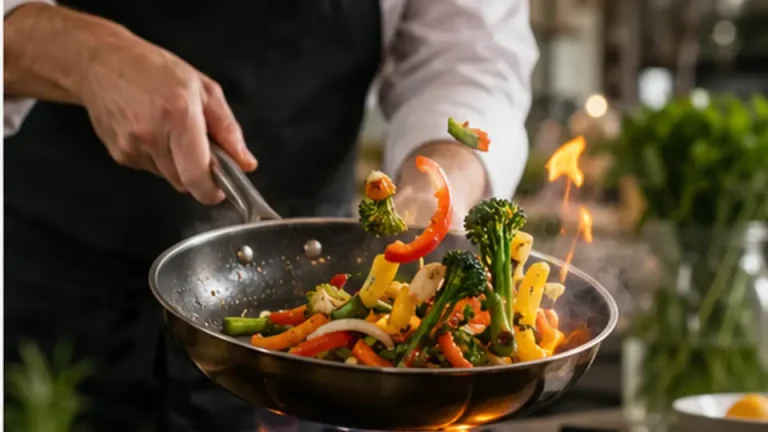 Beginner · 30 minutes
Use high heat, suitable pan loading and deliberate movement to sauté or stir-fry food with colour and crisp texture.
Start Lesson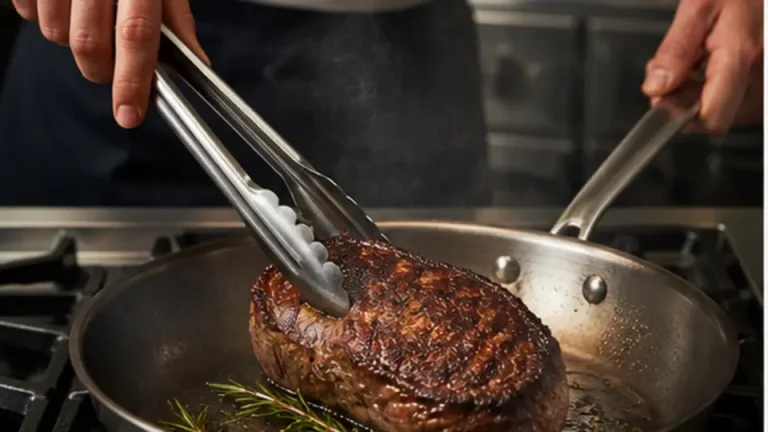 Intermediate · 35 minutes
Create an even brown crust on meat while controlling surface moisture, pan temperature, internal doneness and resting.
Start Lesson Intermediate · 40 minutes
Plan roasting temperatures, tray loading and resting to produce caramelised vegetables and evenly cooked meat or poultry.
Start Lesson Intermediate · 35 minutes
Create and use hot, medium and cooler grill zones to control marks, smoke, flare-ups, doneness and resting.
Start Lesson Beginner · 30 minutes
Control liquid temperature for poaching and simmering so delicate food stays tender and stocks or sauces remain clear.
Start Lesson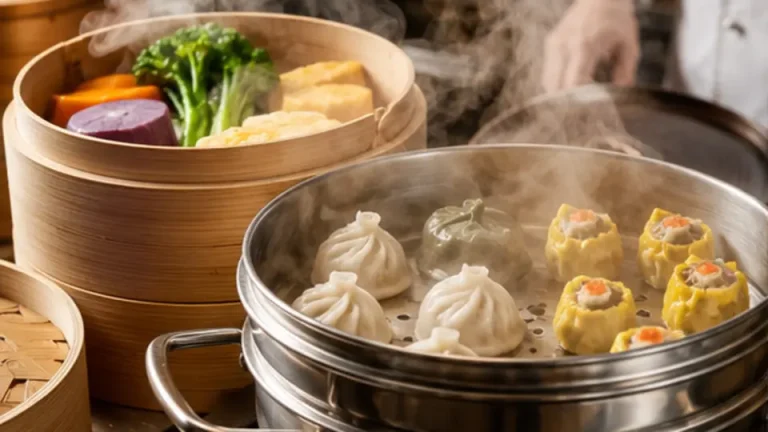 Beginner · 30 minutes
Steam vegetables, grains, fish and dumplings with correct loading, condensation control and timing.
Start Lesson Intermediate · 40 minutes
Build deep flavour and tenderness through browning, controlled liquid, gentle heat and patient finishing.
Start Lesson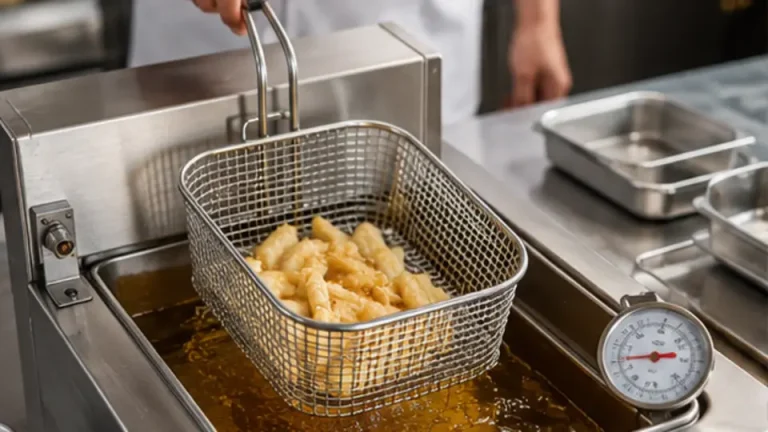 Intermediate · 40 minutes
Deep-fry safely by controlling equipment, oil condition, food moisture, batch size and post-service filtration.
Start Lesson Intermediate · 35 minutes
Judge doneness with reliable sensory and temperature checks while planning for carryover cooking and an effective rest.
Start Lesson Beginner · 30 minutes
Season food progressively, taste with a clear question and make controlled adjustments instead of correcting everything at the end.
Start Lesson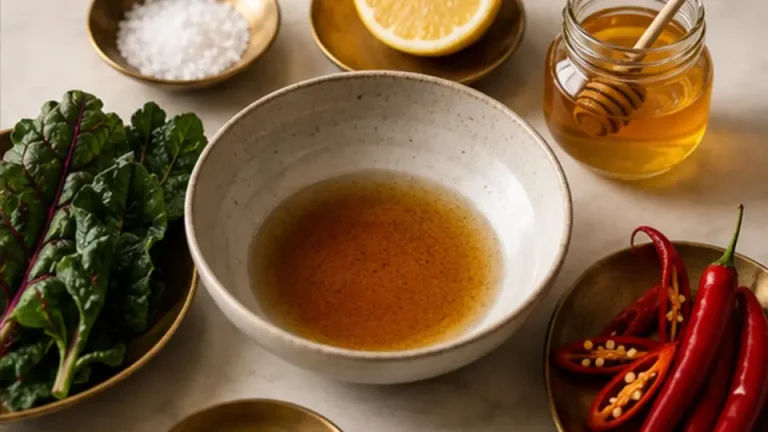 Intermediate · 35 minutes
Diagnose flavour imbalance and use salt, acid, sweetness, bitterness and chilli heat to support—not hide—the main ingredient.
Start Lesson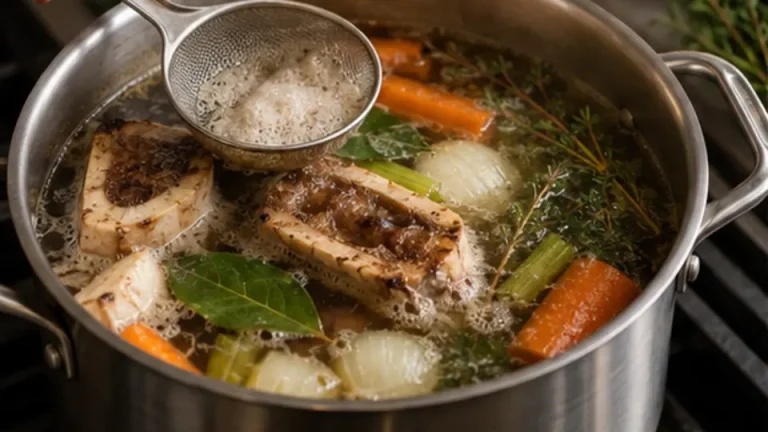 Intermediate · 45 minutes
Build clean stocks through suitable bones or vegetables, cold-start extraction, gentle simmering, skimming and safe cooling.
Start Lesson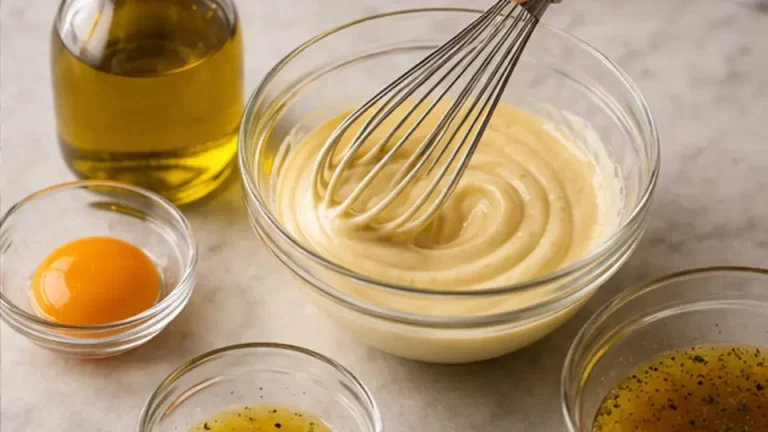 Intermediate · 40 minutes
Understand temporary and stable emulsions, build mayonnaise and vinaigrette, and repair common broken sauces.
Start Lesson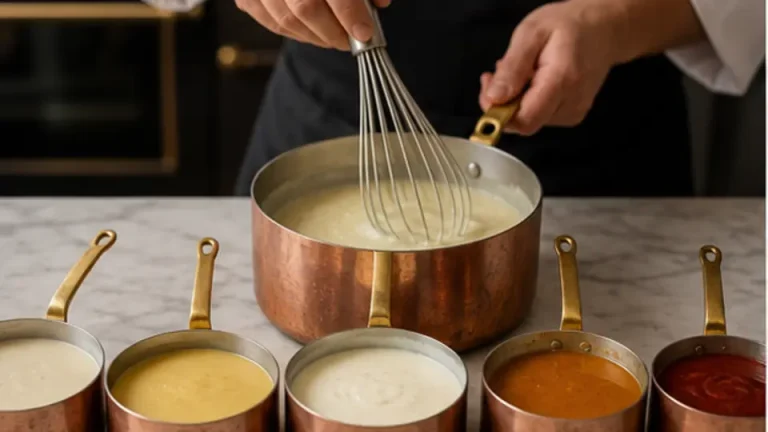 Intermediate · 45 minutes
Understand the logic of béchamel, velouté, espagnole, tomato sauce and hollandaise and adapt their techniques to modern menus.
Start Lesson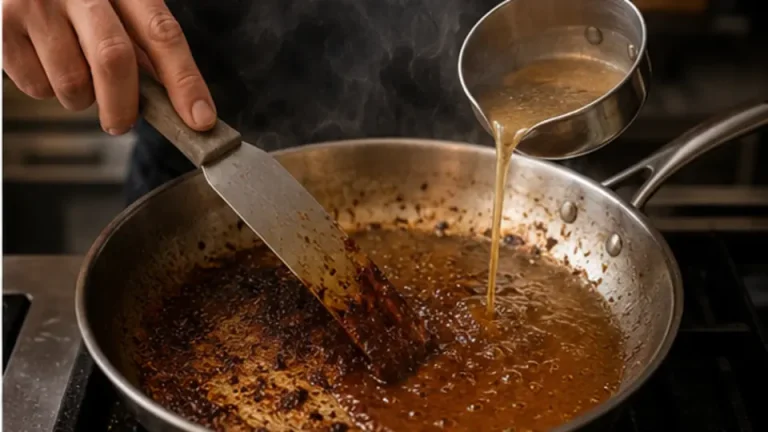 Intermediate · 35 minutes
Turn properly browned pan fond into a balanced sauce through deglazing, reduction, seasoning and finishing fat.
Start Lesson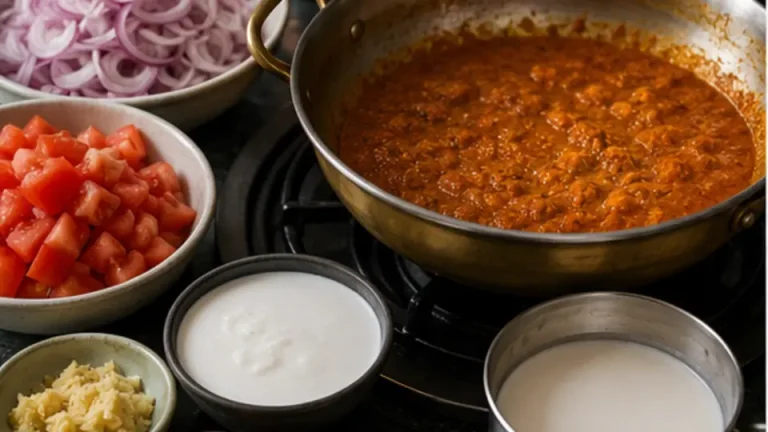 Intermediate · 40 minutes
Build a stable curry base by controlling onion browning, tomato reduction, spice heat and the addition of dairy or coconut.
Start Lesson Beginner · 30 minutes
Release the aroma of whole and ground spices through controlled toasting and blooming without creating burnt bitterness.
Start Lesson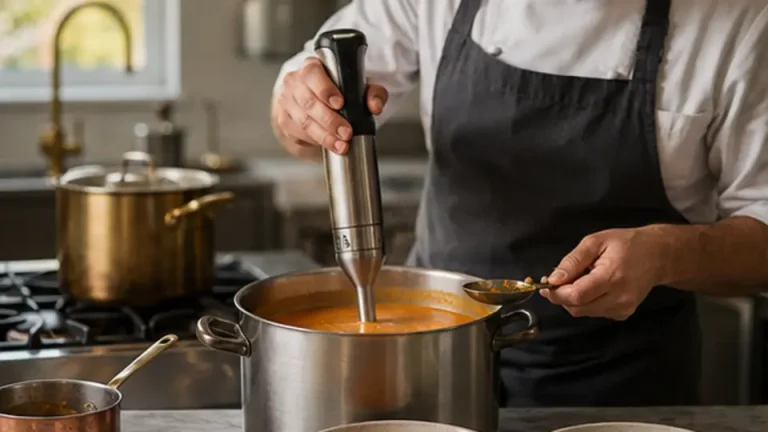 Beginner · 35 minutes
Build clear, puréed and chunky soups with appropriate body, clean garnish and balanced concentration.
Start Lesson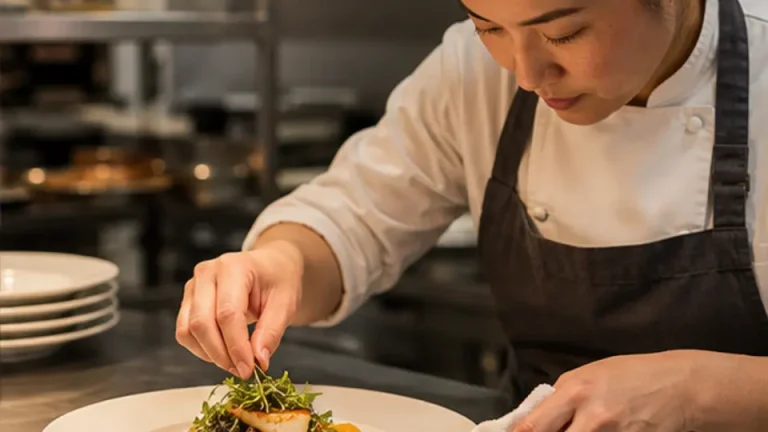 Intermediate · 35 minutes
Plate food with clear focus, correct temperature, practical garnish and a disciplined final check at the pass.
Start Lesson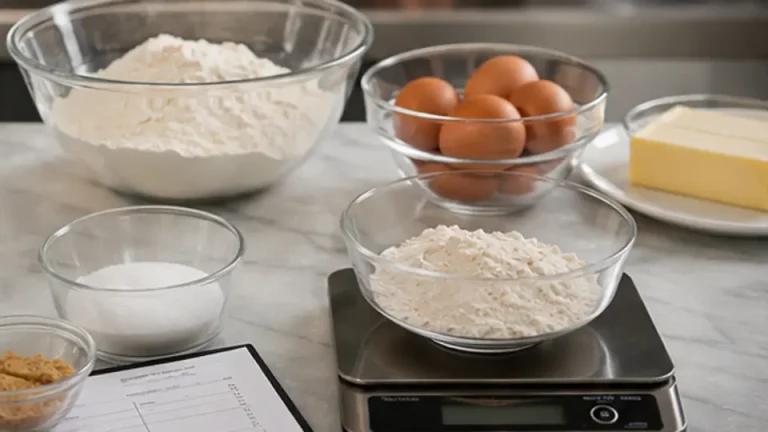 Beginner · 35 minutes
Measure ingredients accurately, understand baker’s percentages and control the variables that make baking reproducible.
Start Lesson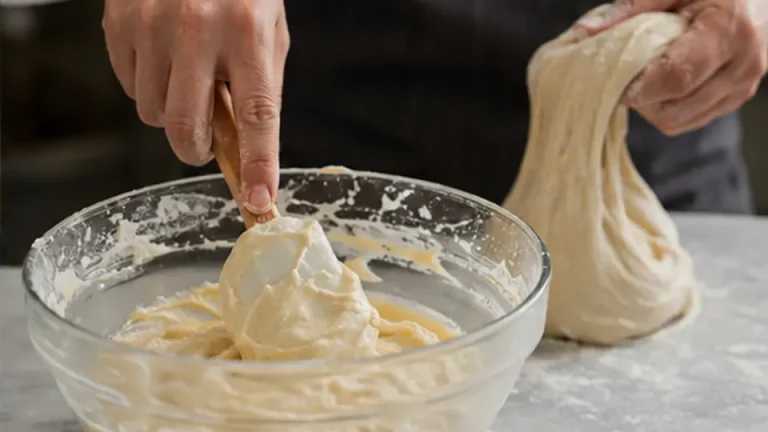 Intermediate · 40 minutes
Control gluten and air through creaming, folding, rubbing-in and direct mixing methods for tender or structured results.
Start Lesson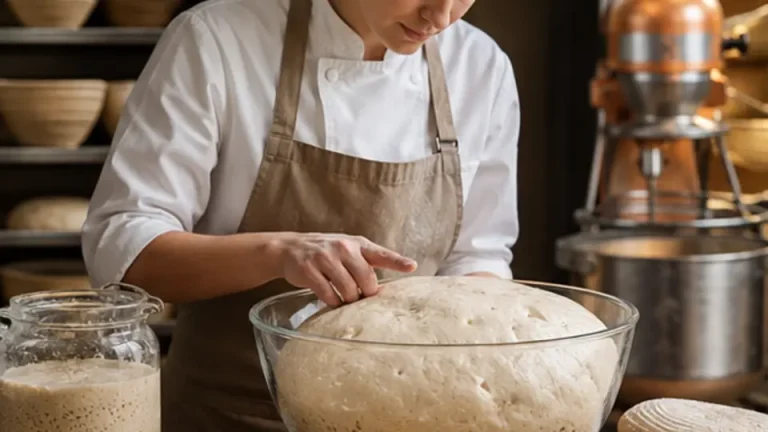 Intermediate · 50 minutes
Mix, ferment, shape and bake a basic yeast dough while reading dough development instead of relying only on time.
Start Lesson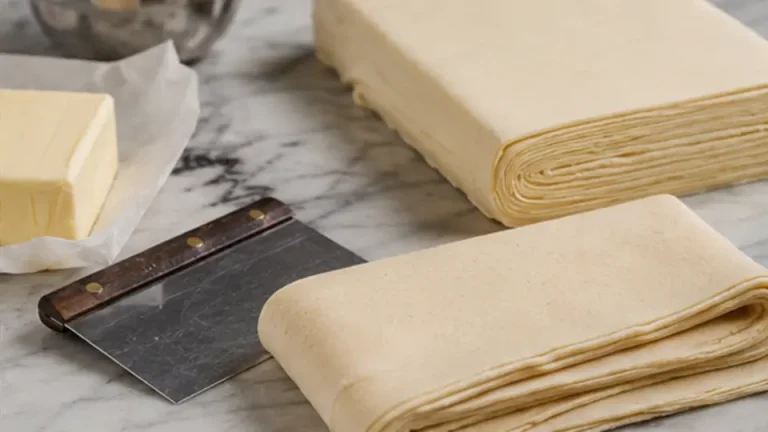 Intermediate · 50 minutes
Control fat, gluten and temperature to produce tender shortcrust and distinct laminated puff pastry layers.
Start Lesson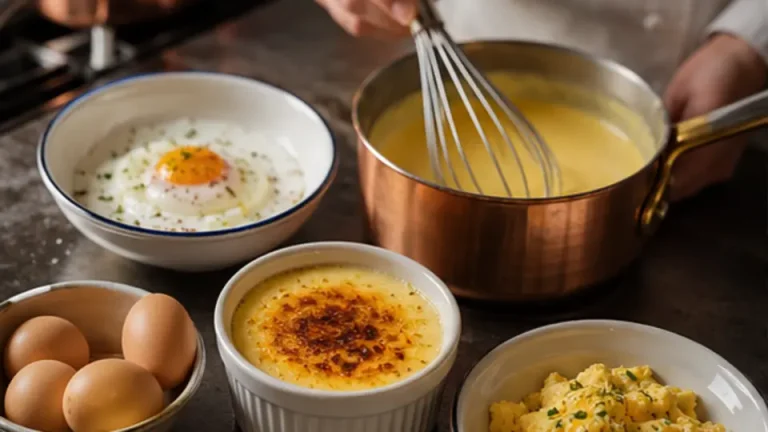 Intermediate · 40 minutes
Control egg proteins with gentle heat for tender scrambled eggs, set custards and stable yolk-based sauces.
Start Lesson Intermediate · 35 minutes
Heat dairy gently, reduce cream and melt cheese into smooth sauces without scorching, curdling or greasiness.
Start Lesson Beginner · 40 minutes
Cook rice, grains and pulses consistently by controlling variety, water ratio, soaking, heat, resting and batch size.
Start Lesson Intermediate · 40 minutes
Choose blanching, roasting, sautéing or braising methods that protect vegetable colour, texture, seasonality and flavour.
Start Lesson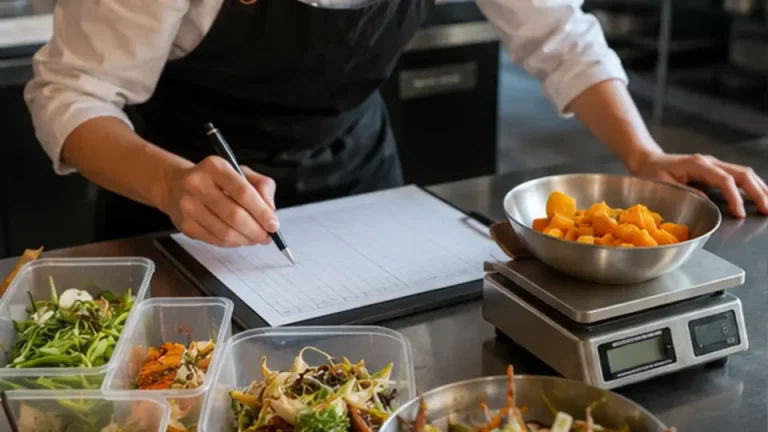 Intermediate · 50 minutes
Plan a practical menu, calculate edible portion cost and reduce waste without weakening guest value or kitchen standards.
Start Lesson Advanced · 90 minutes
Bring the Academy together by planning, cooking, plating and reviewing a complete three-course service challenge.
Start LessonFollow lessons in order and track completion on this device.
Organisation, hygiene, teamwork, communication and service-ready habits.
Knife choice, safe cuts, ingredient preparation, portioning and storage.
Heat transfer, sautéing, roasting, grilling, steaming, braising and frying.
Seasoning, stock building, sauces, soups, emulsions and flavour balance.
Baking foundations, pastry control, consistency, costing and kitchen leadership.