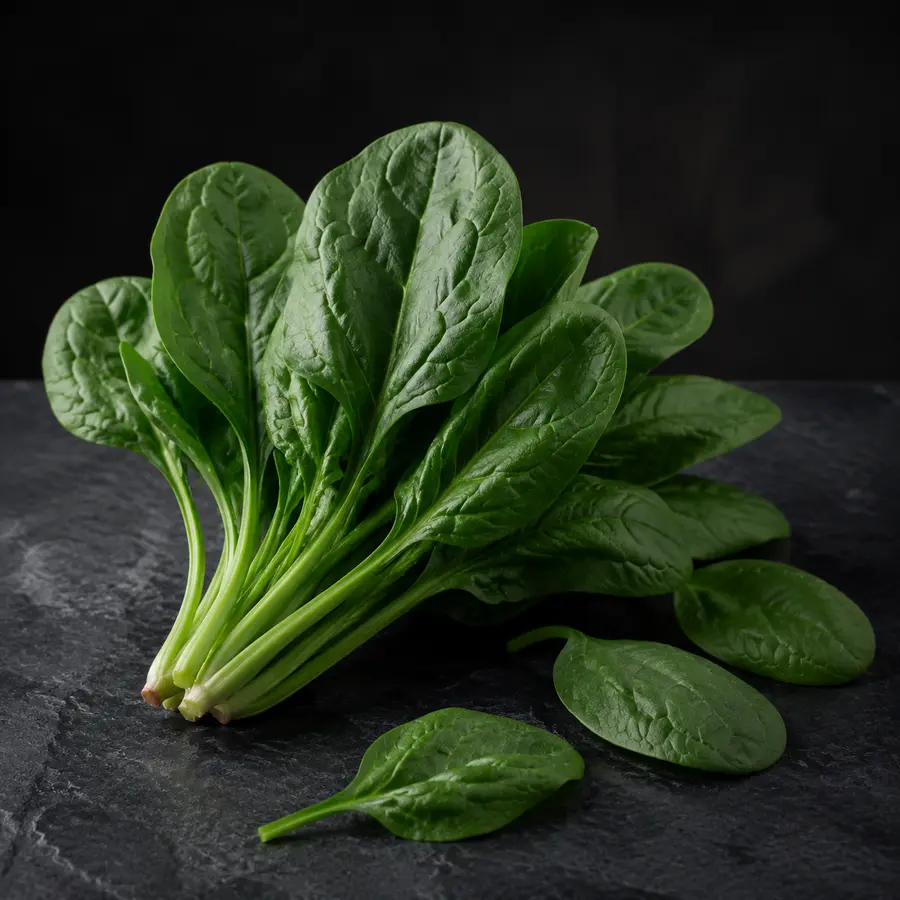
Ingredient at a glance: Spinach is a tender leafy green used raw when young and cooked when mature, with a dramatic reduction in volume.
Flavour, Aroma and Texture
Young leaves are mild and slightly sweet; mature spinach tastes more mineral and earthy. Brief cooking creates tenderness, while prolonged heat dulls colour and increases wetness.
How to Select It
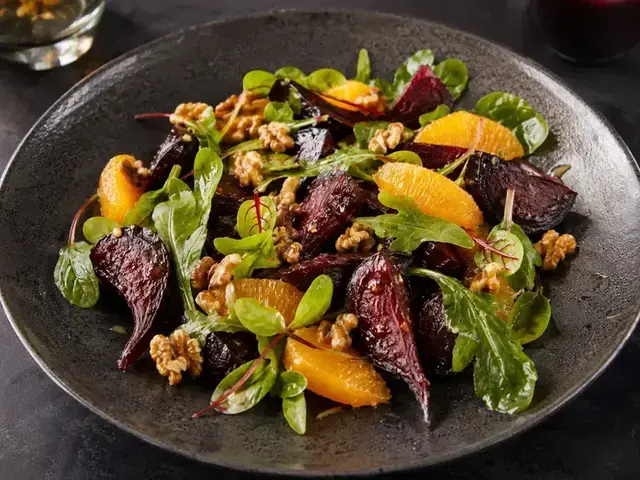
Select crisp, deep-green leaves without slime, yellowing, crushed wet patches or sour odour. Baby leaves suit salads; mature bunches hold more character in cooked dishes.
Professional Preparation
Wash repeatedly in a large volume of cold water because grit sinks below the leaves. Lift spinach out rather than pouring dirty water back over it. Drain or spin completely.
Best Cooking Methods
- Wilt quickly in a broad hot pan and drain excess liquid.
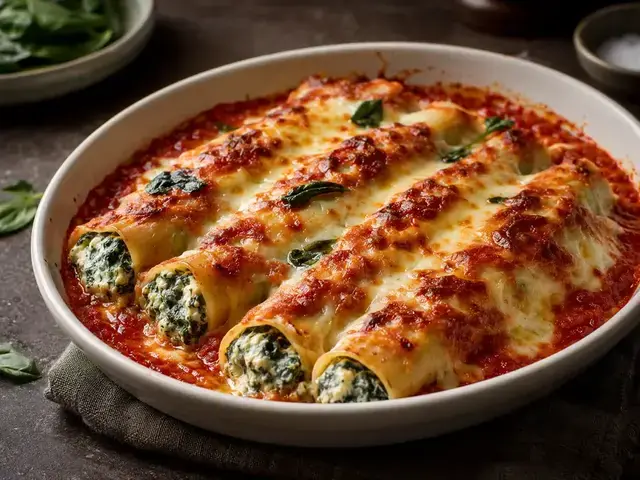
- Blanch briefly, chill and squeeze before fillings or purees.
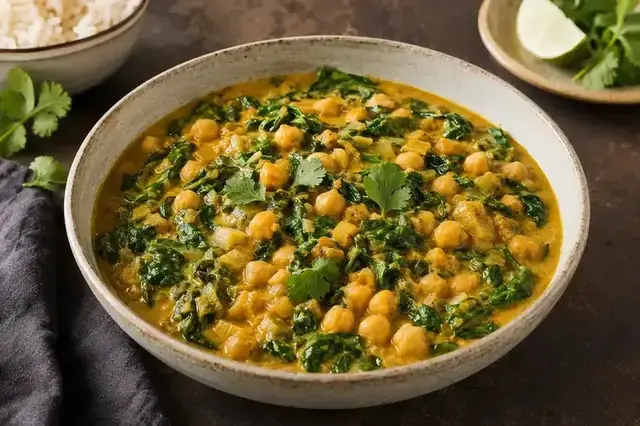
- Add near the end of soups, dal or curry to preserve colour.
Flavour Pairings
- Garlic, nutmeg, cumin and chilli.
- Eggs, paneer, feta and yogurt.
- Lemon, olive oil, sesame and tahini.
- Lentils, chickpeas, potatoes and mushrooms.
Practical Substitutions
- Swiss chard with stems cooked separately.
- Mustard greens for a stronger peppery flavour.
- Kale with longer cooking and firmer texture.
Storage and Shelf Life
Refrigerate dry leaves in a breathable or towel-lined container and use quickly. Keep washed spinach cold and dry. Cool cooked spinach promptly in shallow containers.
Season and Availability
Cool-season spinach usually has the best texture; baby spinach is widely available year-round.
Nutrition and Dietary Context
Spinach contributes folate, carotenoids and minerals, but contains oxalates. People managing kidney stones or specific medical diets should follow clinical advice.
Allergen and Food-Safety Notes
Spinach can carry soil and pathogens, so washing and cold control matter. Discard slimy leaves. Allergy is possible, and reheating does not correct unsafe storage.
Zero-Waste Use
Blend sound stems into soup, herb sauce or dal. Freeze blanched excess in measured portions instead of allowing a large bag to deteriorate.
Common Mistakes to Avoid
- Cooking unwashed leaves and carrying grit into the dish.
- Crowding a small pan and stewing spinach in released water.
- Holding cooked spinach warm for extended periods.
Chef’s Quality Check
Cooked spinach should be tender, vividly green and free from grit, with no large pool of metallic-tasting liquid.
This profile provides general culinary education. Product composition, allergens, storage life and safety requirements vary; check the label and follow local guidance.