Chef-tested ingredient reference

Ingredient Intelligence Library

Understand flavour, selection, preparation, cooking methods, substitutions, storage, allergens and zero-waste use before you begin cooking.

100 published ingredient profiles

Clear · practical · safety-aware

Potato ingredient
Vegetables & Mushrooms#1

Potato

Understand potato varieties, starch behaviour, preparation, storage and the methods that produce crisp, fluffy or waxy results.

Flavour profileRaw potato is earthy and firm. Floury varieties become dry and fluffy; waxy types remain moist and hold…
Open full profile
Tomato ingredient
Vegetables & Mushrooms#2

Tomato

Choose, ripen, prepare and cook tomatoes while controlling acidity, water content, seeds and delicate fresh aroma.

Flavour profileRipe tomato balances sweetness, acidity and savoury depth. Flesh ranges from juicy and tender to dense and meaty;…
Open full profile
Onion ingredient
Vegetables & Mushrooms#3

Onion

Control onion sharpness, sweetness, browning and texture through correct cutting, heat and storage.

Flavour profileRaw onion is crisp, pungent and sulphurous. Gentle cooking makes it sweet and soft; controlled browning develops nutty…
Open full profile
Garlic ingredient
Vegetables & Mushrooms#4

Garlic

Use garlic with precision by matching cut size, heat and cooking time to the flavour intensity required.

Flavour profileFreshly cut garlic is hot, sharp and sulphurous. Gentle cooking rounds it into savoury sweetness; whole roasted cloves…
Open full profile
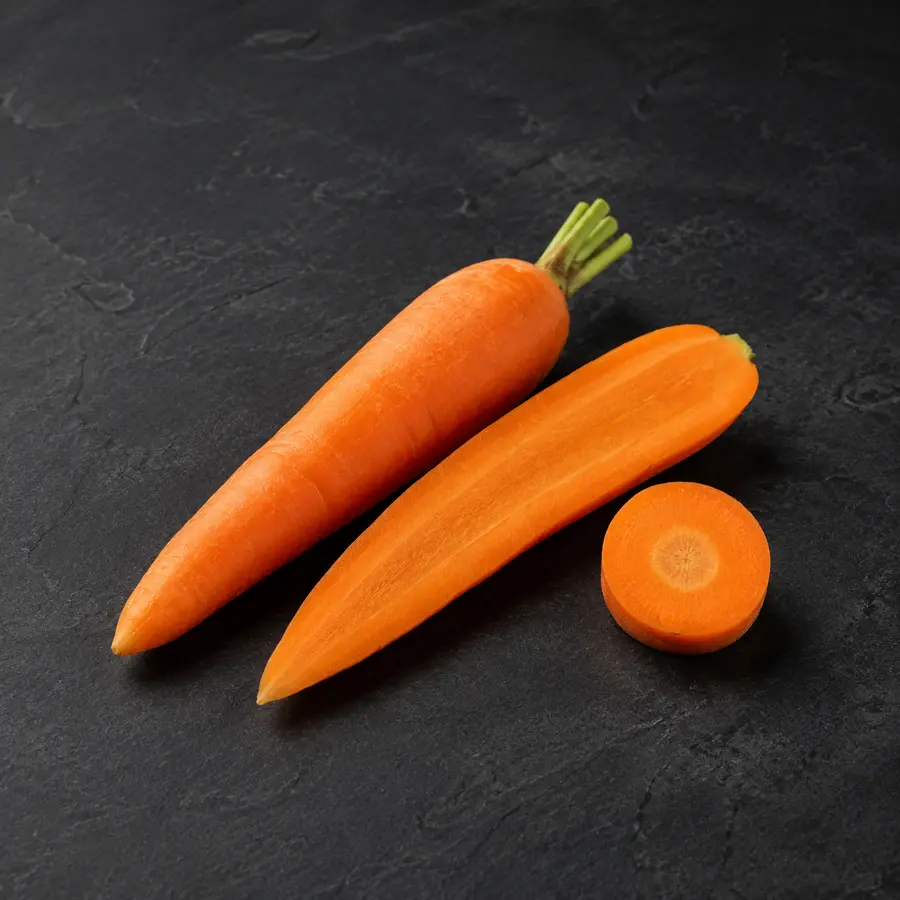
Carrot ingredient
Vegetables & Mushrooms#5

Carrot

Select and prepare carrots for clean sweetness, vivid colour and textures ranging from crisp raw cuts to tender purees.

Flavour profileRaw carrot is crisp, earthy and mildly sweet. Roasting concentrates sugar and creates caramel notes; simmering softens it…
Open full profile
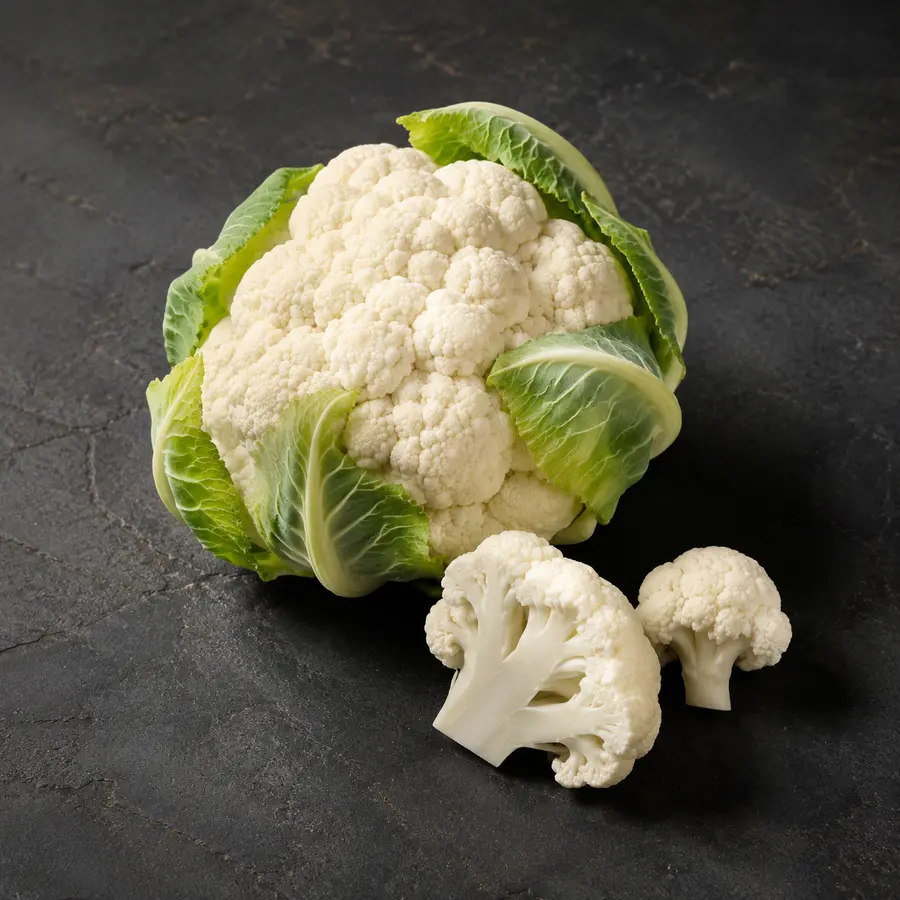
Cauliflower ingredient
Vegetables & Mushrooms#6

Cauliflower

Manage cauliflower moisture, sulphur aromas and browning for crisp florets, creamy purees and well-seasoned curries.

Flavour profileRaw cauliflower is firm, slightly peppery and vegetal. High-heat roasting adds nuttiness; prolonged boiling releases stronger sulphur aromas…
Open full profile
Aubergine ingredient
Vegetables & Mushrooms#7

Aubergine

Control aubergine oil absorption, bitterness and texture for silky curries, smoky purees and caramelised roasting.

Flavour profileRaw flesh is mild, firm and sometimes astringent. Browning adds savoury depth; charring the skin produces smoke, while…
Open full profile
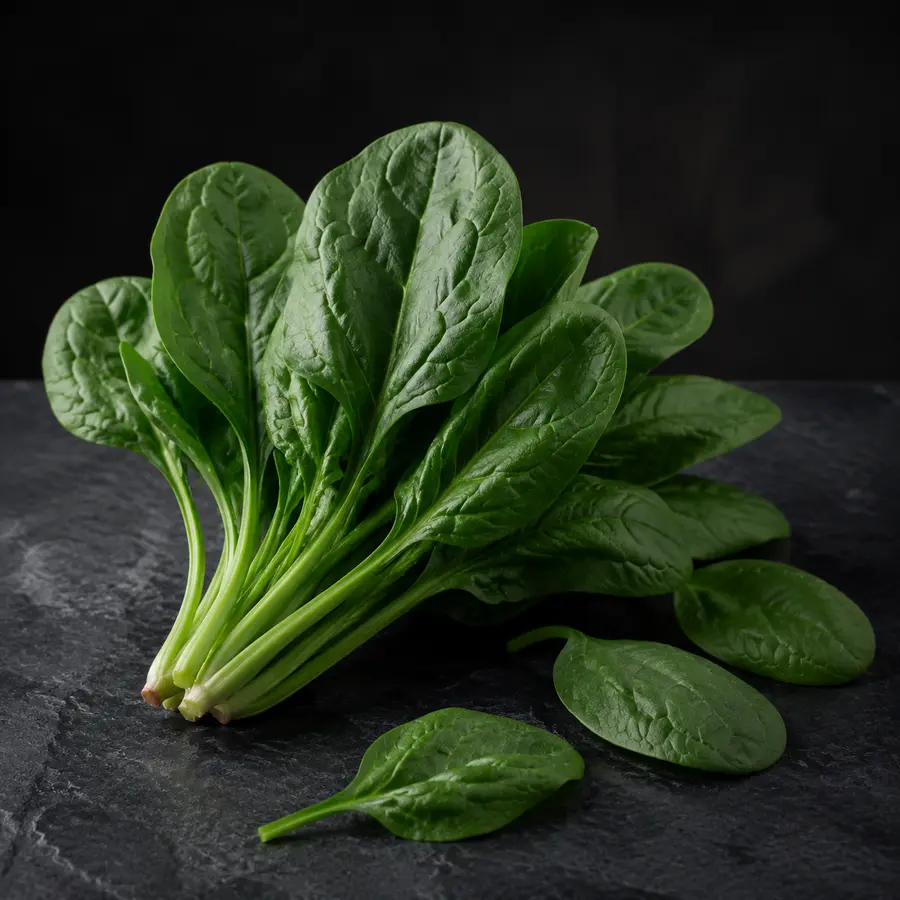
Spinach ingredient
Vegetables & Mushrooms#8

Spinach

Preserve spinach colour and clean flavour while managing grit, rapid wilting, moisture and safe storage.

Flavour profileYoung leaves are mild and slightly sweet; mature spinach tastes more mineral and earthy. Brief cooking creates tenderness,…
Open full profile
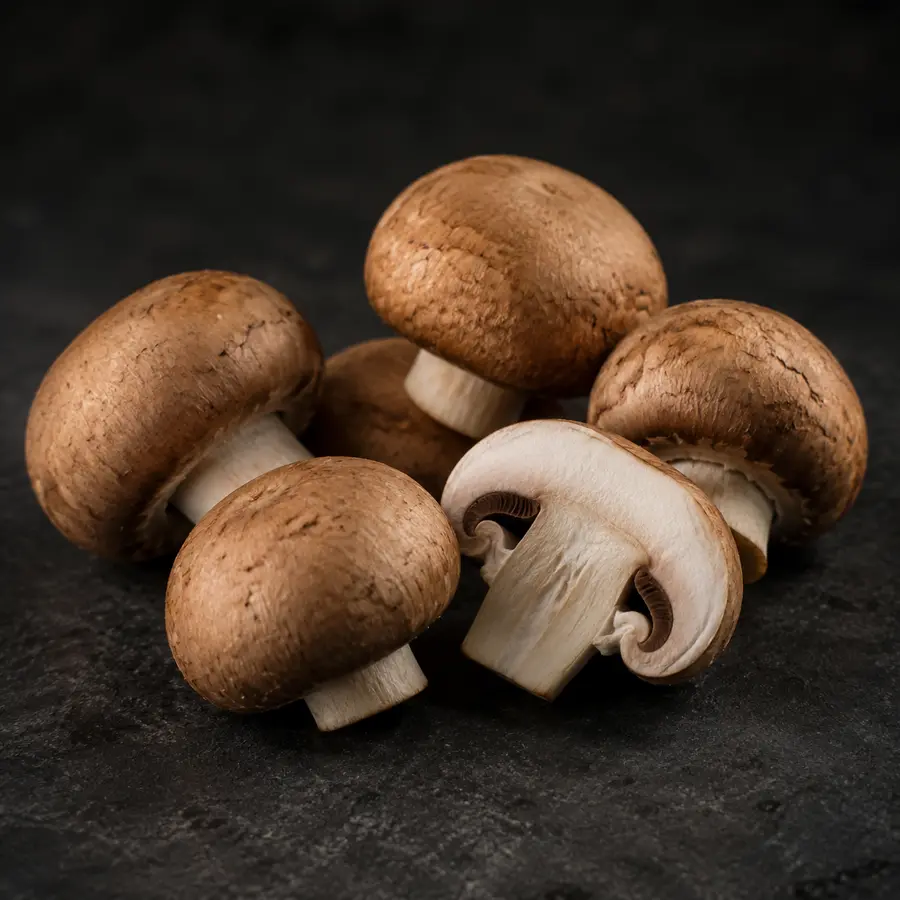
Mushroom ingredient
Vegetables & Mushrooms#9

Mushroom

Select, clean and brown culinary mushrooms while controlling absorbed water, pan crowding and species safety.

Flavour profileFresh mushrooms smell earthy and clean. High heat develops roasted savouriness; steaming makes them soft and pale. Species…
Open full profile
Bell Pepper ingredient
Vegetables & Mushrooms#10

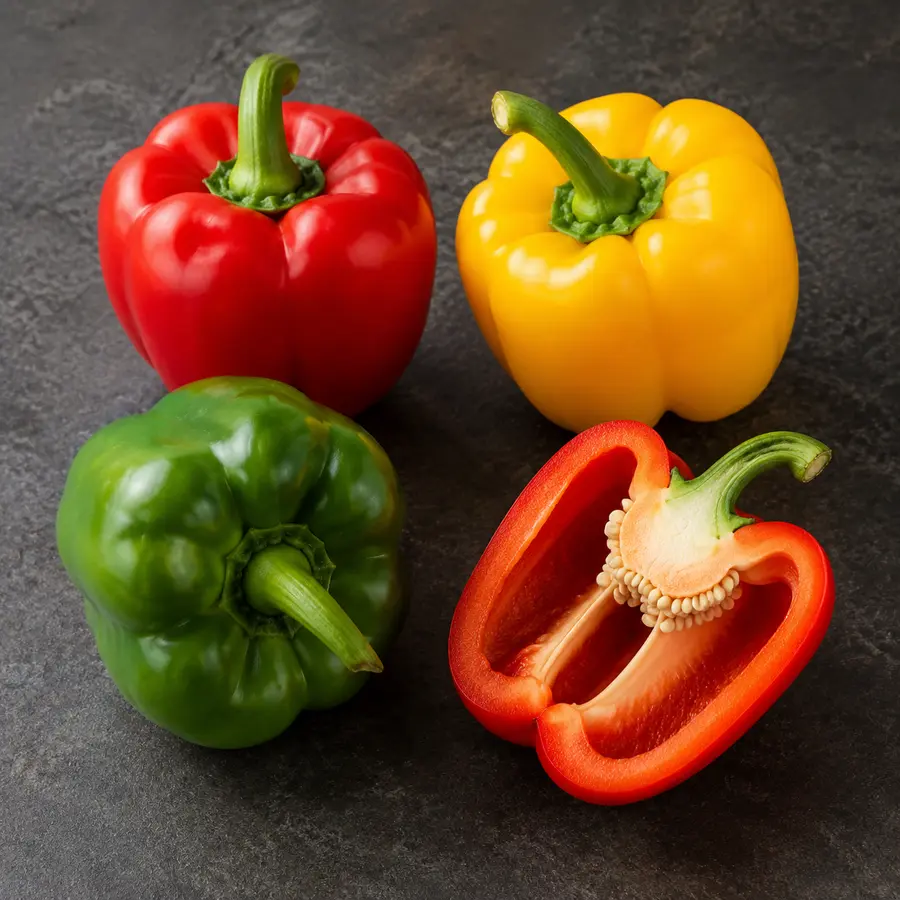
Bell Pepper

Use bell peppers raw, roasted or sautéed while controlling skin, water content, sweetness and colour.

Flavour profileGreen pepper is grassy and slightly bitter; ripe colours are sweeter and fruitier. Charring adds smoke and softens…
Open full profile
Lemon ingredient
Fruits & Citrus#11

Lemon

Use lemon zest, juice and segments precisely to add aroma and acidity without excessive bitterness.

Flavour profileThe zest is floral and intensely lemony; juice is bright and sour; white pith is bitter. Heat softens…
Open full profile
Lime ingredient
Fruits & Citrus#12

Lime

Select and use lime for aromatic acidity in curries, dressings, marinades and drinks without making food harsh.

Flavour profileLime is usually sharper and more floral than lemon, with resinous peel oils and a clean sour finish.…
Open full profile
Apple ingredient
Fruits & Citrus#13

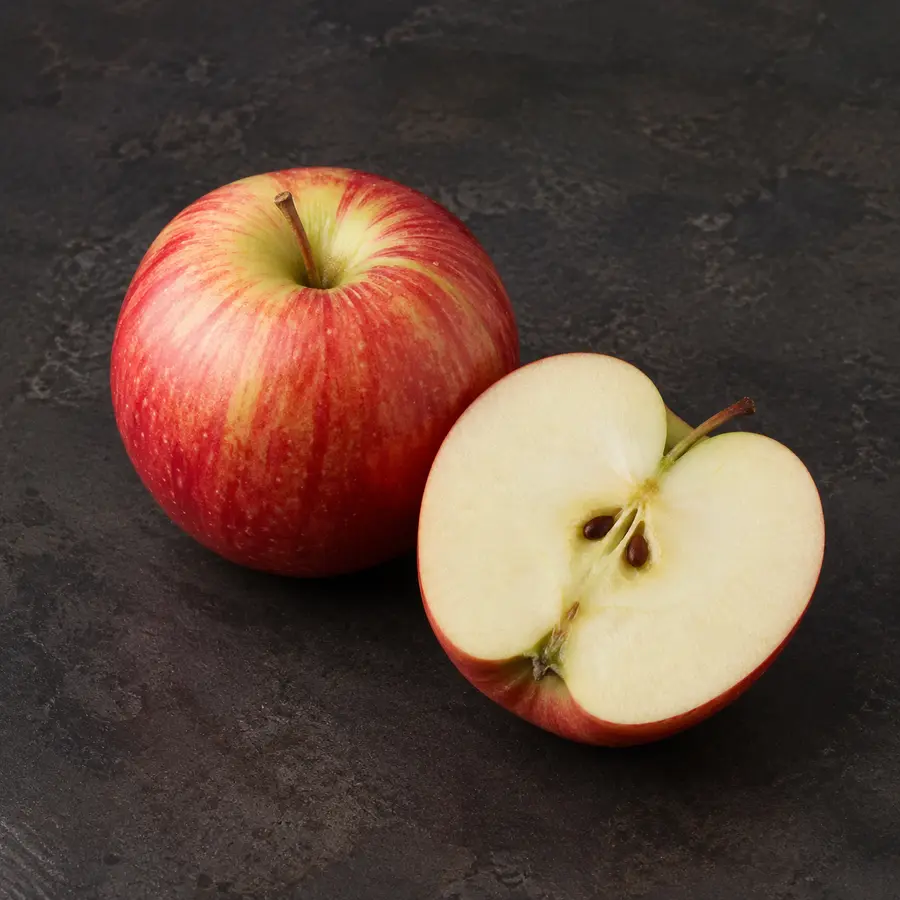
Apple

Match apple variety to raw, baking, sauce or savoury uses while managing browning, texture and storage.

Flavour profileFresh apple may be floral, honeyed, tart or tannic. Cooking softens cell structure and concentrates sweetness; some varieties…
Open full profile
Banana ingredient
Fruits & Citrus#14

Banana

Use banana at the correct ripeness for eating, baking, frying and freezing while preventing avoidable waste.

Flavour profileGreen banana is starchy and firm; yellow fruit is creamy and mildly sweet; heavily spotted fruit is aromatic,…
Open full profile
Mango ingredient
Fruits & Citrus#15

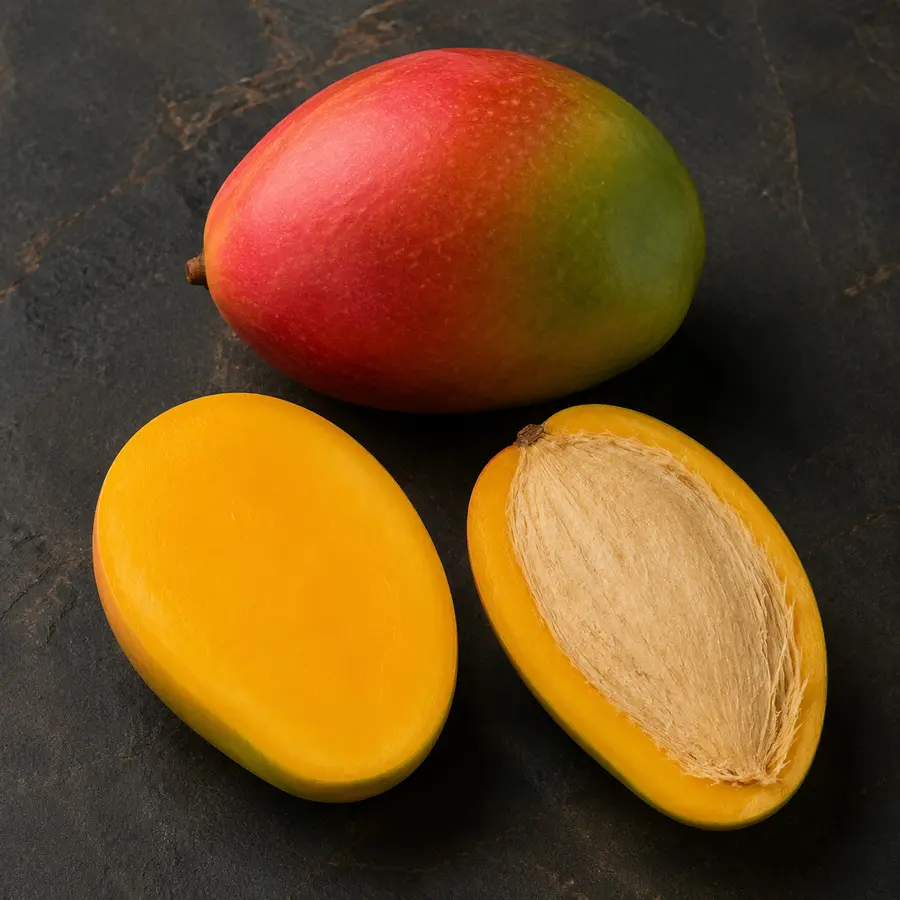
Mango

Judge mango ripeness by aroma and feel, then cut, store and pair it for sweet, savoury and pickled applications.

Flavour profileUnripe mango is firm, sour and resinous; ripe fruit becomes juicy, sweet and floral. Some cultivars are nearly…
Open full profile
Pineapple ingredient
Fruits & Citrus#16

Pineapple

Select, trim and use pineapple while balancing acidity, sweetness, fibrous core and its effect on proteins and gelatin.

Flavour profileRipe pineapple is sweet-tart and highly aromatic. The core is firmer and less juicy; grilling intensifies caramel notes…
Open full profile
Avocado ingredient
Fruits & Citrus#17

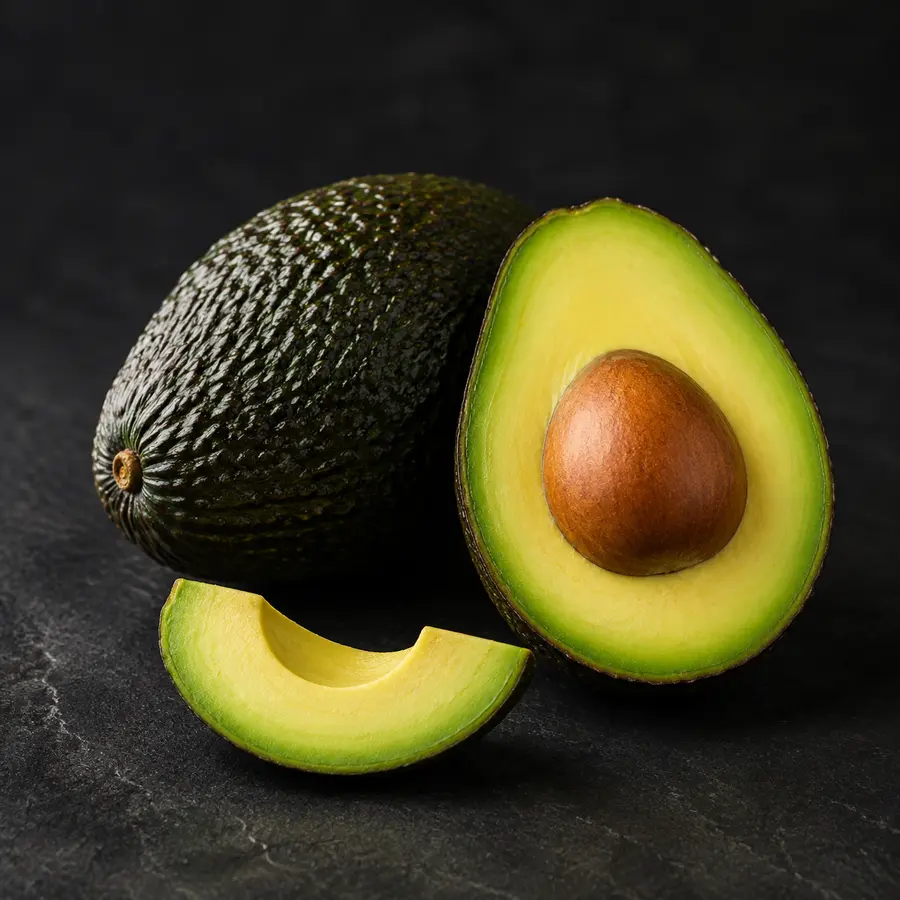
Avocado

Select, ripen and handle avocado for clean green colour, creamy texture and safe preparation.

Flavour profileRipe flesh is buttery, mild and slightly nutty. Underripe avocado is rubbery and grassy; overripe flesh becomes watery,…
Open full profile
Coconut ingredient
Fruits & Citrus#18

Coconut

Understand fresh coconut, milk, cream and dried forms so fat content, sweetness and texture work correctly in a recipe.

Flavour profileWater is light and mildly sweet; mature meat is rich, chewy and nutty. Coconut milk is an emulsion…
Open full profile
Orange ingredient
Fruits & Citrus#19

Orange

Use orange juice, zest and segments with controlled sweetness, acidity and bitterness in sweet and savoury cooking.

Flavour profileZest is floral and intensely aromatic; flesh is sweet-tart; pith and seeds are bitter. Reduction concentrates both sugar…
Open full profile
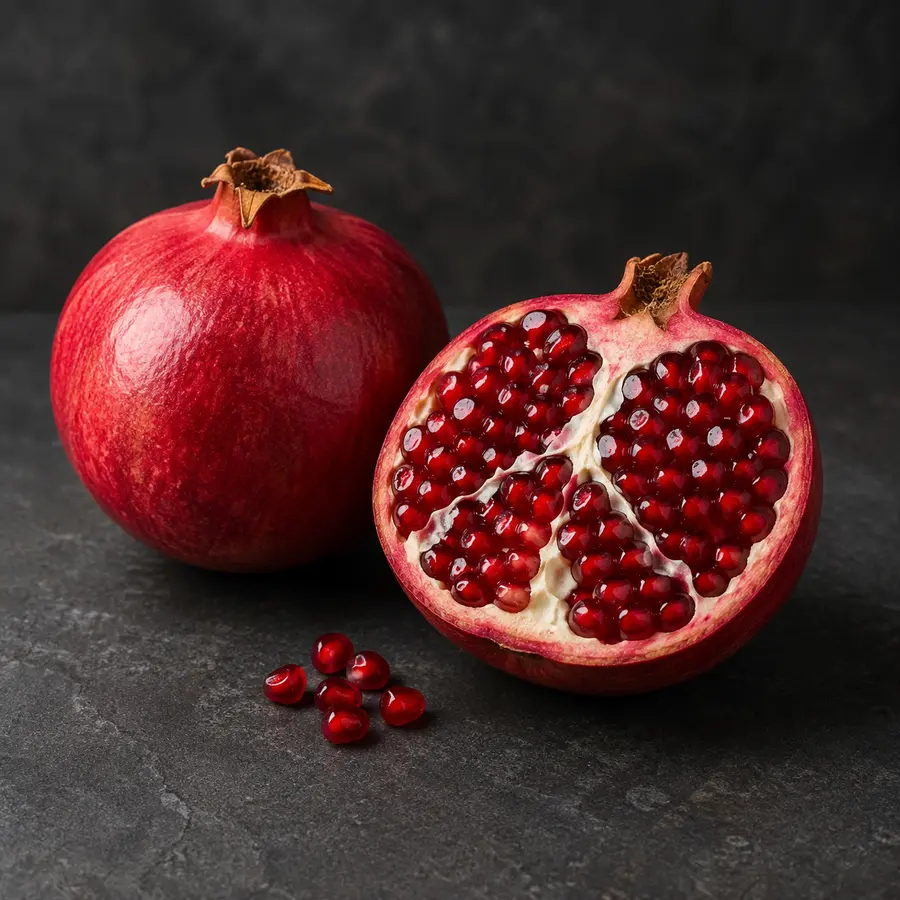
Pomegranate ingredient
Fruits & Citrus#20

Pomegranate

Open and use pomegranate arils, juice and molasses while controlling tannin, stains, sweetness and acidity.

Flavour profileArils burst with sweet-tart juice and a slight tannic finish. The white membrane is bitter; reduced juice becomes…
Open full profile
Coriander Leaves ingredient
Herbs & Leafy Aromatics#21

Coriander Leaves

Keep coriander leaves aromatic and bright by selecting fresh bunches, removing grit and adding them at the correct cooking stage.

Flavour profileLeaves are citrusy, green and slightly peppery, while tender stems are more concentrated. Prolonged heat removes freshness and…
Open full profile
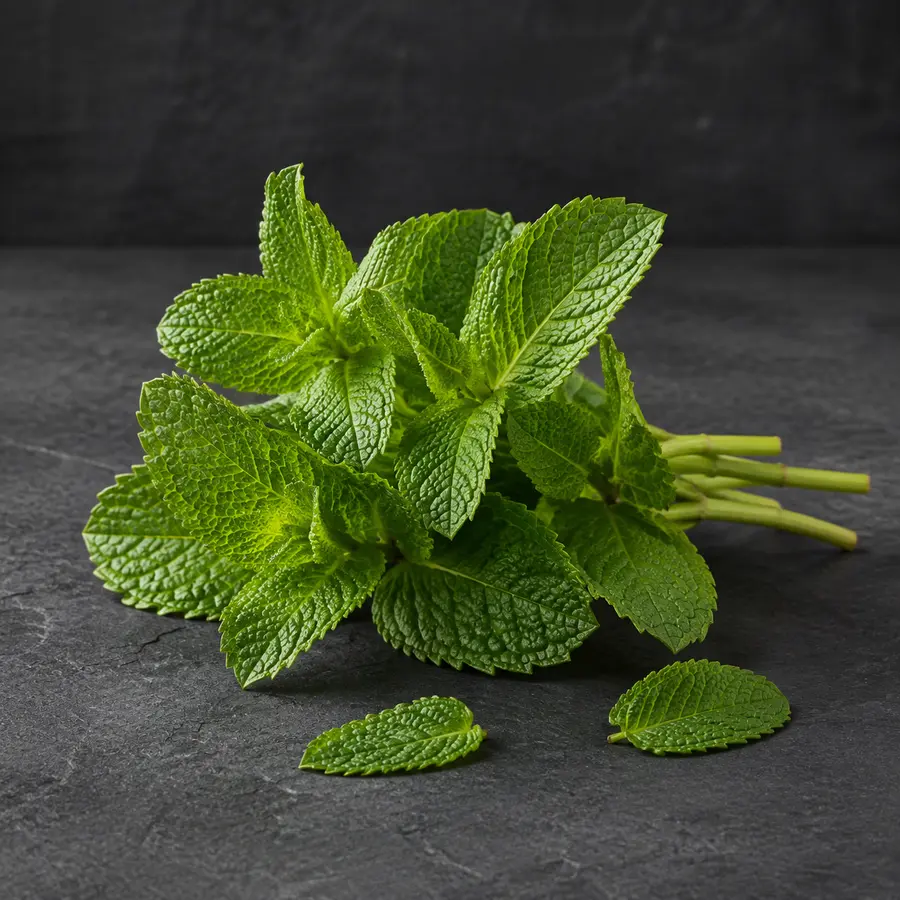
Mint ingredient
Herbs & Leafy Aromatics#22

Mint

Preserve mint’s cooling aroma and tender colour in chutneys, salads, drinks, yogurt and cooked dishes.

Flavour profileFresh spearmint is cooling, sweet and green. Bruising releases aroma quickly but also accelerates darkening; extended cooking drives…
Open full profile
Basil ingredient
Herbs & Leafy Aromatics#23

Basil

Select, cut and add basil so its sweet peppery aroma survives in pesto, tomato dishes, curries and salads.

Flavour profileSweet basil is floral, peppery and lightly clove-like. Thai basil is firmer with anise notes. Heat quickly softens…
Open full profile
Flat-Leaf Parsley ingredient
Herbs & Leafy Aromatics#24

Flat-Leaf Parsley

Use flat-leaf parsley as a clean green seasoning, not just decoration, with correct washing, cutting and timing.

Flavour profileParsley tastes clean, grassy and gently peppery. Stems are more concentrated; prolonged cooking softens aroma but they remain…
Open full profile
Thyme ingredient
Herbs & Leafy Aromatics#25

Thyme

Use fresh or dried thyme with controlled quantity and cooking time to build savoury depth without woody bitterness.

Flavour profileIts flavour is earthy, herbal, lightly minty and sometimes lemony. Dried thyme is more concentrated by volume and…
Open full profile
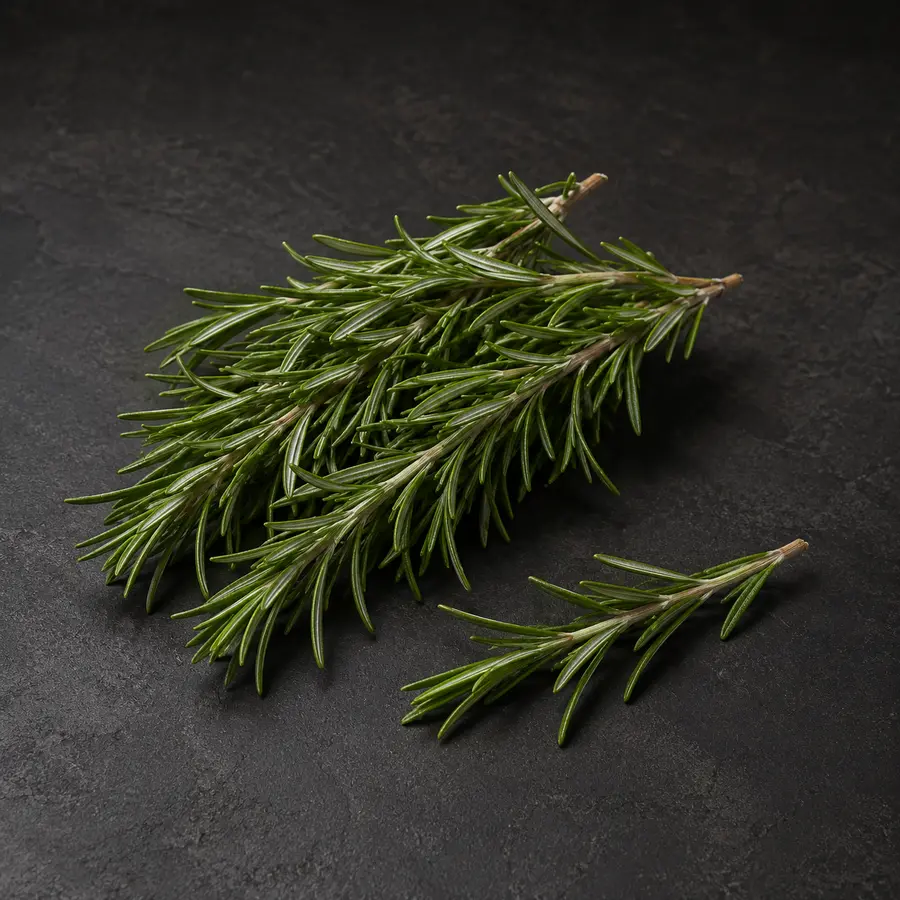
Rosemary ingredient
Herbs & Leafy Aromatics#26

Rosemary

Control rosemary’s powerful resinous aroma in roasting, grilling, bread and oils without creating tough needles or bitterness.

Flavour profileIt is piney, resinous, peppery and slightly camphorous. Young tips are softer; old needles and stems can be…
Open full profile
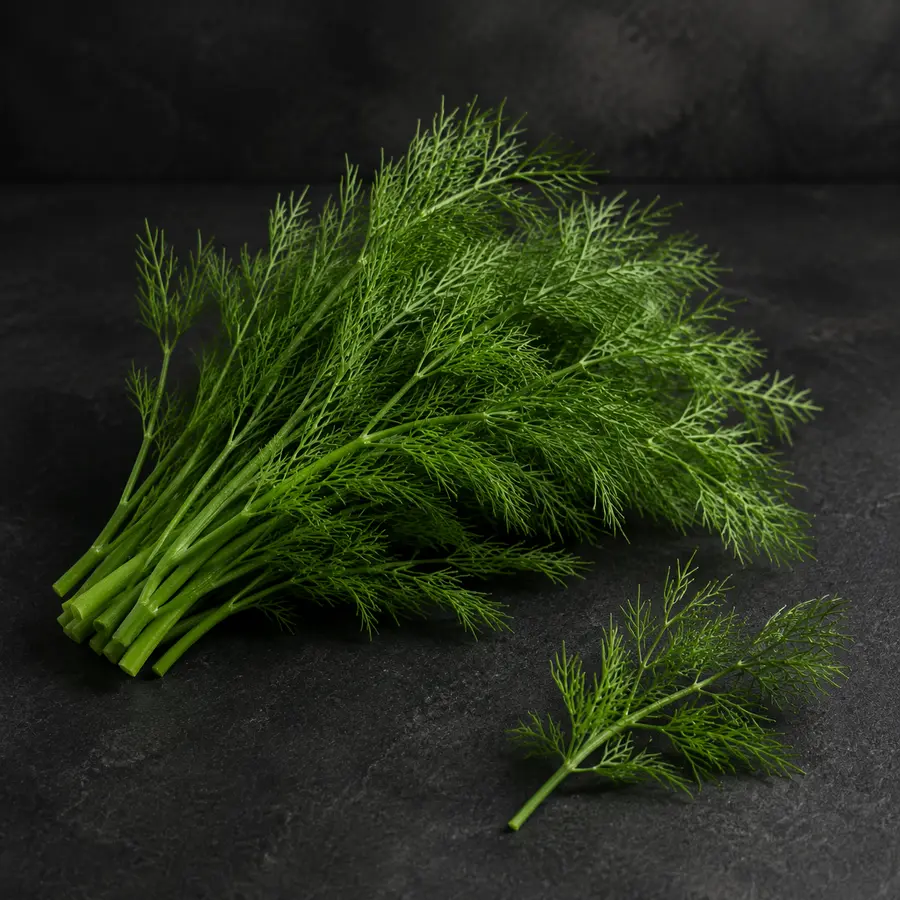
Dill ingredient
Herbs & Leafy Aromatics#27

Dill

Protect dill’s feathery texture and anise-like freshness in fish, potatoes, yogurt, pickles and salads.

Flavour profileFresh dill is grassy, citrusy and lightly anise-like. The seed is warmer and more caraway-like. Fronds lose aroma…
Open full profile
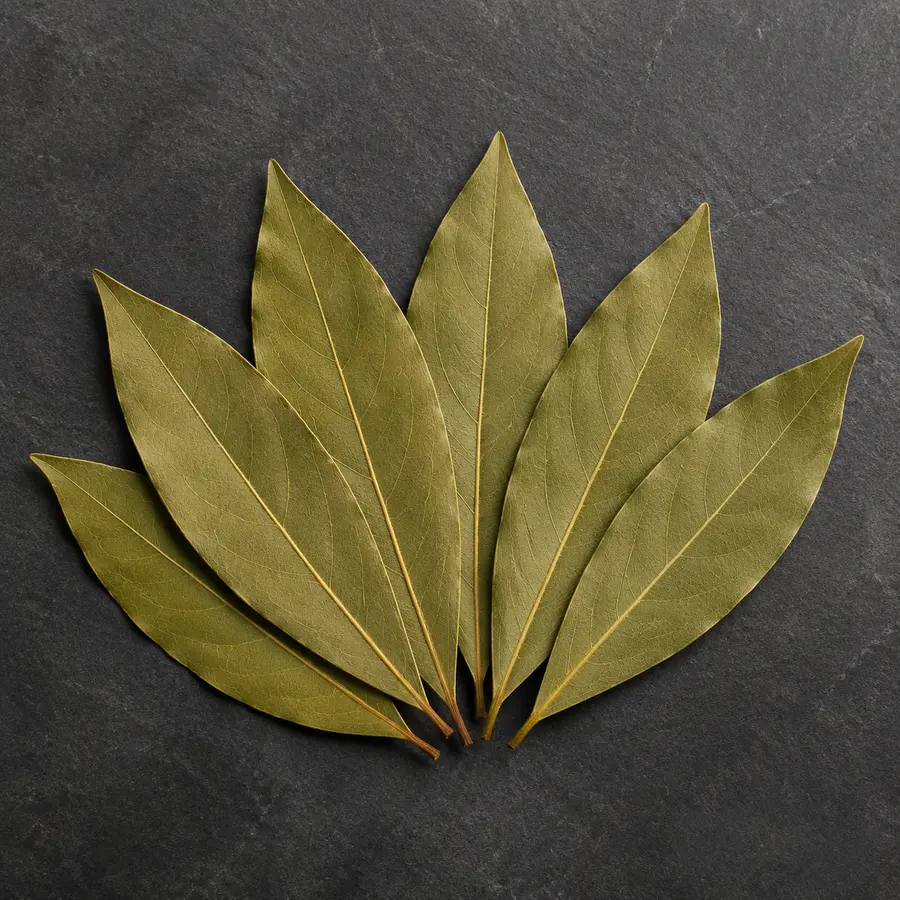
Mediterranean Bay Leaf ingredient
Herbs & Leafy Aromatics#28

Mediterranean Bay Leaf

Distinguish Mediterranean bay from other leaves and extract its aroma safely in stocks, braises, rice and sauces.

Flavour profileBay is woody, eucalyptus-like, floral and subtly bitter. Dried leaves are often more balanced than fresh; slow moisture…
Open full profile
Curry Leaves ingredient
Herbs & Leafy Aromatics#29

Curry Leaves

Use curry leaves as a distinct citrusy aromatic through tempering, simmering and correct storage rather than treating them as curry powder.

Flavour profileLeaves are citrusy, nutty and slightly resinous. Hot fat releases their aroma rapidly; dried leaves are usually much…
Open full profile
Lemongrass ingredient
Herbs & Leafy Aromatics#30

Lemongrass

Prepare lemongrass correctly by exposing its tender core and matching sliced, pounded or infused forms to the dish.

Flavour profileIt smells lemony, floral and lightly ginger-like without the same acidity as citrus juice. The outer layers are…
Open full profile
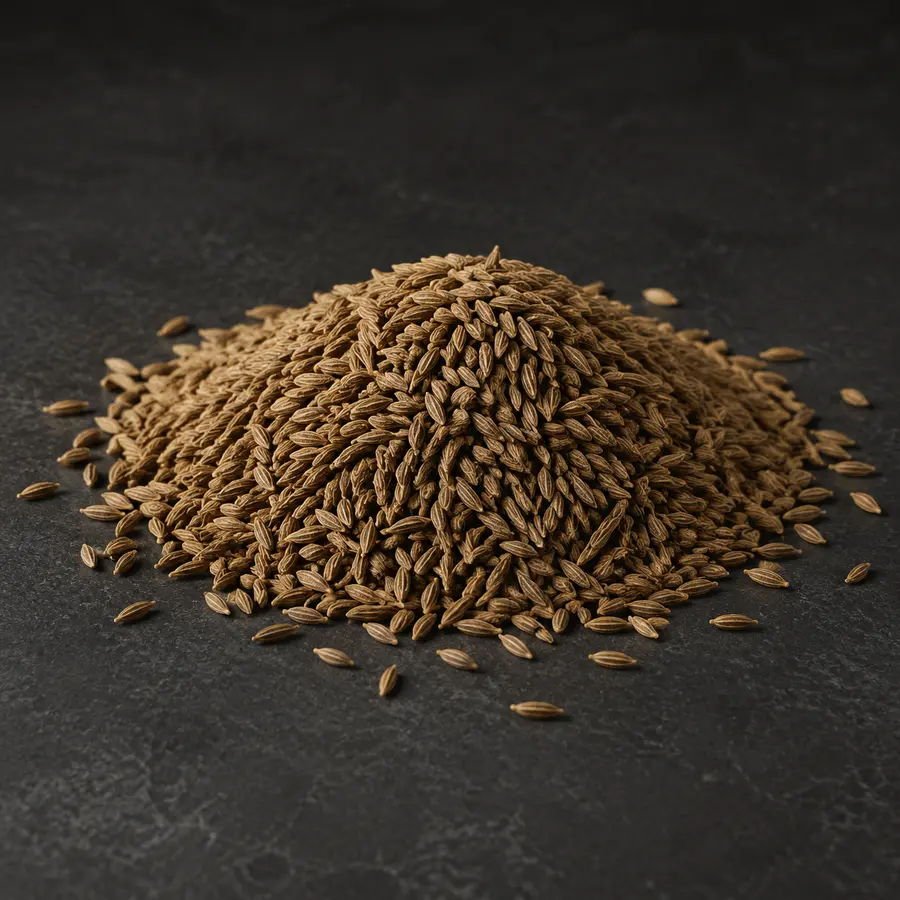
Cumin Seed ingredient
Spices & Seasonings#31

Cumin Seed

Toast, grind and bloom cumin with precise heat to develop earthy aroma without dusty or burnt bitterness.

Flavour profileCumin is earthy, warm, nutty and slightly bitter. Dry toasting adds roasted aroma; frying whole seed in fat…
Open full profile
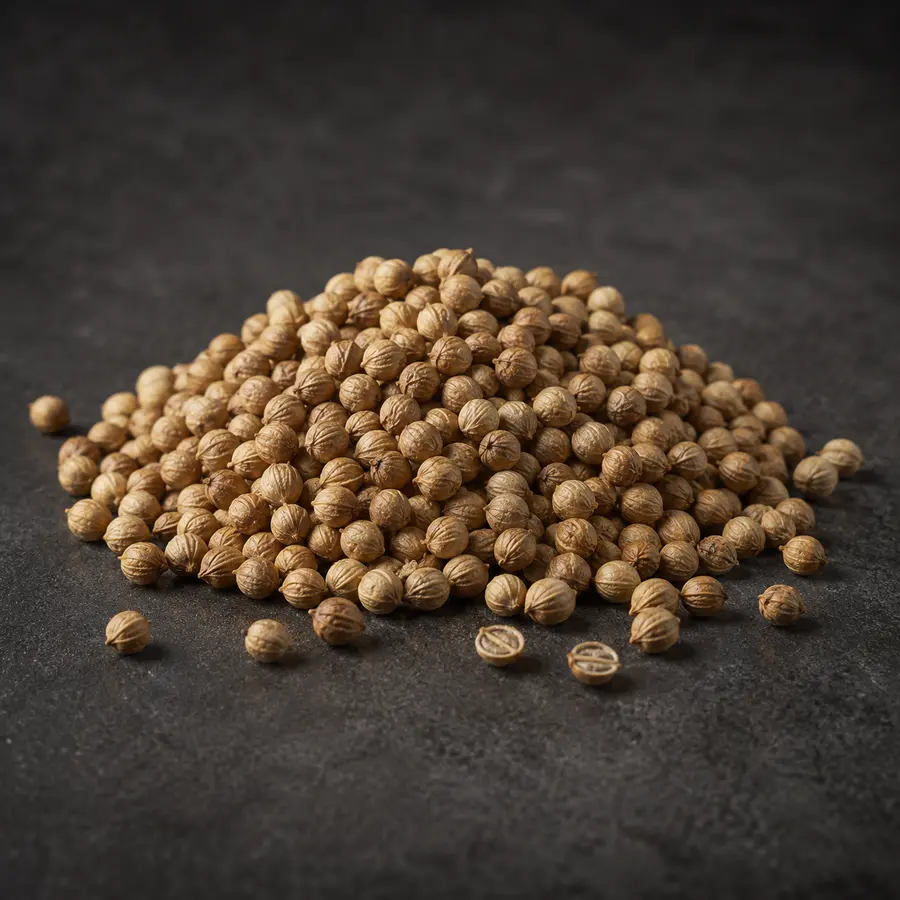
Coriander Seed ingredient
Spices & Seasonings#32

Coriander Seed

Use coriander seed’s citrusy warmth through correct toasting, grinding and pairing in curries, pickles and rubs.

Flavour profileWhole seed is citrusy, floral, warm and lightly nutty. Toasting makes it rounder and sweeter; stale powder tastes…
Open full profile
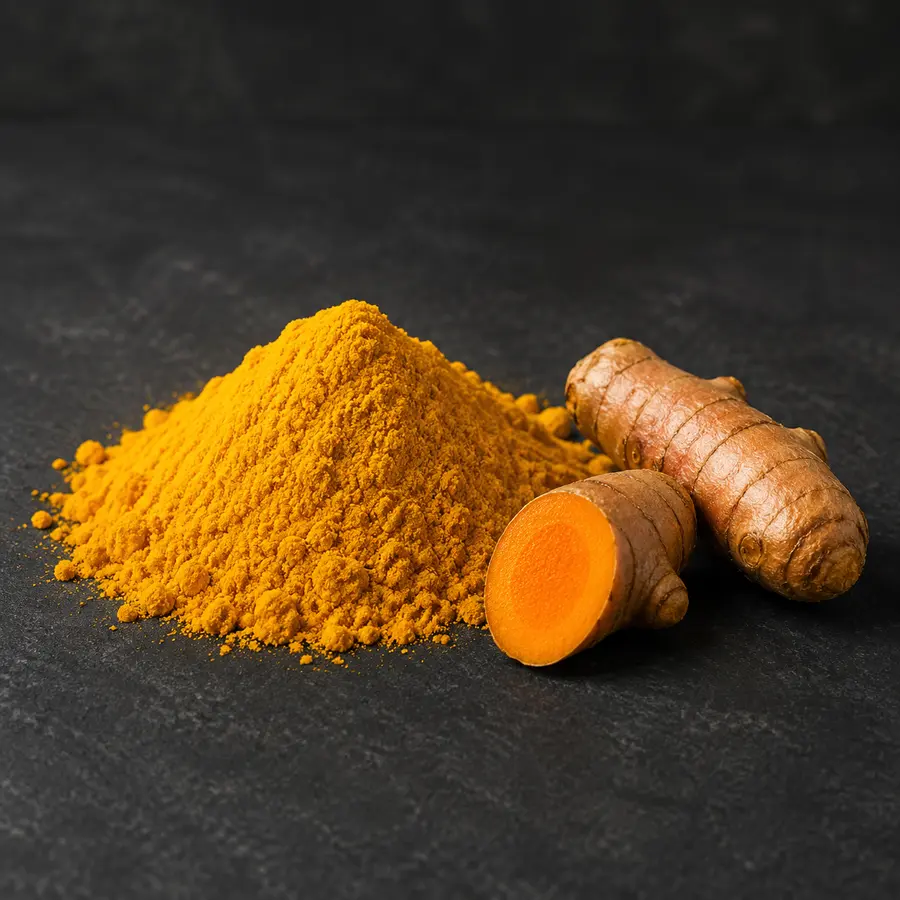
Turmeric ingredient
Spices & Seasonings#33

Turmeric

Handle fresh and ground turmeric for clean earthiness, colour and balanced cooking without raw chalkiness or staining errors.

Flavour profileGround turmeric is earthy, warm and slightly bitter; fresh rhizome is brighter and more ginger-like. Raw excess tastes…
Open full profile
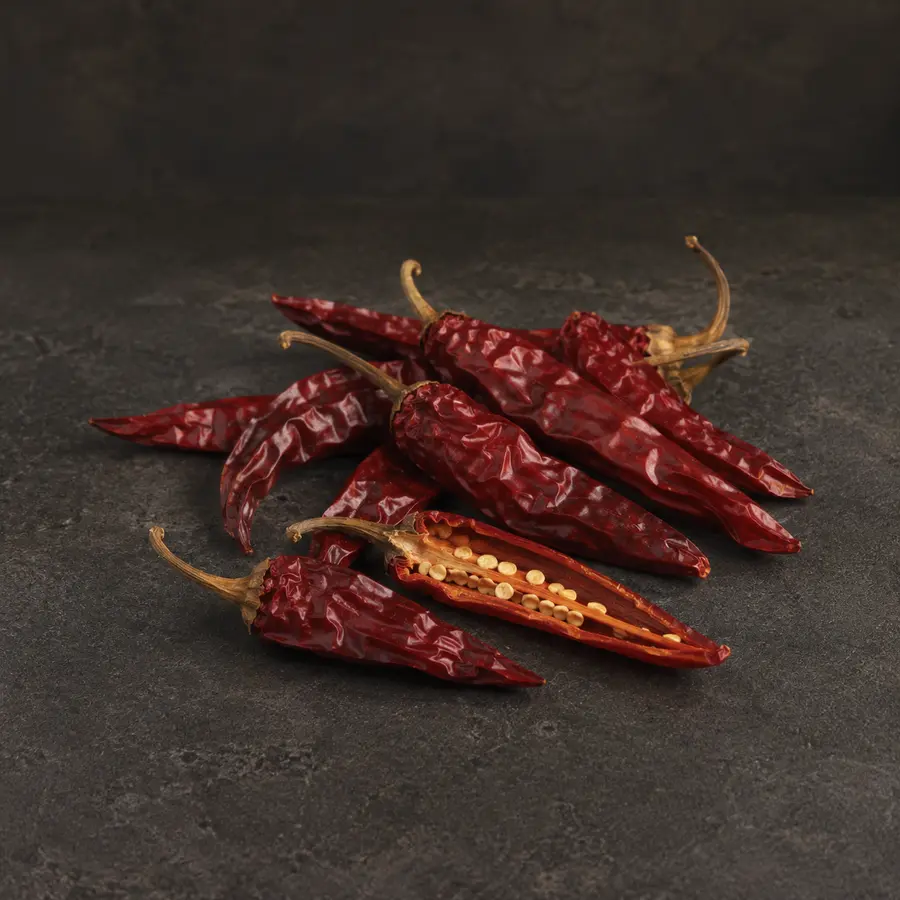
Dried Chilli ingredient
Spices & Seasonings#34

Dried Chilli

Select and use dried chilli by variety, heat, fruitiness and preparation rather than treating every chilli as interchangeable.

Flavour profileFlavour may include berry, tobacco, smoke, citrus or chocolate alongside capsaicin heat. Toasting releases aroma quickly but burning…
Open full profile
Black Pepper ingredient
Spices & Seasonings#35

Black Pepper

Use whole, cracked and ground black pepper at the stage that preserves its citrusy heat and avoids burnt bitterness.

Flavour profileFresh pepper is piney, citrusy, woody and sharply hot. Fine powder releases quickly and fades quickly; coarse cracks…
Open full profile
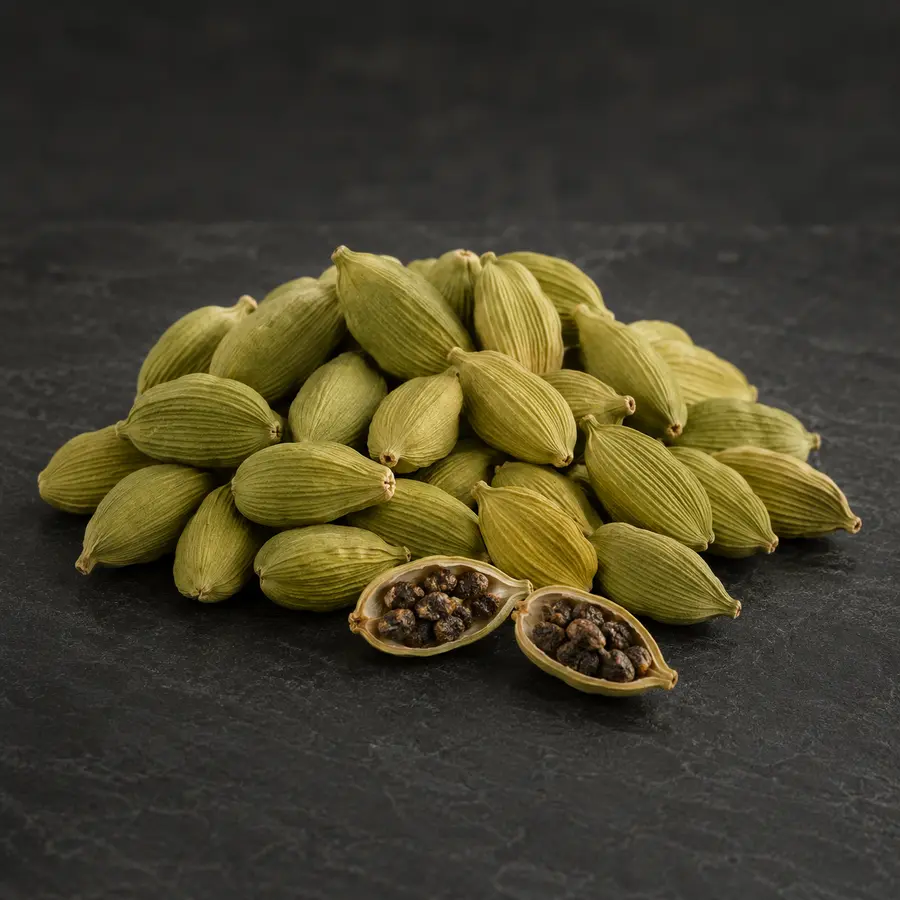
Green Cardamom ingredient
Spices & Seasonings#36

Green Cardamom

Open, toast and grind green cardamom so its floral eucalyptus aroma works in rice, curry, tea and pastry.

Flavour profileIt is floral, citrusy, sweet and eucalyptus-like. Seeds are strongest; dry pale empty pods contribute little, and excess…
Open full profile
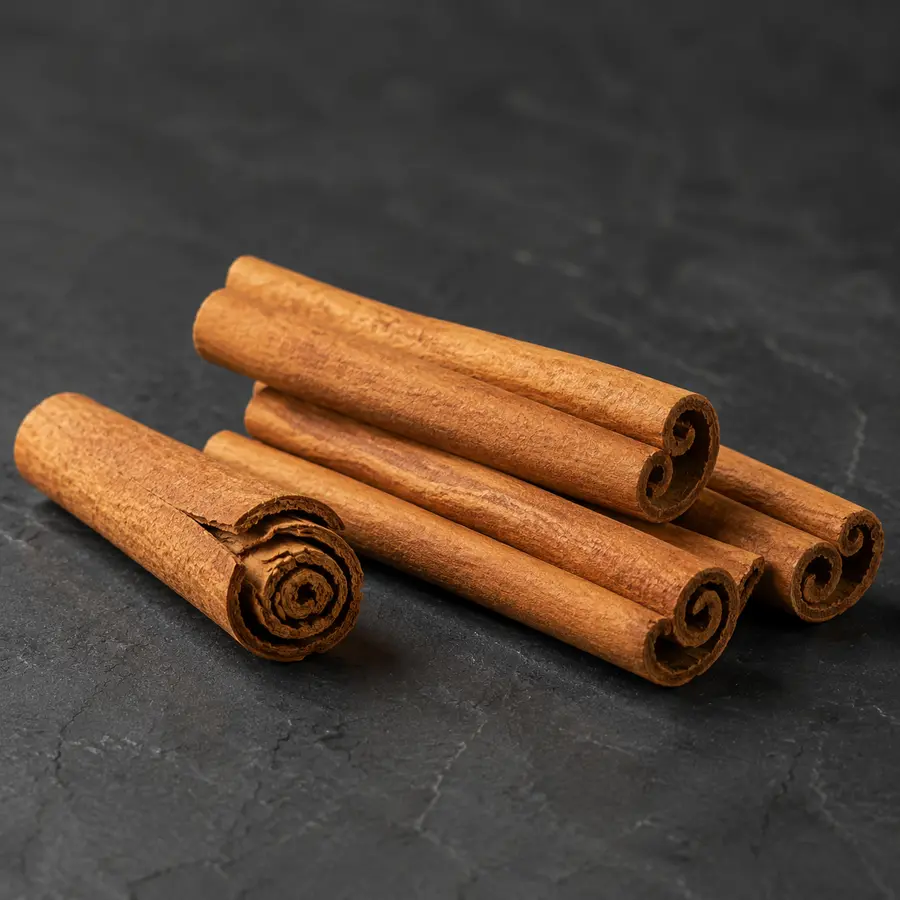
Cinnamon ingredient
Spices & Seasonings#37

Cinnamon

Distinguish cinnamon types and use sticks or powder at the right stage for warm sweetness without woody excess.

Flavour profileCeylon cinnamon is delicate, floral and citrusy; cassia is darker, hotter and more forceful. Long infusion gives woodiness…
Open full profile
Fenugreek Seed ingredient
Spices & Seasonings#38

Fenugreek Seed

Control fenugreek seed’s maple aroma and firm bitterness through measured toasting, soaking and grinding.

Flavour profileThe seed is bitter, nutty and maple-like. Gentle toasting rounds aroma, while dark toasting makes bitterness severe and…
Open full profile
Mustard Seed ingredient
Spices & Seasonings#39

Mustard Seed

Temper mustard seed safely and use yellow, brown or black varieties according to heat, pungency and texture.

Flavour profileDry seed is mild; crushed seed with cool liquid becomes sharp and hot. Tempered seeds taste nutty and…
Open full profile
Timur (Nepalese Sichuan Pepper) ingredient
Spices & Seasonings#40

Timur (Nepalese Sichuan Pepper)

Use Nepalese timur for its grapefruit aroma and tingling sensation while distinguishing it from black pepper and related Sichuan species.

Flavour profileTimur is grapefruit-like, woody and floral with a tingling, mouth-numbing effect. Stale spice loses citrus aroma and leaves…
Open full profile
Basmati Rice ingredient
Grains, Flours & Starches#41

Basmati Rice

Rinse, soak and cook basmati rice for separate aromatic grains while controlling variety, water ratio and resting.

Flavour profileGood basmati smells floral and nutty, especially when aged. Cooked grains should be light and separate rather than…
Open full profile
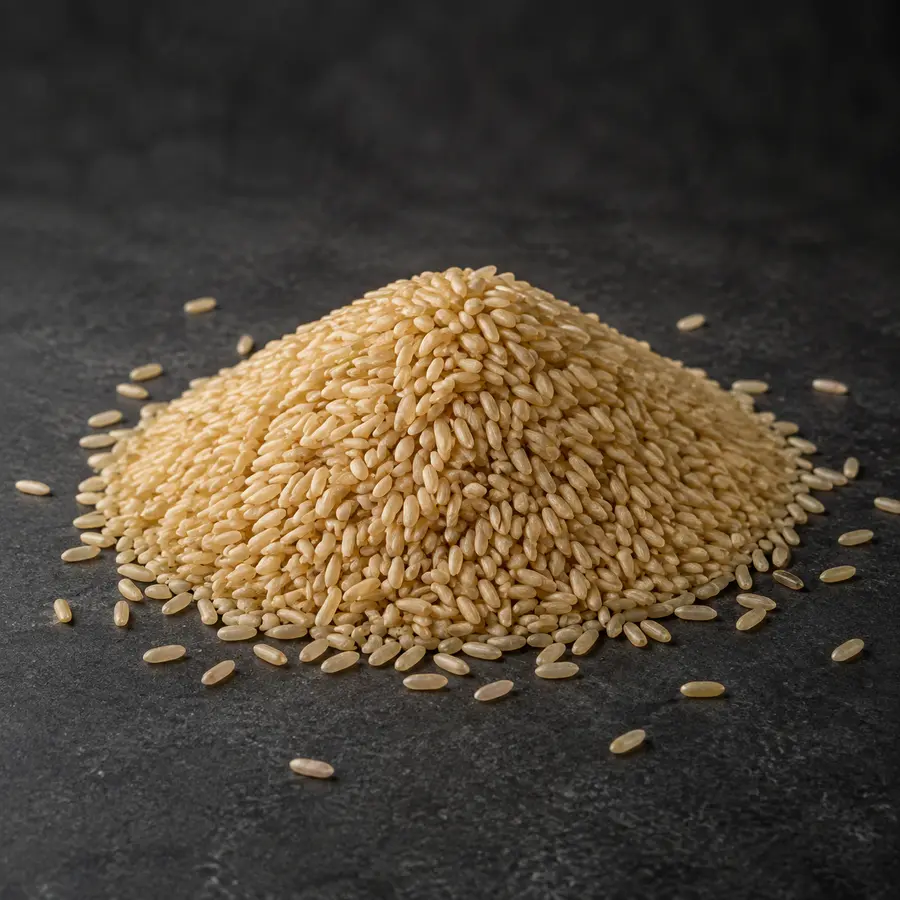
Brown Rice ingredient
Grains, Flours & Starches#42

Brown Rice

Cook and store brown rice with enough hydration for tender bran while protecting its natural oils from rancidity.

Flavour profileIt is nutty, earthy and firm. The bran slows water penetration, so undercooked brown rice remains hard even…
Open full profile
Quinoa ingredient
Grains, Flours & Starches#43

Quinoa

Rinse and cook quinoa for fluffy separate seeds without residual saponin bitterness or waterlogged texture.

Flavour profileIts flavour is earthy, grassy and mildly nutty. Natural saponins on some products taste bitter or soapy unless…
Open full profile
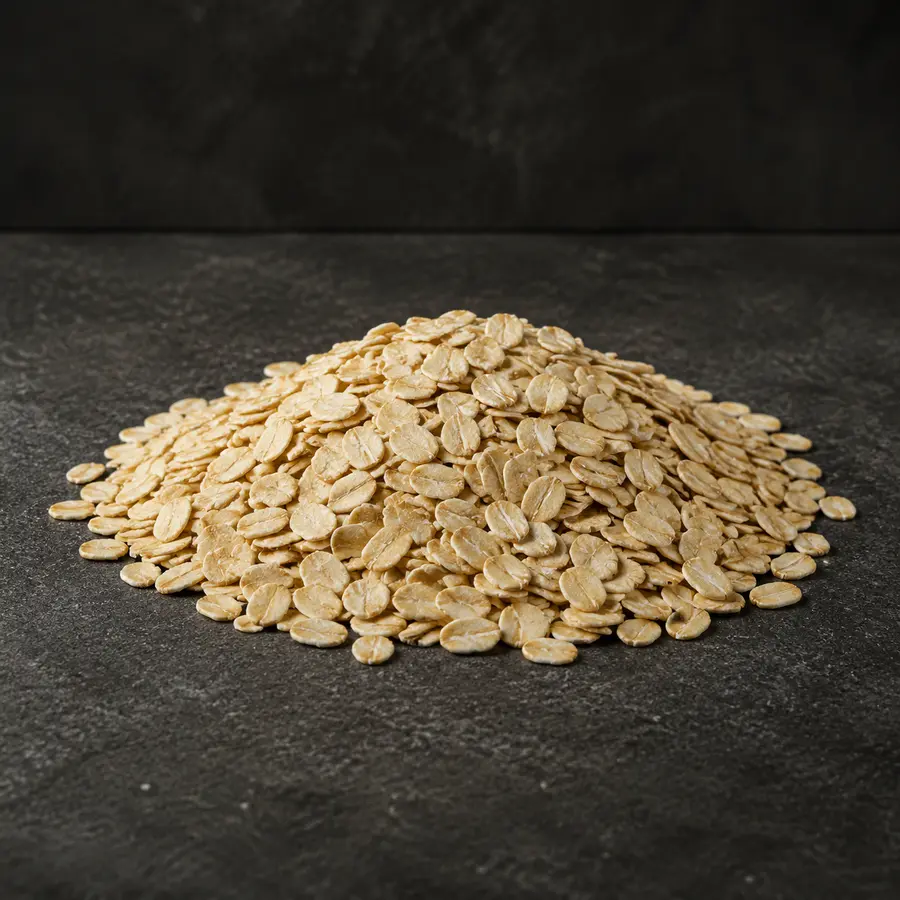
Rolled Oats ingredient
Grains, Flours & Starches#44

Rolled Oats

Choose and cook rolled oats for porridge, baking and savoury dishes while distinguishing them from instant and steel-cut forms.

Flavour profileOats taste gently sweet, nutty and cereal-like. Toasting strengthens nuttiness; overcooking produces gluey porridge as starch disperses.
Open full profile
Wheat Flour ingredient
Grains, Flours & Starches#45

Wheat Flour

Select wheat flour by protein level and use accurate weighing, hydration and mixing for bread, pastry, sauce and flatbread.

Flavour profileFresh flour smells mildly wheaty and sweet. Wholemeal is nuttier and absorbs more water; stale or rancid flour…
Open full profile
Rice Flour ingredient
Grains, Flours & Starches#46

Rice Flour

Use rice flour for crisp batters, noodles, sweets and gluten-free baking while managing its low protein and gritty hydration.

Flavour profileWhite rice flour is mild and slightly sweet; brown rice flour is nuttier. Fine milling gives smoother batters,…
Open full profile
Semolina ingredient
Grains, Flours & Starches#47

Semolina

Choose fine or coarse semolina for pasta, pudding, bread and coating while allowing enough hydration for a tender result.

Flavour profileIt tastes wheaty and mildly nutty. Fine semolina hydrates quickly; coarse grains retain more texture and can feel…
Open full profile
Cornmeal ingredient
Grains, Flours & Starches#48

Cornmeal

Match cornmeal grind to polenta, bread and coating, then cook long enough to hydrate every grain.

Flavour profileIt is sweet, earthy and distinctly corn-like. Toasting deepens nuttiness; insufficient cooking leaves a gritty raw texture.
Open full profile
Dried Pasta ingredient
Grains, Flours & Starches#49

Dried Pasta

Select pasta shape, salt water correctly and finish in sauce for an al dente centre and cohesive coating.

Flavour profileQuality pasta tastes clean and wheaty, with a firm bite. Surface roughness helps sauce cling; overcooking produces swollen…
Open full profile
Corn Starch ingredient
Grains, Flours & Starches#50

Corn Starch

Disperse and activate corn starch correctly for glossy sauces, crisp coatings and stable thickening without lumps or raw taste.

Flavour profileIt is nearly flavourless when properly cooked. Raw starch tastes chalky, and prolonged boiling or strong acid can…
Open full profile
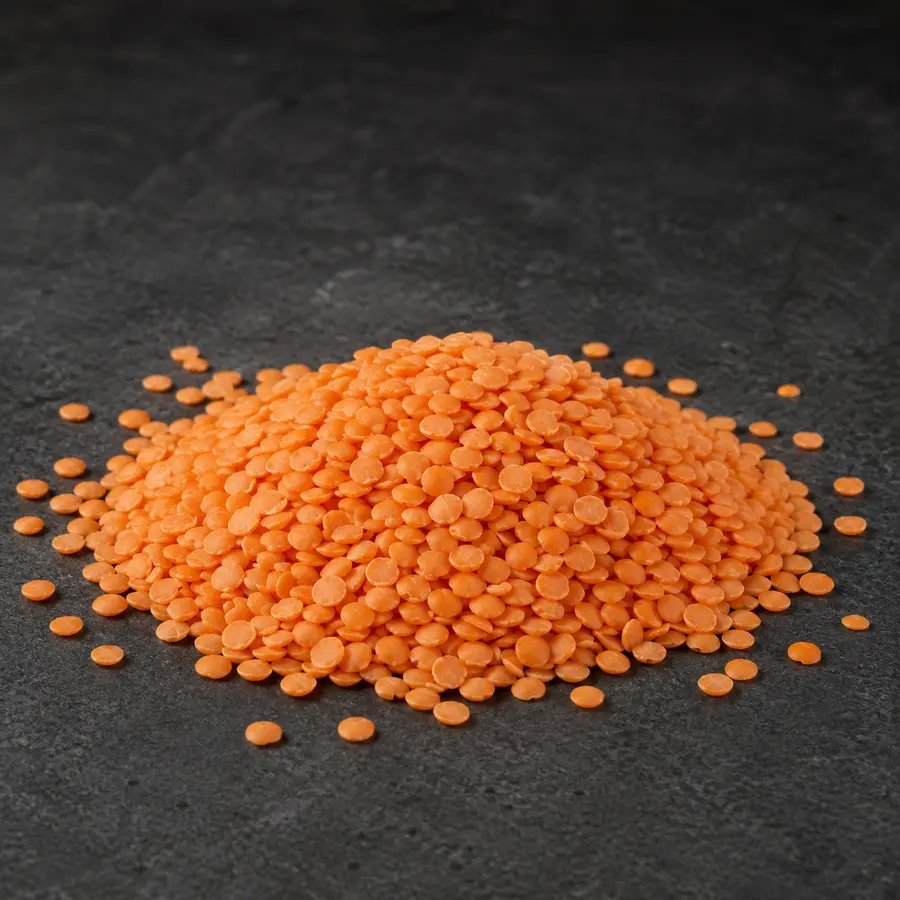
Red Lentils ingredient
Pulses, Beans & Plant Proteins#51

Red Lentils

Cook red lentils into smooth dal, soup and puree while controlling rinsing, foaming, acidity and final thickness.

Flavour profileThey are mild, earthy and slightly sweet. Toasted spices and aromatics carry the flavour; overcooked lentils thicken dramatically…
Open full profile
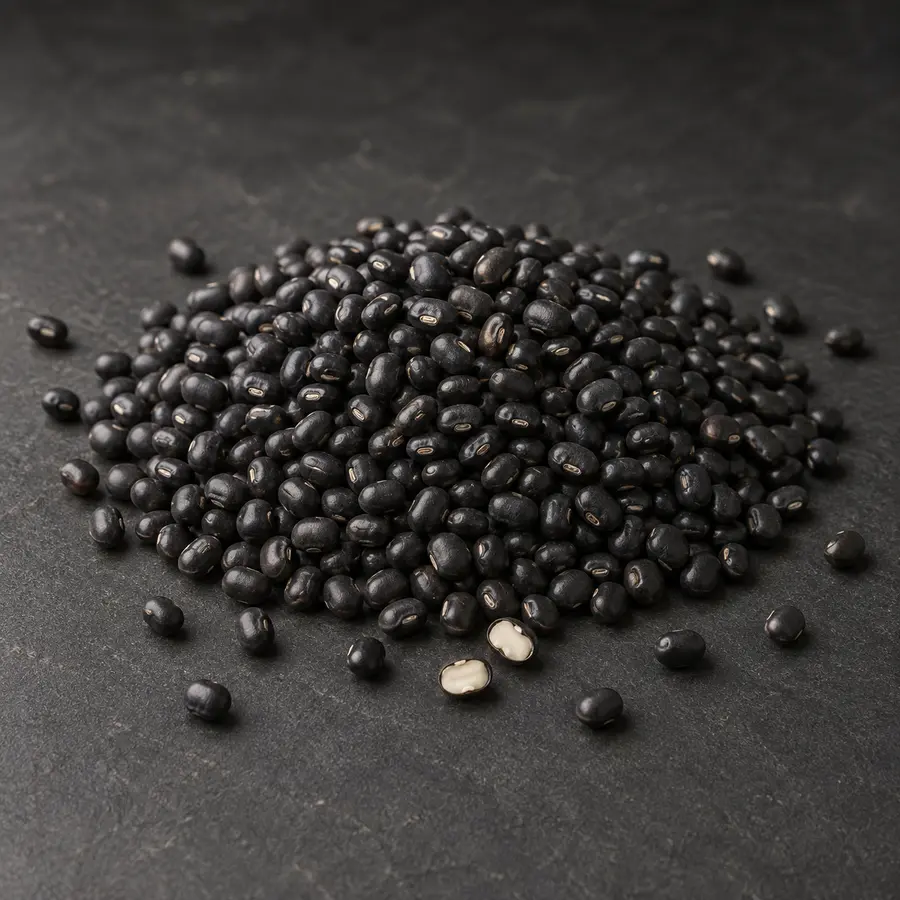
Black Lentils (Urad) ingredient
Pulses, Beans & Plant Proteins#52

Black Lentils (Urad)

Soak and slow-cook whole urad for creamy dal while preserving skins and controlling dairy, salt and acidity.

Flavour profileIt is earthy, nutty and rich, becoming creamy with extended cooking while intact skins add texture.
Open full profile
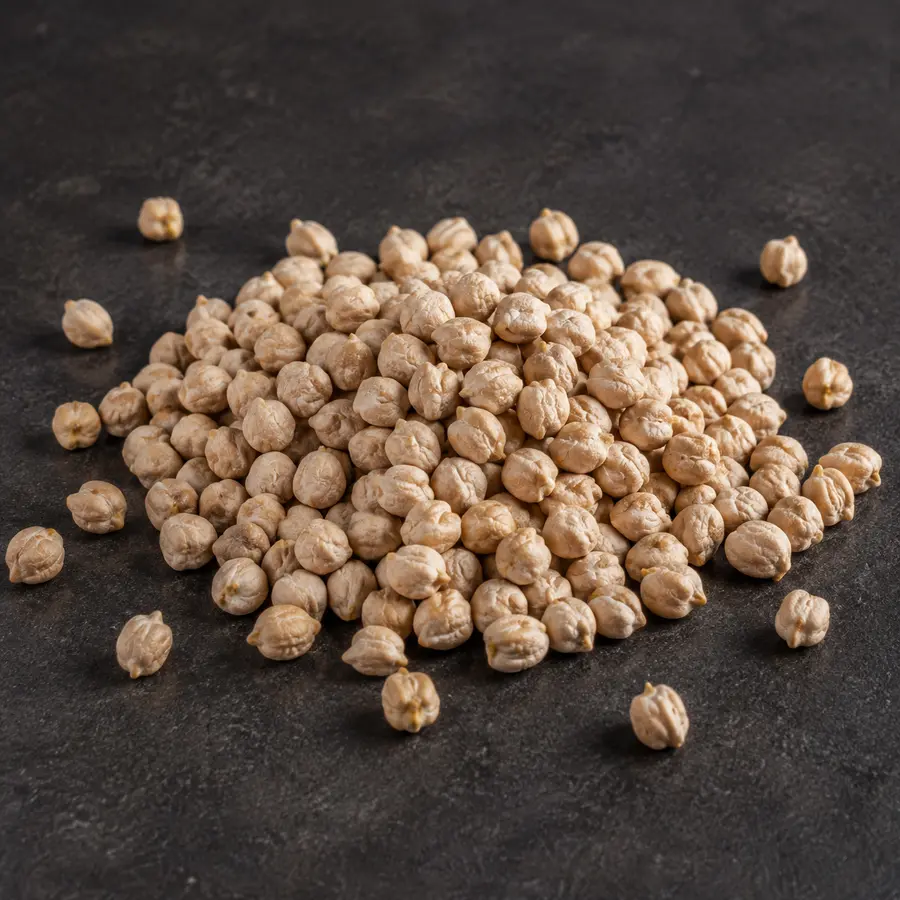
Chickpeas ingredient
Pulses, Beans & Plant Proteins#53

Chickpeas

Soak, cook and season chickpeas for tender centres, intact skins and smooth hummus while using canned products correctly.

Flavour profileCooked chickpeas are nutty, creamy inside and lightly firm at the skin. Older dried beans remain hard longer;…
Open full profile
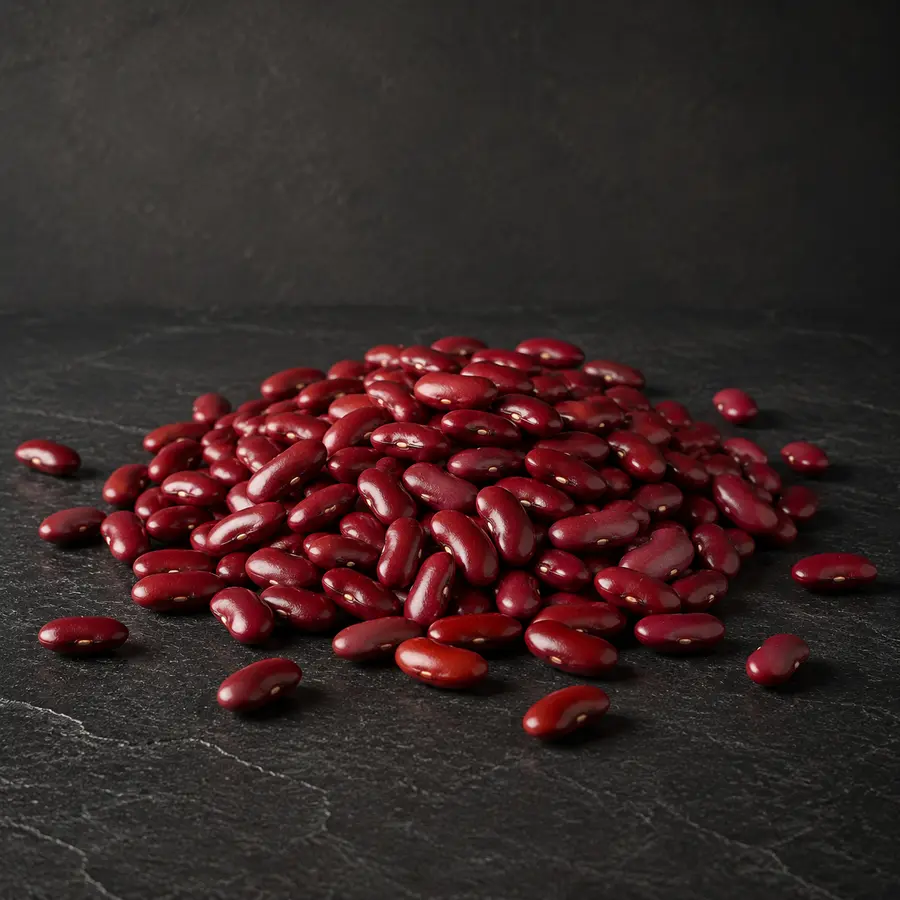
Kidney Beans ingredient
Pulses, Beans & Plant Proteins#54

Kidney Beans

Prepare kidney beans safely with correct soaking and vigorous boiling before slow cooking into tender curries and stews.

Flavour profileProperly cooked beans are earthy, creamy and mildly sweet, with intact skins. Undercooked centres remain hard and unpleasant.
Open full profile
Black-Eyed Peas ingredient
Pulses, Beans & Plant Proteins#55

Black-Eyed Peas

Cook black-eyed peas for salads, curries and stews while preserving their delicate shape and earthy sweetness.

Flavour profileThey are earthy, grassy and mildly sweet, with a tender skin and creamy centre that can split under…
Open full profile
Mung Beans ingredient
Pulses, Beans & Plant Proteins#56

Mung Beans

Cook whole or split mung beans and handle sprouts with separate methods and strict food-safety awareness.

Flavour profileWhole beans are earthy and slightly sweet; split mung is mild and creamy. Sprouts are crisp and watery…
Open full profile
Soybeans ingredient
Pulses, Beans & Plant Proteins#57

Soybeans

Soak and cook soybeans fully while understanding their firm texture, allergen status and relationship to tofu, milk and fermented products.

Flavour profileWhole cooked soybeans are dense, nutty and slightly grassy. They remain firmer than many beans; roasting creates a…
Open full profile
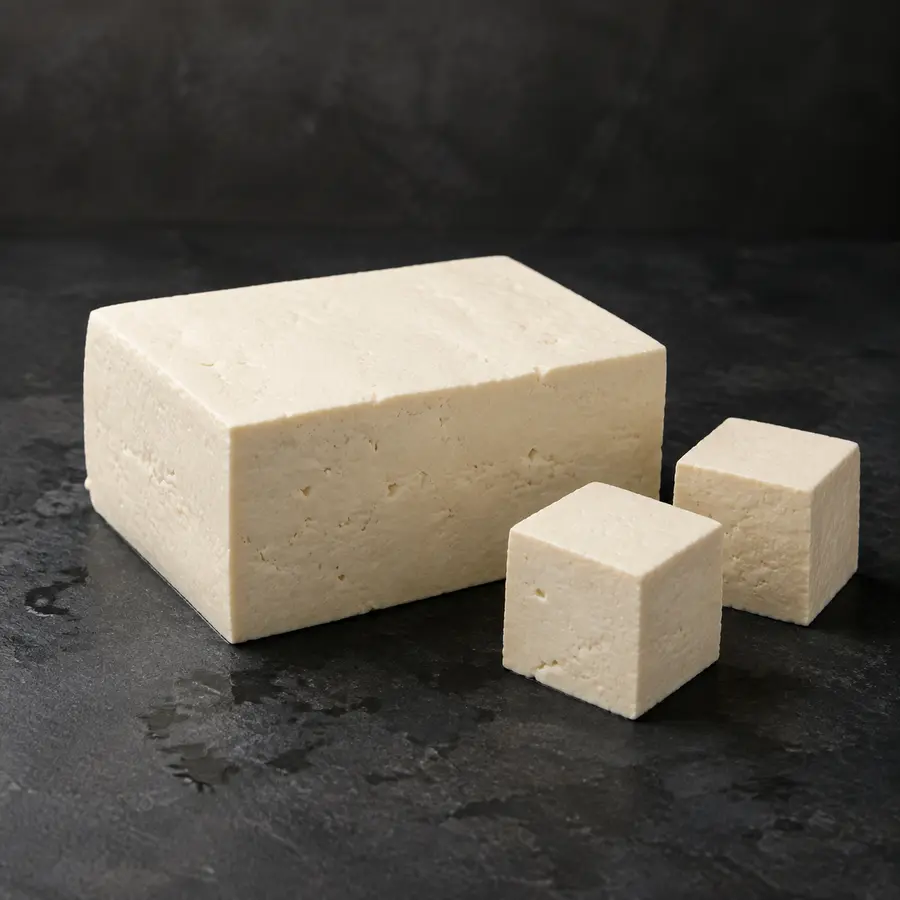
Tofu ingredient
Pulses, Beans & Plant Proteins#58

Tofu

Choose tofu firmness, press only when useful and cook it for crisp surfaces, tender centres and effective seasoning.

Flavour profileIt is mild and bean-like, absorbing sauces at its surface. Silken tofu is custardy; firm tofu is sliceable,…
Open full profile
Tempeh ingredient
Pulses, Beans & Plant Proteins#59

Tempeh

Prepare fermented tempeh for nutty flavour and crisp texture while identifying safe white mycelium versus spoilage.

Flavour profileIt is nutty, mushroom-like and slightly fermented, sometimes with pleasant bitterness. Steaming can mellow flavour before browning.
Open full profile
Split Peas ingredient
Pulses, Beans & Plant Proteins#60

Split Peas

Cook split peas into smooth soup and dal while managing age, foaming, acidity and dramatic thickening during cooling.

Flavour profileThey are earthy, mildly sweet and fuller-flavoured than red lentils. Green peas taste grassier; yellow peas are gentler…
Open full profile
Whole Milk ingredient
Dairy, Eggs & Alternatives#61

Whole Milk

Use and store whole milk correctly in sauces, baking, drinks and fermentation while preventing scorching and curdling.

Flavour profileIt is mildly sweet, creamy and clean. Heat develops cooked flavours; acid or excessive heat can destabilise proteins…
Open full profile
Dairy Cream ingredient
Dairy, Eggs & Alternatives#62

Dairy Cream

Choose cream by fat level and manage whipping, reduction and acidic sauces without splitting or overbeating.

Flavour profileIt is rich, mildly sweet and dairy-forward. Reduction concentrates flavour; overwhipping changes a foam into butter and buttermilk.
Open full profile
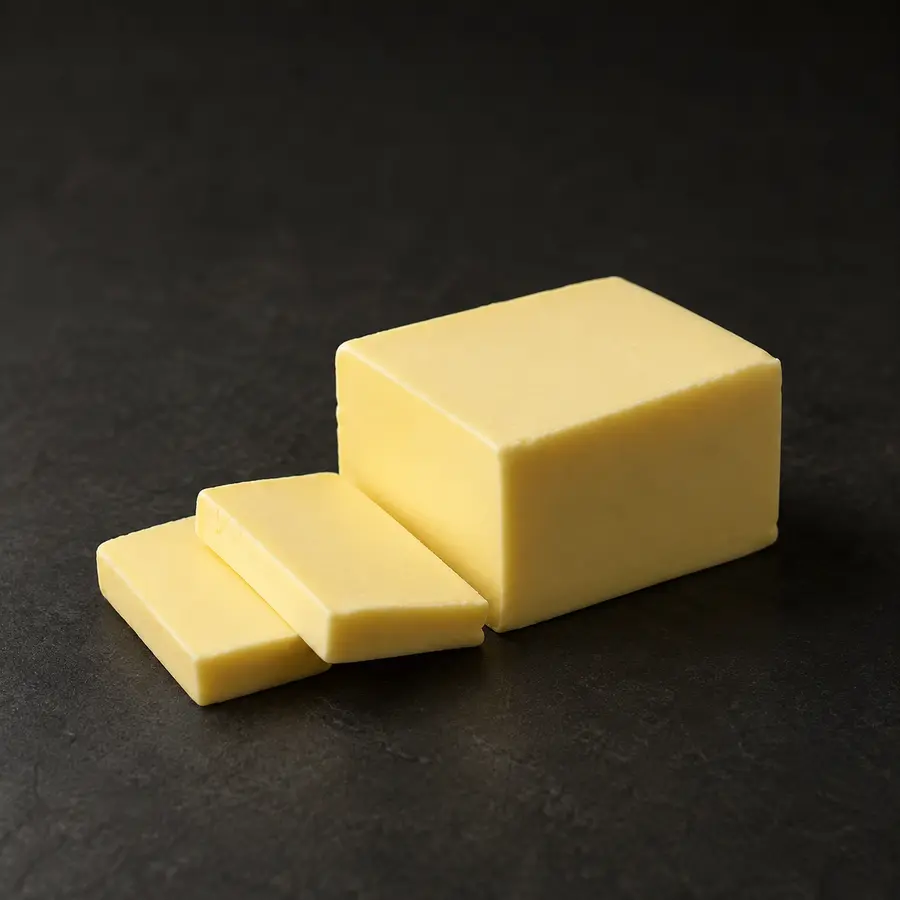
Butter ingredient
Dairy, Eggs & Alternatives#63

Butter

Use butter’s water, milk solids and fat correctly for sautéing, browning, pastry and emulsified sauces.

Flavour profileSweet-cream butter is rich and lactic; cultured butter is tangier. Brown butter tastes nutty, while blackened milk solids…
Open full profile
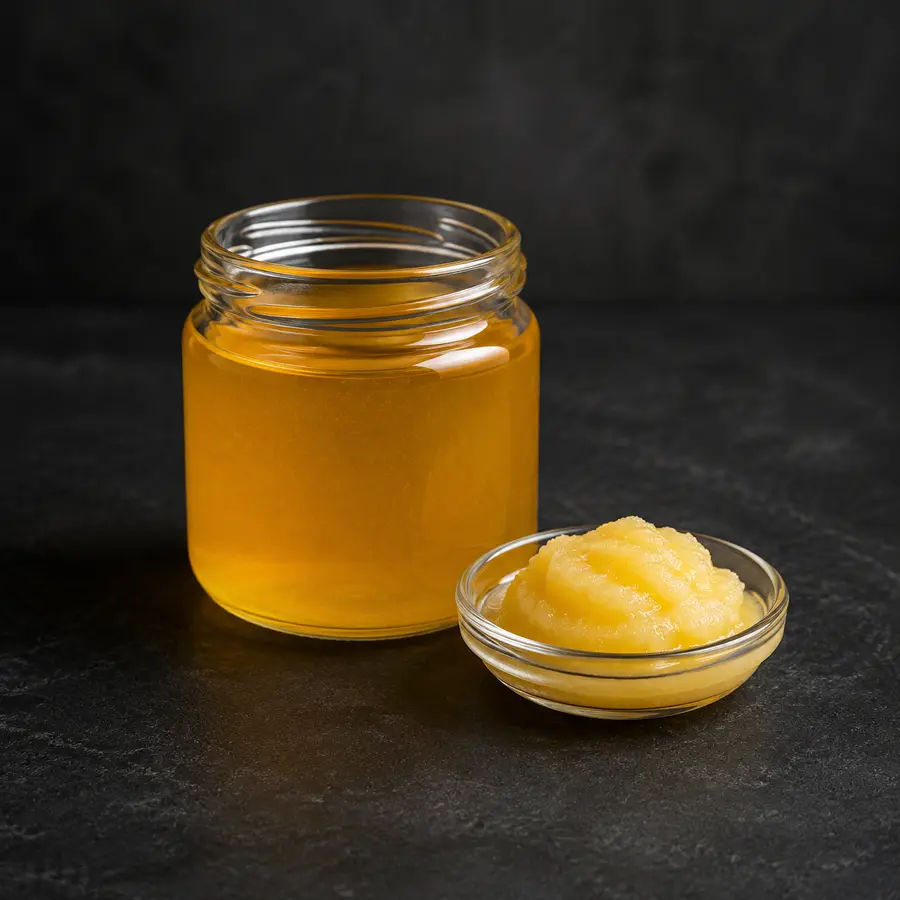
Ghee ingredient
Dairy, Eggs & Alternatives#64

Ghee

Select and use ghee for high-heat cooking, tempering and finishing while protecting it from moisture and rancidity.

Flavour profileIt is rich, nutty and caramel-like. Fresh ghee melts clear; rancid ghee smells paint-like, sour or stale.
Open full profile
Plain Yogurt ingredient
Dairy, Eggs & Alternatives#65

Plain Yogurt

Use yogurt for marinades, sauces, curries and fermentation while preventing splitting and maintaining cold-chain safety.

Flavour profileIt is tangy, creamy and lactic. Strained yogurt is thicker; low-fat yogurt is more likely to split under…
Open full profile
Paneer ingredient
Dairy, Eggs & Alternatives#66

Paneer

Select, cut and cook paneer so cubes remain tender, brown evenly and absorb a well-seasoned sauce.

Flavour profileIt is mild, milky and slightly tangy, with a close moist texture. Old or overcooked paneer becomes rubbery…
Open full profile
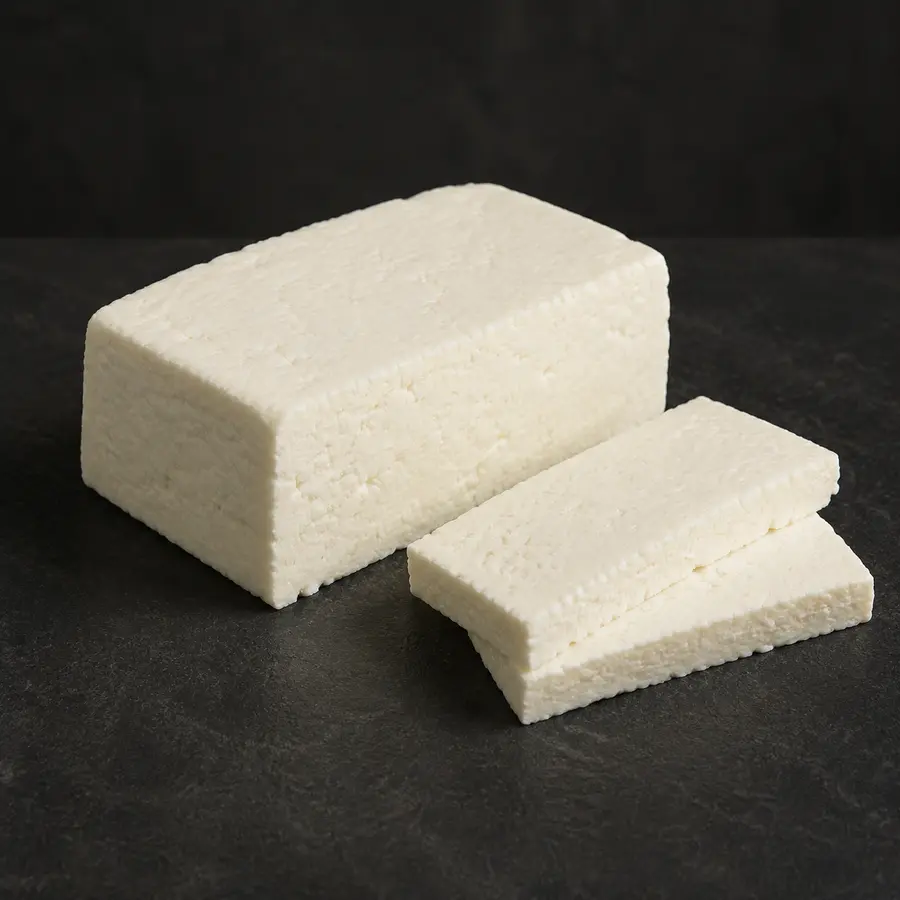
Feta Cheese ingredient
Dairy, Eggs & Alternatives#67

Feta Cheese

Use feta’s protected salty-tangy character in salads, baking and sauces while storing it correctly in brine.

Flavour profileIt is tangy, salty, lactic and crumbly, becoming creamy at the edges when baked but not melting like…
Open full profile
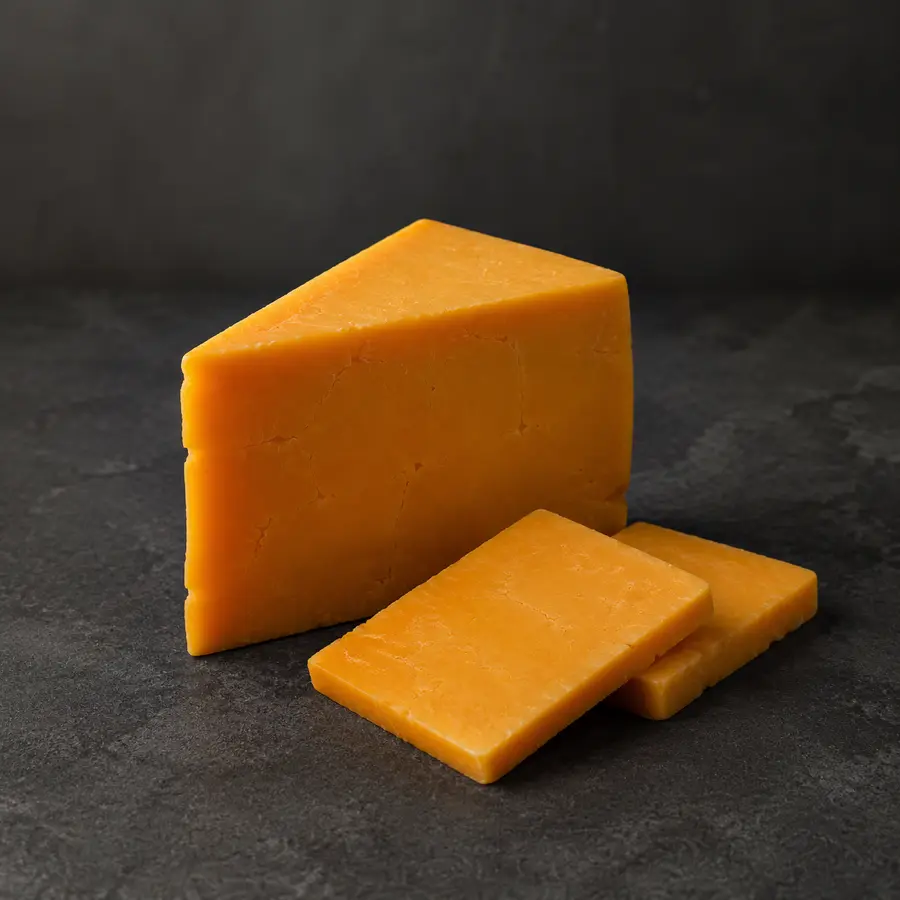
Cheddar Cheese ingredient
Dairy, Eggs & Alternatives#68

Cheddar Cheese

Choose cheddar maturity and melt it without oiling out in sauces, gratins, sandwiches and baking.

Flavour profileYoung cheddar is milky and mellow; aged cheddar is sharp, nutty and sometimes crystalline. High heat tightens protein…
Open full profile
Chicken Eggs ingredient
Dairy, Eggs & Alternatives#69

Chicken Eggs

Select, store and cook eggs for safe set, tender texture and reliable foams, emulsions and baking structure.

Flavour profileFresh egg is mild and rich. Gentle heat produces tender curds; excessive heat causes rubbery white, dry yolk…
Open full profile
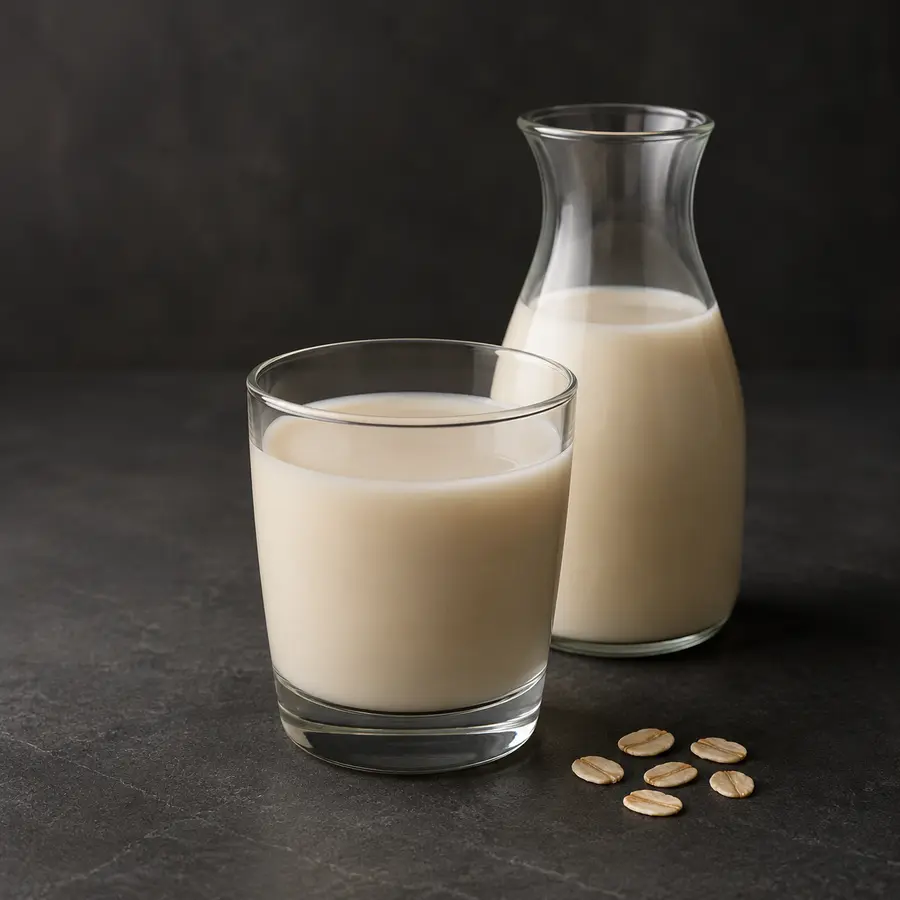
Unsweetened Oat Drink ingredient
Dairy, Eggs & Alternatives#70

Unsweetened Oat Drink

Use oat drink as a plant-based liquid by checking sweetness, fortification, allergens and heat behaviour rather than assuming it matches dairy milk.

Flavour profileIt is mildly cereal-sweet and creamy. Barista versions foam better; enzymatic processing can make products taste sweet even…
Open full profile
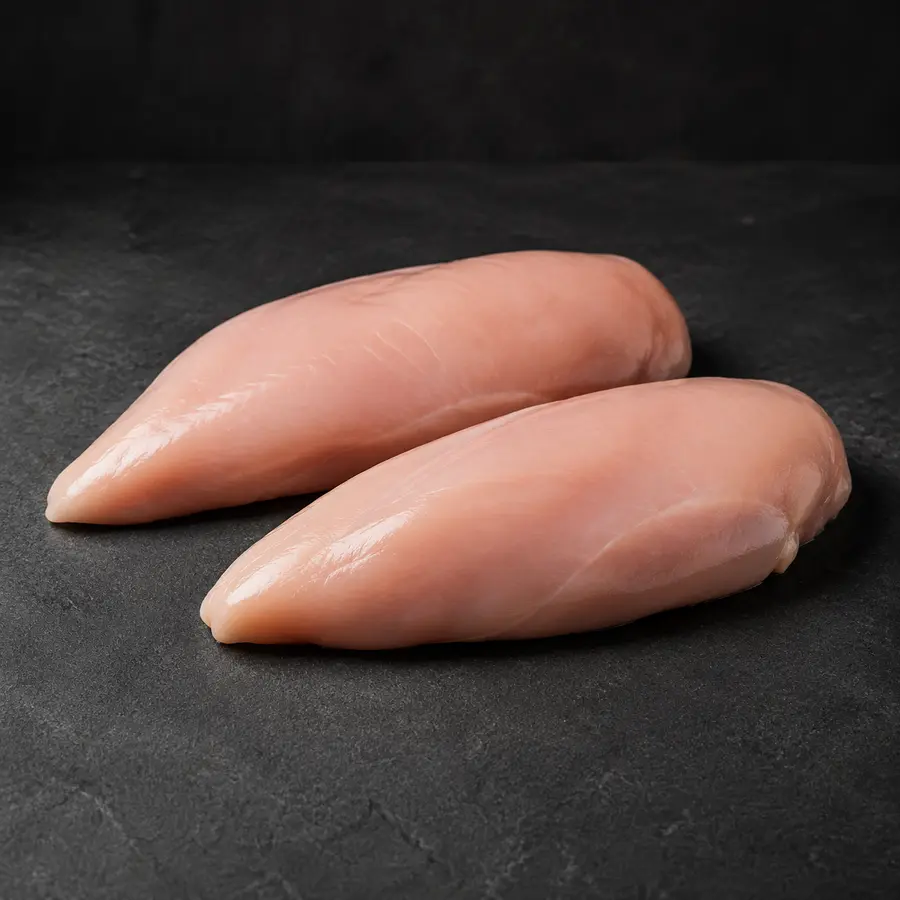
Chicken Breast ingredient
Meat & Poultry#71

Chicken Breast

Cook chicken breast evenly and safely while protecting its lean meat from dryness through portioning, brining and resting.

Flavour profileIt is mild and tender when just cooked, but becomes fibrous and dry after excessive heat. Browning supplies…
Open full profile
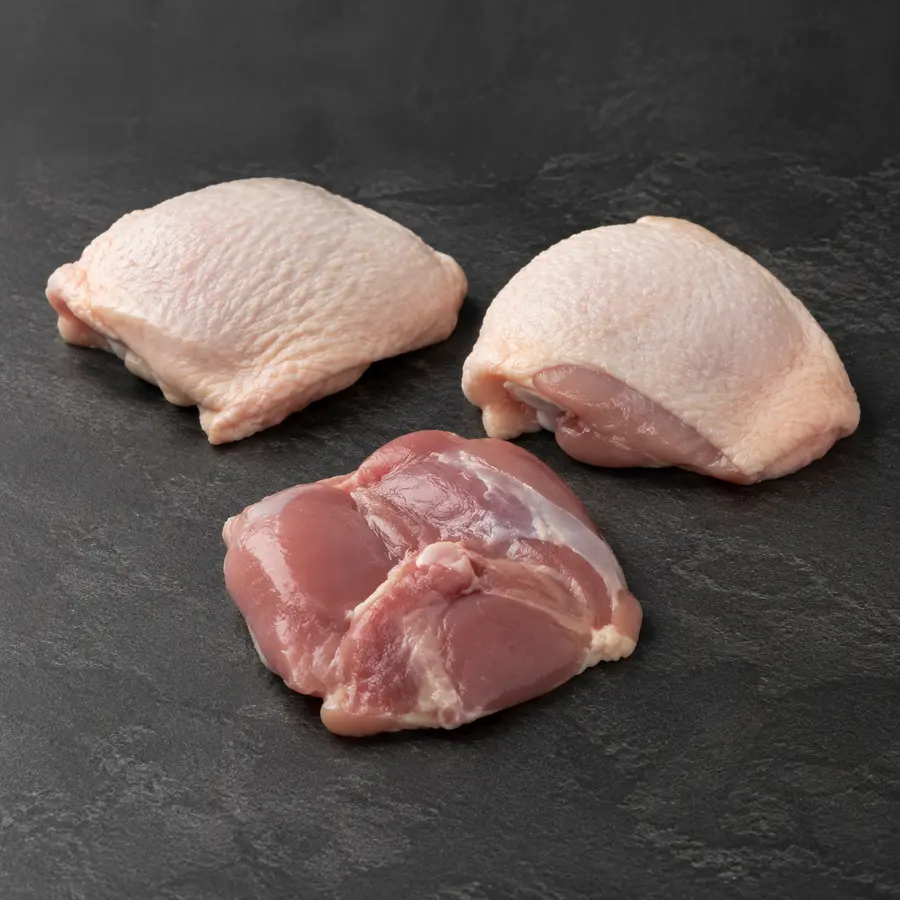
Chicken Thigh ingredient
Meat & Poultry#72

Chicken Thigh

Use chicken thigh’s higher fat and connective tissue for juicy roasting, grilling, braising and curry with complete safe cooking.

Flavour profileIt is savoury and juicy, becoming tender at a higher degree of cooking than lean breast. Skin can…
Open full profile
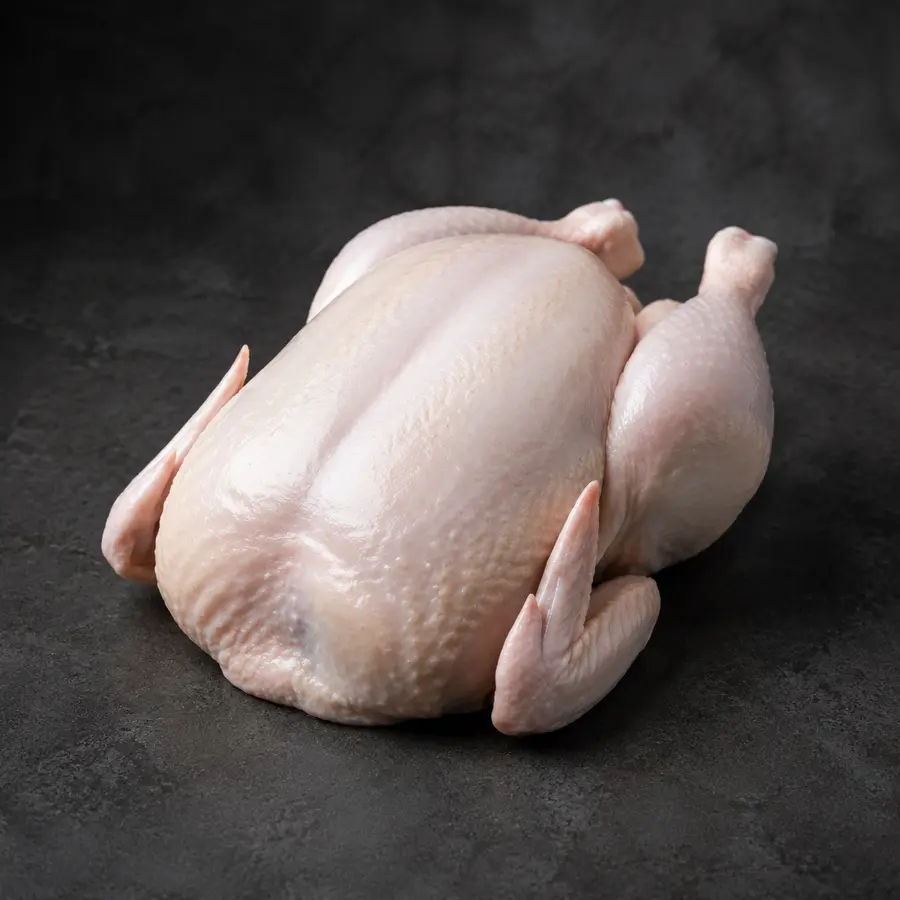
Whole Chicken ingredient
Meat & Poultry#73

Whole Chicken

Prepare and roast a whole chicken safely with even breast and leg cooking, crisp skin, resting and responsible use of the carcass.

Flavour profileRoasting produces savoury skin, juicy breast and richer dark meat. Uneven heat can leave the cavity or thigh…
Open full profile
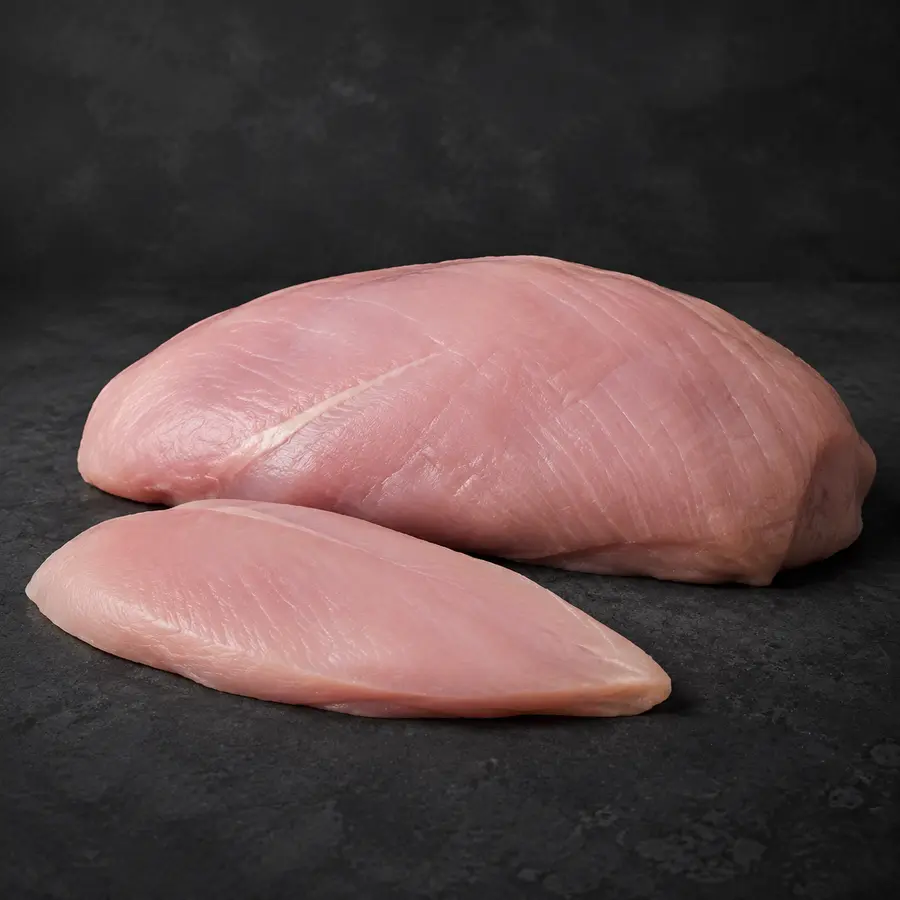
Turkey ingredient
Meat & Poultry#74

Turkey

Cook turkey according to cut and size, protecting lean breast while bringing dark meat and any stuffing to safe endpoints.

Flavour profileIt is mild, savoury and slightly fuller than chicken. Breast dries rapidly after its optimal point, while legs…
Open full profile
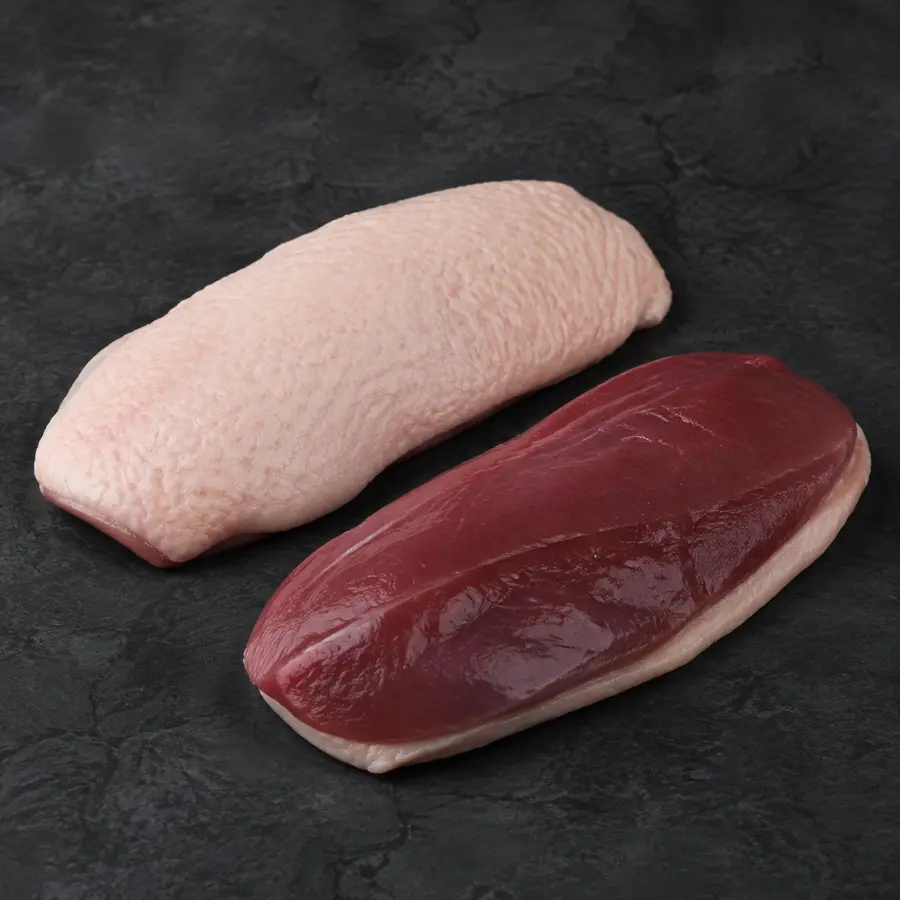
Duck ingredient
Meat & Poultry#75

Duck

Render duck fat and cook breast or legs by different methods while maintaining safe handling and balanced richness.

Flavour profileMeat is rich, mineral and savoury. Properly rendered skin is crisp; unrendered fat is rubbery, and scorched fat…
Open full profile
Lamb Leg ingredient
Meat & Poultry#76

Lamb Leg

Roast or butterfly lamb leg with correct trimming, even thickness, calibrated doneness checks and adequate resting.

Flavour profileIt is savoury, grassy and mineral, with mild sweetness in the fat. Overcooking lean sections creates dryness while…
Open full profile
Lamb Shoulder ingredient
Meat & Poultry#77

Lamb Shoulder

Slow-cook lamb shoulder until collagen becomes succulent gelatin while controlling fat, liquid and safe cooling.

Flavour profileIt is deeply savoury and rich. Long gentle cooking softens collagen; rushed shoulder remains chewy, while excessive liquid…
Open full profile
Goat Meat ingredient
Meat & Poultry#78

Goat Meat

Select the goat cut and cook it with enough moisture and time for tender Nepalese curry, braise or roast.

Flavour profileIt is savoury, earthy and slightly sweet, generally leaner than lamb. Mature meat has firmer fibres and benefits…
Open full profile
Beef Steak ingredient
Meat & Poultry#79

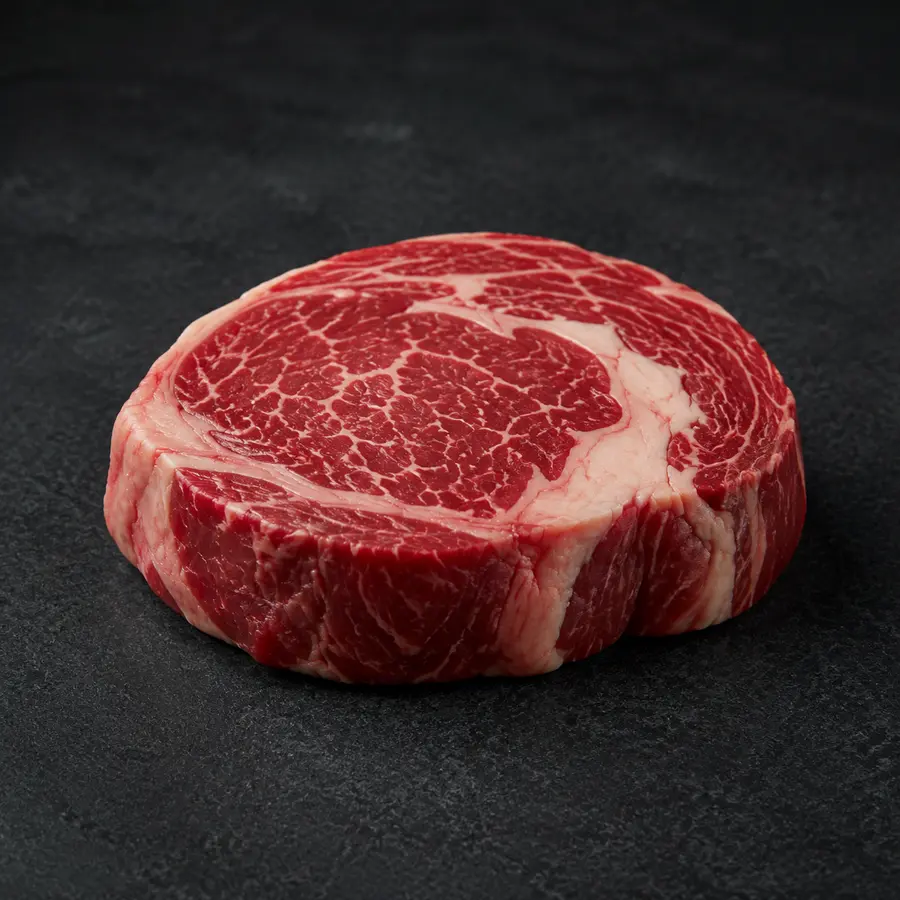
Beef Steak

Match beef steak cut and thickness to searing, doneness, resting and slicing for a browned crust and tender bite.

Flavour profileIt is savoury and mineral, with fat carrying roasted flavour. High surface heat develops crust; overcooking or incorrect…
Open full profile
Pork Shoulder ingredient
Meat & Poultry#80

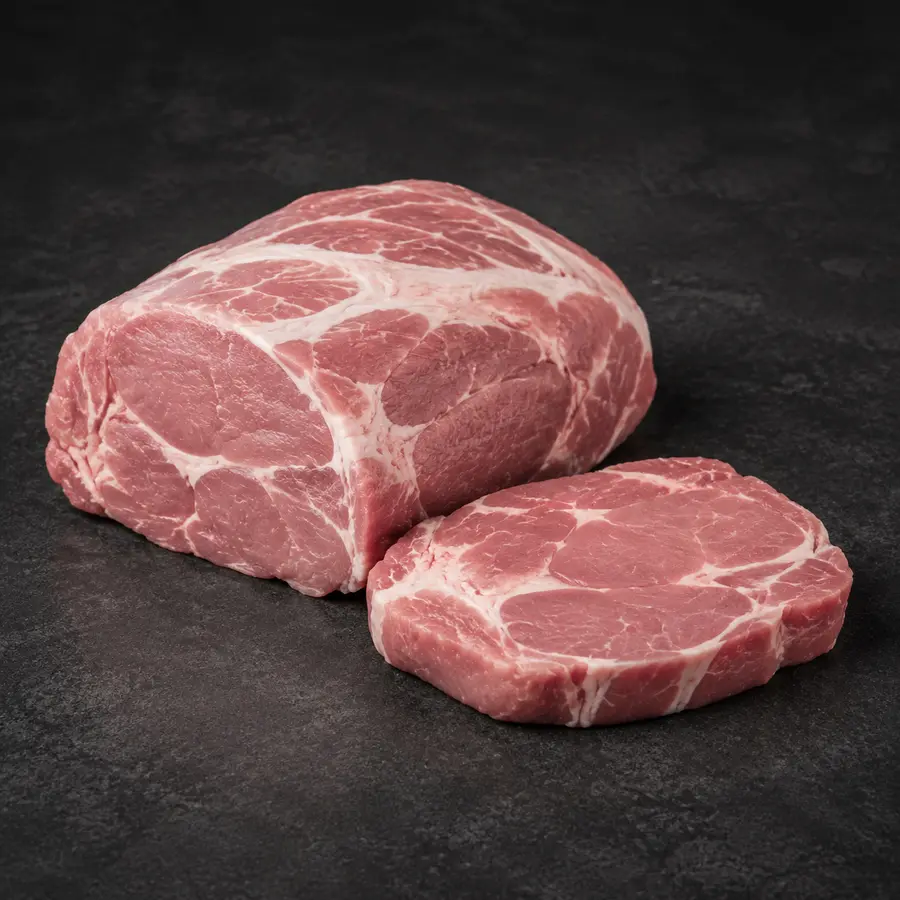
Pork Shoulder

Slow-cook pork shoulder so fat renders and collagen softens, with safe handling, concentrated seasoning and rapid cooling.

Flavour profileIt is savoury, sweet and rich. Slow heat creates succulent shreddable meat; inadequate time leaves rubbery seams and…
Open full profile
Salmon ingredient
Fish & Seafood#81

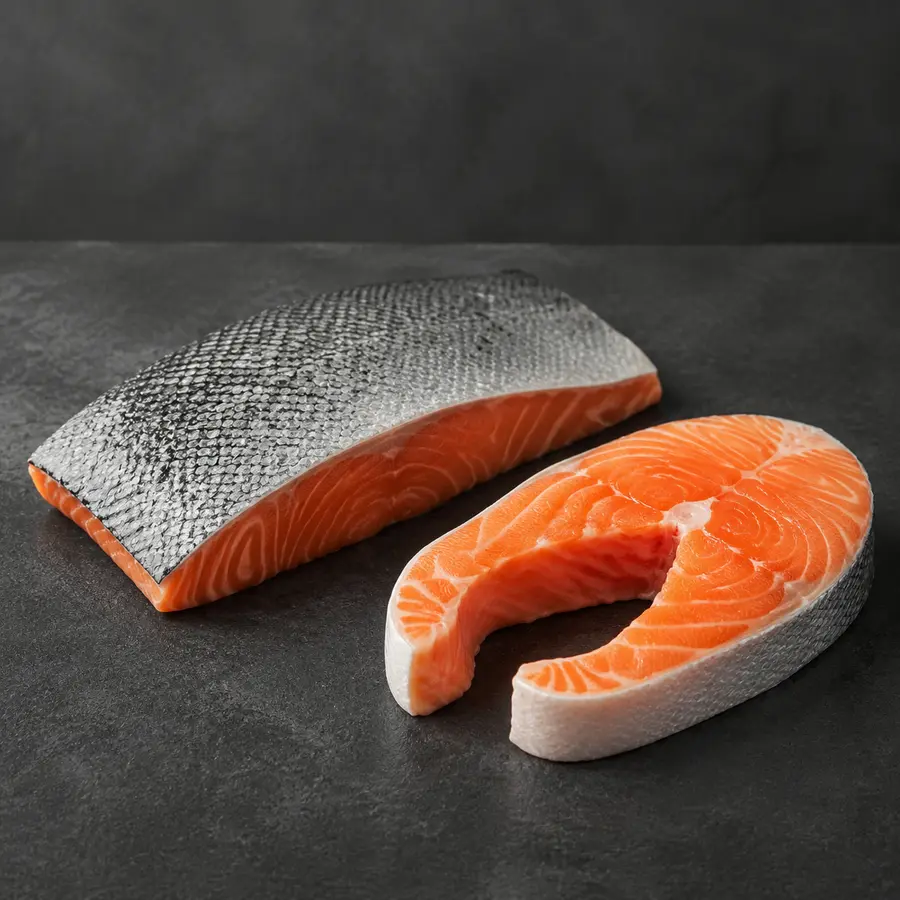
Salmon

Select and cook salmon according to cut, fat and origin while maintaining strict cold-chain and safe doneness controls.

Flavour profileIt is rich, savoury and buttery, with firm flakes. Overcooking pushes out white albumin and dries the flesh;…
Open full profile
Tuna ingredient
Fish & Seafood#82

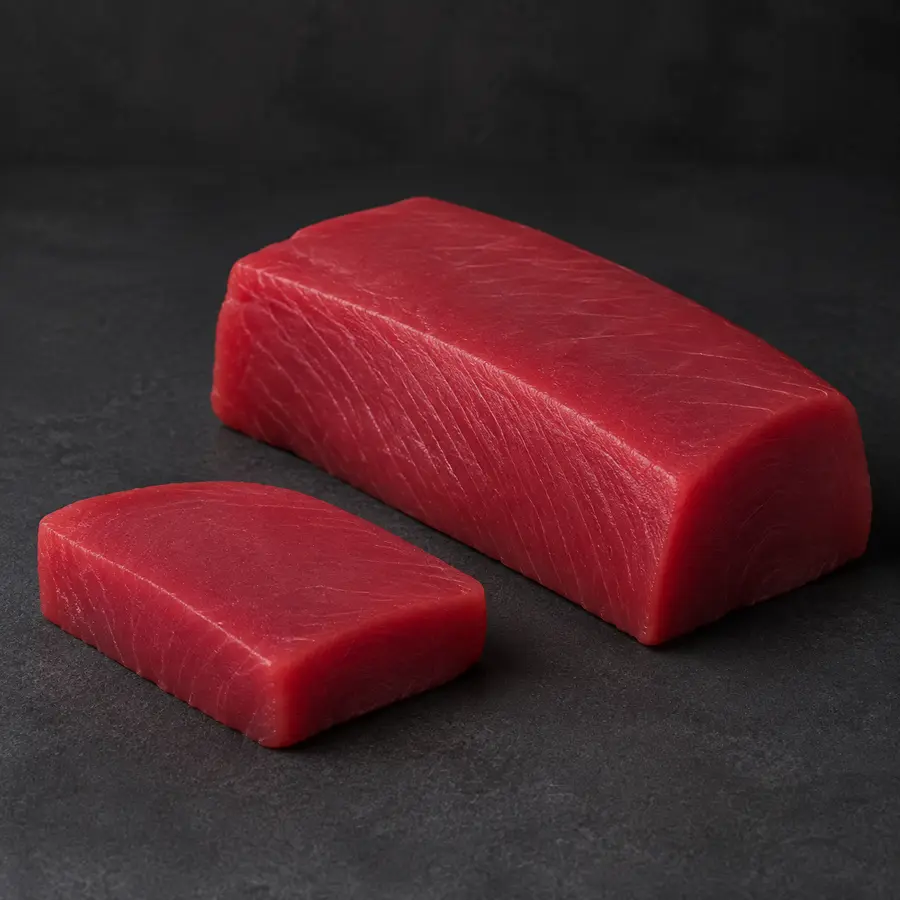
Tuna

Handle fresh and canned tuna with attention to cut, rapid cooking, histamine control and responsible sourcing.

Flavour profileFresh tuna is meaty, clean and mildly mineral. Lean cuts dry rapidly; canned tuna is firmer and saltier,…
Open full profile
Cod ingredient
Fish & Seafood#83

Cod

Cook cod’s lean white flakes without breaking or drying, and distinguish fresh fish from heavily salted bacalao products.

Flavour profileFresh cod is mild, clean and slightly sweet. It becomes pearly and flaky when cooked; excess heat makes…
Open full profile
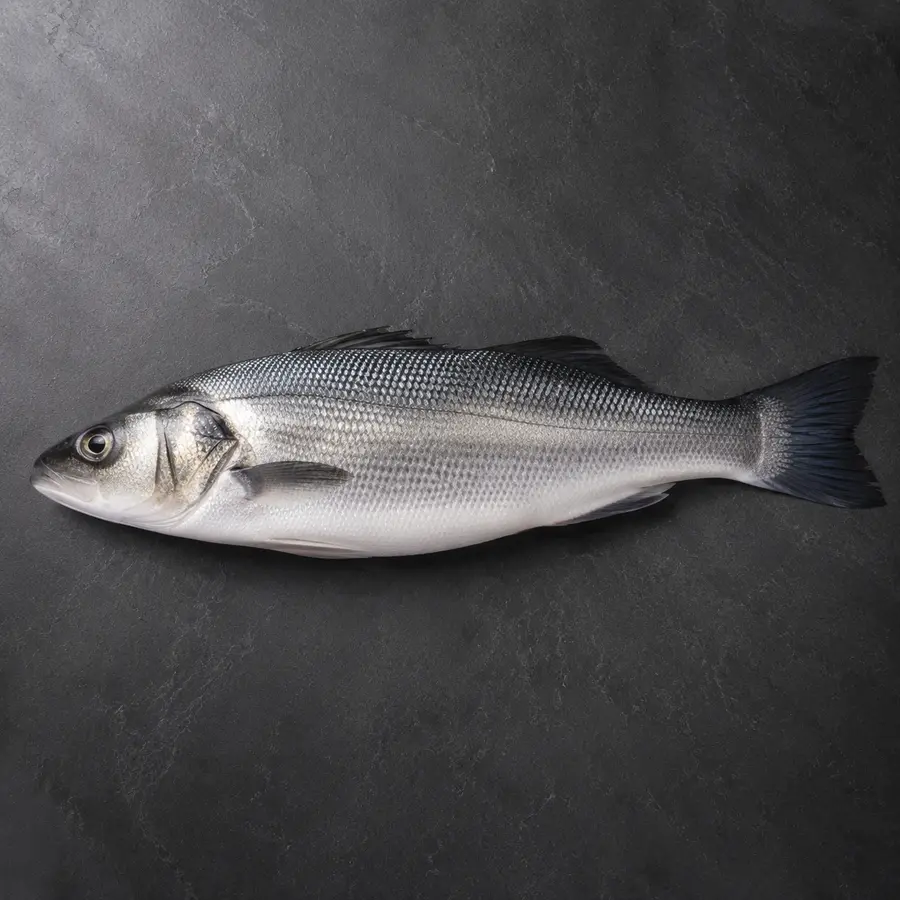
Sea Bass ingredient
Fish & Seafood#84

Sea Bass

Scale, fillet and cook sea bass for crisp skin and moist delicate flesh while protecting quality and traceability.

Flavour profileIt is mild, sweet and clean, with fine moist flakes. Scorched skin tastes bitter; overcooked flesh becomes tight…
Open full profile
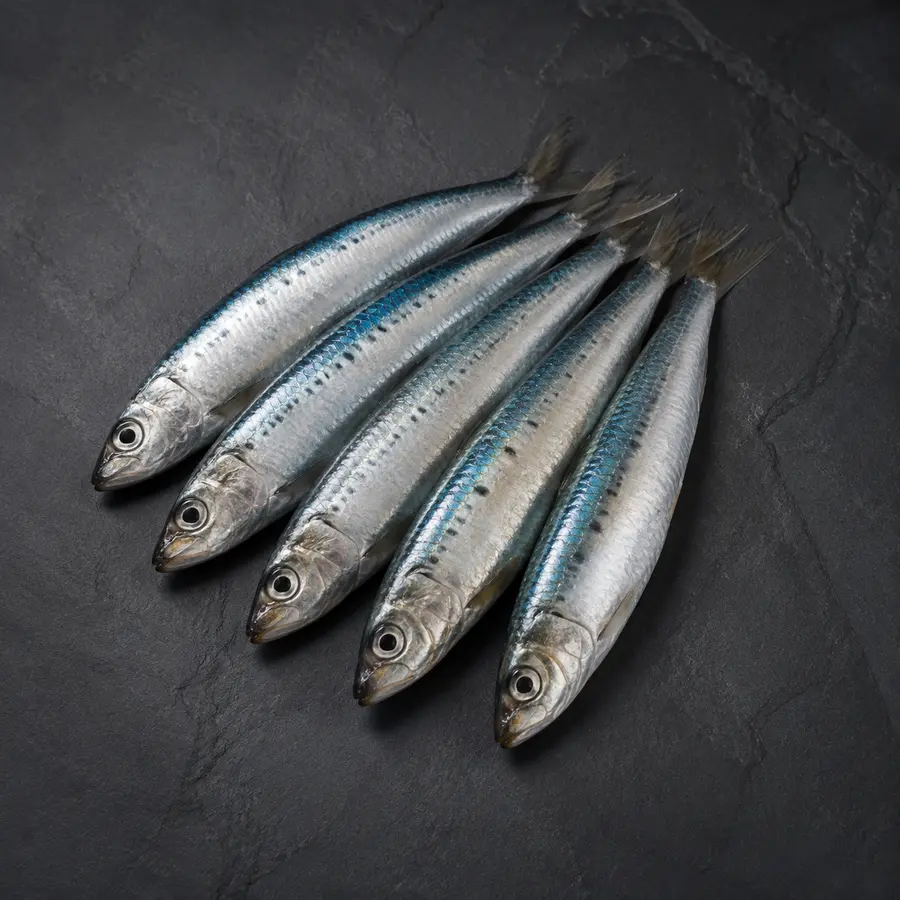
Sardines ingredient
Fish & Seafood#85

Sardines

Select and cook fresh or canned sardines for clean oily richness while managing small bones, rapid spoilage and strong aroma.

Flavour profileThey are rich, savoury and distinctly marine. Very fresh sardines taste clean; oxidation quickly creates strong fishy, rancid…
Open full profile
Mackerel ingredient
Fish & Seafood#86

Mackerel

Handle mackerel rapidly and cook its oily flesh with assertive acid and spice while preventing histamine and rancidity.

Flavour profileIt is rich, savoury and mineral with pronounced marine flavour. Grilling creates smoky skin; old fat tastes rancid…
Open full profile
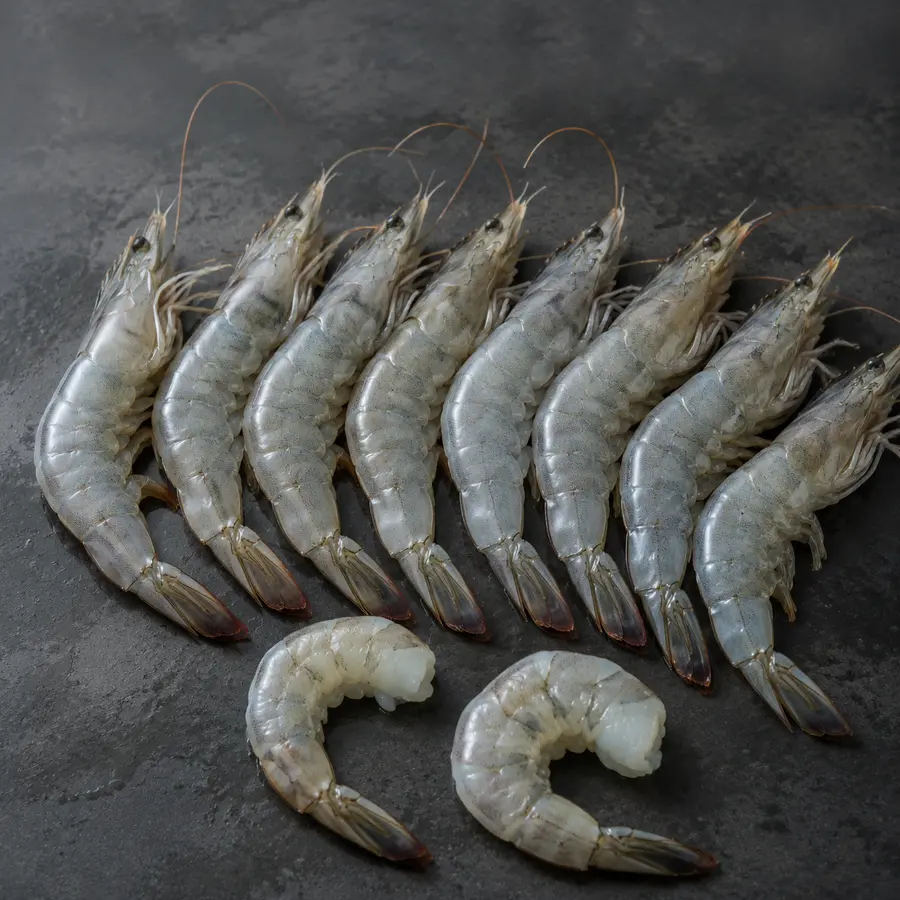
Prawns and Shrimp ingredient
Fish & Seafood#87

Prawns and Shrimp

Peel, devein and cook prawns rapidly for a juicy snap while controlling shellfish allergens, thawing and cold-chain risk.

Flavour profileThey are sweet, briny and firm when just cooked. Excess heat makes proteins tight and rubbery; spoiled shellfish…
Open full profile
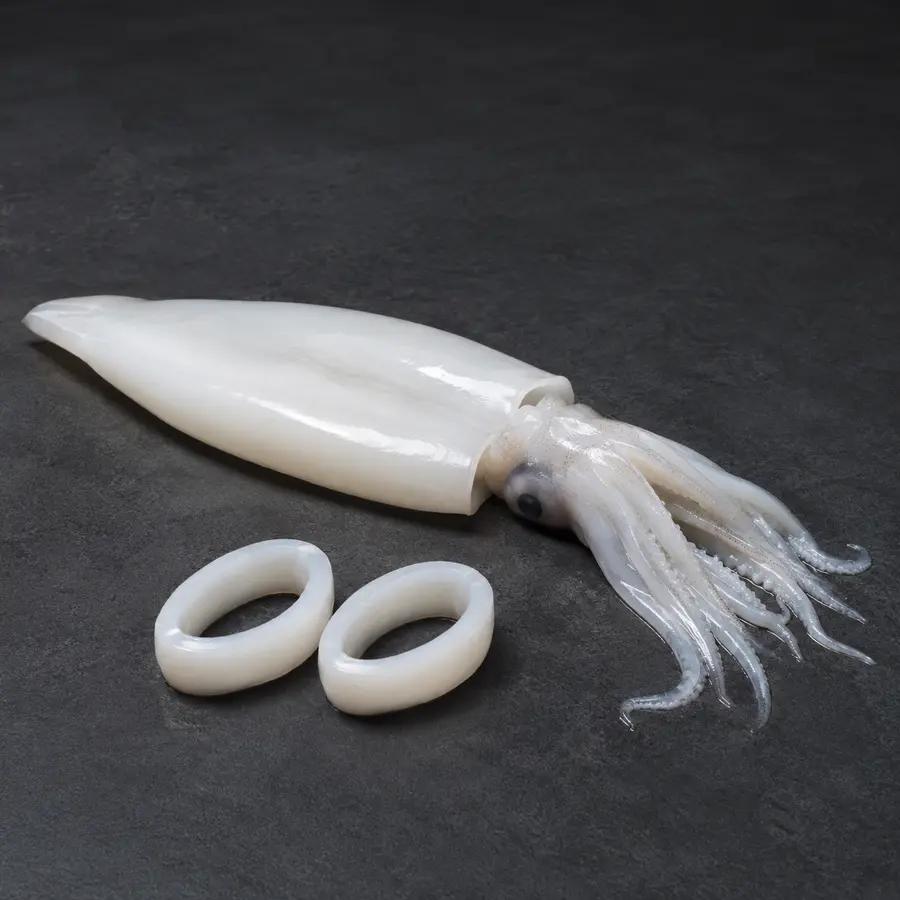
Squid ingredient
Fish & Seafood#88

Squid

Clean and cook squid either very quickly or long and gently to avoid the tough middle zone.

Flavour profileIt is mild, sweet and oceanic with a pleasant springy bite. Moderate cooking often tightens it; very quick…
Open full profile
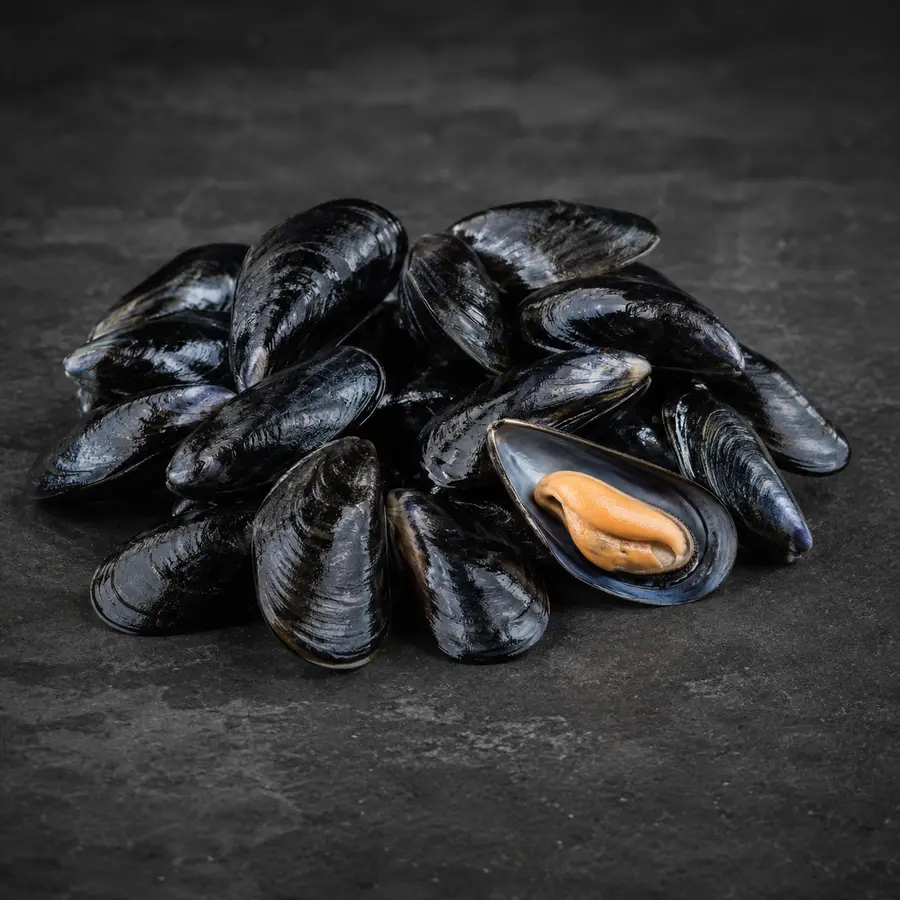
Mussels ingredient
Fish & Seafood#89

Mussels

Buy live mussels from approved waters, clean them correctly and steam only until they open, with strict shellfish safety.

Flavour profileThey are briny, sweet and savoury, releasing flavourful liquor as they steam. Overcooking shrinks meat into a dry…
Open full profile
Octopus ingredient
Fish & Seafood#90

Octopus

Tenderise and cook octopus through controlled simmering, resting and finishing rather than myths or aggressive boiling.

Flavour profileIt is sweet, marine and meaty with a firm tender bite when cooked correctly. Undercooked arms are rubbery;…
Open full profile
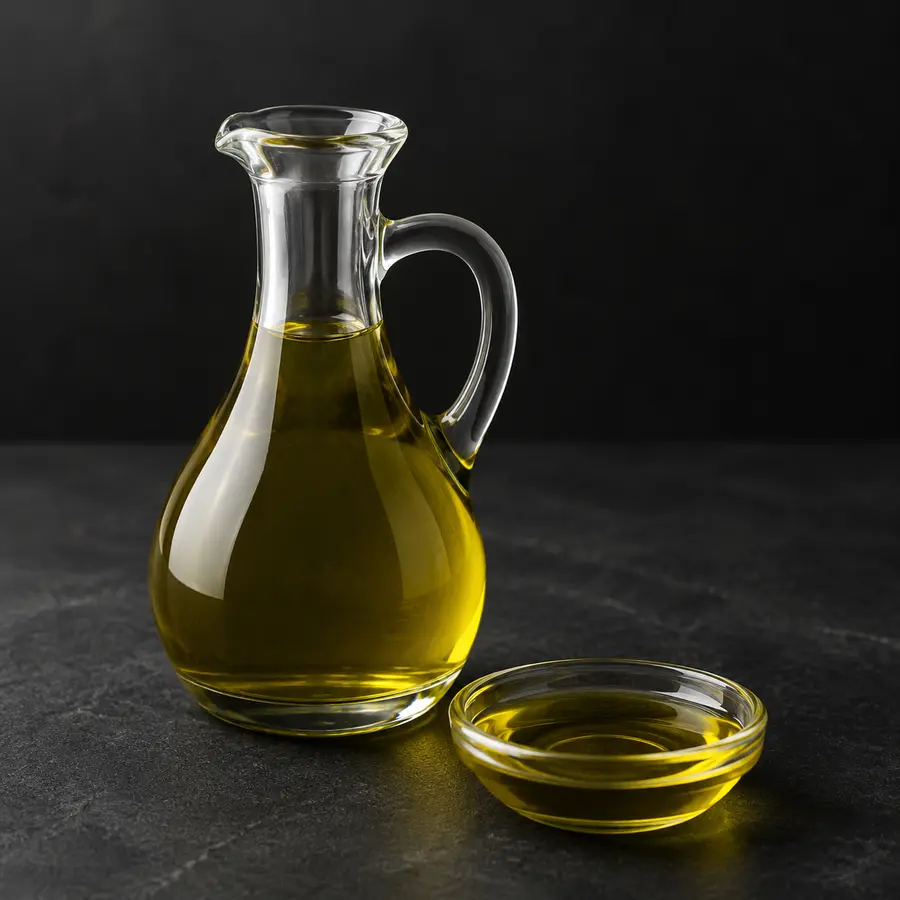
Extra-Virgin Olive Oil ingredient
Oils, Condiments & Pantry Essentials#91

Extra-Virgin Olive Oil

Select, taste and store extra-virgin olive oil for finishing, dressings and cooking without light, heat or oxygen damage.

Flavour profileFlavour may be grassy, fruity, tomato-like, peppery or bitter; those positive bitter and pungent notes differ from rancid…
Open full profile
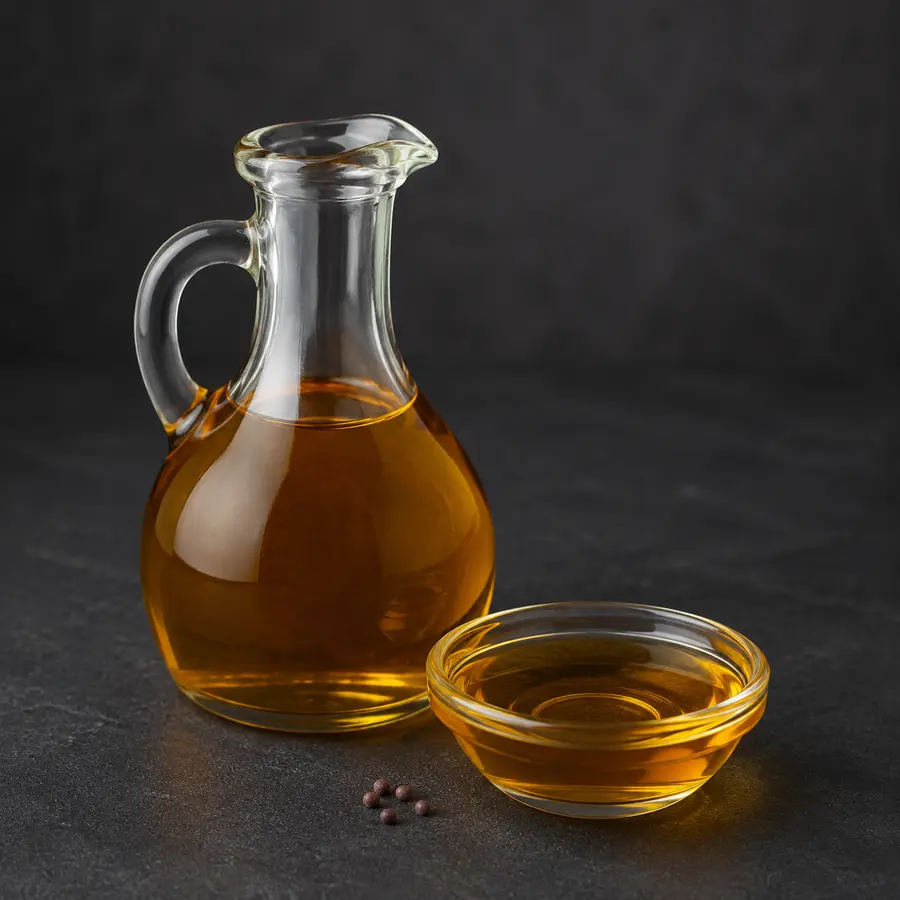
Mustard Oil ingredient
Oils, Condiments & Pantry Essentials#92

Mustard Oil

Use mustard oil according to product labelling and local regulations, controlling its pungency through appropriate heating and pairing.

Flavour profileIt is pungent, peppery and nutty. Heating reduces raw sharpness and reveals a deeper seed aroma, while overheating…
Open full profile
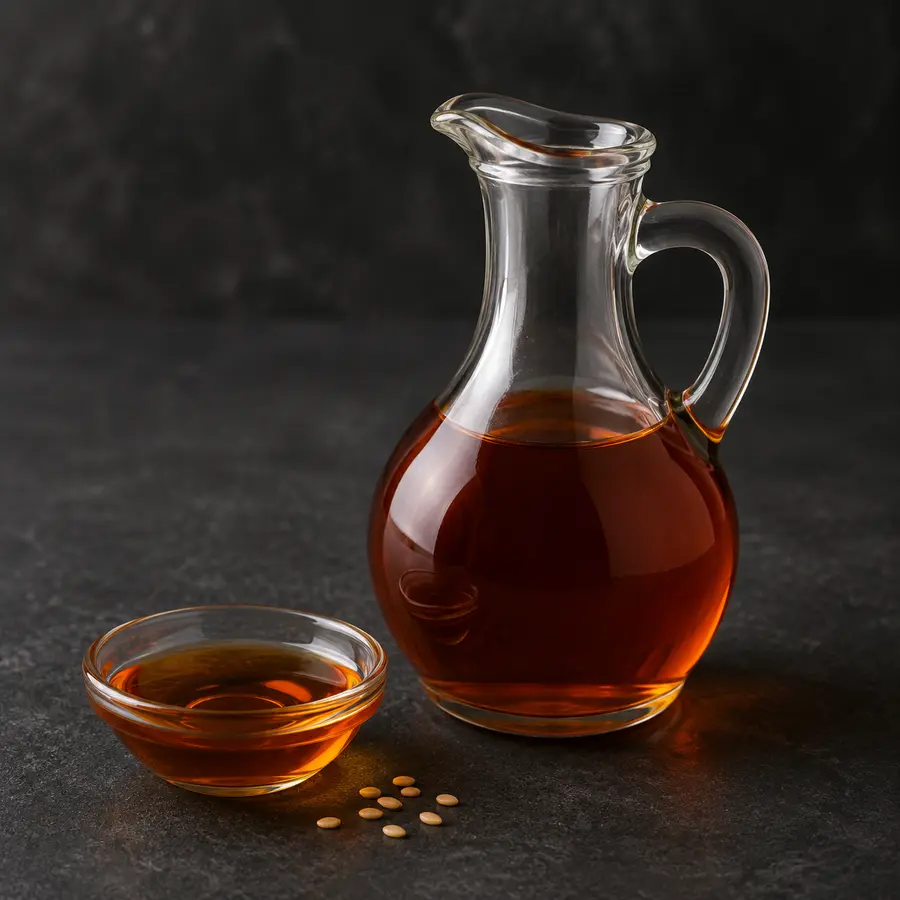
Toasted Sesame Oil ingredient
Oils, Condiments & Pantry Essentials#93

Toasted Sesame Oil

Use toasted sesame oil as a concentrated finishing seasoning and protect its aromatic fat from heat, light and allergen cross-contact.

Flavour profileIt is intensely nutty, roasted and slightly sweet. A few drops can dominate; prolonged high heat removes aroma…
Open full profile
Soy Sauce ingredient
Oils, Condiments & Pantry Essentials#94

Soy Sauce

Choose light, dark, naturally brewed or gluten-free soy sauce by function while balancing salt and allergen requirements.

Flavour profileIt is salty, savoury and fermented with roasted and sometimes fruity notes. Dark soy adds colour and mild…
Open full profile
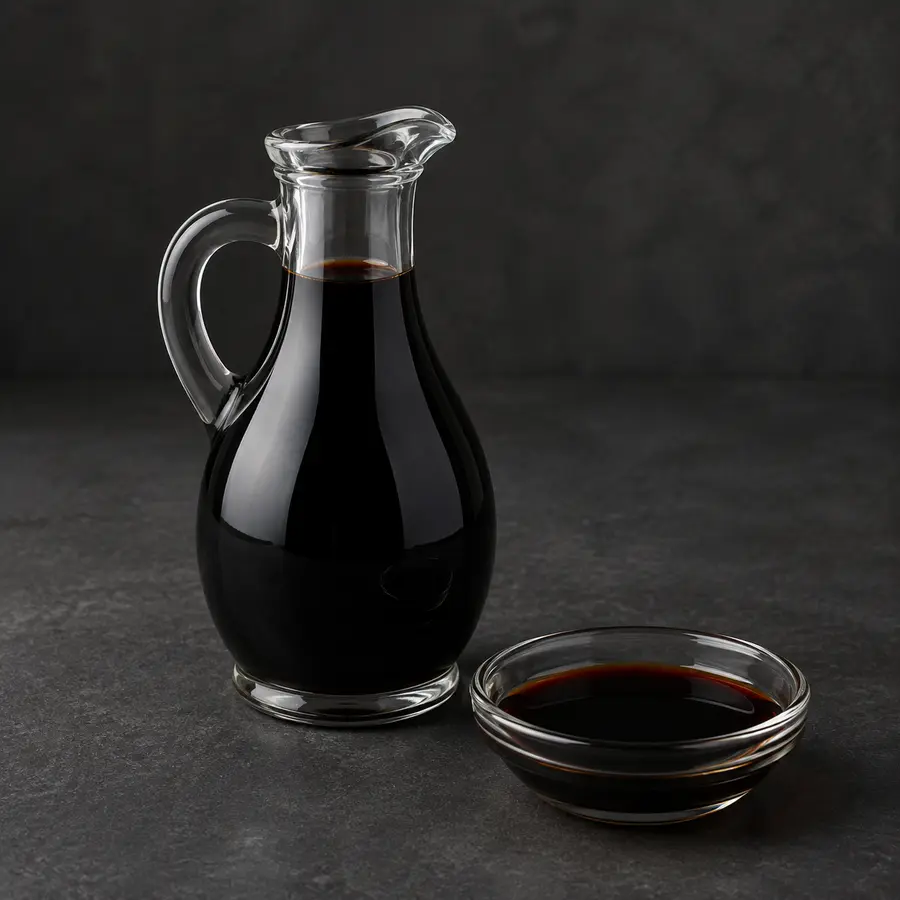
Wine Vinegar ingredient
Oils, Condiments & Pantry Essentials#95

Wine Vinegar

Use red or white wine vinegar to balance fat, sweetness and salt while preserving its volatile acidity and correct storage.

Flavour profileIt is sharply acidic with grape, wood or fruit notes. Cooking mellows volatile sharpness, while reduction concentrates total…
Open full profile
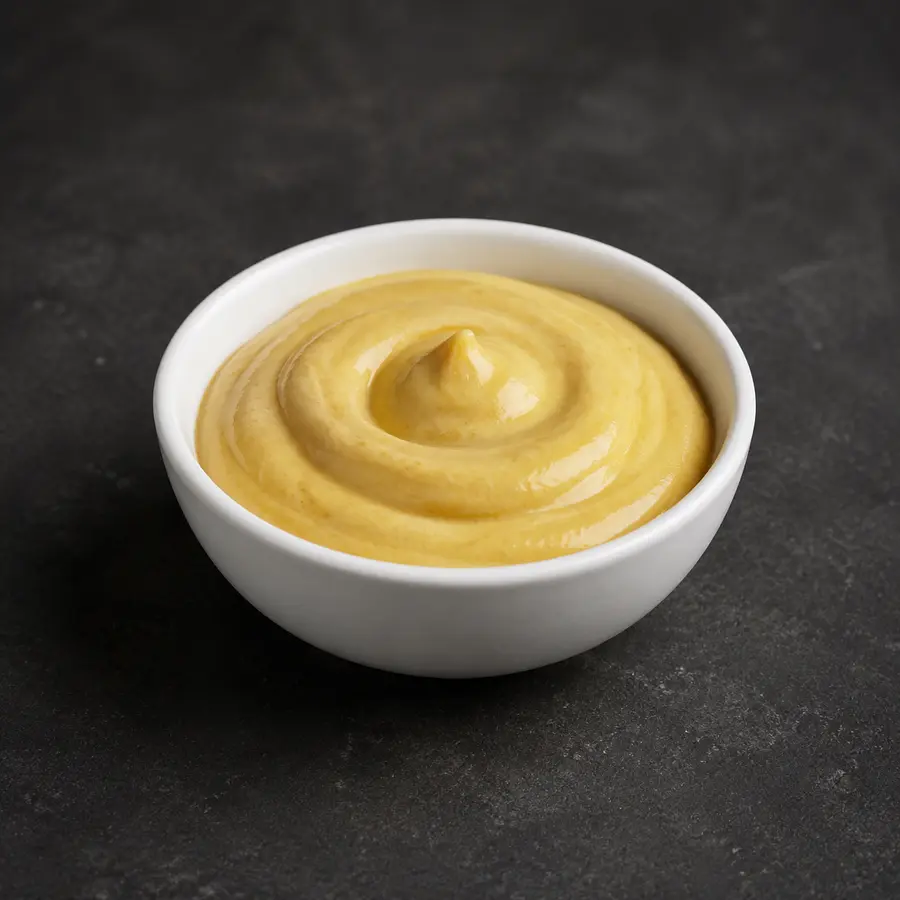
Dijon Mustard ingredient
Oils, Condiments & Pantry Essentials#96

Dijon Mustard

Use Dijon mustard for emulsification, pungency and savoury depth while controlling salt, heat and mustard allergen.

Flavour profileIt is sharp, tangy, savoury and moderately hot, with a smooth texture. Heat softens pungency, while cold use…
Open full profile
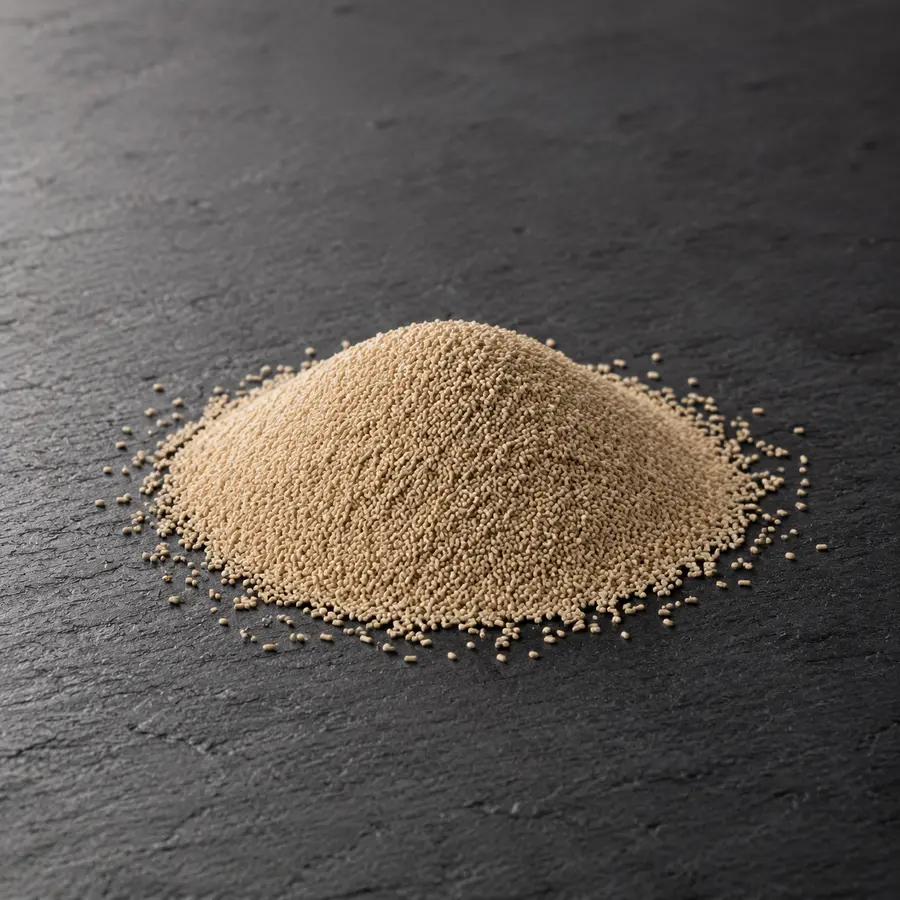
Baker’s Yeast ingredient
Oils, Condiments & Pantry Essentials#97

Baker’s Yeast

Choose fresh, active dry or instant yeast and manage temperature, hydration, salt and fermentation for reliable dough rise.

Flavour profileHealthy fermentation smells bready, fruity and lightly alcoholic. Inactive yeast gives no gas; overheated or spoiled yeast can…
Open full profile
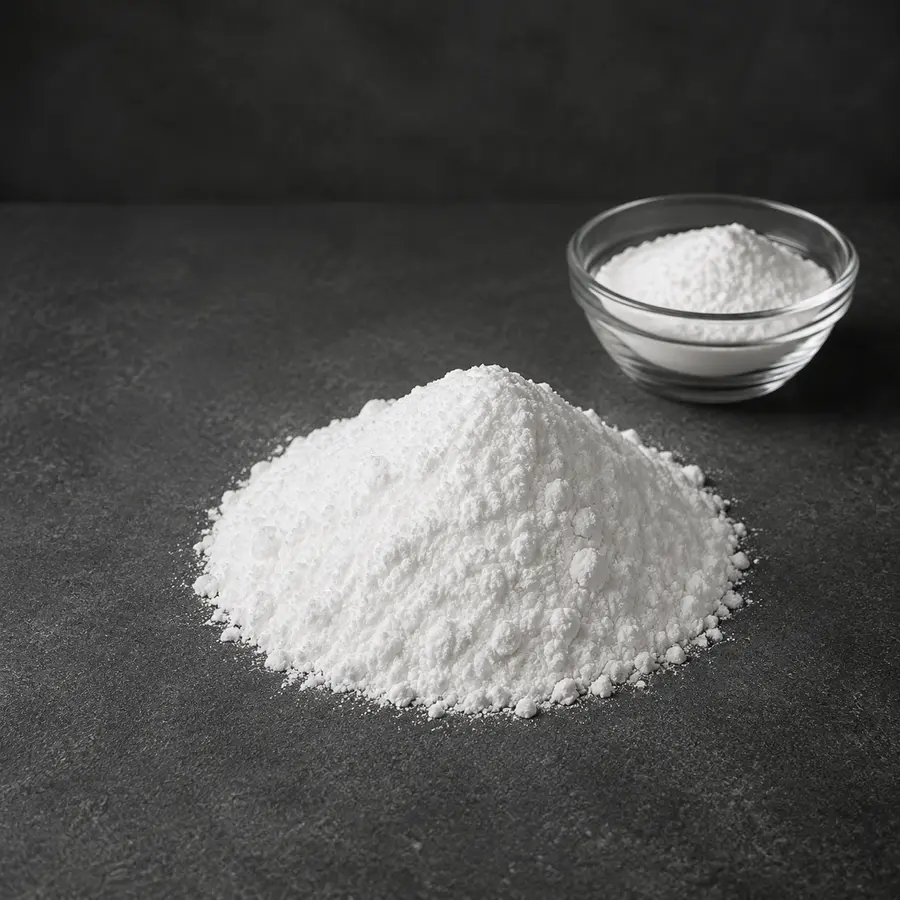
Baking Powder ingredient
Oils, Condiments & Pantry Essentials#98

Baking Powder

Measure and store baking powder correctly so cakes, scones and quick breads rise without metallic taste or collapsed structure.

Flavour profileIt should be nearly neutral when balanced in a recipe. Excess creates bitter or metallic flavour, coarse tunnels…
Open full profile
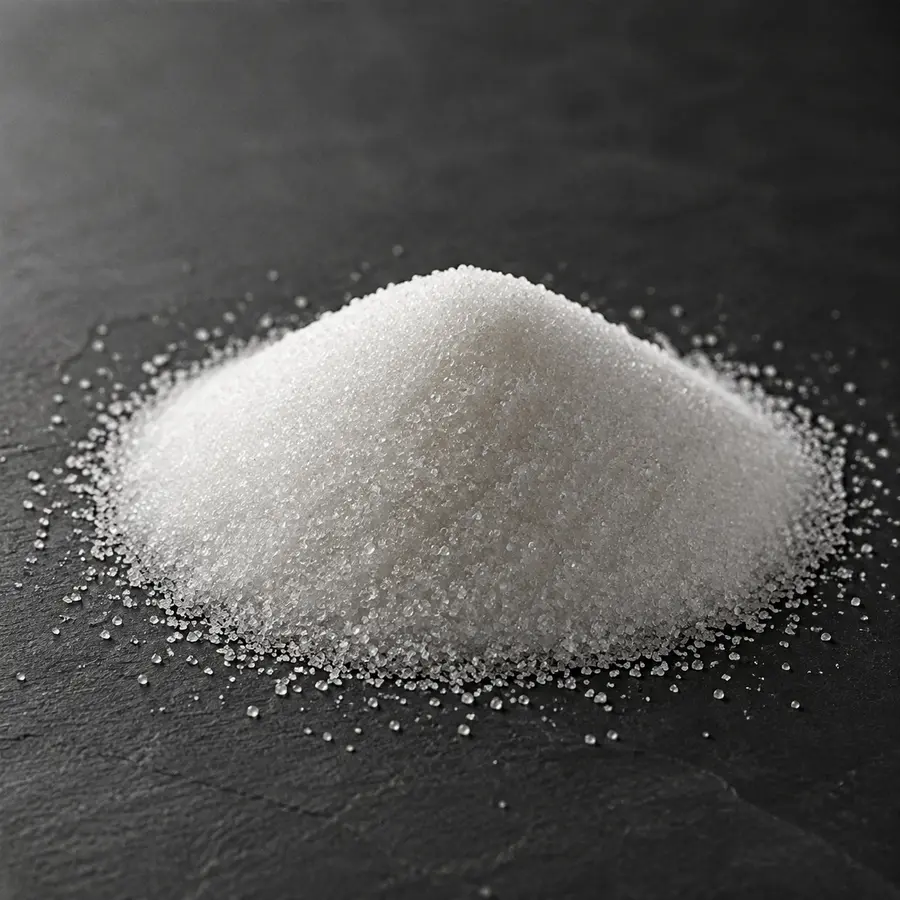
Granulated Sugar ingredient
Oils, Condiments & Pantry Essentials#99

Granulated Sugar

Use granulated sugar for sweetness, aeration, moisture, browning and preservation while understanding that it is a structural ingredient.

Flavour profileIt is cleanly sweet and neutral. Caramelisation produces nutty bitterness as colour deepens; burnt sugar becomes acrid and…
Open full profile
Honey ingredient
Oils, Condiments & Pantry Essentials#100

Honey

Select and use honey by floral character, moisture and heat while following infant-safety and adulteration awareness.

Flavour profileIt ranges from delicate floral sweetness to dark malt, herb or bitter notes. Heat reduces aroma; natural crystallisation…
Open full profile