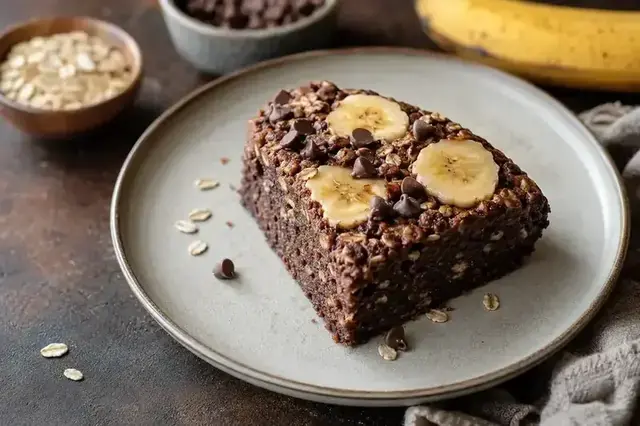

Ingredient at a glance: Banana is a climacteric tropical fruit whose starch converts to sugar during ripening, changing sweetness, aroma, colour and structure.
Flavour, Aroma and Texture
Green banana is starchy and firm; yellow fruit is creamy and mildly sweet; heavily spotted fruit is aromatic, soft and ideal for baking. Fermented odour signals deterioration.
How to Select It
Choose ripeness for the task. Select unbruised green-yellow fruit for later use, evenly yellow fruit for eating and sound spotted fruit for puree. Avoid leaking splits and mould at the crown.
Professional Preparation
Peel just before use. Mash ripe banana smoothly for baking, slice firm fruit for sautéing, and acidulate exposed pieces only when appearance matters.
Best Cooking Methods
- Bake very ripe banana into bread, cake or pancakes.
- Sauté or caramelise firm slices without overhandling.
- Freeze peeled ripe pieces for smoothies and desserts.
Flavour Pairings
- Cinnamon, cardamom, vanilla and cocoa.
- Peanut, sesame, coconut and yogurt.
- Oats, walnuts, honey and coffee.
- Lime, rum, berries and passion fruit.
Practical Substitutions
- Unsweetened apple puree for moisture in baking.
- Pumpkin puree for body with less fruit sweetness.
- Plantain for savoury frying, with a firmer and starchier result.
Storage and Shelf Life
Ripen at room temperature away from heat; separate fruit to slow collective ripening. Refrigeration darkens skin but can preserve ripe flesh briefly. Freeze peeled pieces, not whole unpeeled fruit.
Season and Availability
Available year-round through tropical production; flavour and size vary by cultivar.
Nutrition and Dietary Context
Banana provides carbohydrate, potassium and fibre. Ripeness changes starch and sugar proportions, while additions determine the nutrition of desserts.
Allergen and Food-Safety Notes
Banana allergy and latex-fruit cross-reactivity can occur. Discard fruit with mould, leaking fermentation or widespread internal breakdown.
Zero-Waste Use
Freeze overripe sound fruit in measured portions, dry slices, or make compote. Use clean peels only in a properly tested culinary preparation, not as an automatic edible waste.
Common Mistakes to Avoid
- Using underripe fruit in a recipe that depends on sweetness.
- Adding extra sugar before tasting very ripe banana puree.
- Freezing bananas with the peel still attached.
Chef’s Quality Check
Ripe banana for baking should mash without rubbery lumps, smell sweet rather than alcoholic and show no mould or liquid spoilage.
This profile provides general culinary education. Product composition, allergens, storage life and safety requirements vary; check the label and follow local guidance.