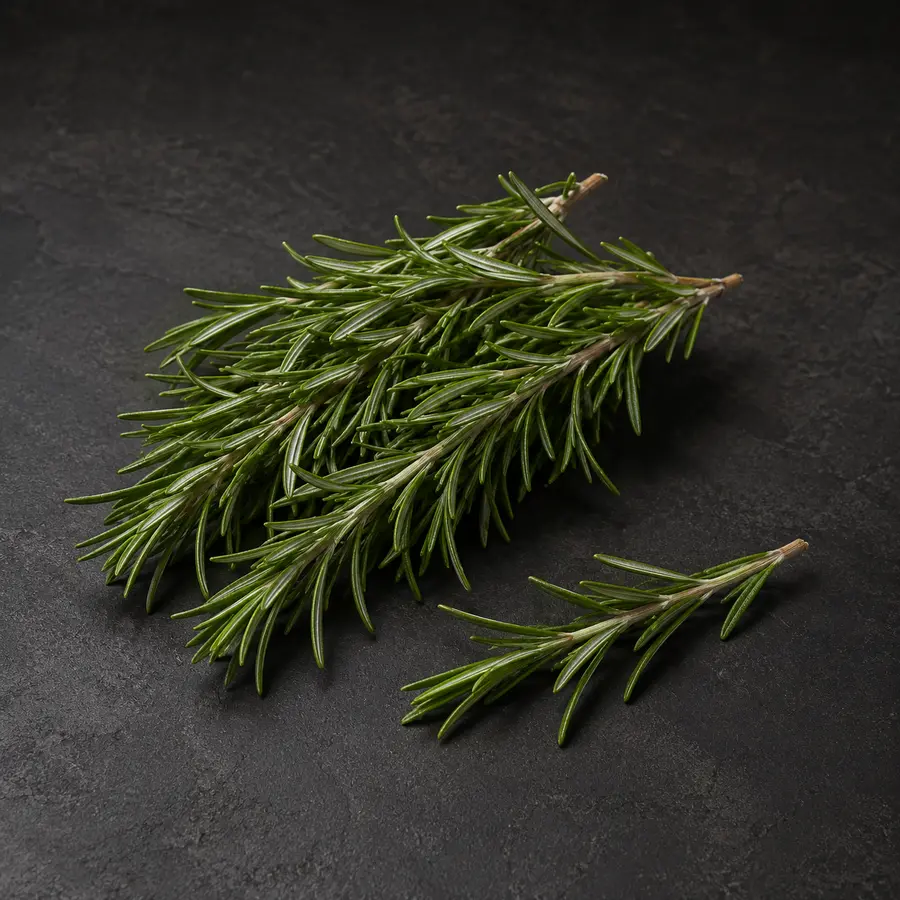
Ingredient at a glance: Rosemary is a woody evergreen Mediterranean herb whose concentrated oils tolerate heat and pair strongly with roasted foods.
Flavour, Aroma and Texture
It is piney, resinous, peppery and slightly camphorous. Young tips are softer; old needles and stems can be tough and bitter when chopped coarsely.
How to Select It
Select flexible green sprigs with fragrant oils and no grey mould, black leaves or dry shedding. Dried rosemary should smell distinct rather than like straw.
Professional Preparation
Wash and dry. Strip needles and mince very finely for food that will not be strained, or keep sprigs whole for easy removal. Crush dried needles before use.
Best Cooking Methods
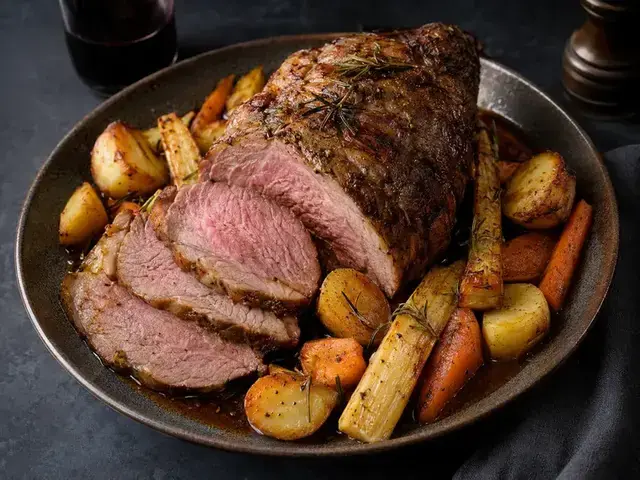
- Add whole sprigs to roast potato, lamb and chicken.
- Mince young leaves into bread dough or marinades.
- Infuse briefly in warm oil, then strain and refrigerate appropriately.
Flavour Pairings
- Garlic, lemon, thyme and black pepper.
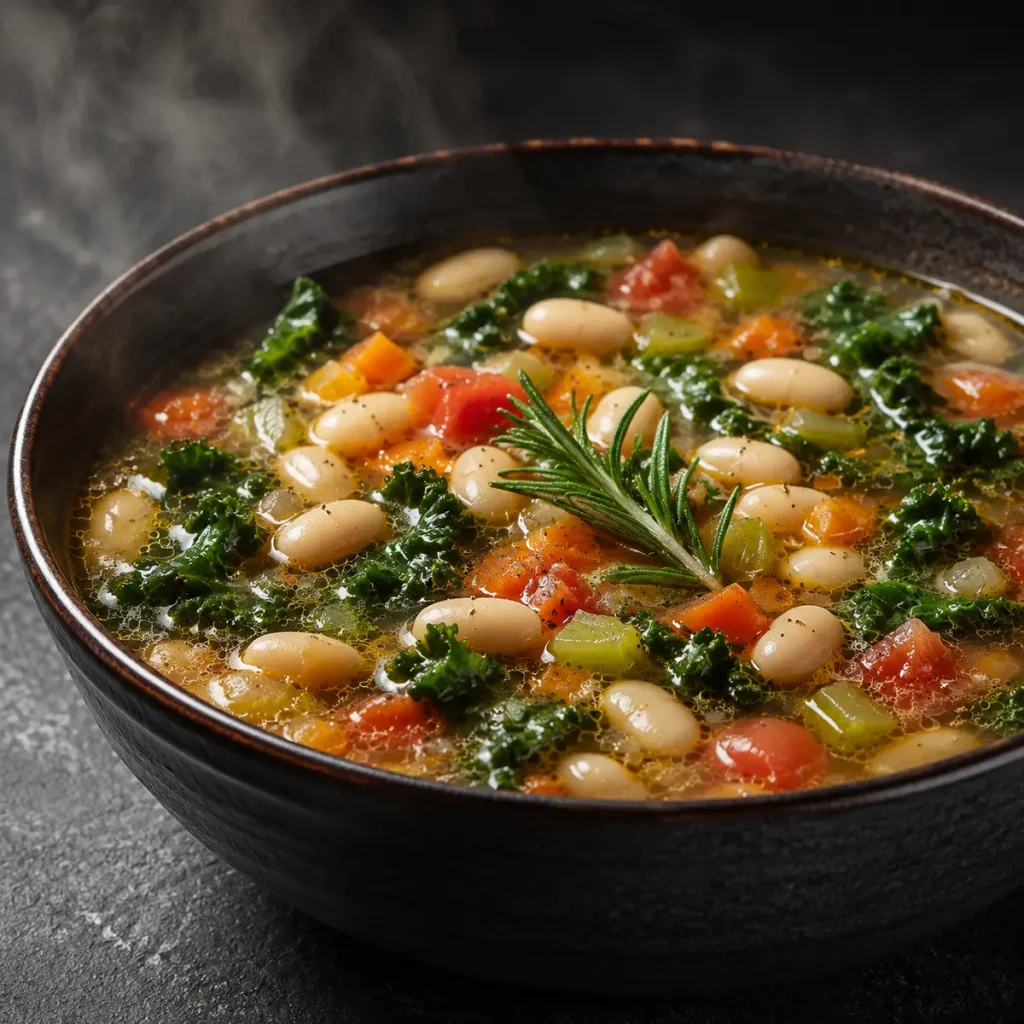
- Lamb, chicken, pork and white beans.
- Potato, pumpkin, tomato and mushroom.
- Olive oil, honey, grape and orange.
Practical Substitutions
- Thyme for gentler earthiness.
- Sage for warm savoury richness.
- Oregano for less resinous Mediterranean character.
Storage and Shelf Life
Refrigerate fresh sprigs lightly wrapped and dry, or freeze for cooked use. Store dried rosemary airtight and dark. Herb-infused oils require strict refrigerated handling or a validated commercial process.
Season and Availability
Available year-round from evergreen plants, with tender new growth in spring.
Nutrition and Dietary Context
Rosemary contributes aroma in small quantities. Concentrated extracts and essential oils have different safety profiles from normal culinary leaves.
Allergen and Food-Safety Notes
Allergy is possible. Do not serve sharp woody stems or large needles. Homemade oil infusions can be unsafe when stored at room temperature.
Zero-Waste Use
Dry healthy surplus, use whole stems as aromatic skewers only when sturdy and food-safe, or add spent sprigs to compost after cooking.
Common Mistakes to Avoid
- Using the same volume as a delicate herb.
- Leaving coarse needles in soft food.
- Storing homemade rosemary oil at room temperature.
Chef’s Quality Check
Rosemary should be evident but not resemble perfume or medicine; all needles in the finished dish should be tender, finely cut or removed.
This profile provides general culinary education. Product composition, allergens, storage life and safety requirements vary; check the label and follow local guidance.