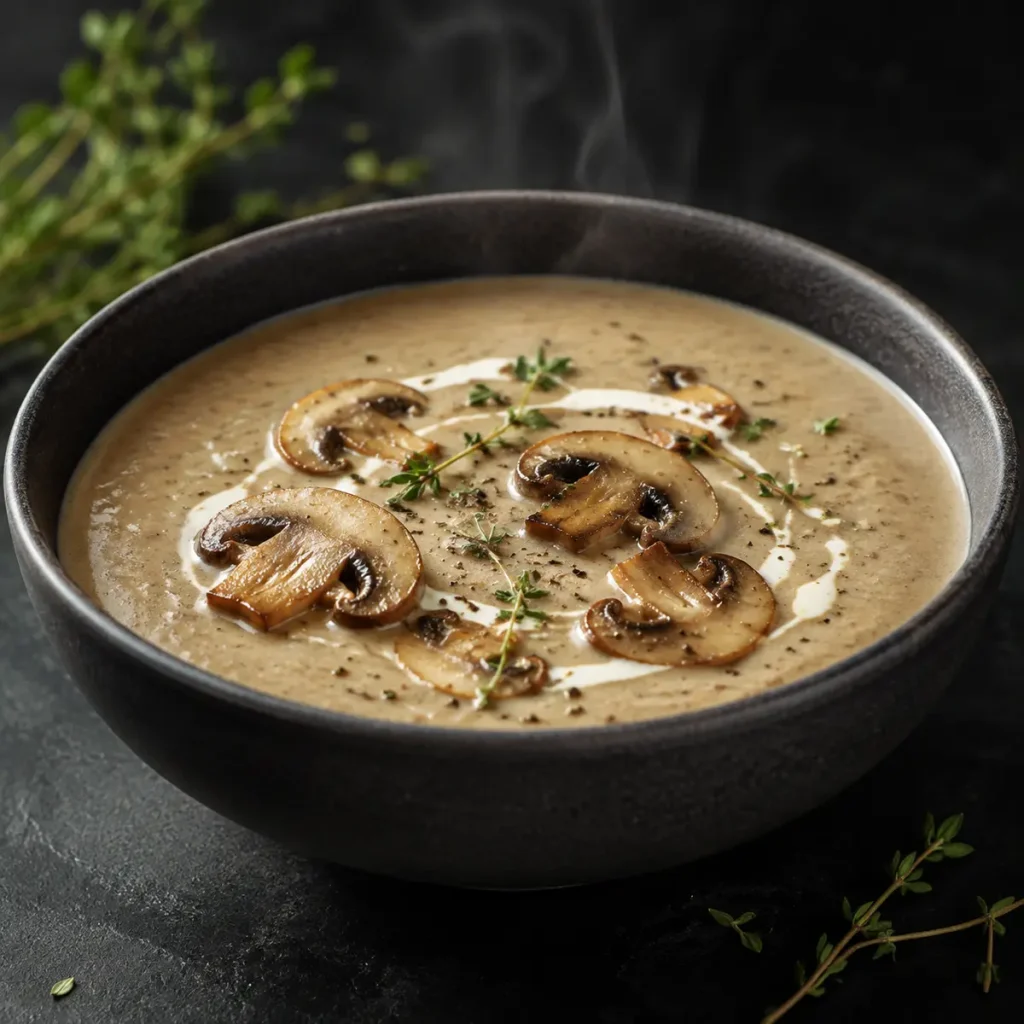

Ingredient at a glance: Thyme is a small-leaved Mediterranean herb rich in resilient aromatic oils, making it suitable for roasting, braising, stocks and marinades.
Flavour, Aroma and Texture
Its flavour is earthy, herbal, lightly minty and sometimes lemony. Dried thyme is more concentrated by volume and can become dusty or medicinal when excessive.
How to Select It
Fresh thyme should have flexible green sprigs and a strong clean aroma, not black leaves, mould or brittle old stems. Dried thyme should remain fragrant and correctly dated.
Professional Preparation
Rinse only if necessary and dry. Strip leaves against the stem for short cooking; tie whole sprigs for braises so woody stems can be removed.
Best Cooking Methods
- Add whole sprigs early to stocks, stews and roasting trays.
- Use leaves in marinades, stuffings and sautéed mushrooms.
- Bloom dried thyme briefly in fat or warm liquid.
Flavour Pairings
- Garlic, onion, lemon and bay.
- Chicken, lamb, mushrooms and lentils.
- Potato, carrot, tomato and courgette.
- Butter, olive oil, wine and mustard.
Practical Substitutions
- Savory for a peppery Mediterranean herb note.
- Oregano for stronger, drier warmth.
- Rosemary in a smaller amount for resinous roast dishes.
Storage and Shelf Life
Wrap fresh thyme lightly and refrigerate dry. Freeze sprigs for cooked use. Store dried thyme airtight, dark and away from stove heat; replace when aroma is weak.
Season and Availability
Fresh growth peaks in warmer months, while dried thyme is a year-round pantry herb.
Nutrition and Dietary Context
Thyme is used in small seasoning quantities; culinary use should not be confused with concentrated supplements or essential oils.
Allergen and Food-Safety Notes
Herb allergy is possible. Essential oil is highly concentrated and not a direct substitute for leaves. Remove woody stems that could present a choking hazard.
Zero-Waste Use
Dry sound surplus sprigs, use stems in stock or smoke only in appropriate equipment, and blend leaves into compound butter before deterioration.
Common Mistakes to Avoid
- Substituting equal volumes of dried and fresh thyme.
- Leaving loose woody stems in the finished dish.
- Using old dried thyme that contributes dust but no aroma.
Chef’s Quality Check
Rub a leaf between the fingers: thyme should smell immediately herbal and clean; the dish should carry background depth without medicinal dominance.
This profile provides general culinary education. Product composition, allergens, storage life and safety requirements vary; check the label and follow local guidance.