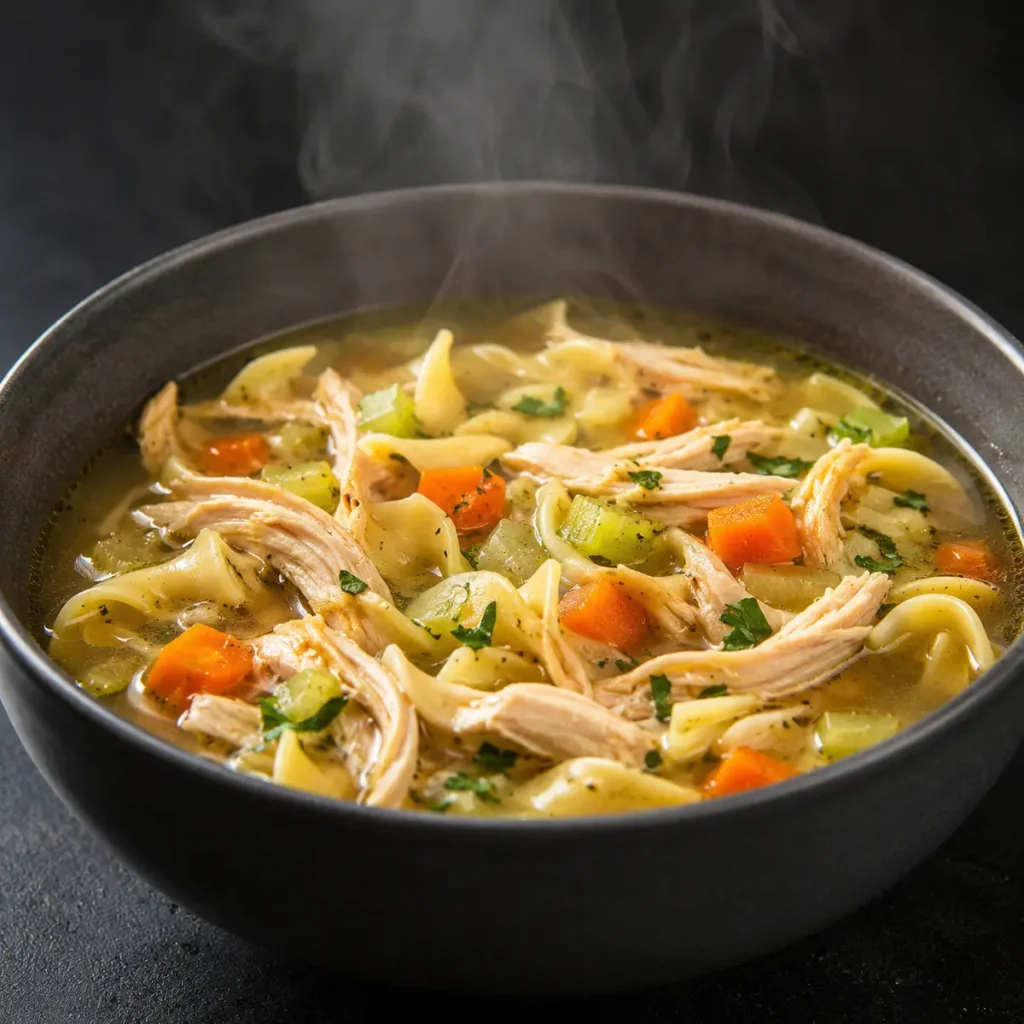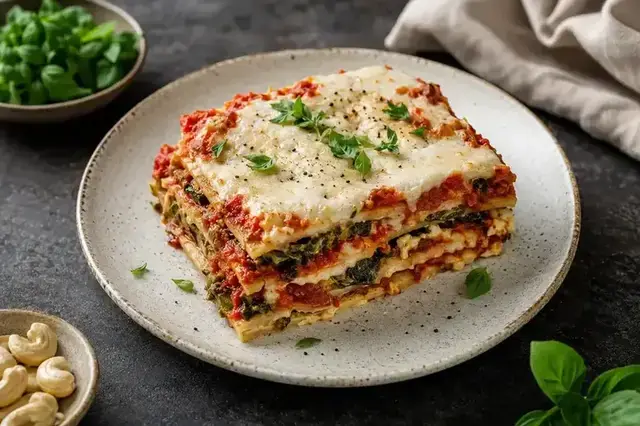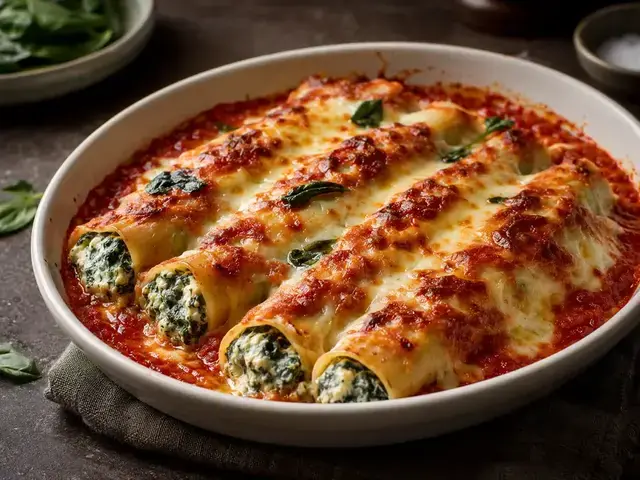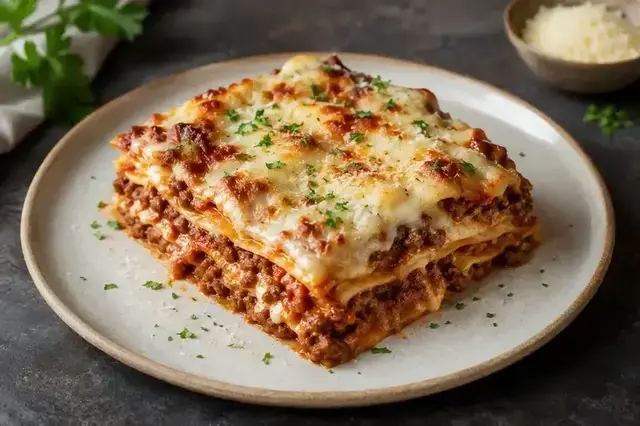

Ingredient at a glance: Dried pasta is a shelf-stable dough product commonly made from durum semolina and water, formed into shapes designed for different sauces.
Flavour, Aroma and Texture
Quality pasta tastes clean and wheaty, with a firm bite. Surface roughness helps sauce cling; overcooking produces swollen soft texture.
How to Select It
Choose intact pasta with uniform colour, appropriate thickness and a clear ingredient label. Bronze-die pasta often has a rougher surface; cracks and powder indicate handling damage.
Professional Preparation
Use abundant boiling water or a tested low-water method, salt consistently and stir immediately. Reserve cooking water before draining; do not rinse for hot sauced dishes.
Best Cooking Methods
- Boil just short of final doneness and finish in sauce.
- Bake undercooked pasta with enough sauce for further hydration.
- Cool rapidly for salad only, coating lightly to prevent sticking.
Flavour Pairings
- Tomato, olive oil, garlic and basil.
- Cheese, butter, cream and black pepper.
- Mushroom, seafood, meat ragù and lentils.
- Chilli, caper, lemon and parsley.
Practical Substitutions
- Gluten-free pasta with product-specific cooking and rapid texture change.
- Fresh pasta with much shorter cooking and softer bite.
- Rice noodles where the sauce and cuisine support them.
Storage and Shelf Life
Store dry pasta sealed, cool and pest-free. Refrigerate cooked pasta promptly; sauce and additions determine final storage limits.
Season and Availability
A year-round pantry product.
Nutrition and Dietary Context
Dried wheat pasta provides carbohydrate and protein; wholegrain types add more fibre. Portion and sauce shape the complete meal.
Allergen and Food-Safety Notes
Most standard pasta contains wheat and gluten; some contains egg. Read labels and prevent cross-contact. Dry pasta is not sterile after handling.
Zero-Waste Use
Use broken pieces in soup, turn safely cooled leftovers into baked dishes and measure dry portions to avoid excess.
Common Mistakes to Avoid
- Rinsing hot pasta and removing useful surface starch.
- Cooking fully in water before a long sauce finish.
- Pairing a delicate shape with a sauce too heavy for it.
Chef’s Quality Check
Cut a piece: the centre should be cooked but firm, with no chalky core, and sauce should cling rather than pool separately.
This profile provides general culinary education. Product composition, allergens, storage life and safety requirements vary; check the label and follow local guidance.