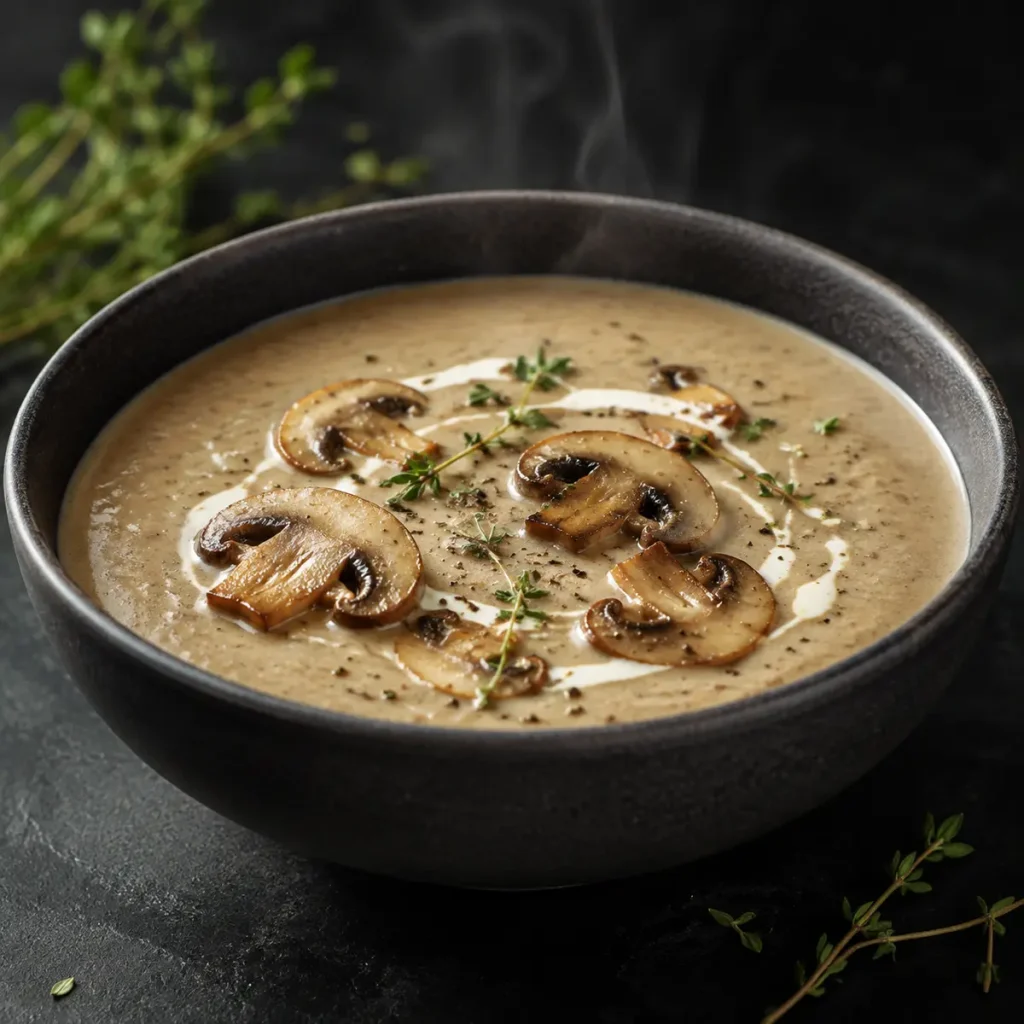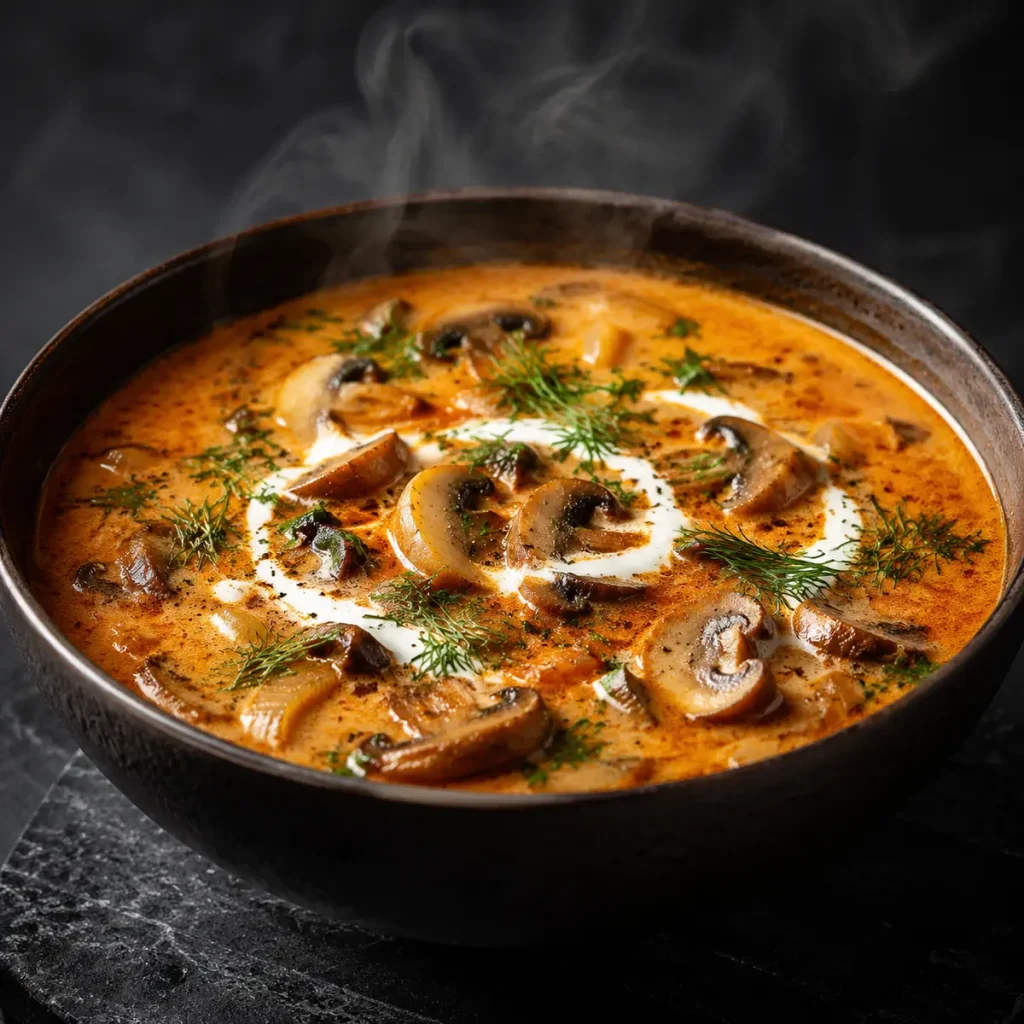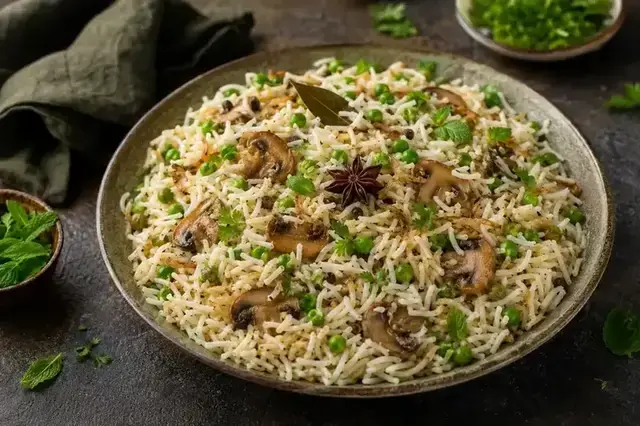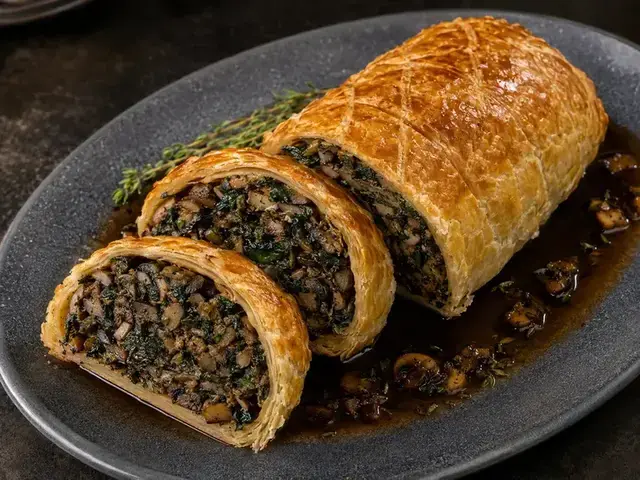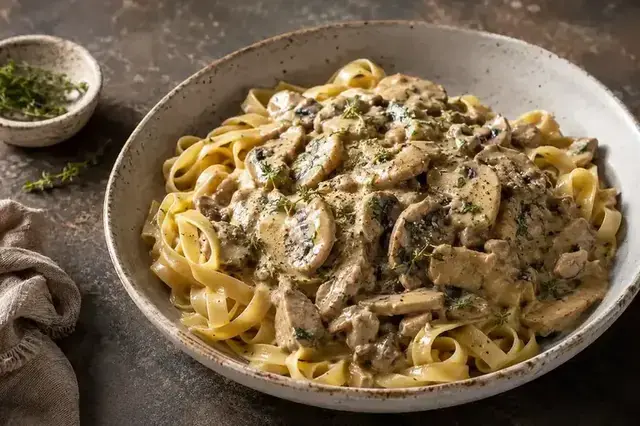
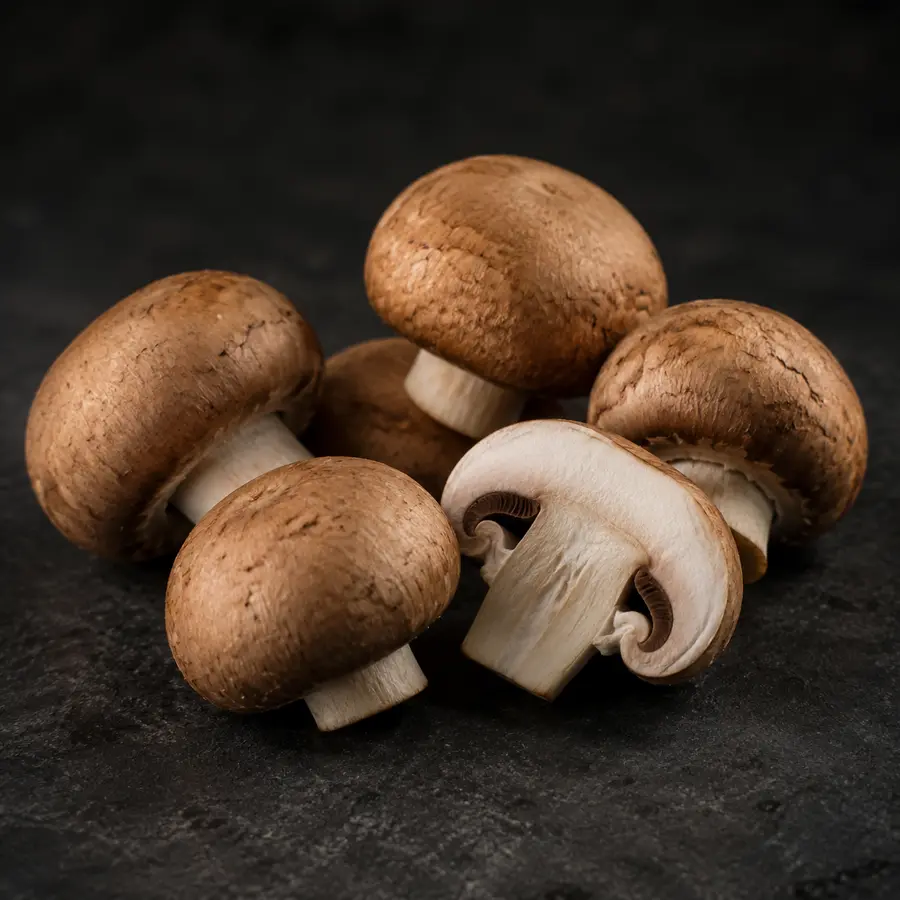
Ingredient at a glance: Culinary mushrooms are fungi valued for umami, savoury aroma and textures ranging from tender button mushrooms to dense meaty varieties.
Flavour, Aroma and Texture
Fresh mushrooms smell earthy and clean. High heat develops roasted savouriness; steaming makes them soft and pale. Species differ greatly in flavour and firmness.
How to Select It
Buy correctly identified edible mushrooms that are firm, dry and intact. Avoid slime, dark wet collapse, ammonia odour or damaged packaging with excessive condensation.
Professional Preparation
Brush or wipe cultivated mushrooms; rinse briefly only when necessary and dry immediately. Trim dry stem ends. Tear irregular varieties along natural fibres and slice dense caps evenly.
Best Cooking Methods
- Sauté in a broad hot pan, allowing released moisture to evaporate.
- Roast with space until edges brown.
- Simmer dried mushrooms and use the strained soaking liquid for stock.
Flavour Pairings
- Garlic, thyme, parsley and black pepper.
- Butter, cream, cheese and eggs.
- Soy sauce, miso, sesame and ginger.
- Lentils, beef, chicken and pasta.
Practical Substitutions
- A different cultivated mushroom with similar density.
- Aubergine for soft savoury bulk.
- Cooked lentils plus a little soy for plant-based umami.
Storage and Shelf Life
Refrigerate in breathable paper or original ventilated packaging, not an airtight wet container. Use sliced mushrooms quickly. Store dried mushrooms dry and sealed.
Season and Availability
Cultivated types are year-round; wild species have specific local seasons and require expert identification.
Nutrition and Dietary Context
Mushrooms contribute B vitamins and minerals in varying amounts. Vitamin D depends on species and light exposure; labels are the reliable product-specific source.
Allergen and Food-Safety Notes
Never eat a wild mushroom unless identified as edible by a qualified local expert. Cooking does not neutralise every mushroom toxin. Allergy and intolerance are possible.
Zero-Waste Use
Dry clean stems for powder, simmer trimmings into stock and pickle a surplus under a tested recipe. Use mushroom cooking liquid to deepen sauces.
Common Mistakes to Avoid
- Soaking mushrooms until they become waterlogged.
- Crowding a cool pan and preventing browning.
- Assuming a wild mushroom is safe because it resembles a cultivated species.
Chef’s Quality Check
Properly browned mushrooms should have a dry caramelised surface, juicy cooked centre and clean savoury aroma without slime or raw sponge texture.
This profile provides general culinary education. Product composition, allergens, storage life and safety requirements vary; check the label and follow local guidance.