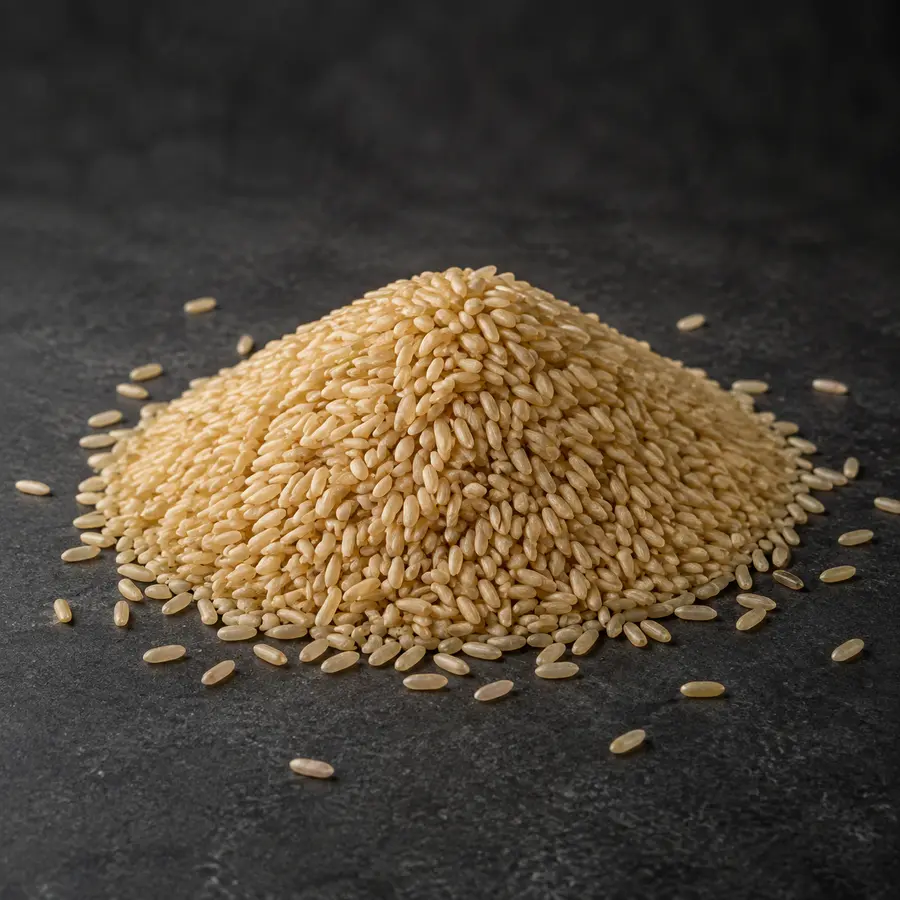
Ingredient at a glance: Brown rice retains bran and germ, giving more fibre, chew and natural oil than polished white rice.
Flavour, Aroma and Texture
It is nutty, earthy and firm. The bran slows water penetration, so undercooked brown rice remains hard even when the outer surface looks done.
How to Select It
Choose clean, uniformly coloured grain with no insects, damp clumps or paint-like rancid smell. Buy quantities that can be used while oils remain fresh.
Professional Preparation
Rinse, drain and use a tested water ratio for the variety. Soaking can shorten cooking but must be included in timing and food-safety planning.
Best Cooking Methods
- Simmer by absorption with a longer covered cook and rest.
- Boil in excess water and drain for predictable tenderness.
- Toast before cooking for deeper nuttiness in pilaf.
Flavour Pairings
- Mushrooms, roasted vegetables, beans and tofu.
- Sesame, soy, ginger and spring onion.
- Lemon, herbs, olive oil and feta.
- Cumin, turmeric, chicken and lentils.
Practical Substitutions
- Brown basmati for greater fragrance.
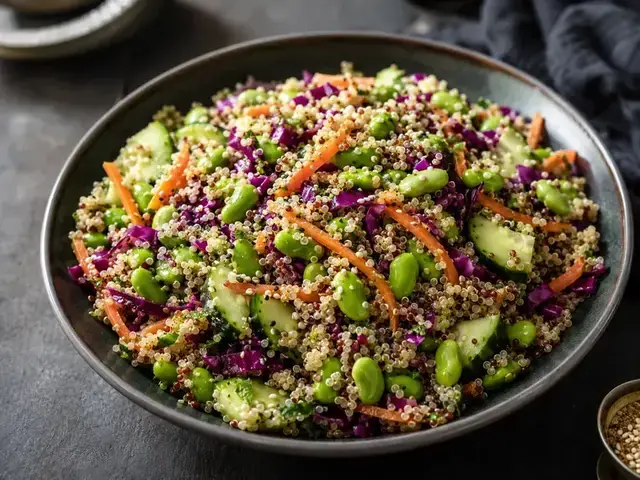
- Farro or barley for a chewier grain bowl.
- White rice for faster cooking and softer texture.
Storage and Shelf Life
Store airtight, cool and dark; refrigerate or freeze for very long storage because bran oils can turn rancid. Cool cooked rice rapidly and refrigerate promptly.
Season and Availability
Available year-round; freshness after milling matters more than season.
Nutrition and Dietary Context
Brown rice generally contains more fibre, magnesium and bran-associated nutrients than white rice, while both are carbohydrate staples.
Allergen and Food-Safety Notes
The same cooked-rice Bacillus cereus controls apply. People with grain allergies or medically directed diets should verify product suitability.
Zero-Waste Use
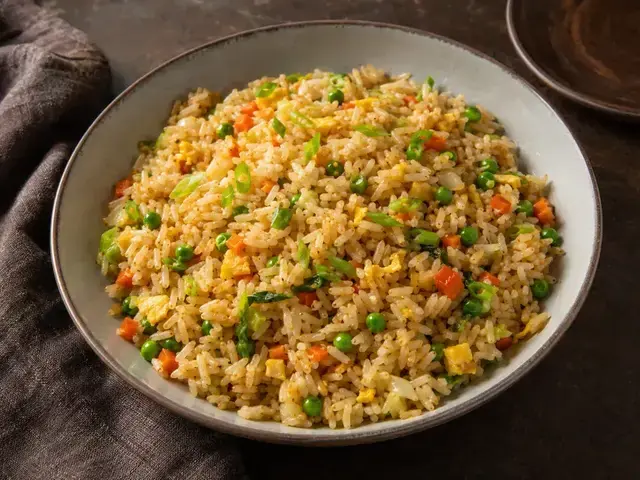
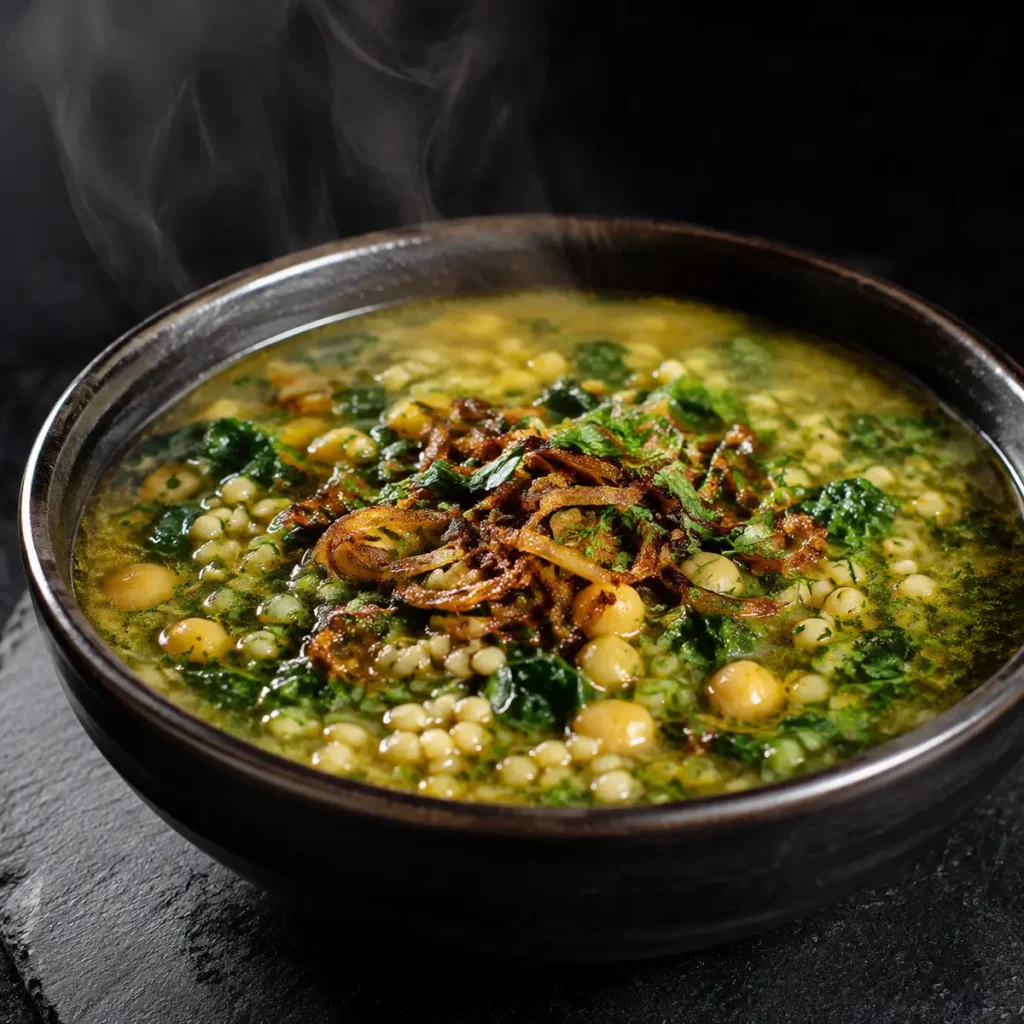
Use cooked leftovers in patties, soup or fried rice only after safe cooling. Grind small dry remnants into flour if equipment and cleanliness allow.
Common Mistakes to Avoid
- Expecting white-rice cooking time and water ratio.
- Keeping a large open bag in a warm cupboard for months.
- Serving grains with a chalky hard bran layer.
Chef’s Quality Check
Bite a grain after resting: bran should be tender-chewy, the centre fully hydrated and aroma nutty rather than rancid.
This profile provides general culinary education. Product composition, allergens, storage life and safety requirements vary; check the label and follow local guidance.