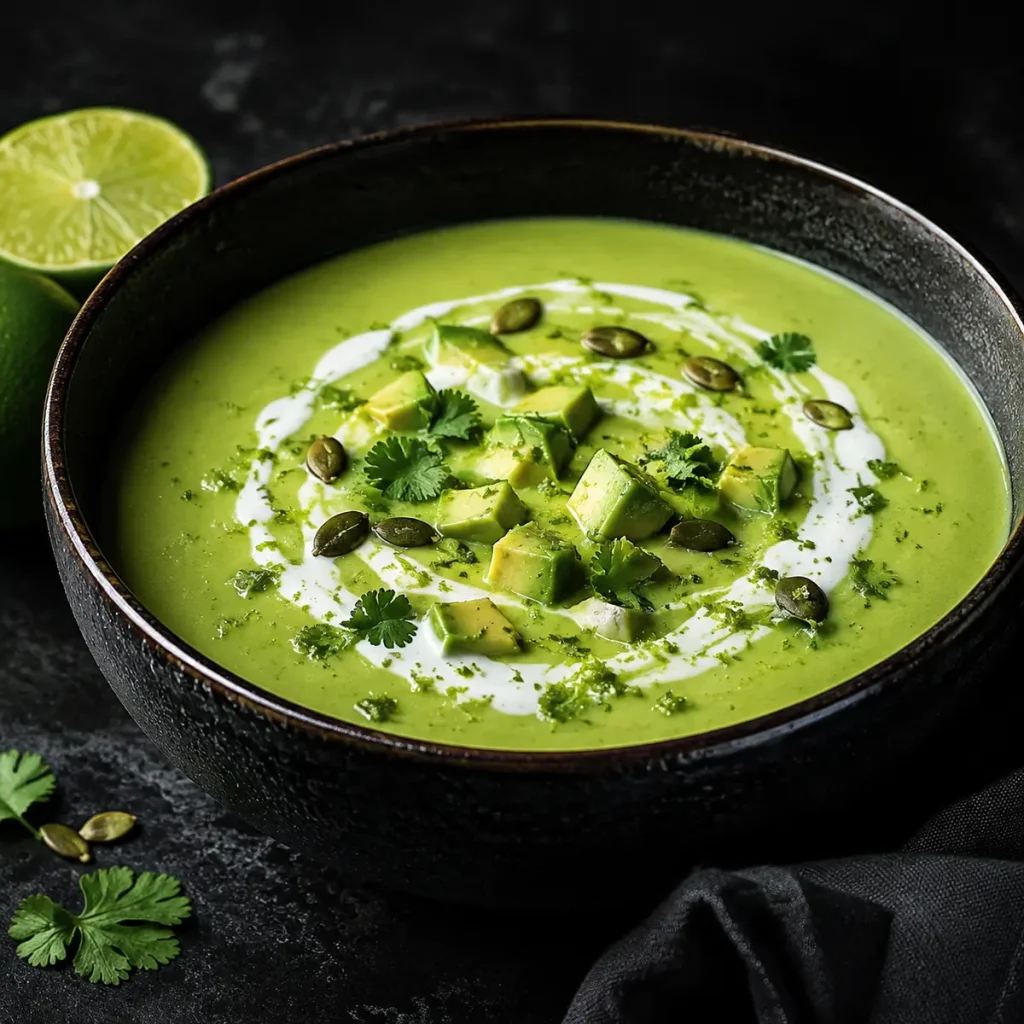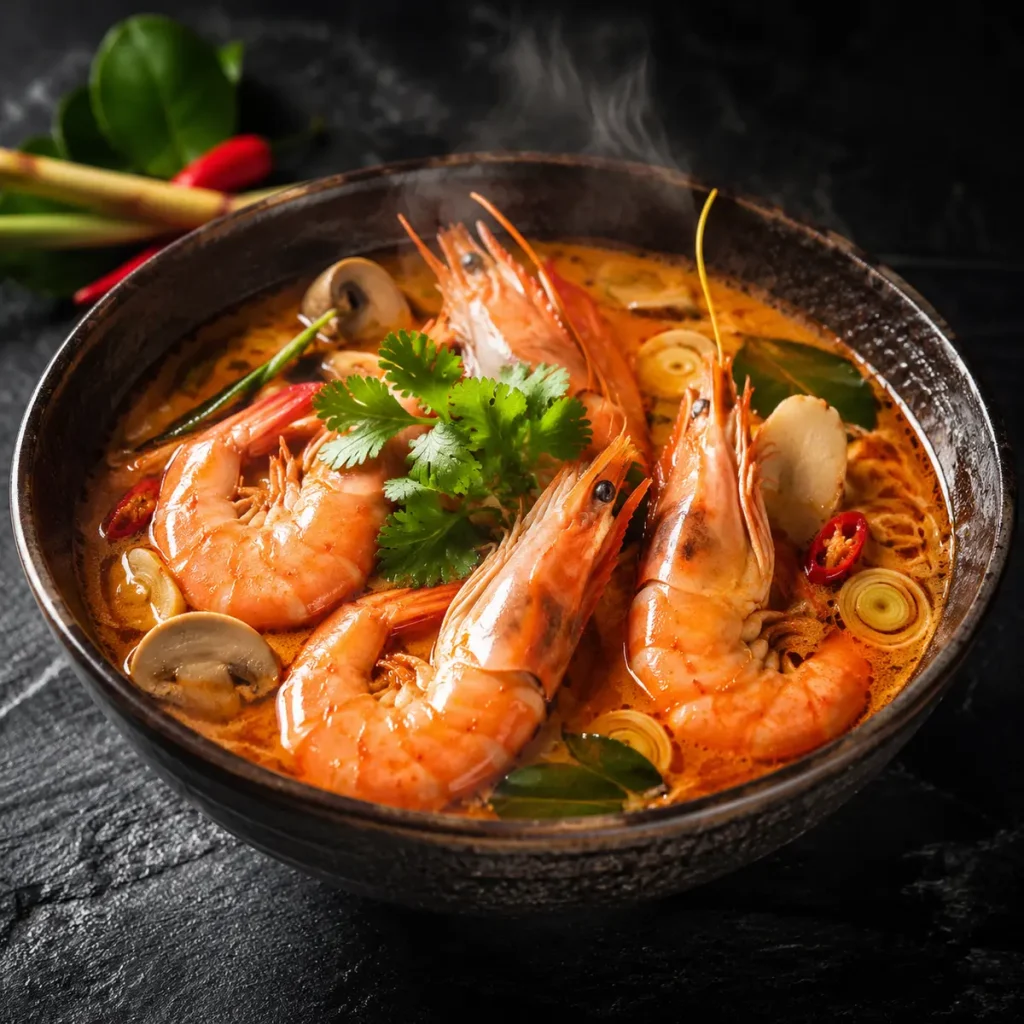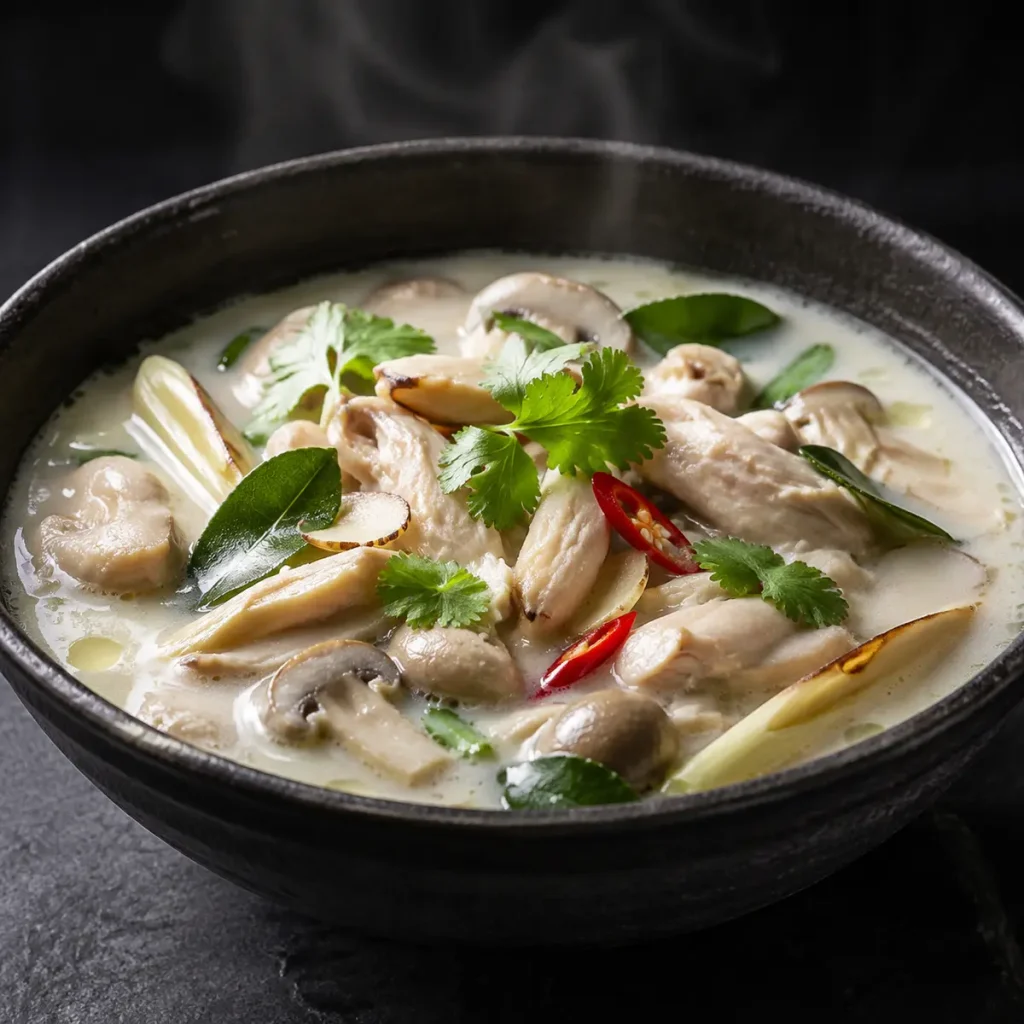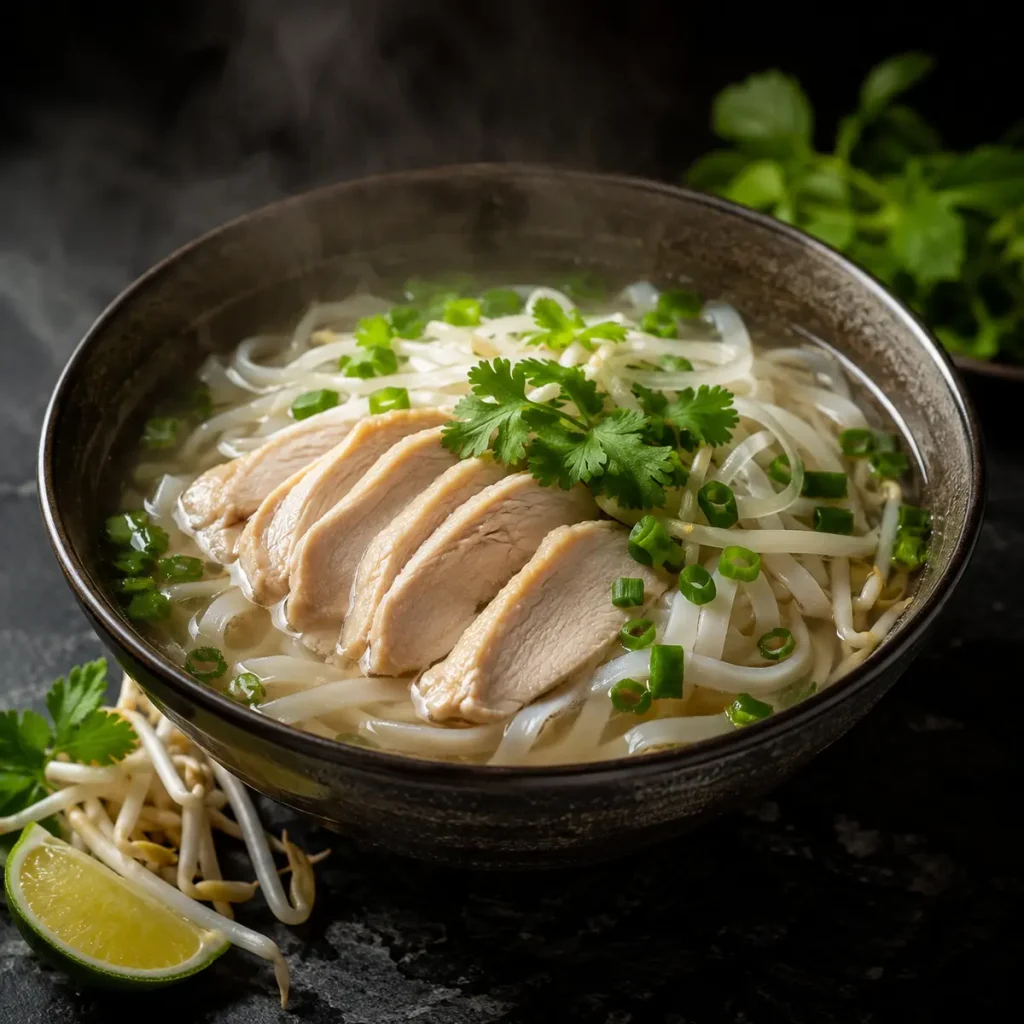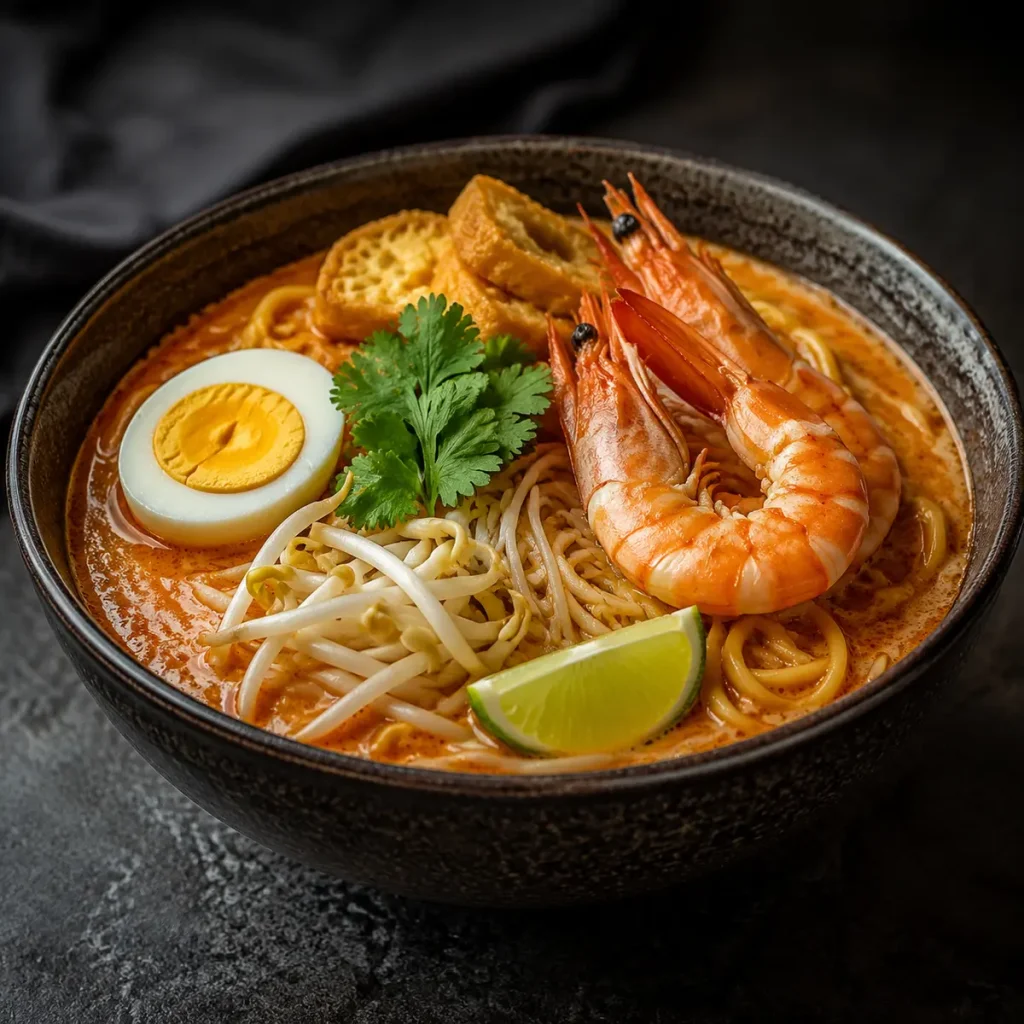

Ingredient at a glance: Lime is a highly aromatic citrus used for its green zest, sharp juice and fresh finish, particularly in South Asian, Southeast Asian and Latin cooking.
Flavour, Aroma and Texture
Lime is usually sharper and more floral than lemon, with resinous peel oils and a clean sour finish. Heated juice loses freshness quickly.
How to Select It
Choose limes that feel heavy and yield slightly, with glossy skin and no dry hard patches, mould or fermented leakage. Yellowing can indicate ripeness rather than automatic spoilage.
Professional Preparation
Wash and dry before zesting. Zest before cutting, squeeze close to service, strain seeds and measure rather than guessing because acidity varies by fruit.
Best Cooking Methods
- Add juice at the end of curry, soup or stir-fry.
- Use zest in marinades, cakes and aromatic pastes.
- Char halves briefly for smoky garnish and easier juicing.
Flavour Pairings
- Coriander, mint, chilli and lemongrass.
- Coconut, avocado, tomato and cucumber.
- Fish, prawns, chicken and black beans.
- Ginger, cumin, tequila and tropical fruit.
Practical Substitutions
- Lemon for a rounder, less tropical acidity.
- Tamarind for darker fruit acidity in cooked dishes.
- Rice vinegar for clean acid when citrus aroma is not essential.
Storage and Shelf Life
Refrigerate whole fruit in a breathable bag for longer life. Refrigerate cut lime covered and use promptly; freeze measured zest or juice for cooked dishes.
Season and Availability
Availability is year-round through global supply, with local peaks depending on climate and variety.
Nutrition and Dietary Context
Lime juice contains vitamin C but portions are small. Its main culinary value is flavour balance rather than a concentrated nutritional serving.
Allergen and Food-Safety Notes
Citrus allergy and skin irritation are possible. Lime juice on skin followed by strong sunlight can cause phytophotodermatitis; wash exposed skin.
Zero-Waste Use
Freeze zest, turn sound peel into syrup or cordial under a tested recipe, and use squeezed shells to infuse water briefly before discarding.
Common Mistakes to Avoid
- Adding all the juice before tasting the dish.
- Cooking lime juice until fresh aroma disappears.
- Leaving cut lime exposed so it dries and absorbs odours.
Chef’s Quality Check
Lime should smell vivid and fresh; in the finished dish it should brighten flavours without creating a raw, mouth-puckering imbalance.
This profile provides general culinary education. Product composition, allergens, storage life and safety requirements vary; check the label and follow local guidance.