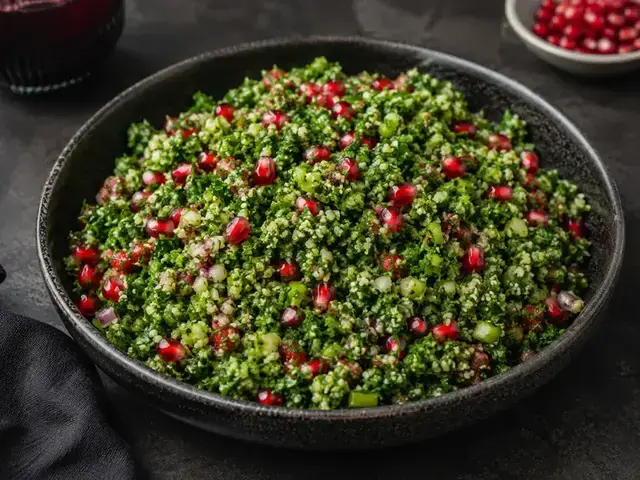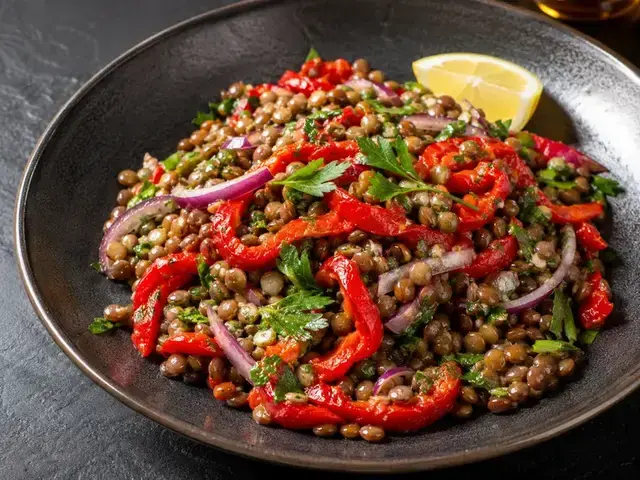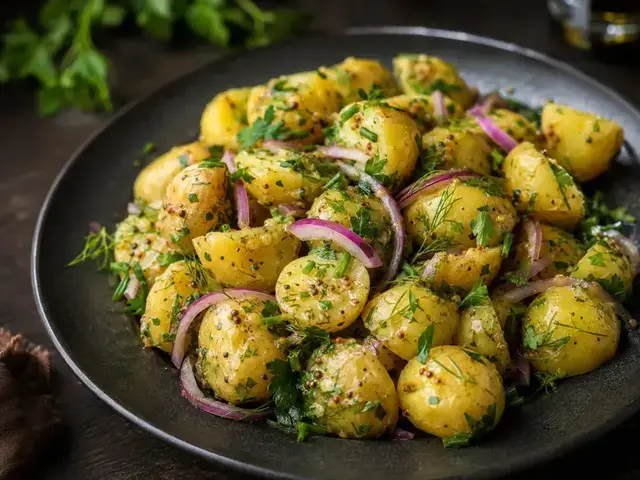

Ingredient at a glance: Flat-leaf parsley is a sturdy herb whose leaves and tender stems bring freshness, mild bitterness and structure to sauces, salads and cooked dishes.
Flavour, Aroma and Texture
Parsley tastes clean, grassy and gently peppery. Stems are more concentrated; prolonged cooking softens aroma but they remain useful in stocks.
How to Select It
Choose dark-green, springy bunches with a fresh herbal smell. Avoid yellow leaves, slime, mildew or bunches that have absorbed strong refrigerator odours.
Professional Preparation
Wash in abundant cold water, lift from grit and dry completely. Use a sharp knife to slice rather than crush. Separate coarse lower stems from tender upper stems.
Best Cooking Methods
- Fold into salads, gremolata and grain dishes near service.
- Blend into herb sauce with oil, acid and aromatics.
- Add coarse stems to bouquet garni, then remove before serving.
Flavour Pairings
- Lemon, garlic, capers and olive oil.
- Fish, chicken, mushrooms and beans.
- Tomato, cucumber, bulgur and potato.
- Mint, dill, thyme and chives.
Practical Substitutions
- Coriander leaves for a citrusy, more distinctive herb.
- Chervil for delicate anise freshness.
- Celery leaves for a stronger vegetal note in cooked preparations.
Storage and Shelf Life
Refrigerate dry in a towel-lined container or stems-in-water arrangement, changing water and removing damaged leaves. Freeze chopped parsley for cooking, not fresh garnish texture.
Season and Availability
Widely available year-round, with best field quality in mild weather.
Nutrition and Dietary Context
Parsley contributes vitamin K and other micronutrients, but garnish quantities are small. People taking anticoagulant medicine should follow consistent-diet advice from clinicians.
Allergen and Food-Safety Notes
Parsley allergy is possible. Wash away soil carefully and avoid confusing it with toxic wild look-alikes; buy from identified food sources.
Zero-Waste Use
Use stems in stock, herb oil or sauce; turn a surplus into tabbouleh-style salad or freeze chopped portions before yellowing begins.
Common Mistakes to Avoid
- Leaving washed parsley wet before chopping.
- Treating coarse stems as tender garnish.
- Adding all parsley early to a long-cooked dish.
Chef’s Quality Check
Chopped parsley should stay loose, green and aromatic, with no wet clumps or bruised black edges.
This profile provides general culinary education. Product composition, allergens, storage life and safety requirements vary; check the label and follow local guidance.