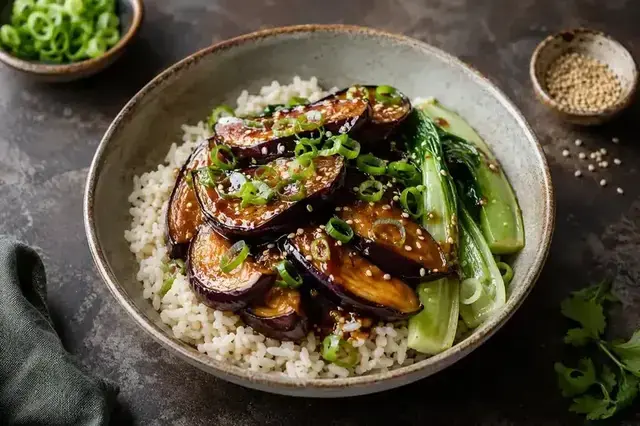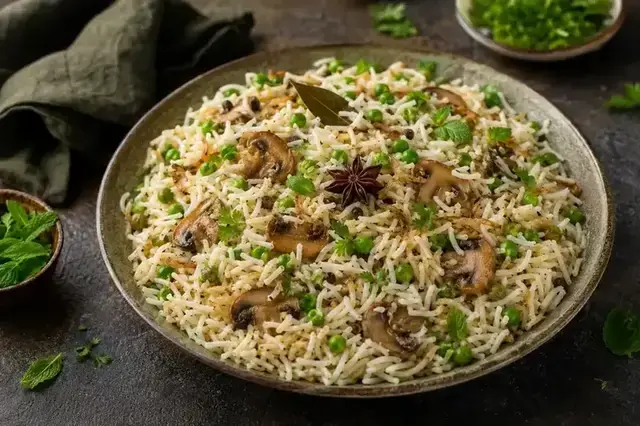

Ingredient at a glance: Basmati is a long-grain aromatic rice from South Asia prized for fragrance, slender shape and elongation during cooking.
Flavour, Aroma and Texture
Good basmati smells floral and nutty, especially when aged. Cooked grains should be light and separate rather than sticky or split.
How to Select It
Choose correctly labelled basmati with uniform long grains, minimal broken rice and a clean aroma. Aged rice usually needs more water but can produce firmer separate grains.
Professional Preparation
Measure by weight or a consistent cup, rinse gently until excess cloudiness reduces and soak when the method specifies it. Drain accurately so soaking water does not distort the ratio.
Best Cooking Methods
- Absorption cook with a tight lid and measured water.
- Parboil and drain for biryani before steaming in layers.
- Cook as pilaf after lightly coating grains in fat.
Flavour Pairings
- Cardamom, cinnamon, cumin and bay.
- Dal, curry, kebab and roasted vegetables.
- Saffron, fried onion, mint and coriander.
- Ghee, yogurt, lemon and nuts.
Practical Substitutions
- Other long-grain rice with adjusted water and less aroma.
- Jasmine rice for a softer floral but stickier result.
- Brown basmati with substantially longer cooking.
Storage and Shelf Life
Store dry rice airtight, cool and protected from pests. Cool cooked rice rapidly in shallow containers, refrigerate promptly and reheat only under safe time-temperature control.
Season and Availability
A shelf-stable year-round grain; new and aged crops behave differently.
Nutrition and Dietary Context
Basmati supplies carbohydrate and small amounts of protein. Brown basmati retains more bran and fibre than white basmati.
Allergen and Food-Safety Notes
Rice can carry Bacillus cereus spores; unsafe cooling and holding allow growth. Rinsing does not replace safe cooked-rice handling.
Zero-Waste Use
Use broken grains for porridge or pudding, and turn safely chilled leftovers into fried rice. Measure portions to reduce cooked surplus.
Common Mistakes to Avoid
- Changing rice, water and pan but keeping the same ratio blindly.
- Lifting the lid repeatedly during absorption.
- Leaving cooked rice cooling slowly at room temperature.
Chef’s Quality Check
After resting, grains should fluff apart, smell aromatic and remain cooked through without wet clumps or a hard centre.
This profile provides general culinary education. Product composition, allergens, storage life and safety requirements vary; check the label and follow local guidance.