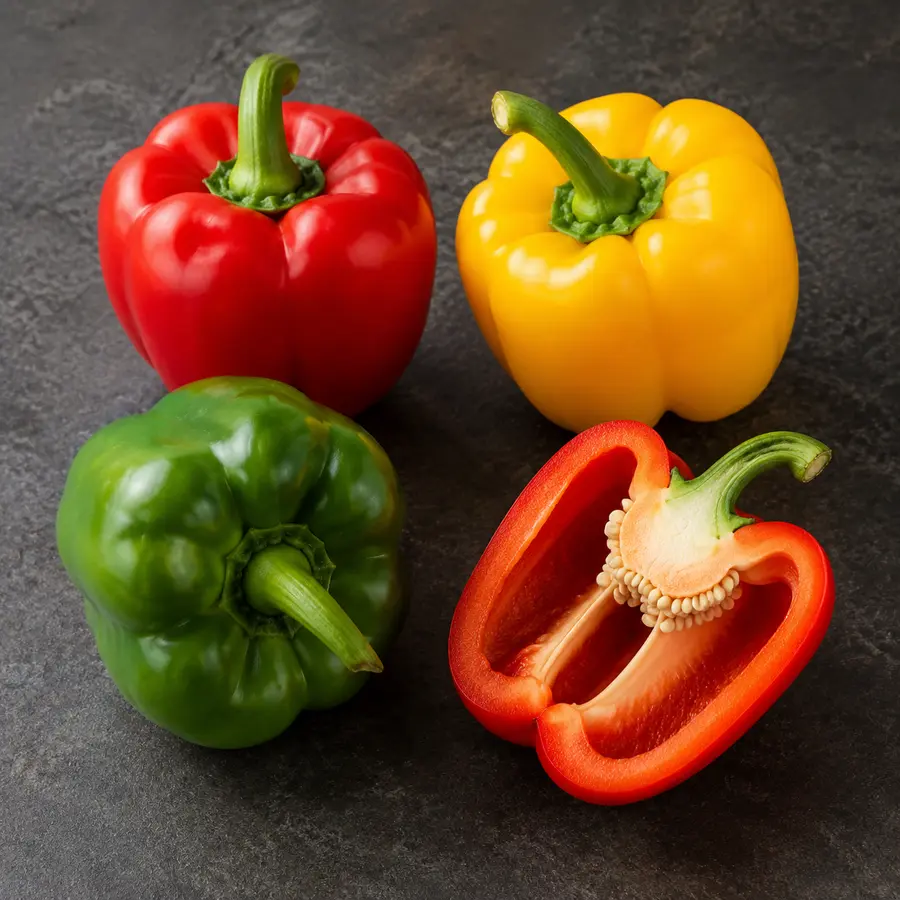
Ingredient at a glance: Bell pepper is a non-pungent capsicum valued for crisp texture, colour and increasing sweetness as it ripens from green to red, yellow or orange.
Flavour, Aroma and Texture
Green pepper is grassy and slightly bitter; ripe colours are sweeter and fruitier. Charring adds smoke and softens flesh, while quick cooking retains snap.
How to Select It
Choose glossy, firm, heavy peppers with taut skin and a fresh stem. Avoid wrinkles, soft shoulders, splits, black patches or internal mould around the seed core.
Professional Preparation
Wash, halve and remove stem, seeds and pale membranes. Cut along natural panels for even strips. For peeled roasted pepper, blacken the skin, cover briefly, then scrape without washing away flavour.
Best Cooking Methods
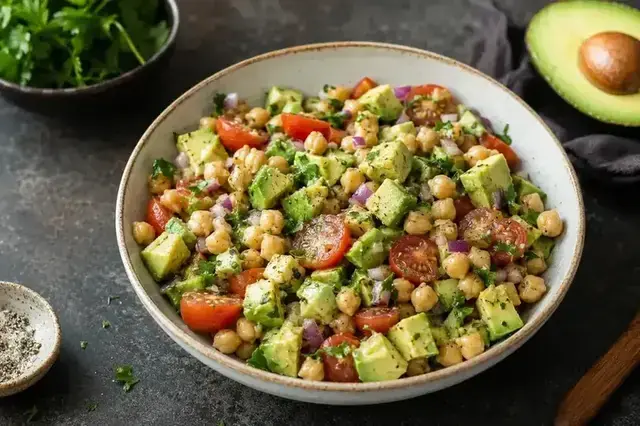
- Serve raw in salads, salsa and crudités.
- Char or roast until the skin blisters and flesh softens.
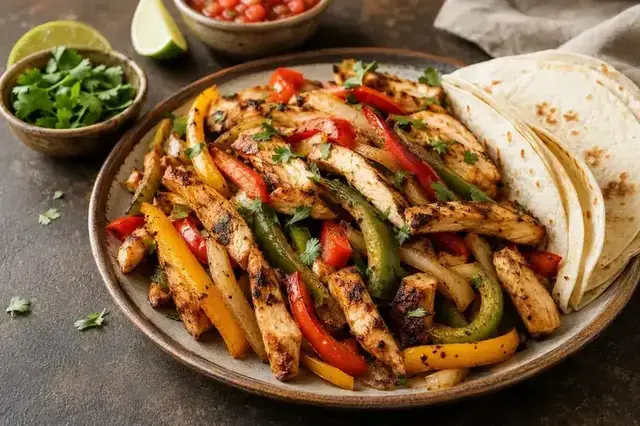
- Stir-fry or sauté briefly over high heat to retain colour.
Flavour Pairings
- Tomato, onion, garlic and aubergine.
- Feta, yogurt, olive oil and eggs.
- Cumin, paprika, oregano and basil.
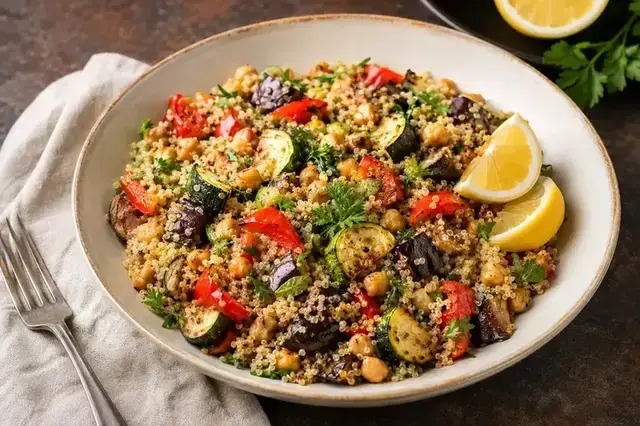
- Chicken, beef, chickpeas and rice.
Practical Substitutions
- Poblano or mild chilli with adjusted heat.
- Roasted tomato for soft sweetness in sauce.
- Courgette for crisp vegetable bulk without pepper flavour.
Storage and Shelf Life
Refrigerate whole and dry in the crisper. Store cut pepper covered and cold, and use promptly. Roasted peeled pepper must remain refrigerated in a clean container.
Season and Availability
Best field-grown flavour occurs in warm seasons, with greenhouse supply available for much of the year.
Nutrition and Dietary Context
Bell peppers provide vitamin C and carotenoids in amounts that vary by colour and ripeness. Cooking softens texture and can change vitamin retention.
Allergen and Food-Safety Notes
Capsicum allergy or sensitivity is possible. Discard peppers with internal mould, slime or fermentation; cutting around mould is not reliable for soft produce.
Zero-Waste Use
Dice sound offcuts into sofrito, stock or sauce. Roast surplus peppers and freeze portions for cooked dishes after safe cooling.
Common Mistakes to Avoid
- Washing peeled roasted peppers and removing concentrated flavour.
- Mixing very different strip sizes in a quick stir-fry.
- Storing cut pepper wet and accelerating spoilage.
Chef’s Quality Check
The pepper should match the dish: crisp and juicy raw, lightly tender in a sauté, or fully silky and cleanly peeled after roasting.
This profile provides general culinary education. Product composition, allergens, storage life and safety requirements vary; check the label and follow local guidance.