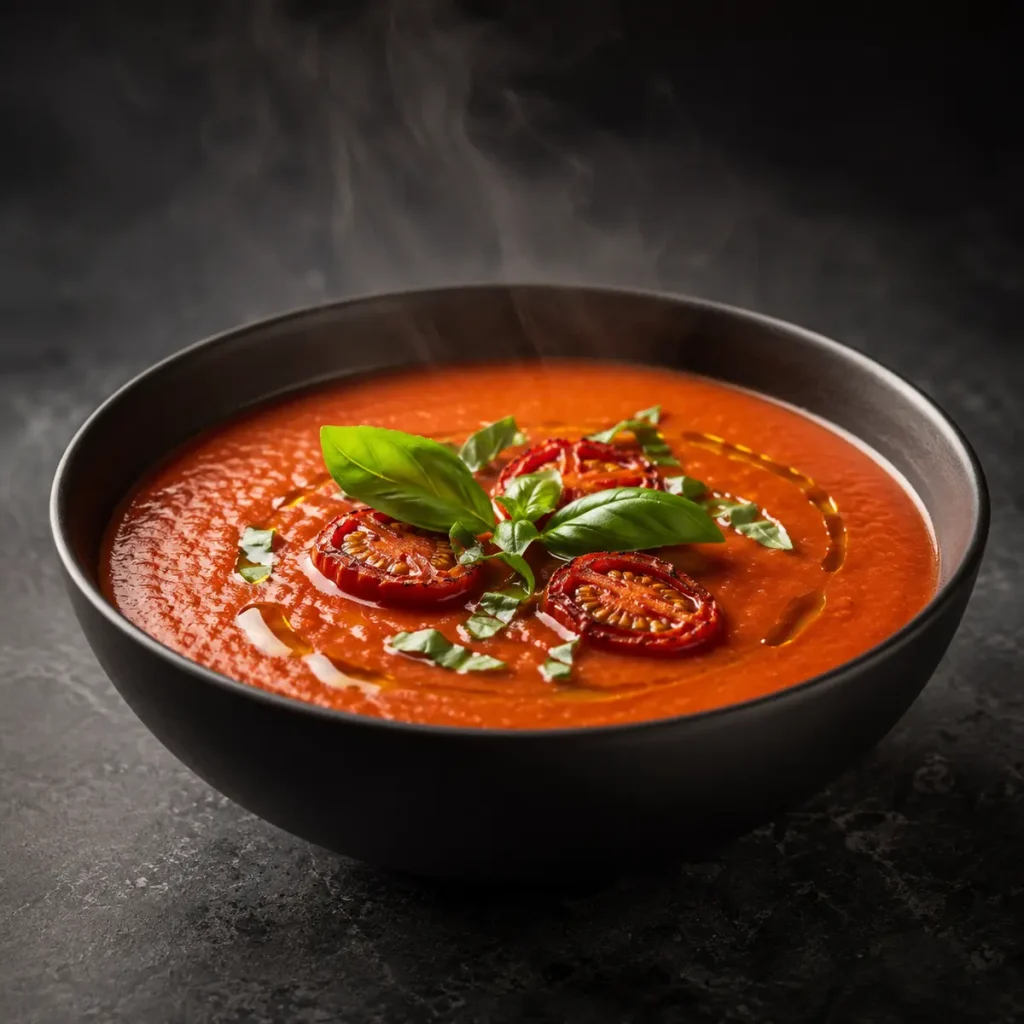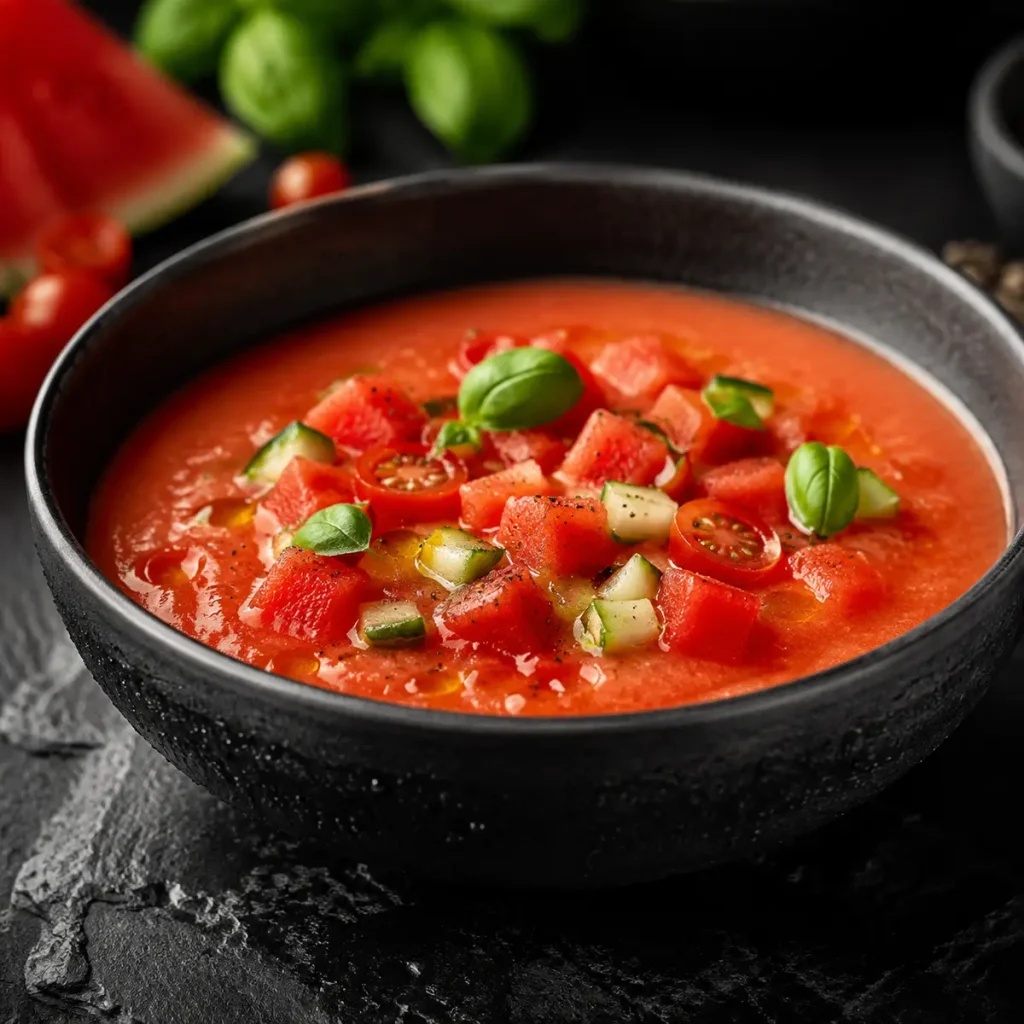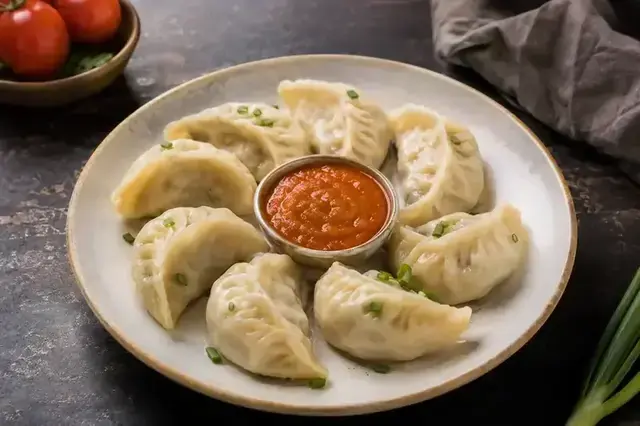

Ingredient at a glance: Tomato is a fruit used as a vegetable, valued for acidity, natural glutamates, colour and the ability to form both fresh and cooked sauces.
Flavour, Aroma and Texture
Ripe tomato balances sweetness, acidity and savoury depth. Flesh ranges from juicy and tender to dense and meaty; prolonged cooking concentrates umami and softens sharp acidity.
How to Select It
Choose tomatoes that feel heavy, smell fresh at the stem and yield slightly without leaking. Use fleshy plum types for sauce, cherry types for quick roasting and aromatic ripe slicing types for raw dishes.
Professional Preparation
Wash just before use. Remove the core; seed or peel only when the final texture requires it. Salt cut tomatoes shortly before service, or drain them deliberately when controlling excess water.
Best Cooking Methods
- Serve raw with restrained seasoning to preserve aroma.
- Roast at high heat to concentrate sweetness and evaporate water.
- Simmer uncovered for sauce, allowing time for acidity and texture to balance.
Flavour Pairings
- Basil, oregano, thyme and coriander.
- Garlic, onion, chilli and aubergine.
- Olive oil, cheese, eggs and lentils.
- Cumin, mustard seed and fenugreek.
Practical Substitutions
- Canned whole tomato for consistent cooked sauces.
- Roasted red pepper plus a little acid for tomato-free body.
- Tamarind or lemon only for acidity, not tomato texture.
Storage and Shelf Life
Keep underripe whole tomatoes at room temperature away from direct sun. Refrigerate fully ripe tomatoes only to slow spoilage, then bring to serving temperature for flavour. Refrigerate cut tomato promptly in a clean covered container.
Season and Availability
Peak flavour is usually associated with warm-season field crops, although greenhouse and canned products provide year-round availability.
Nutrition and Dietary Context
Tomatoes provide water, fibre and carotenoids including lycopene. Fat can aid absorption of some carotenoids, but nutrition varies with variety and processing.
Allergen and Food-Safety Notes
Tomato allergy and oral-allergy reactions are possible. Discard mouldy, leaking or fermented tomatoes; mould can penetrate soft produce beyond the visible spot.
Zero-Waste Use
Roast sound trimmings into sauce, dry skins for powder and strain seeds for stock. Freeze surplus ripe tomatoes for cooked applications rather than allowing spoilage.
Common Mistakes to Avoid
- Refrigerating underripe tomatoes before flavour develops.
- Crowding a sauce with watery tomatoes and covering the pan.
- Adding sugar automatically instead of first balancing reduction, salt and acidity.
Chef’s Quality Check
A good tomato should smell fresh, show no watery breakdown and suit the dish: bright and juicy when raw, concentrated and cohesive when cooked.
This profile provides general culinary education. Product composition, allergens, storage life and safety requirements vary; check the label and follow local guidance.