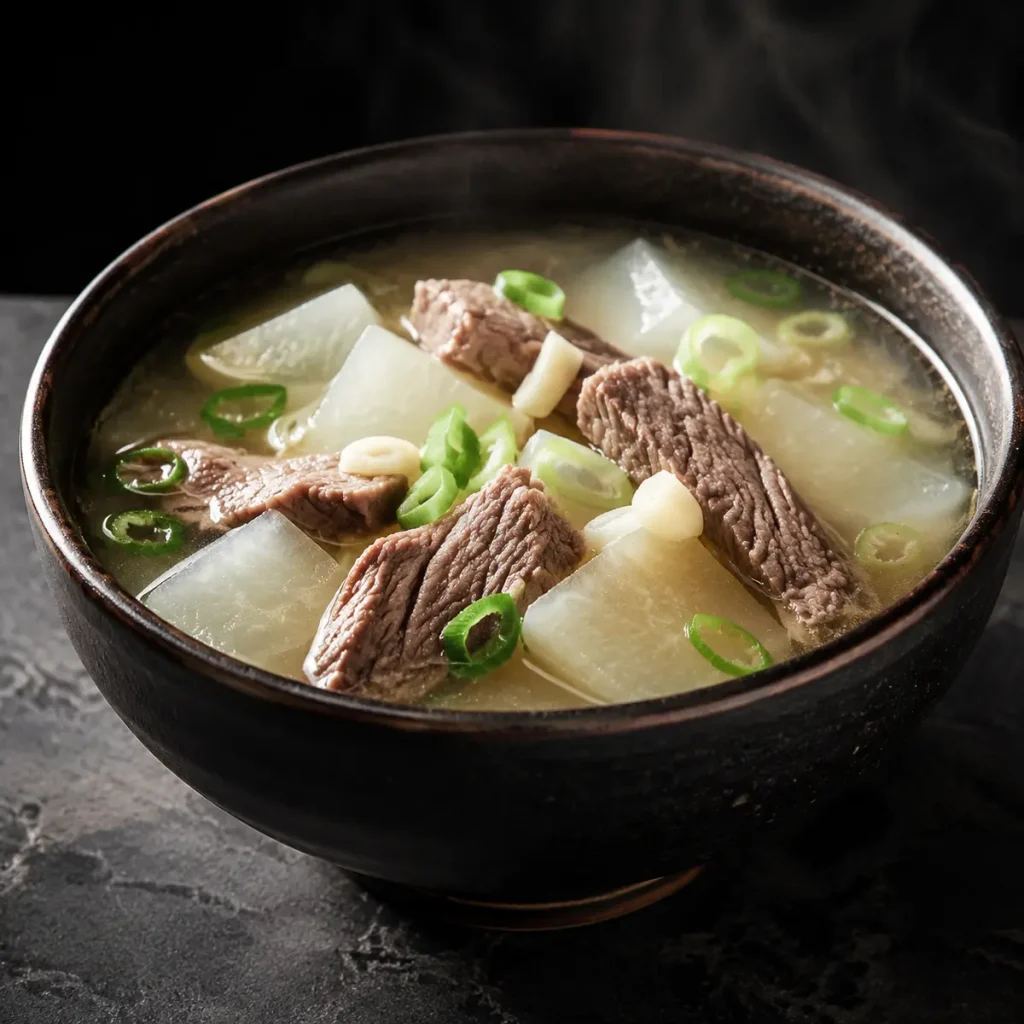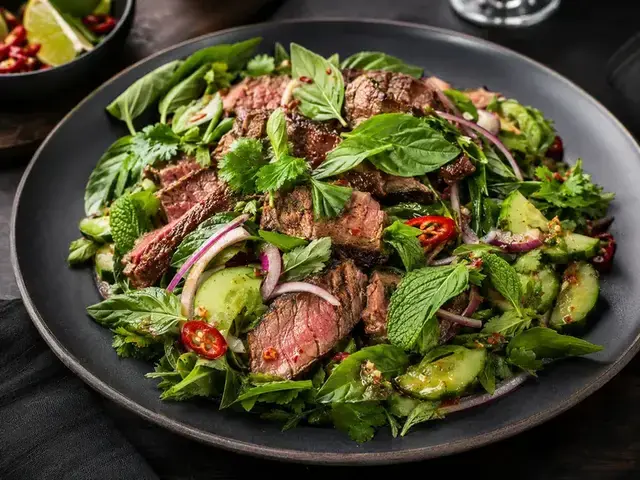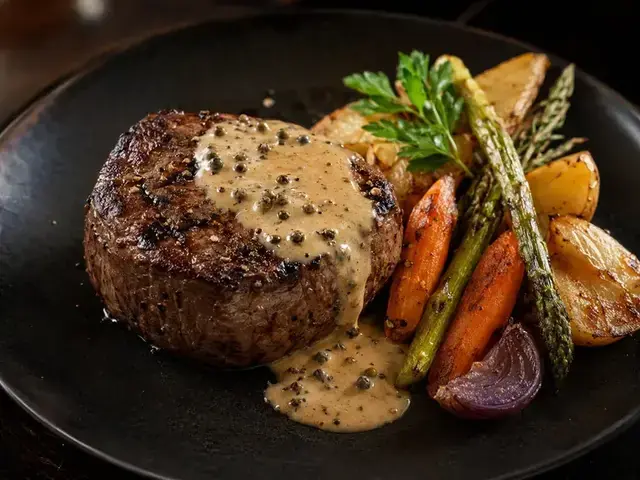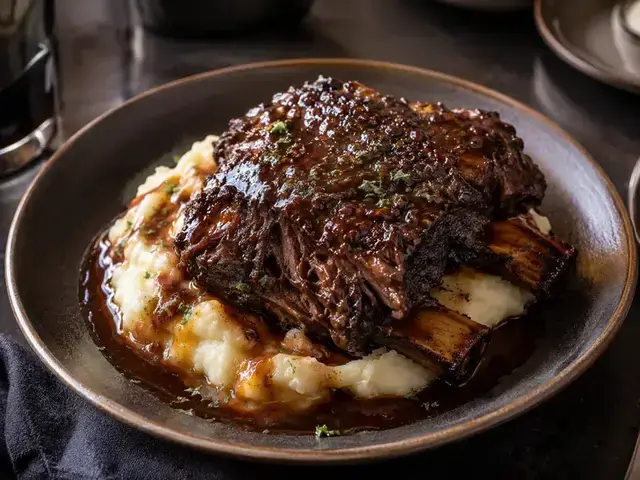
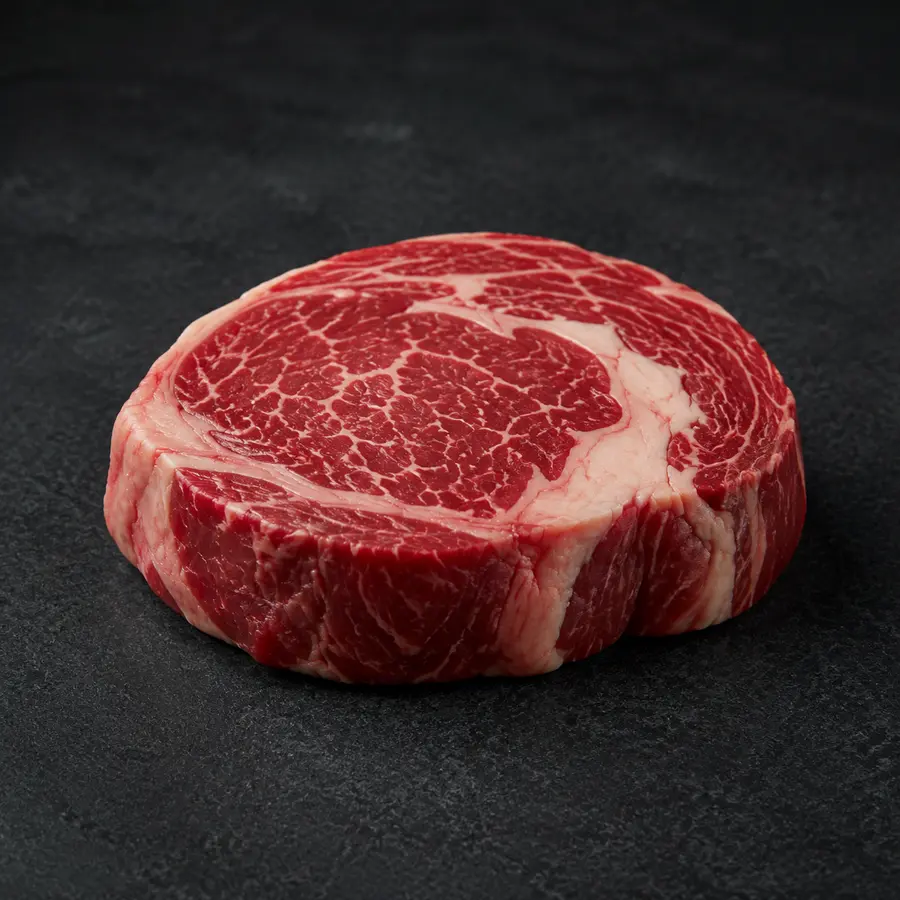
Ingredient at a glance: Steak is a portion of beef cut across a muscle, with tenderness determined by the specific muscle, marbling, ageing and slicing.
Flavour, Aroma and Texture
It is savoury and mineral, with fat carrying roasted flavour. High surface heat develops crust; overcooking or incorrect slicing makes some cuts tough.
How to Select It
Choose the cut for the method, even thickness, clean red colour and creamy fat. Vacuum-packed beef may appear darker until exposed to air but should not smell spoiled after brief airing.
Professional Preparation
Keep cold, pat dry, season consistently and temper only under a controlled food-safety procedure. Trim silverskin and identify grain direction before cooking.
Best Cooking Methods
- Pan-sear thick tender steak and finish with controlled heat.
- Grill over two heat zones to manage flare-ups.
- Cook tougher steak quickly, rest and slice thinly across the grain.
Flavour Pairings
- Black pepper, garlic, thyme and butter.
- Mustard, mushroom, red wine and shallot.
- Chimichurri, lemon, parsley and chilli.
- Potato, spinach, onion and blue cheese.
Practical Substitutions
- Lamb steak for smaller rich red-meat portions.
- Portobello mushroom for grilled savoury character.
- Seitan for a plant-based chew where gluten is acceptable.
Storage and Shelf Life
Store raw beef cold, sealed and below ready-to-eat foods. Freeze with air excluded. Refrigerate cooked steak promptly after service.
Season and Availability
Available year-round; breed, feed and ageing affect quality more than season.
Nutrition and Dietary Context
Beef supplies protein, iron and vitamin B12. Fat varies considerably by cut and trimming.
Allergen and Food-Safety Notes
Whole-cut steak and minced beef have different risk profiles. Use a calibrated thermometer and follow current local guidance, especially for vulnerable diners.
Zero-Waste Use
Use trimmings in stock or mince only with appropriate controls, and slice safely chilled leftovers into one subsequent meal.
Common Mistakes to Avoid
- Buying by name without checking thickness and muscle.
- Moving steak constantly before a crust forms.
- Slicing with the grain immediately after cooking.
Chef’s Quality Check
Crust should be evenly browned, interior match the chosen safe doneness and slices feel tender across the grain after resting.
This profile provides general culinary education. Product composition, allergens, storage life and safety requirements vary; check the label and follow local guidance.