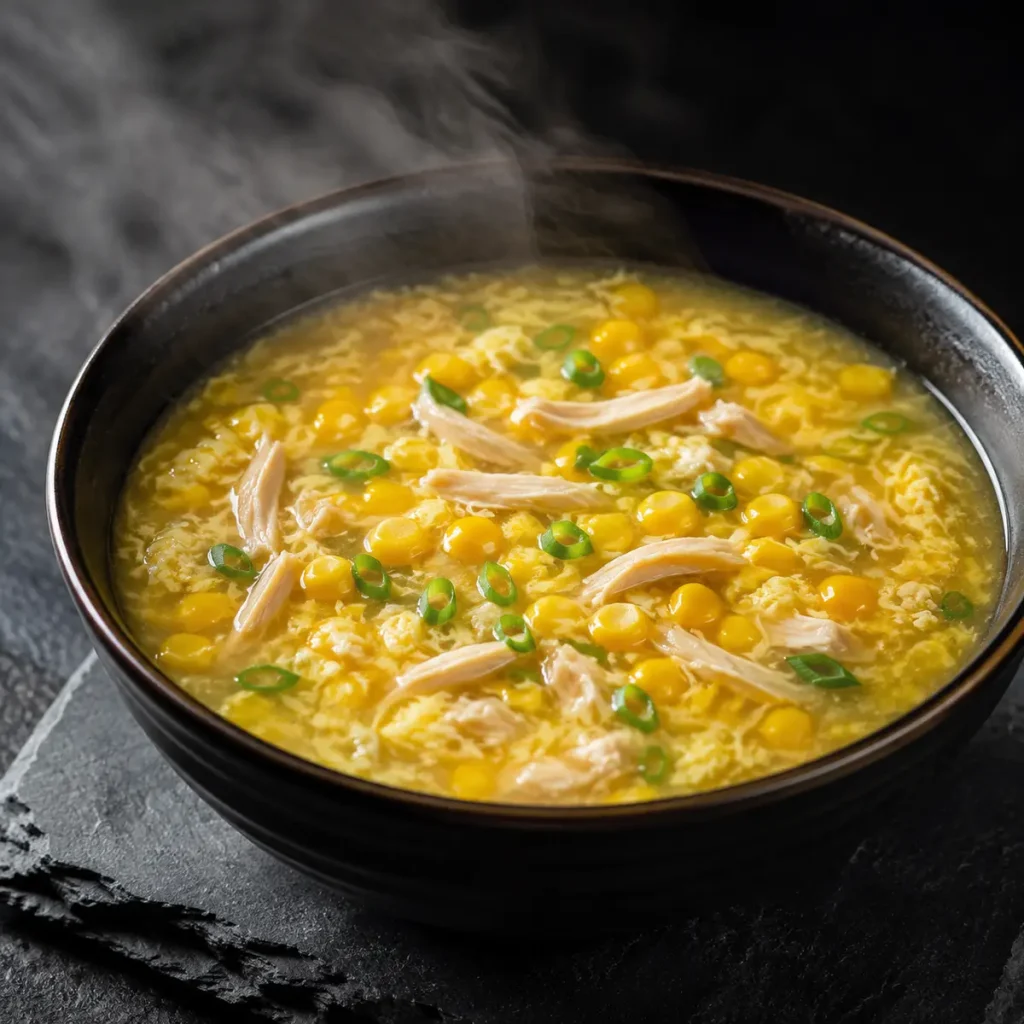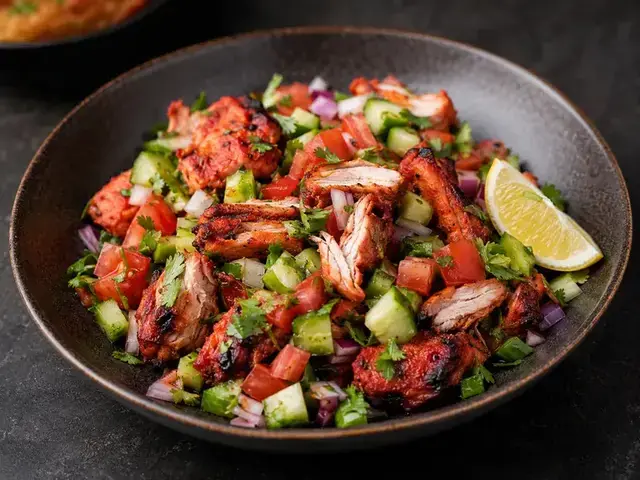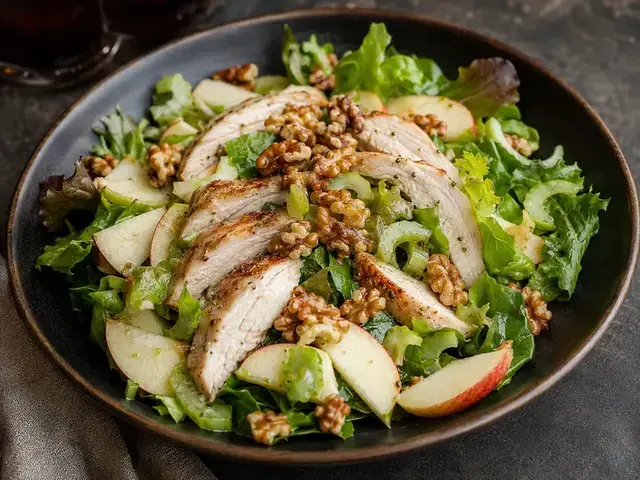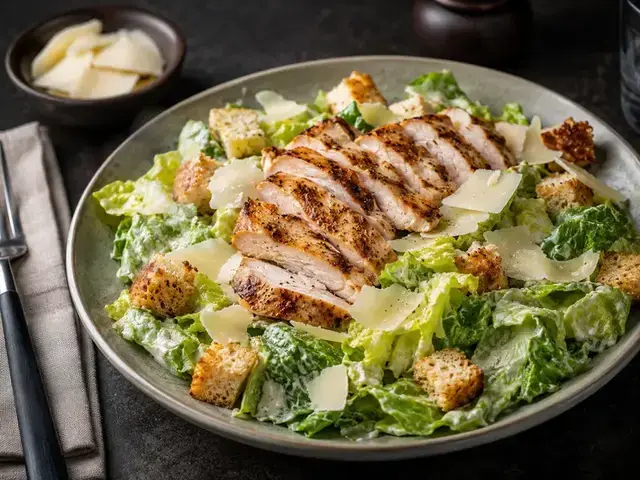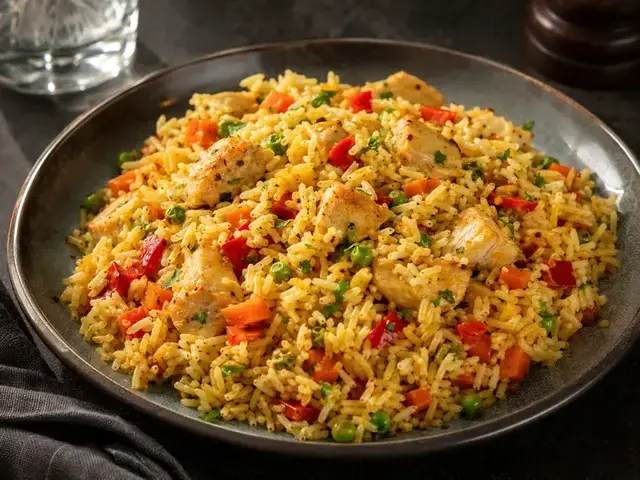
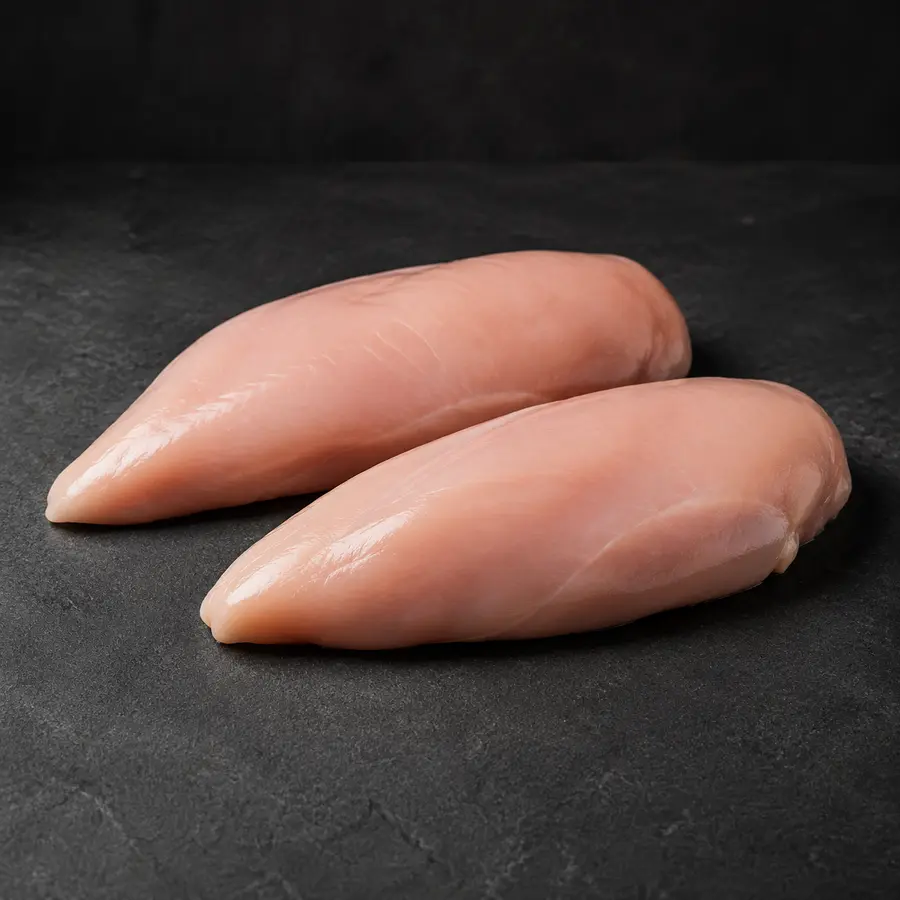
Ingredient at a glance: Chicken breast is lean white poultry meat with little connective tissue, suited to quick cooking when thickness and temperature are controlled.
Flavour, Aroma and Texture
It is mild and tender when just cooked, but becomes fibrous and dry after excessive heat. Browning supplies most roasted flavour.
How to Select It
Buy cold, properly labelled meat with intact packaging, pale pink colour and no slime, grey-green patches or sour odour. Check whether it is skin-on, bone-in or injected.
Professional Preparation
Keep separate from ready-to-eat food, do not wash raw poultry, pat dry with disposable material and even the thickness by butterflying or gentle pounding.
Best Cooking Methods
- Sear and finish with gentler heat.
- Poach below a hard boil for moist slices.
- Roast or grill equal portions and verify the thickest centre.
Flavour Pairings
- Lemon, garlic, thyme and rosemary.
- Yogurt, cumin, coriander and chilli.
- Mushroom, cream, mustard and tarragon.
- Soy, ginger, sesame and spring onion.
Practical Substitutions
- Chicken thigh for juicier, richer meat and longer cooking.
- Turkey breast with similar leanness but larger size.
- Firm tofu for a plant-based mild protein.
Storage and Shelf Life
Refrigerate raw poultry on the lowest shelf in a leak-proof container and use by the date, or freeze promptly. Cool cooked breast rapidly and refrigerate within local guidance.
Season and Availability
Available year-round; production and welfare systems vary by supplier.
Nutrition and Dietary Context
Chicken breast provides lean protein. Skin, brine, sauce and frying change fat and sodium significantly.
Allergen and Food-Safety Notes
Raw poultry may carry pathogens. Prevent cross-contamination and use a calibrated thermometer to meet current local safe-temperature guidance; colour alone is unreliable.
Zero-Waste Use
Use safely chilled cooked slices in salad or sandwich, simmer bones from bone-in portions into stock and freeze planned portions before expiry.
Common Mistakes to Avoid
- Washing raw chicken and spreading droplets.
- Cooking uneven thick portions by time alone.
- Cutting immediately and losing juices before resting.
Chef’s Quality Check
The thickest centre must meet the applicable safe endpoint, with clear clean juices only as a secondary quality sign and a moist, non-rubbery texture.
This profile provides general culinary education. Product composition, allergens, storage life and safety requirements vary; check the label and follow local guidance.