
Ingredient at a glance: Feta is a brined Greek cheese traditionally made from sheep milk or a sheep-and-goat mixture under protected designation rules.
Flavour, Aroma and Texture
It is tangy, salty, lactic and crumbly, becoming creamy at the edges when baked but not melting like cheddar.
How to Select It
Choose properly labelled feta in clean brine, with a white compact block and fresh acidic dairy aroma. Reject pinking, slime, mould or fizzy brine.
Professional Preparation
Drain only the portion needed and pat lightly. Crumble by hand for irregular texture. Taste before salting the rest of the dish.
Best Cooking Methods
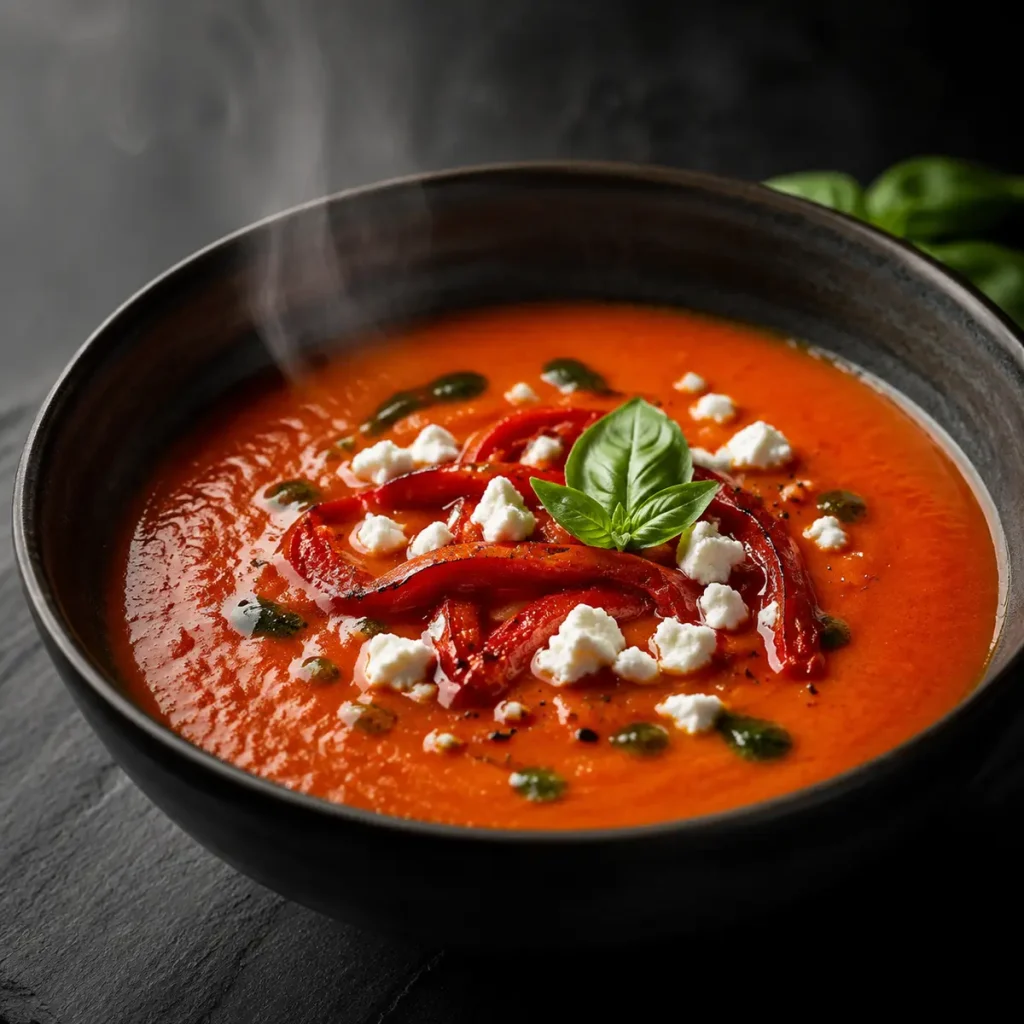
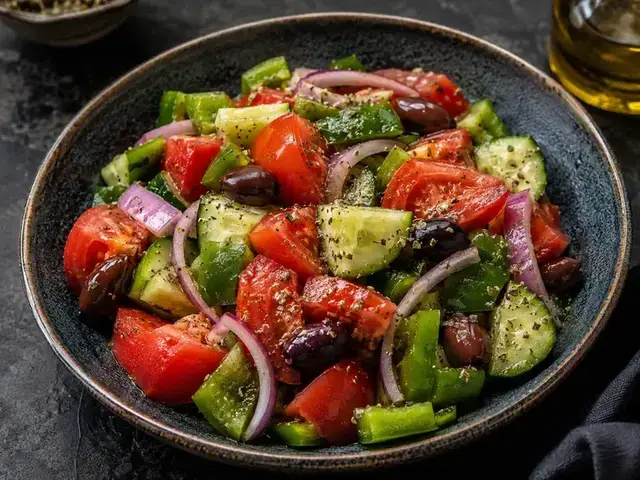
- Crumble over Greek salad, grains and roasted vegetables.
- Bake in a block with tomato, pepper or herbs.
- Whisk into dip with yogurt or olive oil.
Flavour Pairings
- Tomato, cucumber, olive and oregano.
- Watermelon, beetroot, mint and lemon.
- Spinach, pastry, egg and dill.
- Lentils, chickpeas, aubergine and honey.
Practical Substitutions
- Sheep-milk brined white cheese where feta designation is unavailable.
- Halloumi for grilling but a much springier texture.
- Firm cultured tofu for dairy-free crumble with adjusted salt.
Storage and Shelf Life
Keep feta refrigerated and submerged in clean brine, using clean utensils. Do not top up with random water that changes salt balance and safety. Follow the pack after opening.
Season and Availability
Produced year-round, with milk season and maturation influencing character.
Nutrition and Dietary Context
Feta provides protein, fat and calcium and is usually salty. Portion and added salt should be considered together.
Allergen and Food-Safety Notes
Milk is a major allergen. Some feta contains goat milk as permitted; verify labels. Unpasteurised versions require risk-aware selection.
Zero-Waste Use
Blend small safe fragments into dip, pastry filling or sauce and use brine sparingly to season dressings only while it remains clean and safe.
Common Mistakes to Avoid
- Calling any white crumbly cheese feta without checking the label.
- Salting a dish before tasting the cheese.
- Leaving the block exposed and dry in the refrigerator.
Chef’s Quality Check
Feta should crumble into moist flakes, smell cleanly tangy and taste salty but not yeasty, bitter or fizzy.
This profile provides general culinary education. Product composition, allergens, storage life and safety requirements vary; check the label and follow local guidance.