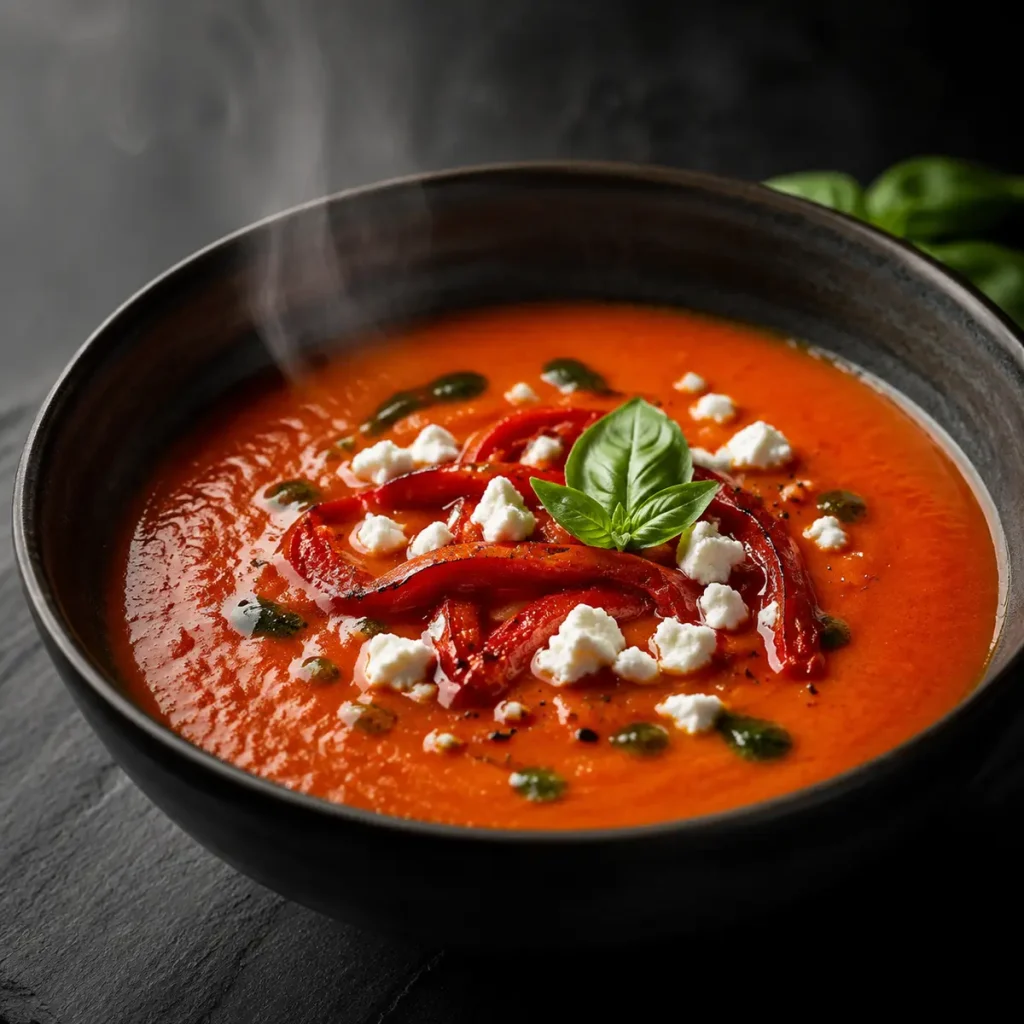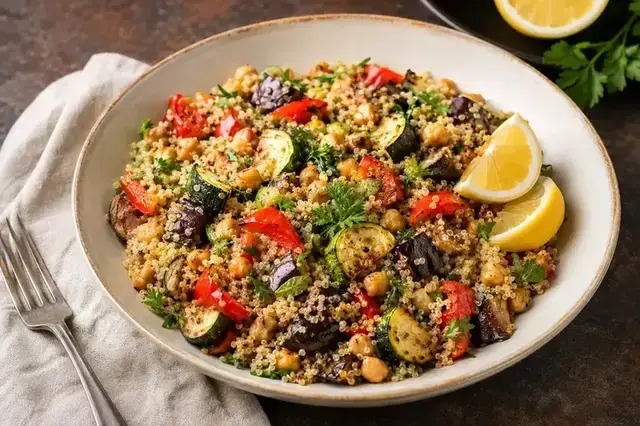

Ingredient at a glance: Aubergine, also called eggplant, is a porous nightshade fruit whose flesh becomes creamy when fully cooked and unpleasantly spongy when underdone.
Flavour, Aroma and Texture
Raw flesh is mild, firm and sometimes astringent. Browning adds savoury depth; charring the skin produces smoke, while complete cooking creates a silky interior.
How to Select It
Choose glossy, taut aubergines that feel heavy with a fresh green cap. Avoid wrinkled skin, soft collapse, bruising or large specimens with hard mature seeds.
Professional Preparation
Wash and cut just before use. Salt only when drawing moisture, seasoning deeply or controlling oil is useful; modern varieties do not always require bitterness removal. Dry before frying.
Best Cooking Methods
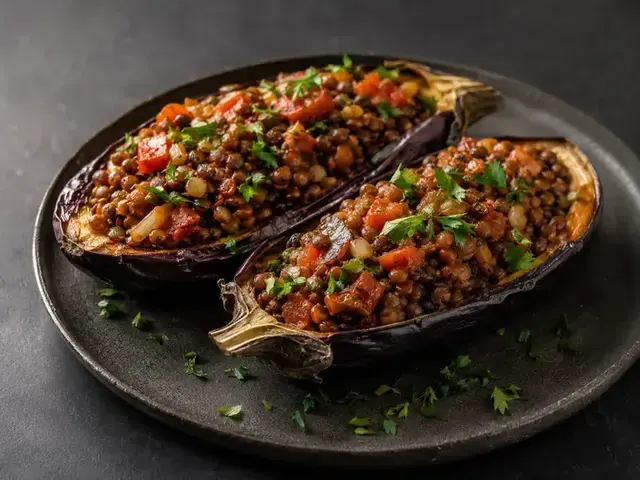
- Roast cut surfaces with measured oil until completely tender.
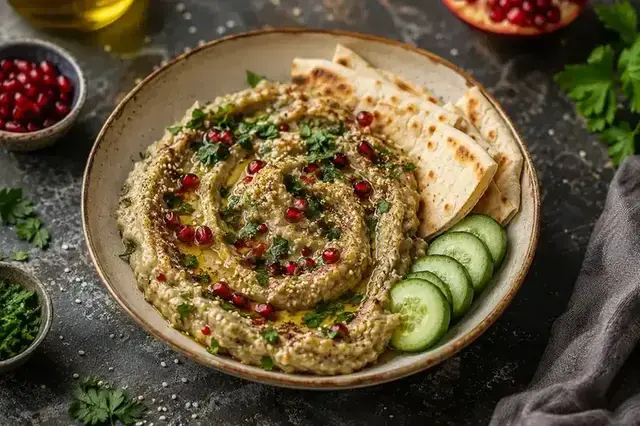
- Char whole for smoky baba ganoush or bharta.
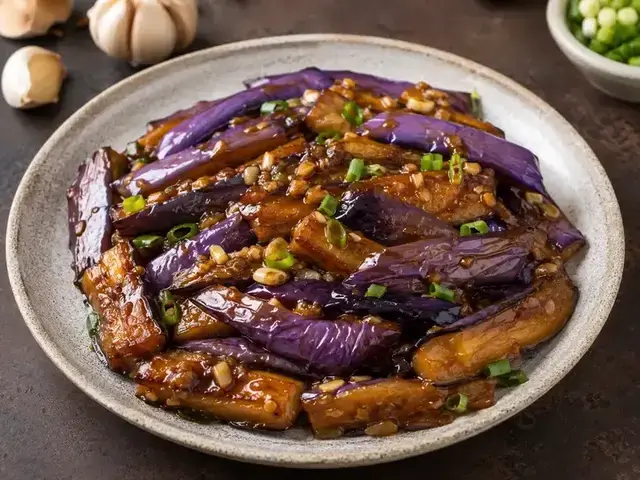
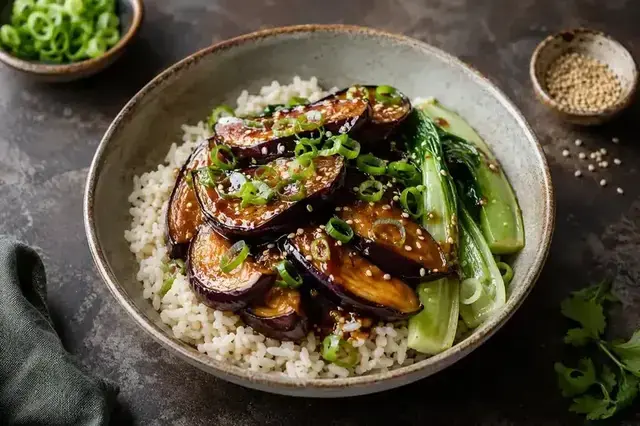
- Sear in batches before adding to curry or braise.
Flavour Pairings
- Tomato, garlic, onion and chilli.
- Tahini, yogurt, feta and olive oil.
- Cumin, coriander, smoked paprika and mint.
- Lamb, chickpeas, lentils and walnuts.
Practical Substitutions
- Courgette for faster cooking and a lighter texture.
- Portobello mushroom for savoury chew.
- Roasted pepper for smoky sweetness without creamy flesh.
Storage and Shelf Life
Refrigerate whole aubergine for short storage, protected from cold injury and bruising. Use cut aubergine promptly because flesh oxidises and softens.
Season and Availability
Peak quality is associated with warm months; greenhouse cultivation extends availability.
Nutrition and Dietary Context
Aubergine provides fibre and is low in energy before oil is added. Its porous flesh can absorb substantial fat, so technique changes the final dish markedly.
Allergen and Food-Safety Notes
Nightshade allergy is possible. Discard mouldy, leaking or bitter spoiled aubergine. Do not eat raw in large amounts; cook to the intended tender texture.
Zero-Waste Use
Roast peel and sound trimmings into smoky puree or stock. Turn surplus cooked flesh into dip, pasta sauce or sandwich spread under safe refrigeration.
Common Mistakes to Avoid
- Stopping cooking while the centre is still cottony.
- Pouring oil repeatedly into a cool crowded pan.
- Salting without allowing time, then failing to dry the surface.
Chef’s Quality Check
Press the thickest piece: flesh should collapse softly without releasing a pool of oil, while flavour should be sweet-savoury rather than raw or bitter.
This profile provides general culinary education. Product composition, allergens, storage life and safety requirements vary; check the label and follow local guidance.