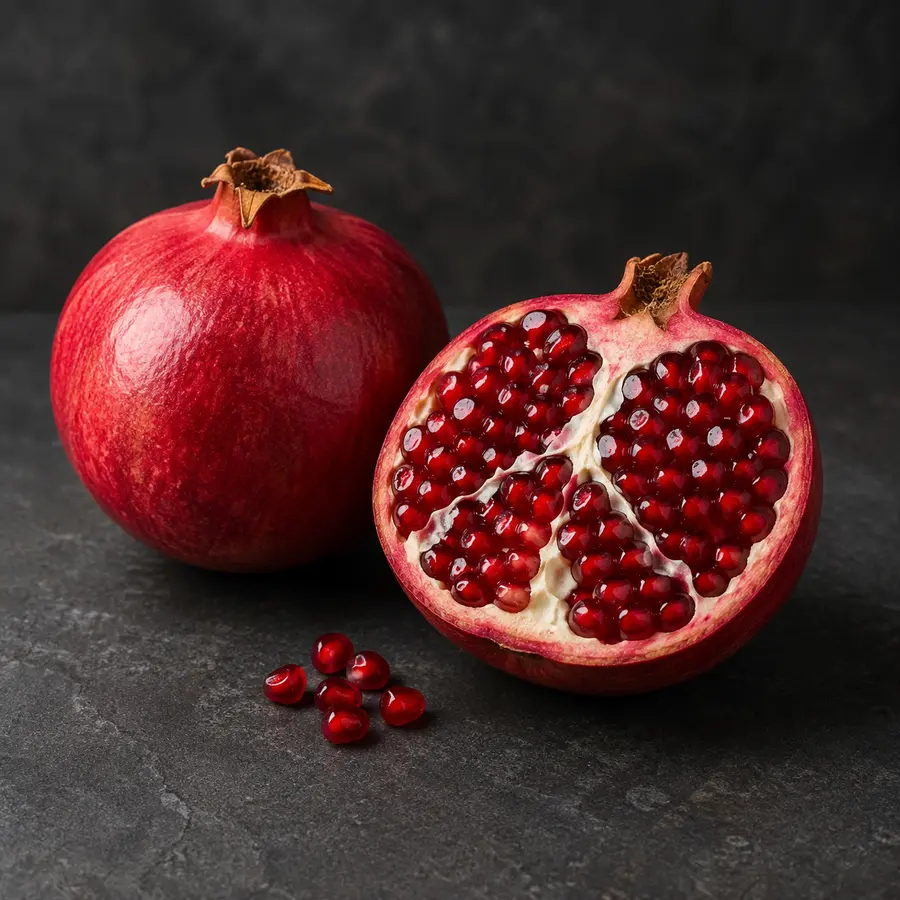
Ingredient at a glance: Pomegranate is a many-seeded fruit valued for jewel-like arils, tart juice and concentrated molasses in Middle Eastern, Mediterranean and South Asian cooking.
Flavour, Aroma and Texture
Arils burst with sweet-tart juice and a slight tannic finish. The white membrane is bitter; reduced juice becomes dark, concentrated and more acidic.
How to Select It
Choose heavy fruit with firm leathery skin and no soft mould, leaking cracks or fermented odour. Minor surface scarring is usually less important than weight and soundness.
Professional Preparation
Score the skin shallowly, break into sections and release arils in a bowl. Remove every white membrane. For juice, press gently to avoid crushing too much bitter seed material.
Best Cooking Methods
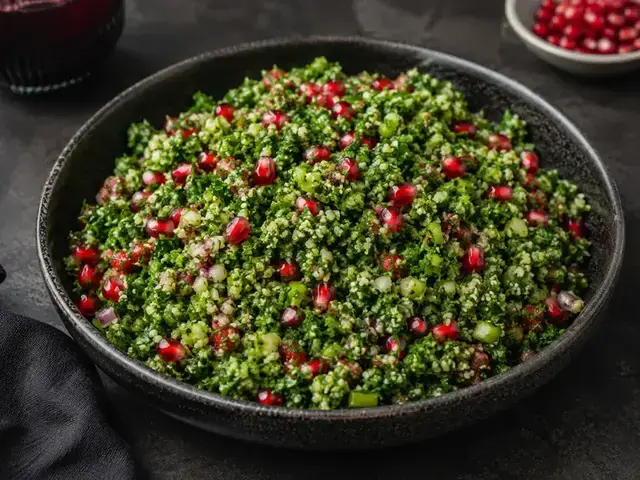
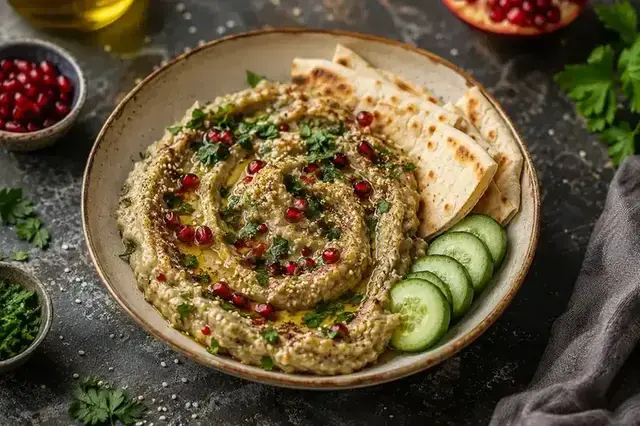
- Use fresh arils as a final garnish for salads, grains and desserts.
- Reduce juice slowly into glaze while monitoring acidity.
- Whisk pomegranate molasses into dressings and marinades.
Flavour Pairings
- Lamb, chicken, aubergine and lentils.
- Walnuts, pistachios, yogurt and feta.
- Mint, parsley, coriander and sumac.
- Orange, apple, rose and dark chocolate.
Practical Substitutions
- Cranberry for tart fruit pieces.
- Sour cherry concentrate for dark fruit acidity.
- Lemon plus date syrup for a simplified sweet-sour glaze.
Storage and Shelf Life
Store whole fruit refrigerated for extended life. Refrigerate arils in a clean airtight container and use promptly; freeze in a single layer for cooked or blended use.
Season and Availability
Commonly associated with autumn into winter in Mediterranean and nearby growing regions.
Nutrition and Dietary Context
Pomegranate provides fibre when arils are eaten whole and contains polyphenols. Juice and molasses are concentrated forms, and sweetened products differ.
Allergen and Food-Safety Notes
Allergy is possible. Juice may interact with some medicines; follow professional advice. Discard mouldy, alcoholic-smelling or slimy arils.
Zero-Waste Use
Press slightly damaged but sound arils into sauce, dry clean peel only for non-food uses unless following an established culinary preparation, and freeze surplus juice.
Common Mistakes to Avoid
- Leaving bitter white membrane among the arils.
- Assuming pomegranate molasses is always unsweetened.
- Crushing seeds aggressively and extracting excessive bitterness.
Chef’s Quality Check
Arils should be plump, translucent and clean-tasting, with a crisp burst rather than brown softness or fermented fizz.
This profile provides general culinary education. Product composition, allergens, storage life and safety requirements vary; check the label and follow local guidance.