
Ingredient at a glance: Coconut is the fruit of a palm used as water, tender flesh, mature meat, milk, cream, oil and dried flakes; these forms are not interchangeable.
Flavour, Aroma and Texture
Water is light and mildly sweet; mature meat is rich, chewy and nutty. Coconut milk is an emulsion with varying fat content, while toasted coconut develops deep roasted aroma.
How to Select It
For whole mature coconut, choose one that feels heavy with audible liquid and no cracks, mouldy eyes or rancid smell. For canned milk, check ingredient list, fat percentage and can integrity.
Professional Preparation
Open whole coconut with stable tools and eye protection, following a safe method. Stir canned milk unless a separated cream layer is intentionally required. Toast flakes gently because they colour quickly.
Best Cooking Methods
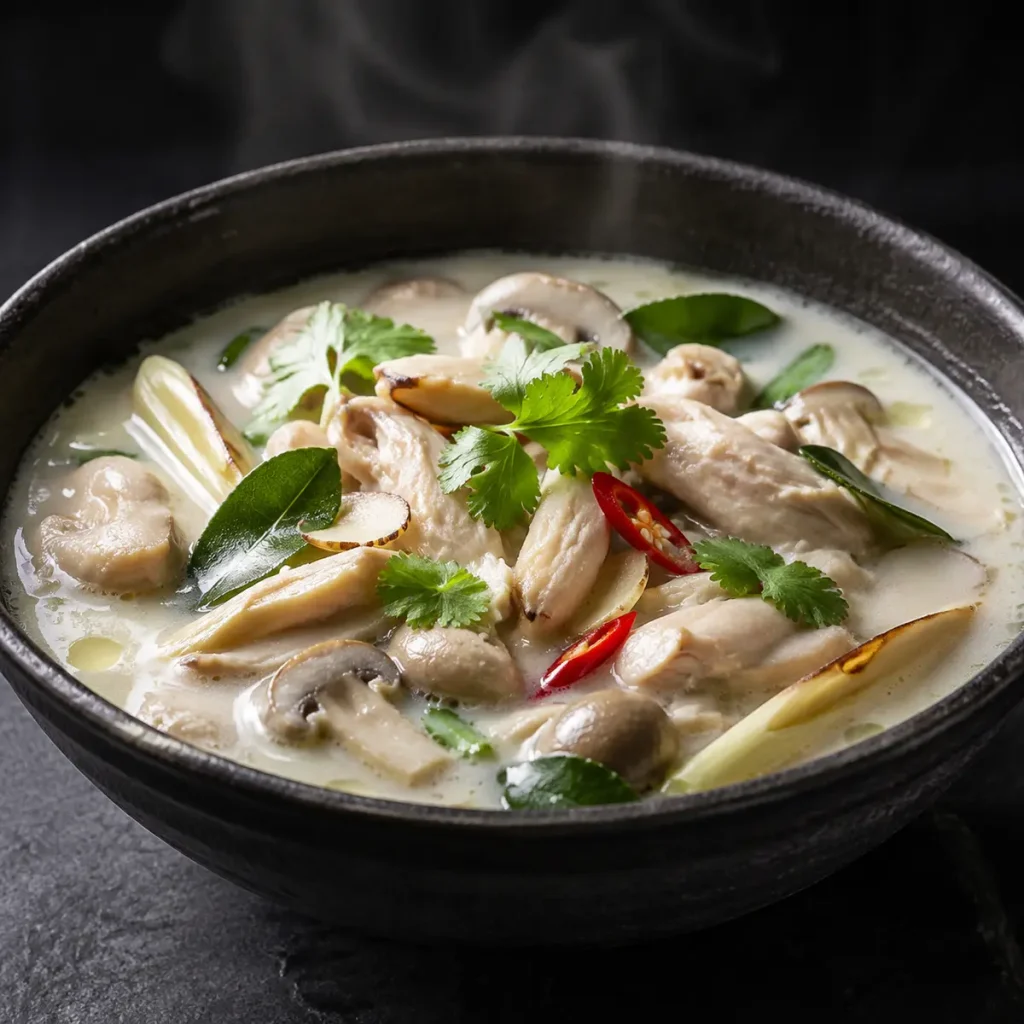
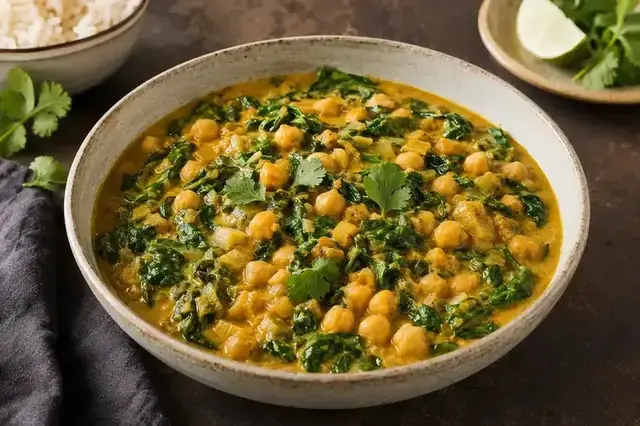
- Simmer milk gently in curry, soup and dal.
- Toast flakes or chips for garnish and desserts.
- Blend fresh meat with warm water and strain for homemade milk used promptly.
Flavour Pairings
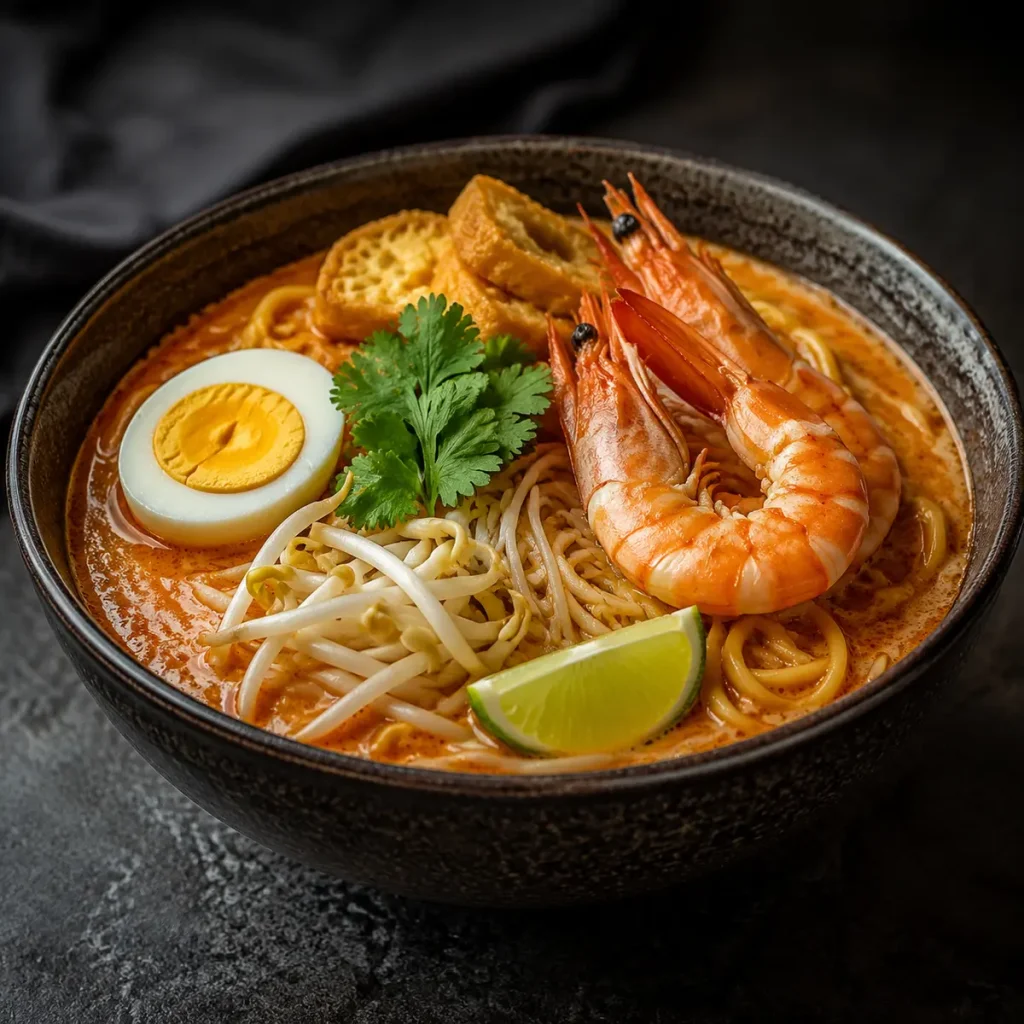
- Chilli, lime, ginger and lemongrass.
- Lentils, rice, seafood and chicken.
- Mango, pineapple, banana and chocolate.
- Cardamom, pandan, sesame and jaggery.
Practical Substitutions
- Unsweetened dairy or plant cream adjusted with water for body.
- Cashew cream for neutral richness.
- Desiccated coconut rehydrated only where fresh texture is not essential.
Storage and Shelf Life
Refrigerate opened milk or cream in a clean non-reactive container and follow the label, usually using within a few days. Freeze measured portions. Store dried coconut airtight, cool and away from light.
Season and Availability
Tropical production provides year-round supply; product form and processing date matter more than a local temperate season.
Nutrition and Dietary Context
Coconut products vary widely: water is low in fat, while cream and oil are rich in saturated fat. Check labels rather than transferring values between forms.
Allergen and Food-Safety Notes
Coconut allergy is possible. Discard rancid, pink, fizzy or mouldy coconut. Bulging or leaking cans require disposal without tasting.
Zero-Waste Use
Toast leftover flakes, freeze milk in portions, and use sound pressed pulp in baking after proper refrigeration. Compost hard shell where facilities accept it.
Common Mistakes to Avoid
- Replacing coconut milk with coconut water.
- Boiling a delicate coconut emulsion aggressively until it oils out.
- Keeping opened canned coconut in the original can for extended storage.
Chef’s Quality Check
Coconut milk should smell clean and nutty; once stirred it should be smooth, with no sourness, gas, pink colour or rancid aftertaste.
This profile provides general culinary education. Product composition, allergens, storage life and safety requirements vary; check the label and follow local guidance.