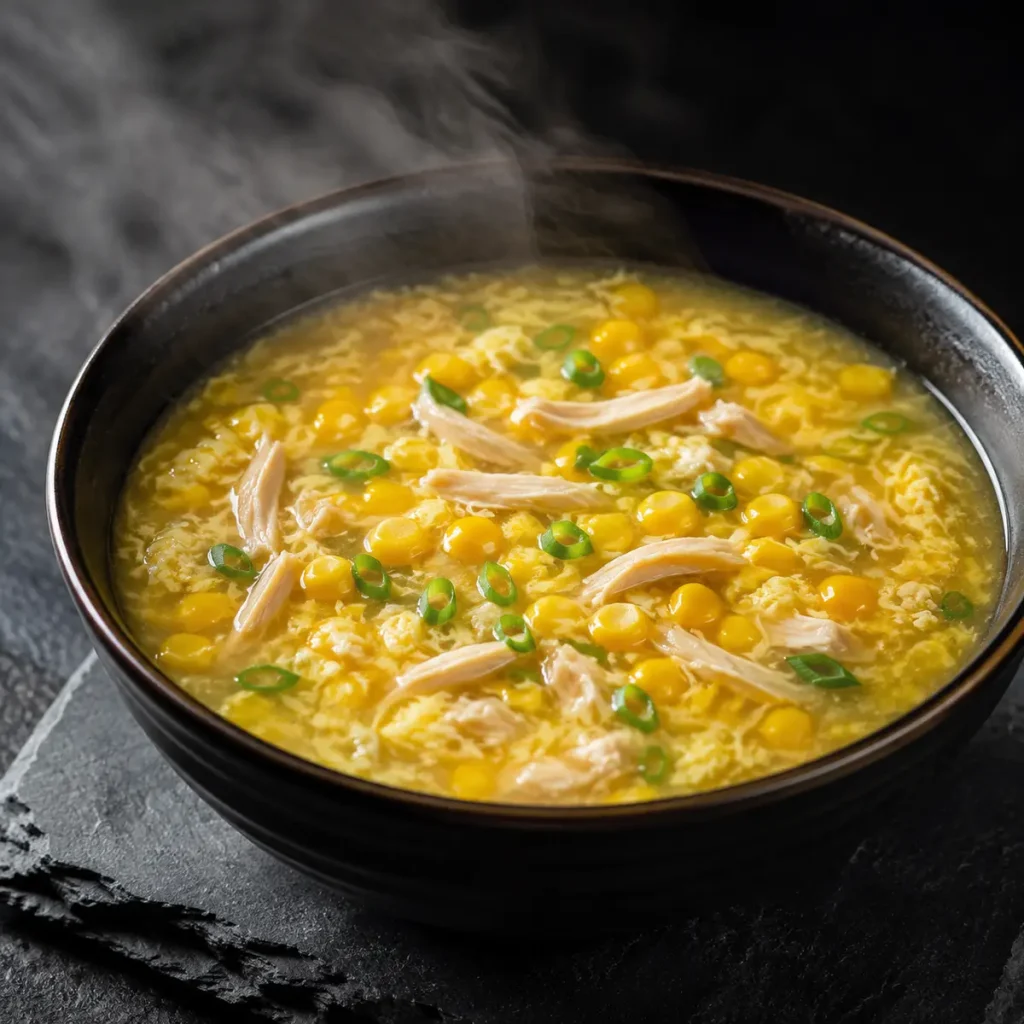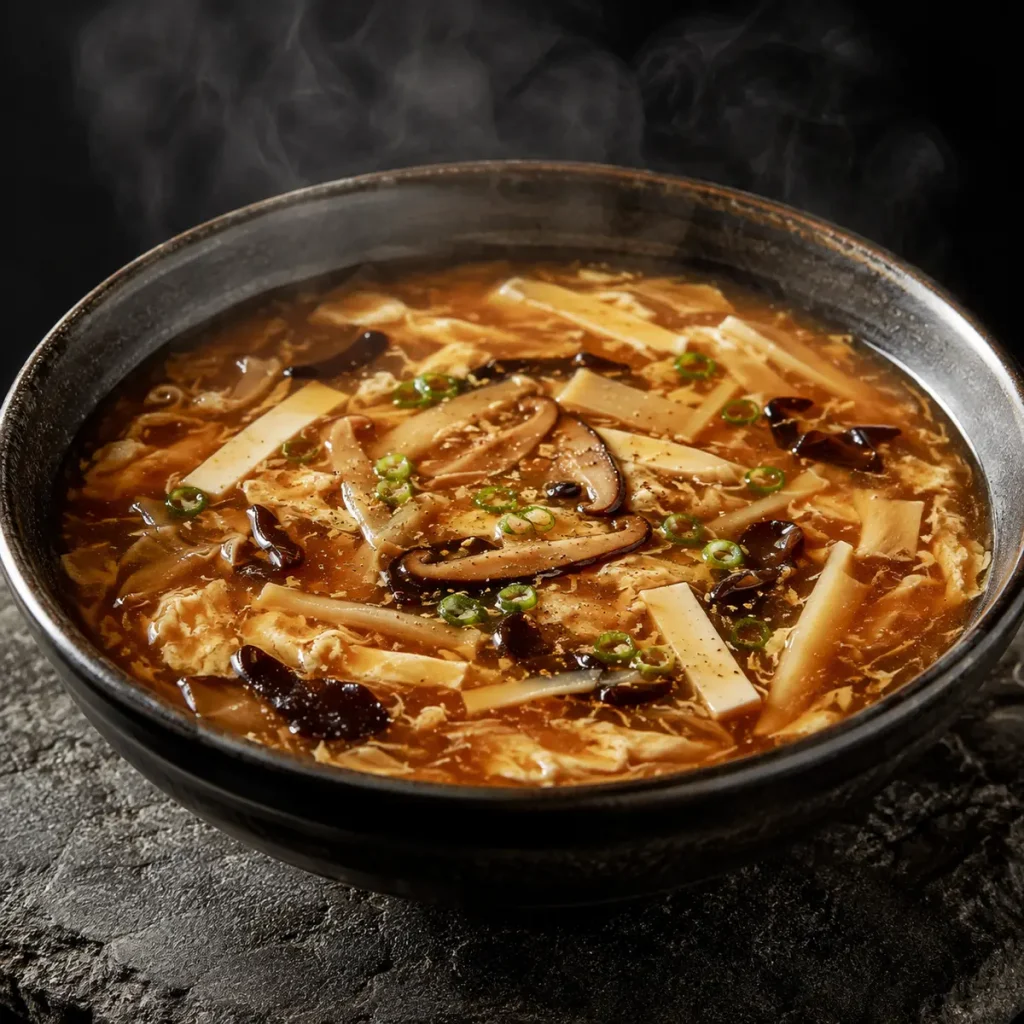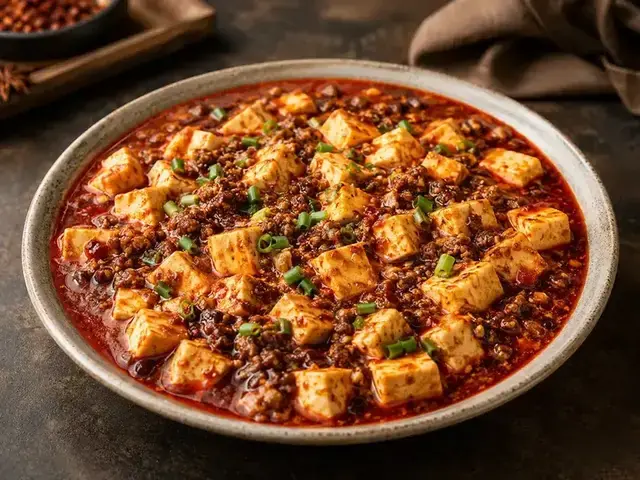

Ingredient at a glance: Corn starch is purified maize starch used as a powerful gluten-free thickener and surface coating; it is not the same as coarse cornmeal.
Flavour, Aroma and Texture
It is nearly flavourless when properly cooked. Raw starch tastes chalky, and prolonged boiling or strong acid can weaken some thickened sauces.
How to Select It
Choose a dry, free-flowing white powder in intact packaging. Avoid damp clumps, contamination or products confused with regional naming for corn flour.
Professional Preparation
Mix with cold liquid into a smooth slurry before adding to hot moving liquid. Re-stir immediately before use because starch settles rapidly.
Best Cooking Methods
- Thicken sauce with slurry brought briefly to activation temperature.
- Dust tofu, meat or vegetables for crisp frying.
- Blend with flour in cakes and pastry to reduce protein strength.
Flavour Pairings
- Soy sauce, stock, ginger and garlic.
- Fruit juice, sugar and spices in dessert sauces.
- Tofu, chicken, fish and vegetables for coatings.
- Wheat flour and other starches in baking blends.
Practical Substitutions
- Potato starch for strong glossy thickening with different heat tolerance.
- Arrowroot for clear acidic sauces, added carefully.
- Wheat flour roux for opaque savoury sauce where gluten is acceptable.
Storage and Shelf Life
Store airtight, dry and away from strong odours. Keep scoops dry and label clearly to prevent mix-ups with baking powder or flour.
Season and Availability
A year-round shelf-stable pantry ingredient.
Nutrition and Dietary Context
Corn starch is almost entirely carbohydrate and is used in relatively small quantities. It does not provide the same nutrients as whole maize.
Allergen and Food-Safety Notes
Pure corn starch is gluten-free, but certification may be needed. Airborne powder can irritate; raw starch mixtures still require hygienic handling.
Zero-Waste Use
Use small sound remnants in coating or slurry and make only the slurry needed because stored slurry settles and can spoil.
Common Mistakes to Avoid
- Pouring dry starch directly into hot sauce.
- Forgetting to re-stir a settled slurry.
- Boiling thickened sauce for so long that structure breaks down.
Chef’s Quality Check
The finished sauce should be smooth and evenly glossy with no chalky flavour, gel lumps or watery separation after a short hold.
This profile provides general culinary education. Product composition, allergens, storage life and safety requirements vary; check the label and follow local guidance.