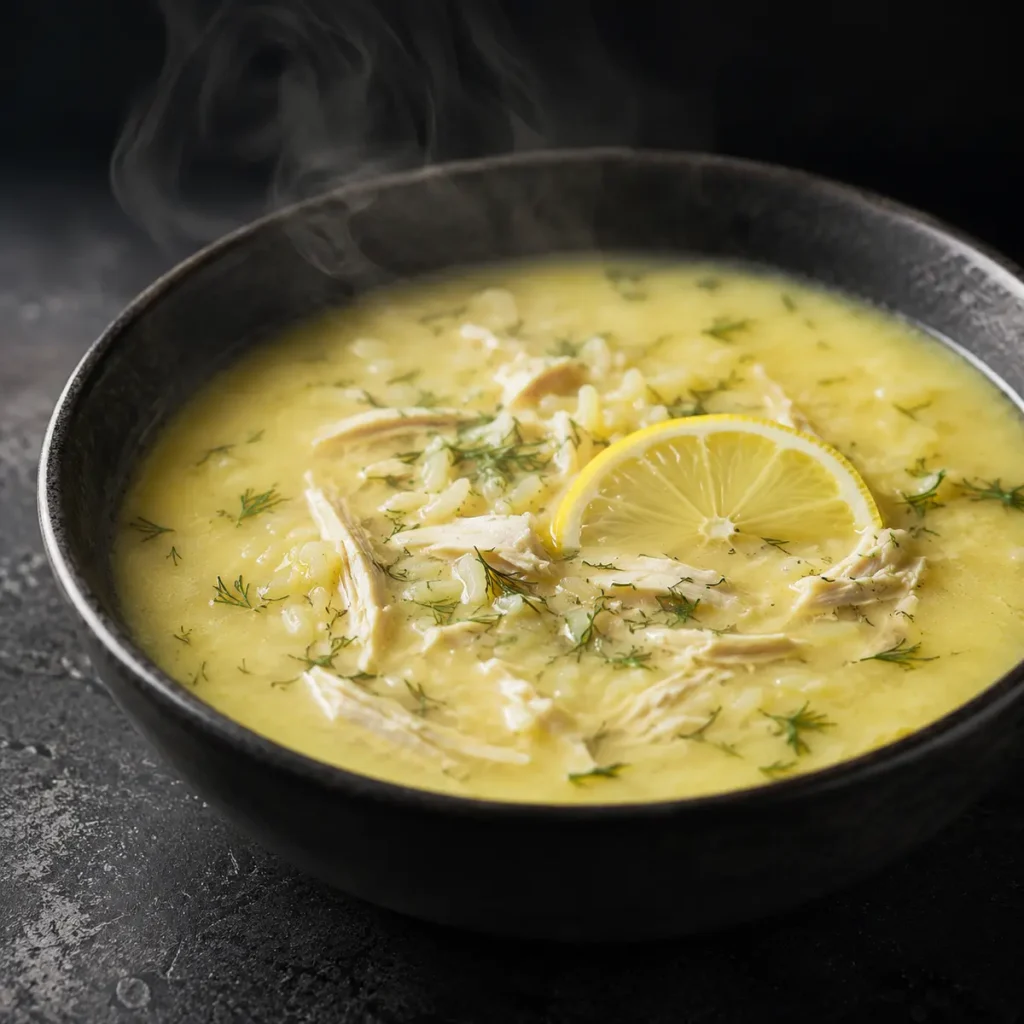

Ingredient at a glance: Lemon is an aromatic citrus fruit whose coloured zest and acidic juice perform different culinary jobs in seasoning, marinades, baking and preservation.
Flavour, Aroma and Texture
The zest is floral and intensely lemony; juice is bright and sour; white pith is bitter. Heat softens fresh aroma and can make prolonged peel cooking more bitter.
How to Select It
Choose heavy, fragrant lemons with smooth or variety-appropriate skin and no mould, soft collapse or dry shrivelling. Thin-skinned fruit often yields more juice.
Professional Preparation
Wash and dry before zesting. Remove only the coloured layer with a fine grater. Roll and halve for juice, strain seeds, and cut segments away from bitter membranes when presentation matters.
Best Cooking Methods
- Finish sauces and soups with juice after heat is controlled.
- Roast halves for mellow acidity and caramel aroma.
- Use measured zest in pastry, marinades and herb mixtures.
Flavour Pairings
- Garlic, parsley, dill and thyme.
- Fish, chicken, lentils and leafy greens.
- Olive oil, yogurt, butter and tahini.
- Honey, berries, vanilla and ginger.
Practical Substitutions
- Lime for sharper tropical citrus character.
- White wine vinegar for acidity without lemon aroma.
- Citric acid solution only in a measured formulation where fresh flavour is unnecessary.
Storage and Shelf Life
Refrigerate whole fruit for longer storage or keep briefly at cool room temperature. Refrigerate cut lemon covered and avoid dipping used utensils into stored juice.
Season and Availability
Winter is the principal season in many Mediterranean regions, although supply is widely available year-round.
Nutrition and Dietary Context
Lemon juice contributes vitamin C but is generally consumed in modest amounts. It adds flavour with little energy and can reduce the need for excessive salt.
Allergen and Food-Safety Notes
Citrus allergy is possible. Acid can react with some surfaces and irritate cuts. Do not use mouldy fruit or juice with fermented odour unless it is an intentional controlled product.
Zero-Waste Use
Candy or dry sound peel, freeze zest and juice separately, and use squeezed halves for immediate cleaning only away from food-contact chemical mixing.
Common Mistakes to Avoid
- Grating bitter white pith with the zest.
- Boiling fresh juice for too long and losing aroma.
- Using lemon to disguise spoiled or unsafe food.
Chef’s Quality Check
Taste the complete dish after adding lemon: acidity should lift aroma and salivation without dominating or leaving pithy bitterness.
This profile provides general culinary education. Product composition, allergens, storage life and safety requirements vary; check the label and follow local guidance.