
Ingredient at a glance: Potato is a starch-rich tuber whose culinary behaviour depends more on variety and dry-matter content than on size or skin colour.
Flavour, Aroma and Texture
Raw potato is earthy and firm. Floury varieties become dry and fluffy; waxy types remain moist and hold their shape. Browning creates toasted, nutty flavours.
How to Select It
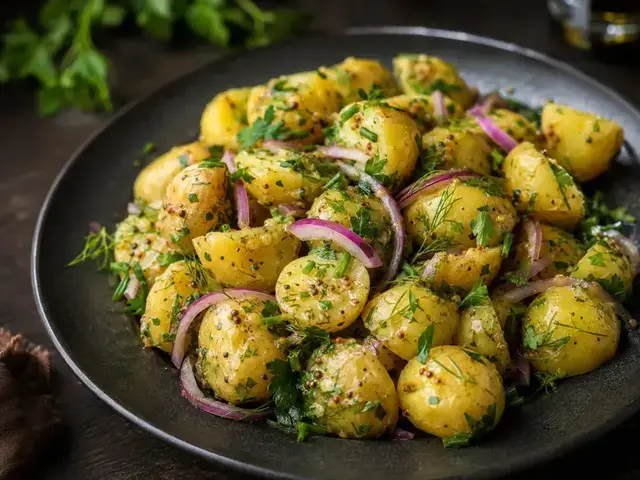
Choose firm, heavy potatoes without green skin, deep sprouts, wet patches or a fermented smell. Select floury potatoes for mash and roasting, waxy potatoes for salads and gratins.
Professional Preparation
Scrub before peeling. Cut evenly, rinse when loose surface starch would hinder crisping, and dry thoroughly. For chips or roast potatoes, par-cook before the final high-heat stage.
Best Cooking Methods
- Boil gently from cold salted water for even cooking.
- Roast or fry after drying the surface and controlling oil temperature.
- Bake whole until the centre is tender and steam can escape.
Flavour Pairings
- Rosemary, thyme, garlic and black pepper.
- Butter, ghee, olive oil and mustard oil.
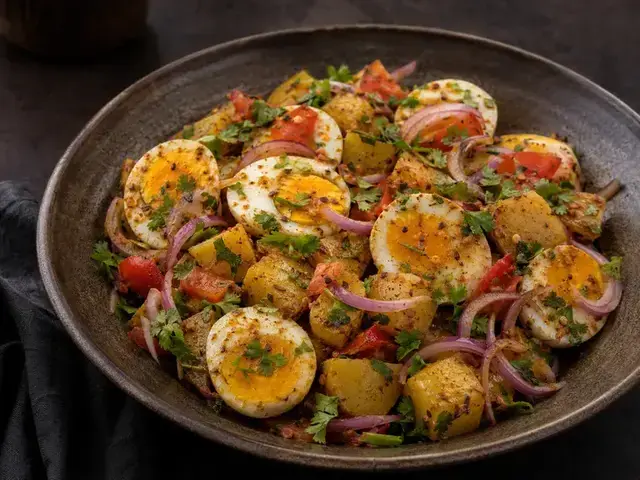
- Cheese, cream, yogurt and eggs.
- Cumin, turmeric, chilli and coriander.
Practical Substitutions
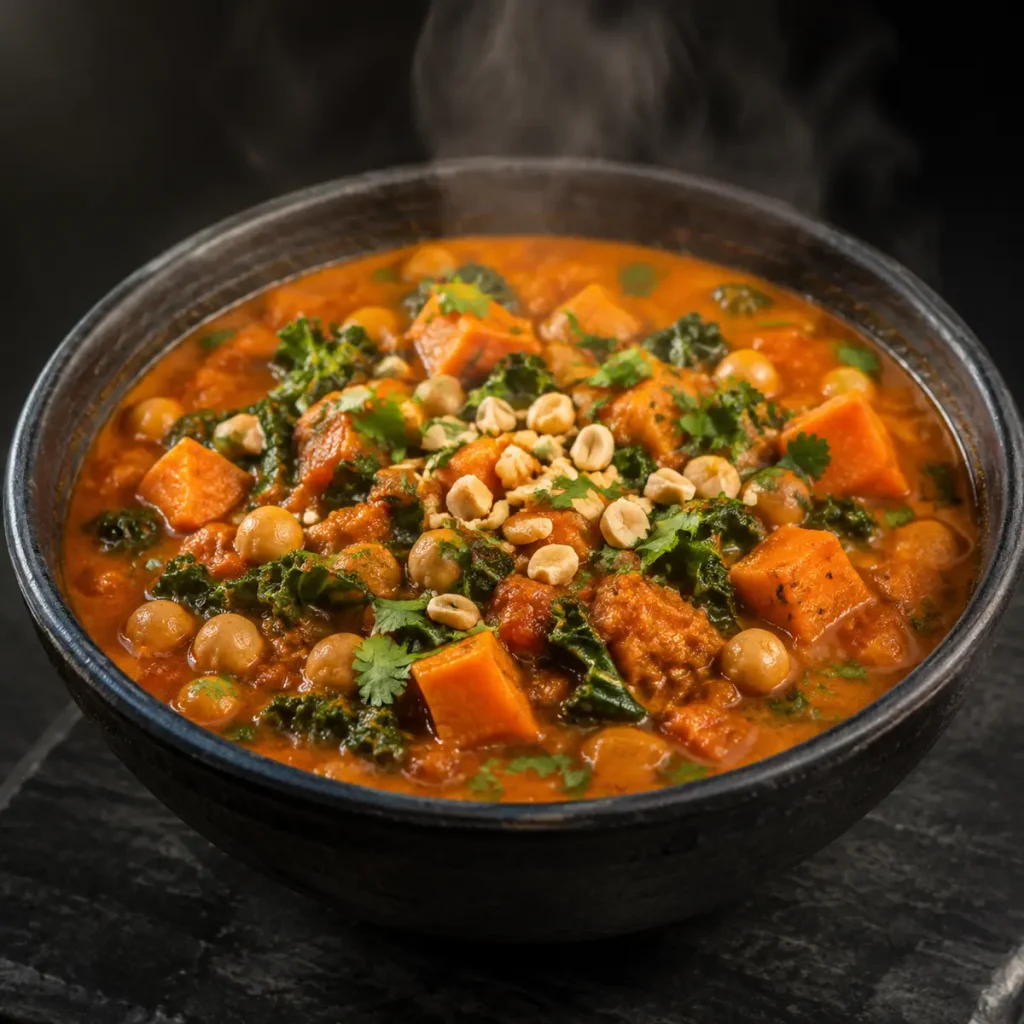
- Sweet potato for a sweeter, softer result.
- Celeriac or cauliflower for lower-starch mash.
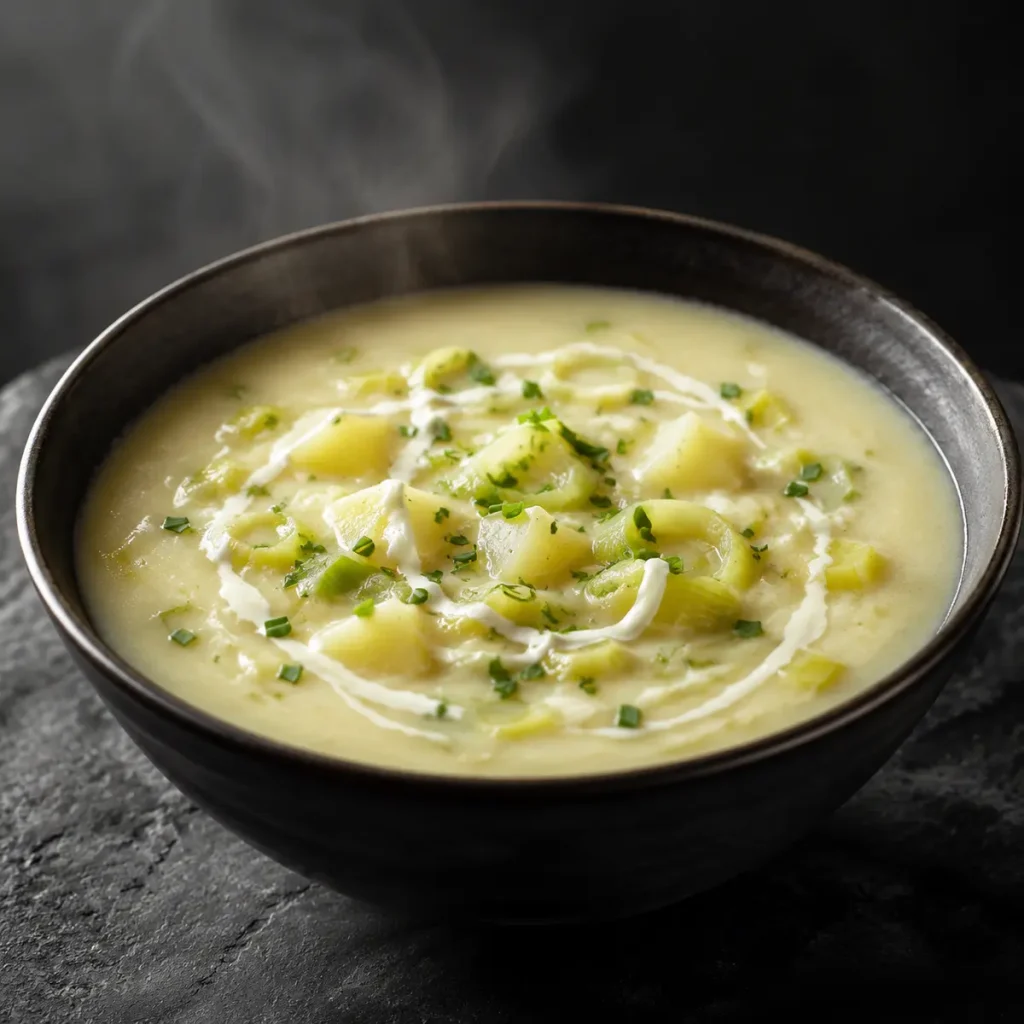
- Turnip for soups and braises where shape matters less.
Storage and Shelf Life
Store unwashed in a cool, dark, ventilated place away from onions. Do not refrigerate for routine storage because cold can convert starch to sugar and alter frying colour. Use cut potato promptly under refrigeration in clean water.
Season and Availability
Available year-round; newly harvested potatoes have delicate skin and more moisture, while mature storage potatoes usually contain more dry matter.
Nutrition and Dietary Context
Potato supplies carbohydrate, potassium and vitamin C in variable amounts. Cooking method and additions change the nutritional profile substantially; fried potato absorbs fat.
Allergen and Food-Safety Notes
Green skin, sprouts and bitter flavour can indicate increased glycoalkaloids. Cut away only minor defects generously; discard extensively green, damaged or bitter potatoes.
Zero-Waste Use
Use clean peelings for well-cooked stock or crisp garnishes only when the skins are sound and not green. Turn cooked leftovers into croquettes, hash or soup within safe holding limits.
Common Mistakes to Avoid
- Using the wrong variety for the intended texture.
- Crowding wet potatoes during roasting or frying.
- Overworking mash and creating a gluey texture.
Chef’s Quality Check
Cut one piece open: the centre should match the intended fluffy or waxy texture, while the surface should be dry, evenly coloured and free from raw starch flavour.
This profile provides general culinary education. Product composition, allergens, storage life and safety requirements vary; check the label and follow local guidance.