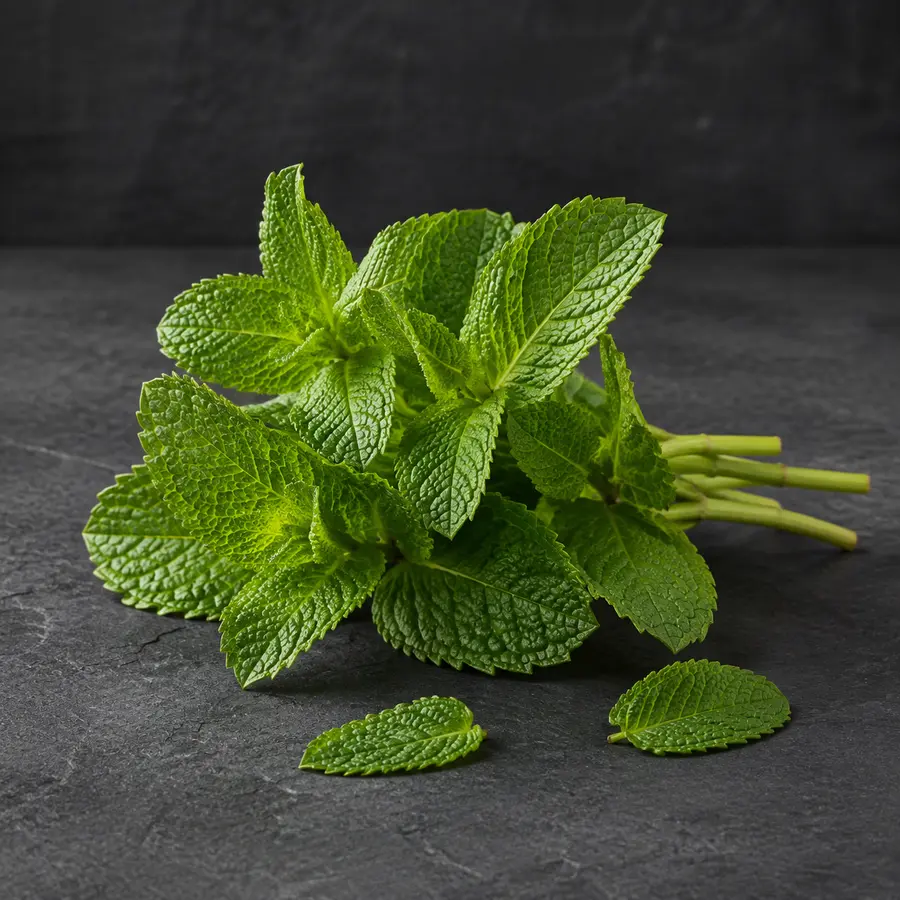
Ingredient at a glance: Mint is a family of aromatic herbs; spearmint is common in cooking, while peppermint has stronger menthol character and is not identical.
Flavour, Aroma and Texture
Fresh spearmint is cooling, sweet and green. Bruising releases aroma quickly but also accelerates darkening; extended cooking drives off its volatile oils.
How to Select It
Choose bright, upright leaves with a clean mint aroma and no black bruises, mildew, slime or flowering toughness. Match the mint species to the recipe.
Professional Preparation
Wash gently in cold water, lift away from grit and dry completely. Pick leaves for delicate use; finely chop tender stems only when their texture suits the dish.
Best Cooking Methods
- Tear into salads immediately before service.
- Blend briefly into chutney, raita or herb sauce.
- Infuse in hot liquid off the boil, then remove to prevent harsh extraction.
Flavour Pairings
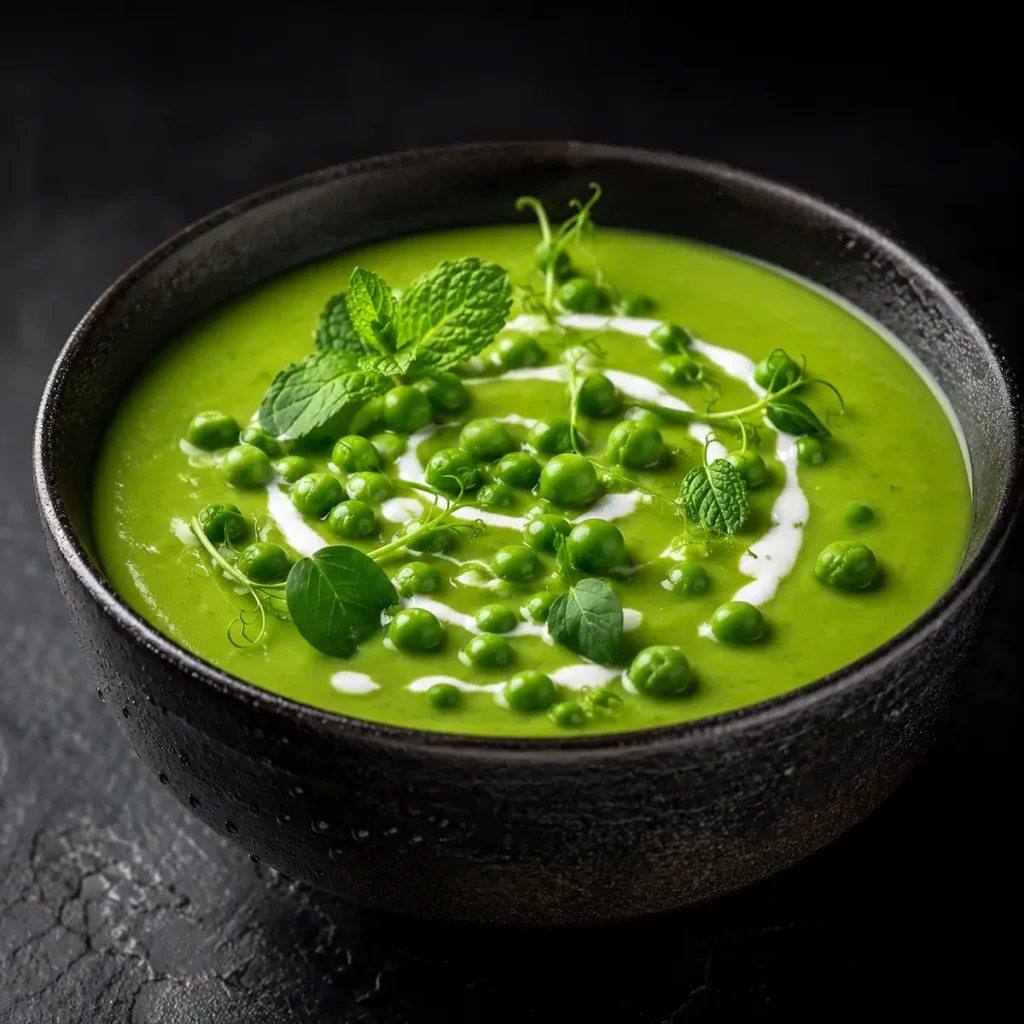
- Lamb, peas, potatoes and cucumber.
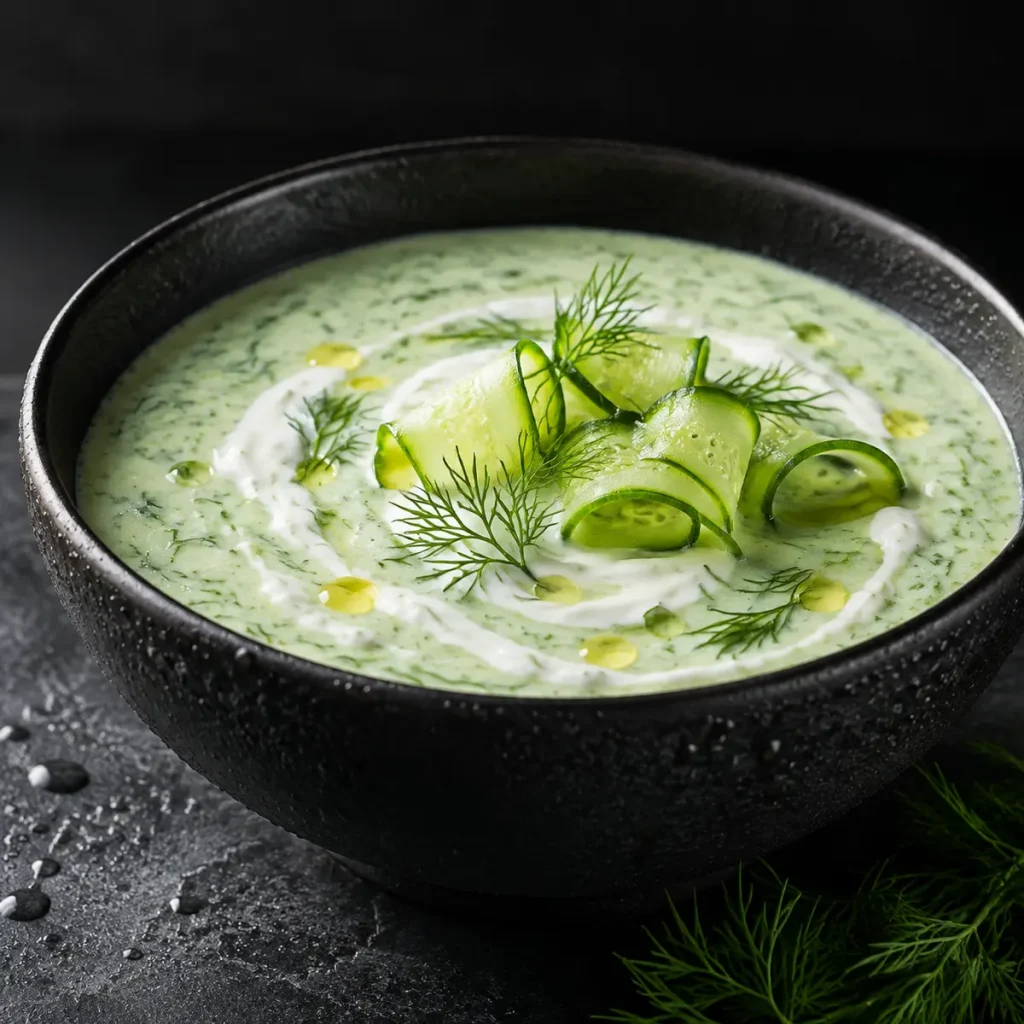
- Yogurt, feta, lemon and olive oil.
- Coriander, chilli, cumin and ginger.
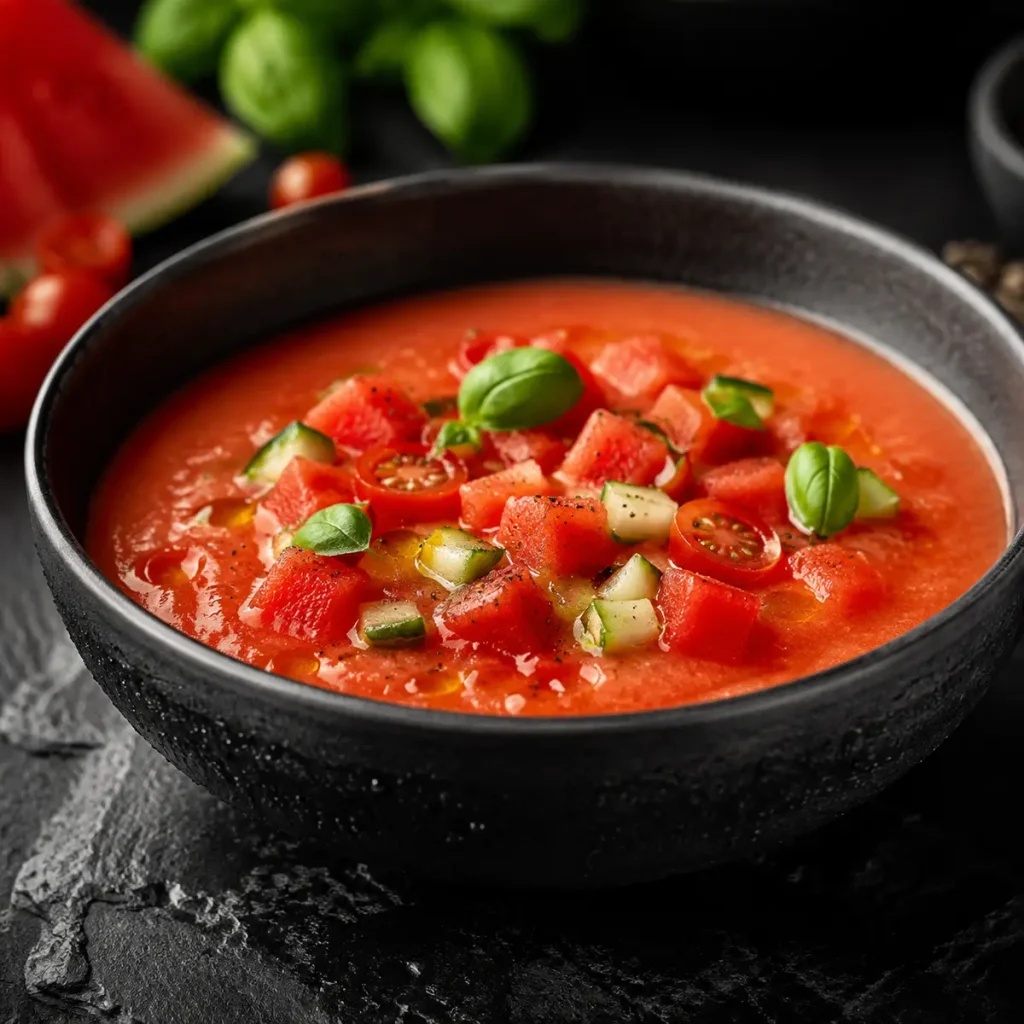
- Watermelon, berries, chocolate and tea.
Practical Substitutions
- Spearmint for most savoury dishes when peppermint is specified loosely.
- Coriander plus parsley for fresh green chutney without menthol.
- Basil for a sweeter aromatic salad, recognising the flavour change.
Storage and Shelf Life
Refrigerate stems in water loosely covered or wrap dry leaves in a towel-lined container. Remove damaged leaves promptly. Freeze into sauces or ice cubes for cooked and drink applications.
Season and Availability
Growth peaks in mild to warm weather, with indoor or greenhouse supply extending the season.
Nutrition and Dietary Context
Mint is normally used in small quantities for aroma. Sweetened mint drinks and sauces obtain most of their nutrition from other ingredients.
Allergen and Food-Safety Notes
Mint allergy is possible. Concentrated essential oil is not interchangeable with culinary leaves and requires product-specific safety guidance.
Zero-Waste Use
Turn surplus into chutney, herb oil used under safe refrigeration, tea or frozen cubes. Use clean stems to infuse syrup or stock before straining.
Common Mistakes to Avoid
- Chopping far ahead and allowing leaves to blacken.
- Confusing peppermint with milder spearmint in savoury recipes.
- Boiling leaves aggressively until aroma becomes flat.
Chef’s Quality Check
Mint should smell clear and cooling, with green leaves and no musty note; the finished dish should taste fresh rather than medicinal.
This profile provides general culinary education. Product composition, allergens, storage life and safety requirements vary; check the label and follow local guidance.