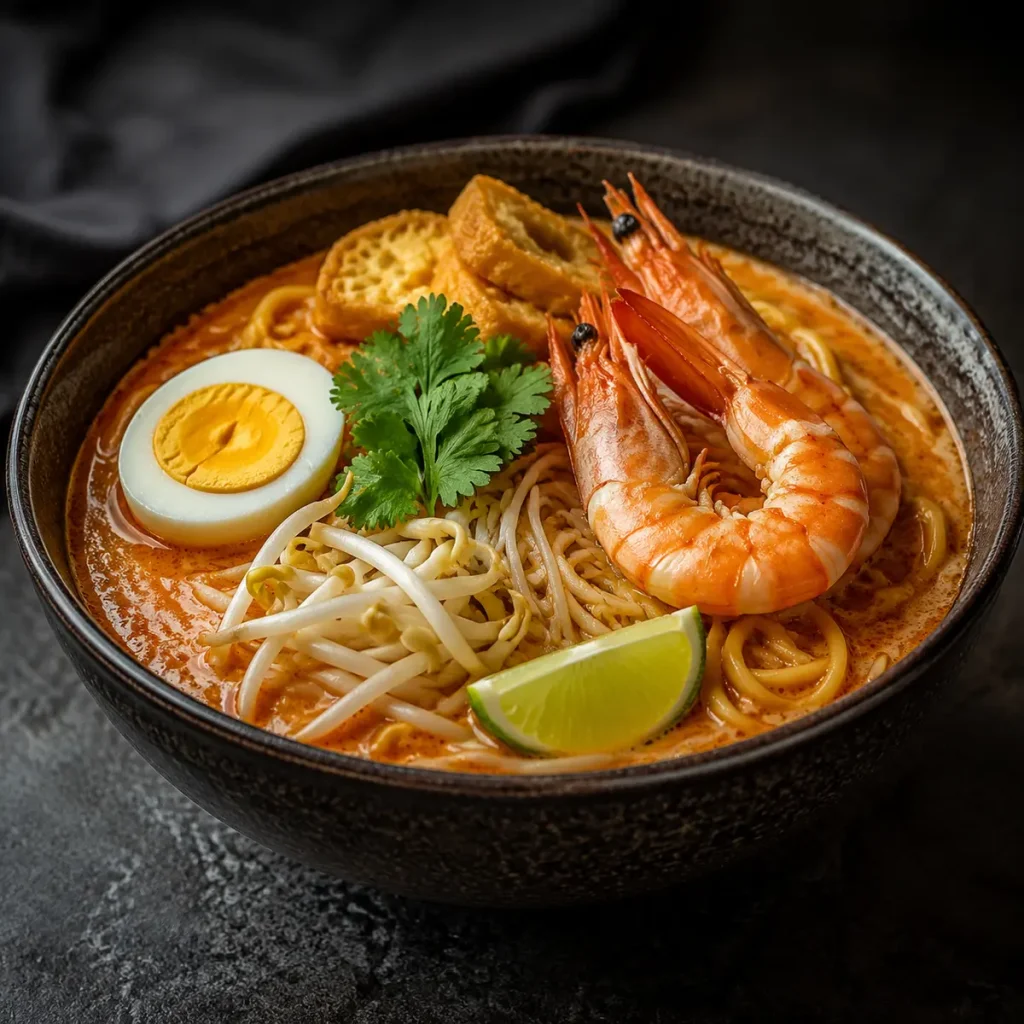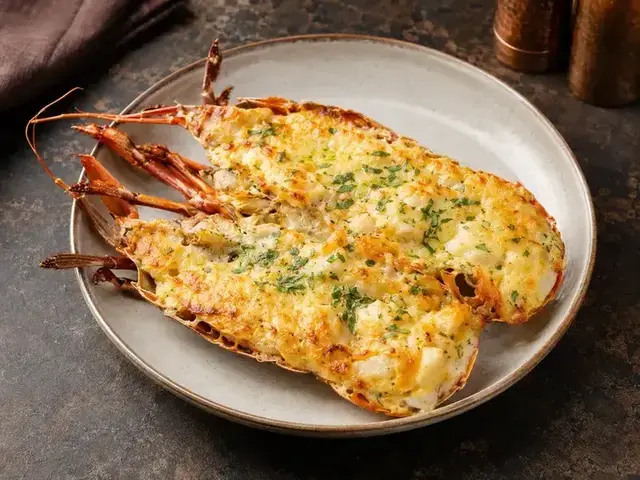
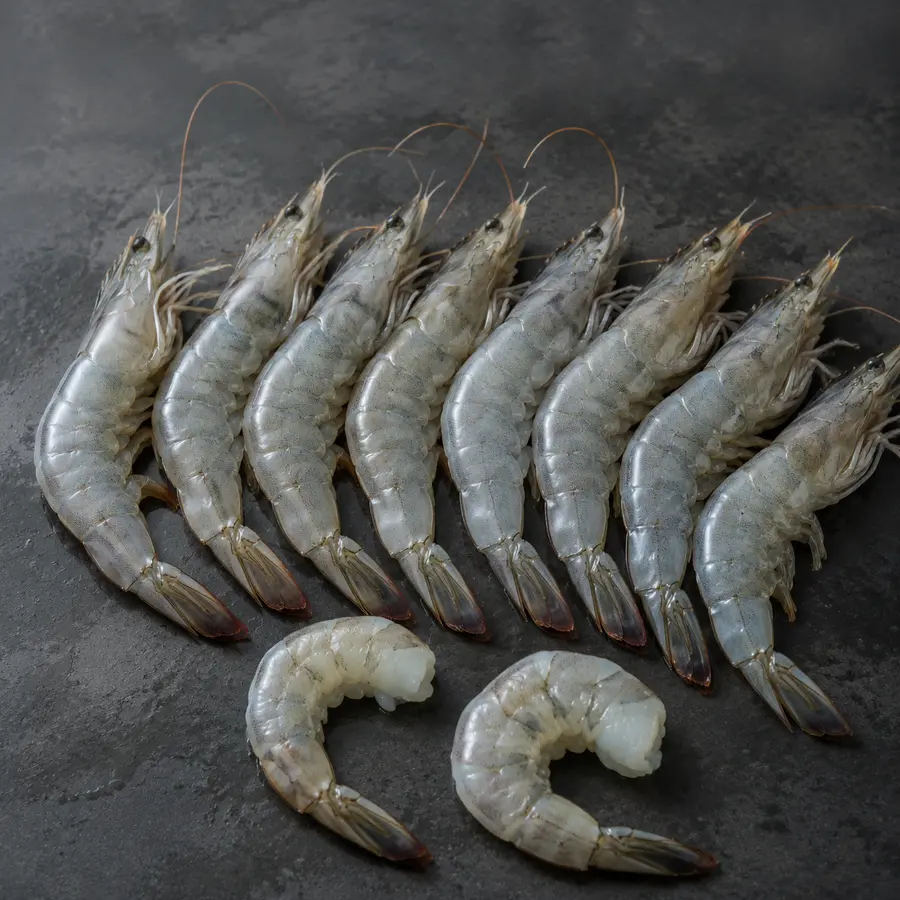
Ingredient at a glance: Prawns and shrimp are crustaceans sold raw or cooked, shell-on or peeled, fresh or frozen; market names do not always indicate biological differences.
Flavour, Aroma and Texture
They are sweet, briny and firm when just cooked. Excess heat makes proteins tight and rubbery; spoiled shellfish smells ammonia-like.
How to Select It
Choose cold product with firm translucent flesh, intact shells and clean marine smell. Frozen pieces should be individually firm with limited freezer burn.
Professional Preparation
Thaw under refrigeration, peel as required and remove the dark intestinal tract when presentation or grit requires it. Keep raw shells and hands away from ready-to-eat food.
Best Cooking Methods
- Sauté quickly in a single layer.
- Grill large shell-on prawns over controlled heat.
- Poach gently and chill rapidly for cold dishes.
Flavour Pairings
- Garlic, chilli, lemon and parsley.
- Coconut, lime, ginger and coriander.
- Tomato, feta, oregano and olive oil.
- Soy, sesame, spring onion and noodles.
Practical Substitutions
- Langoustine for a sweeter premium crustacean.
- Firm white fish for seafood flavour without crustacean texture.
- King oyster mushroom for a plant-based firm bite.
Storage and Shelf Life
Keep raw prawns very cold and use promptly after thawing. Do not refreeze without a controlled plan. Refrigerate cooked prawns rapidly in shallow containers.
Season and Availability
Supply is year-round from fisheries and aquaculture; sourcing and environmental standards vary.
Nutrition and Dietary Context
Prawns provide lean protein and minerals. Breaded or fried preparations change fat and sodium.
Allergen and Food-Safety Notes
Crustacean shellfish is a major allergen and reactions can be severe. Cooking does not remove allergen. Prevent cross-contact and cook to current safe guidance.
Zero-Waste Use
Simmer clean shells into quick stock, freeze shells until stock day and use cooked leftovers once in a safely chilled salad or curry.
Common Mistakes to Avoid
- Cooking a crowded wet pan and steaming prawns.
- Using colour alone to judge every size.
- Serving shellfish without explicit allergen control.
Chef’s Quality Check
A cooked prawn should be opaque, juicy and gently springy—not glassy raw or tightly curled and rubbery—with a clean sweet aroma.
This profile provides general culinary education. Product composition, allergens, storage life and safety requirements vary; check the label and follow local guidance.