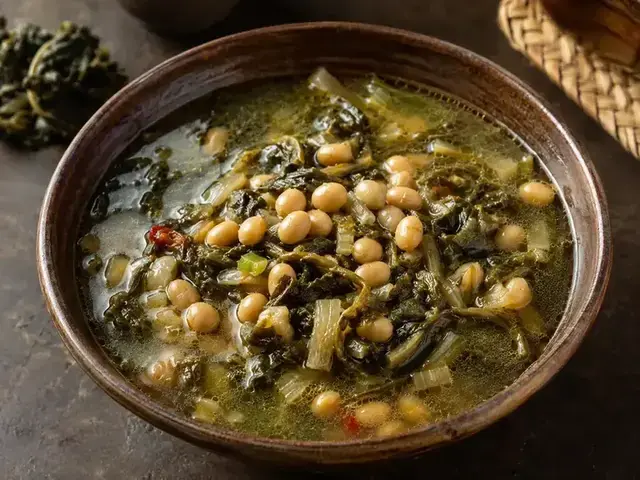

Ingredient at a glance: Soybeans are high-protein legumes used whole and processed into tofu, tempeh, soy milk, sauce and many other distinct foods.
Flavour, Aroma and Texture
Whole cooked soybeans are dense, nutty and slightly grassy. They remain firmer than many beans; roasting creates a crunchy texture.
How to Select It
Choose uniform dry beans without rancidity, insects or dampness. Frozen edamame must remain frozen and intact. Processed products require label review.
Professional Preparation
Sort, rinse and soak mature dry soybeans thoroughly, then cook until fully tender. Edamame is immature soybean and needs shorter cooking.
Best Cooking Methods
- Pressure-cook mature beans according to equipment guidance.
- Boil or steam edamame and season after draining.
- Roast fully cooked beans after thorough drying.
Flavour Pairings
- Ginger, garlic, chilli and sesame.
- Rice, noodles, mushrooms and greens.
- Miso, soy sauce, spring onion and lime.
- Tomato, cumin, coriander and coconut.
Practical Substitutions
- Chickpeas for nutty salads and purees.
- Lupin beans where available, with separate allergen controls.
- Firm tofu for processed soy protein with easier preparation.
Storage and Shelf Life
Store dried beans airtight, cool and dry. Keep edamame frozen until use. Refrigerate cooked soybeans and opened soy products promptly according to labels.
Season and Availability
Available year-round in dried, frozen and processed forms.
Nutrition and Dietary Context
Soybeans provide substantial protein, fat and fibre. Soy sauce and sweetened soy products have very different nutrition from whole beans.
Allergen and Food-Safety Notes
Soy is a major allergen. Mature beans must be cooked; some fermented products contain wheat or other allergens. Prevent cross-contact.
Zero-Waste Use
Use cooked beans in patties or soup, freeze portions, and use soybean cooking liquid only where flavour and safety are appropriate.
Common Mistakes to Avoid
- Assuming all soy foods have identical nutrition and allergens.
- Stopping cooking while mature beans remain hard.
- Serving soy without clear allergen communication.
Chef’s Quality Check
A mature soybean should crush without a raw hard core, while edamame should be tender and bright without mealiness.
This profile provides general culinary education. Product composition, allergens, storage life and safety requirements vary; check the label and follow local guidance.