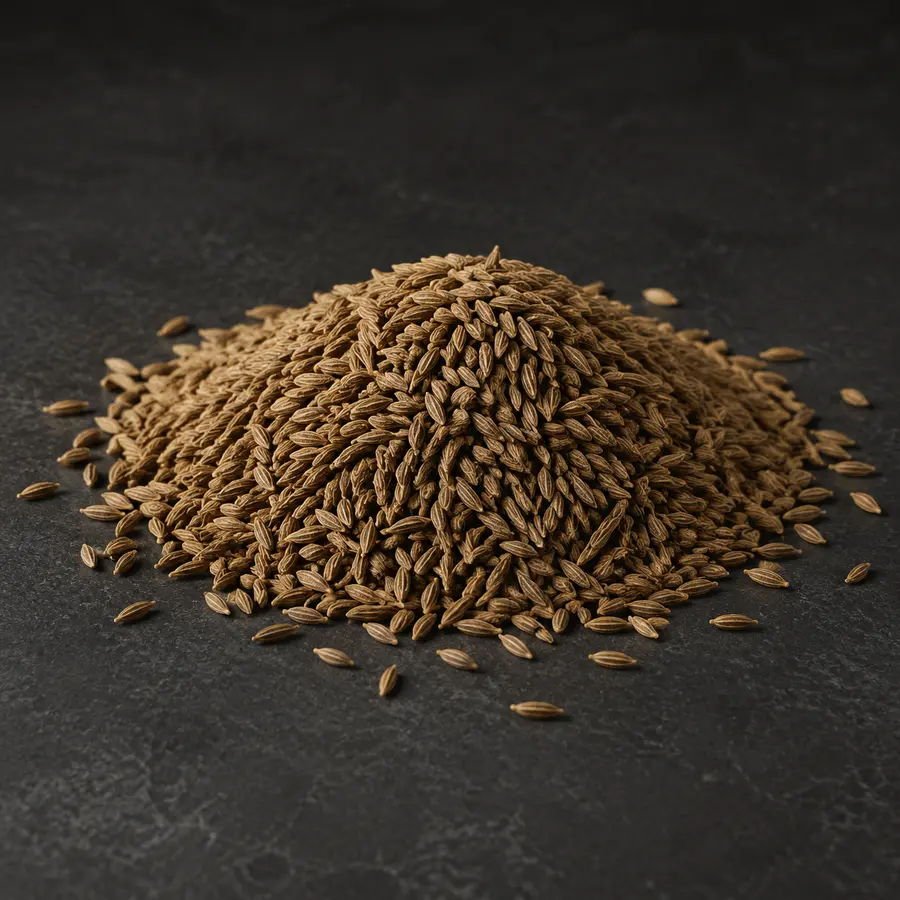
Ingredient at a glance: Cumin is the dried seed of Cuminum cyminum, used whole or ground as a foundational warm spice in South Asian, Middle Eastern, Latin and other cuisines.
Flavour, Aroma and Texture
Cumin is earthy, warm, nutty and slightly bitter. Dry toasting adds roasted aroma; frying whole seed in fat produces a vivid savoury fragrance.
How to Select It
Choose whole seeds with uniform brown colour and a strong aroma when crushed. Ground cumin fades faster, so buy modest quantities and avoid stale dusty powder.
Professional Preparation
Pick out debris. Toast whole seed only until fragrant and slightly darker, then cool before grinding. For tempering, add to hot but not smoking fat and watch closely.
Best Cooking Methods
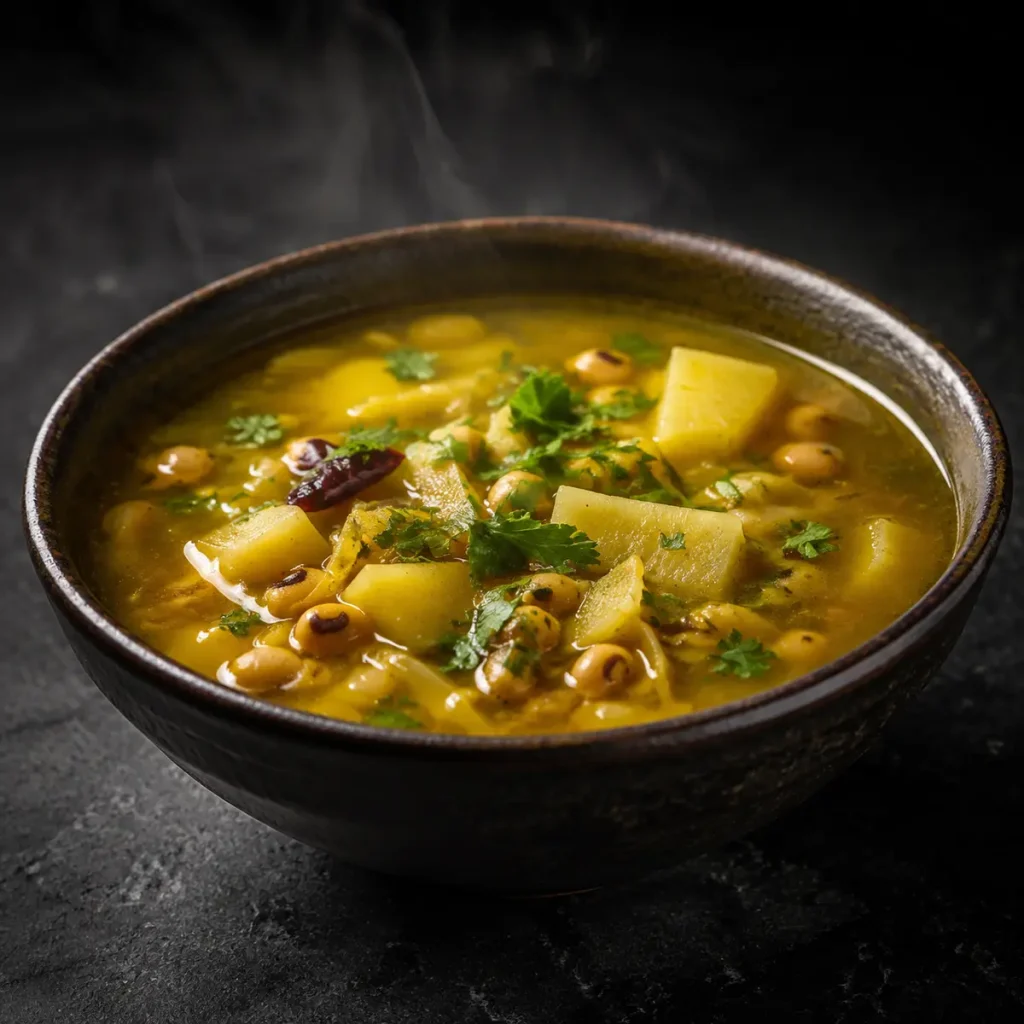
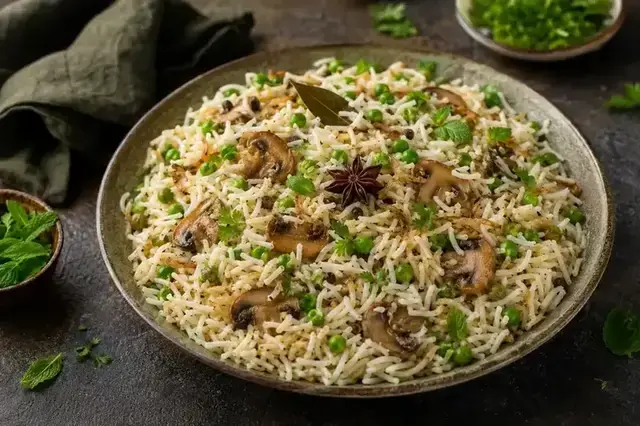
- Temper whole seeds at the start of dal, curry and rice.
- Toast and grind for spice blends and marinades.
- Bloom ground cumin briefly in moist masala to prevent burning.
Flavour Pairings
- Coriander seed, turmeric, chilli and mustard seed.
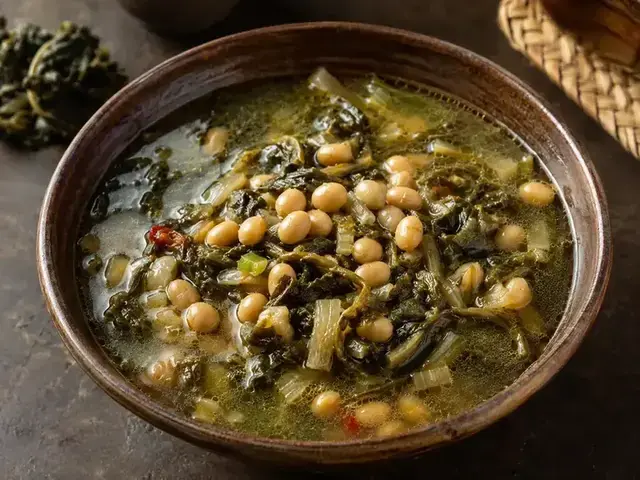
- Lentils, chickpeas, lamb and chicken.
- Yogurt, tomato, onion and garlic.
- Carrot, potato, aubergine and lime.
Practical Substitutions
- Ground coriander plus caraway for an approximate earthy profile.
- Caraway for cooler anise notes in European dishes.
- Fennel in recipes that can accept greater sweetness.
Storage and Shelf Life
Store whole and ground cumin airtight, dark, dry and away from stove heat. Label grinding date; replace powder when aroma is weak or cardboard-like.
Season and Availability
A dried pantry spice available year-round; freshness is determined by harvest, storage and grinding date.
Nutrition and Dietary Context
Cumin is used in small quantities and mainly contributes flavour. Culinary amounts should not be presented as treatment for disease.
Allergen and Food-Safety Notes
Spice allergy is possible, including cross-reactivity within the Apiaceae family. Check blends for undeclared allergens and contamination.
Zero-Waste Use
Toast only what is needed, use slightly faded but clean seed in long-cooked stock, and compost truly spent or rancid spices rather than masking them.
Common Mistakes to Avoid
- Burning seeds in smoking oil.
- Keeping ground cumin for years beside the stove.
- Adding raw ground cumin late without time to hydrate and cook.
Chef’s Quality Check
Crush one seed: it should smell immediately warm and earthy. Tempered cumin should be brown and fragrant, never black and acrid.
This profile provides general culinary education. Product composition, allergens, storage life and safety requirements vary; check the label and follow local guidance.