
 Botanical
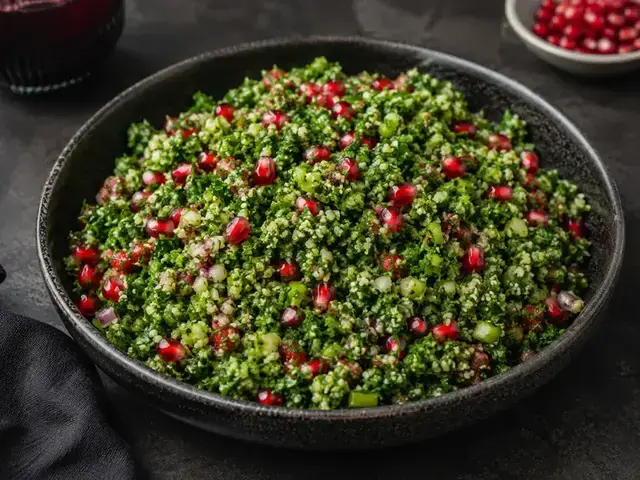
Vegan Tabbouleh with Pomegranate
This tabbouleh is herb-led, with finely chopped parsley and mint around a modest amount of bulgur. Tomato, cucumber and pomegranate bring juiciness and small…
Rajma masala is a kidney-bean curry in which a reduced onion-tomato base coats soft beans. Cumin, coriander and garam masala give layered warmth. Mashing a small portion of the cooked beans builds body while leaving most of them intact.

Follow the measured ingredients, numbered method, substitutions, safety notes and cooking mode below.
Canned or otherwise fully cooked kidney beans are required for this formulation. A bean should have a creamy centre with no hard core. Raw dried kidney beans cannot simply replace the cooked quantity in the same short curry method.
Brown the onion evenly before adding ginger, garlic and tomato. Give the tomato-spice base time to thicken before the beans and water go in. Simmer gently, stirring along the bottom because mashed beans make the sauce more likely to catch.
If the curry remains thin, mash a few beans and simmer briefly before adding any new thickener. If it is too thick, add hot water in small portions. A raw tomato flavour should be dealt with during the masala stage rather than hidden under extra garam masala.
Rajma masala is a kidney-bean curry in which a reduced onion-tomato base coats soft beans. Cumin, coriander and garam masala give layered warmth. Mashing a small portion of the cooked beans builds body while leaving most of them intact.
1. Read firstRead every step once before switching on the cooker.
2. MeasureWeigh and prepare all ingredients in the order listed.
3. Control heatLow means a gentle bubble, medium cooks steadily, and high is for quick browning.
4. Check donenessUse the texture, timing and safe-temperature checks written in the method.
Complete one numbered step before moving to the next. Keep the heat and timing exactly as written.
Kidney bean safety depends on proper pre-cooking. Canned beans make this version predictable. Let the tomato base reduce before adding beans; boiling a watery sauce hard can break their skins.
Ingredient choices: Canned or otherwise fully cooked kidney beans are required for this formulation. A bean should have a creamy centre with no hard core. Raw dried kidney beans cannot simply replace the cooked quantity in the same short curry method.
Cooking control: Brown the onion evenly before adding ginger, garlic and tomato. Give the tomato-spice base time to thicken before the beans and water go in. Simmer gently, stirring along the bottom because mashed beans make the sauce more likely to catch.
If something goes wrong: If the curry remains thin, mash a few beans and simmer briefly before adding any new thickener. If it is too thick, add hot water in small portions. A raw tomato flavour should be dealt with during the masala stage rather than hidden under extra garam masala.
This recipe uses fully cooked beans or pulses. Canned beans can be drained and rinsed; raw dried kidney beans must not be added directly or cooked only at slow-cooker temperatures. Keep cooked pulses refrigerated until needed.
Serve hot with plain rice and a fresh vegetable accompaniment. Allow the curry to settle briefly before serving so the sauce coats the beans evenly.
Refrigerate promptly in shallow covered containers at 4°C or below and use within 3 days. Reheat only the portion needed to at least 74°C throughout. Discard food left unrefrigerated for more than 2 hours, or 1 hour above 32°C.
Botanical
This tabbouleh is herb-led, with finely chopped parsley and mint around a modest amount of bulgur. Tomato, cucumber and pomegranate bring juiciness and small…
 Botanical
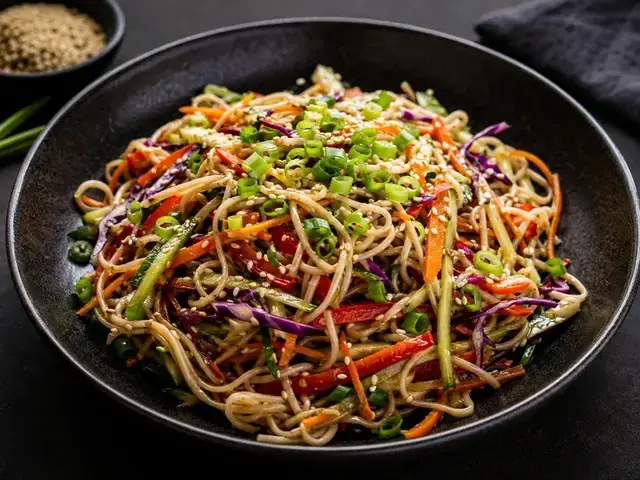
Sesame noodle salad combines cool noodles with crisp vegetables, cooked edamame and a ginger-sesame dressing. The strands should separate easily and carry a light,…
 Botanical
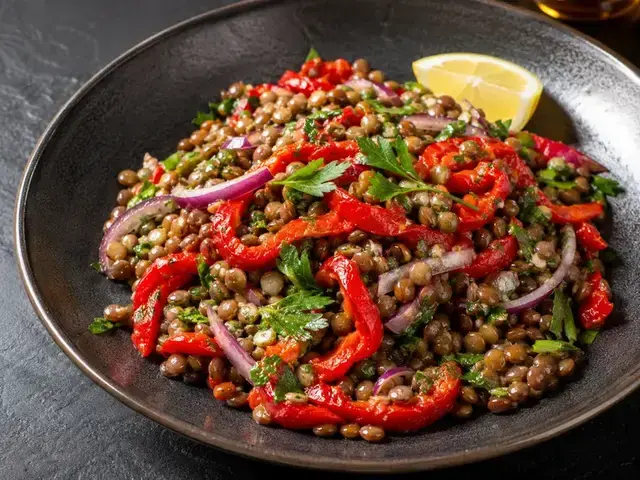
Green lentils and roasted peppers make a substantial salad with smoky-sweet vegetables and a lemon-mustard dressing. Rocket and parsley give freshness against the earthy…
No reviews yet. Be the first to rate this recipe.