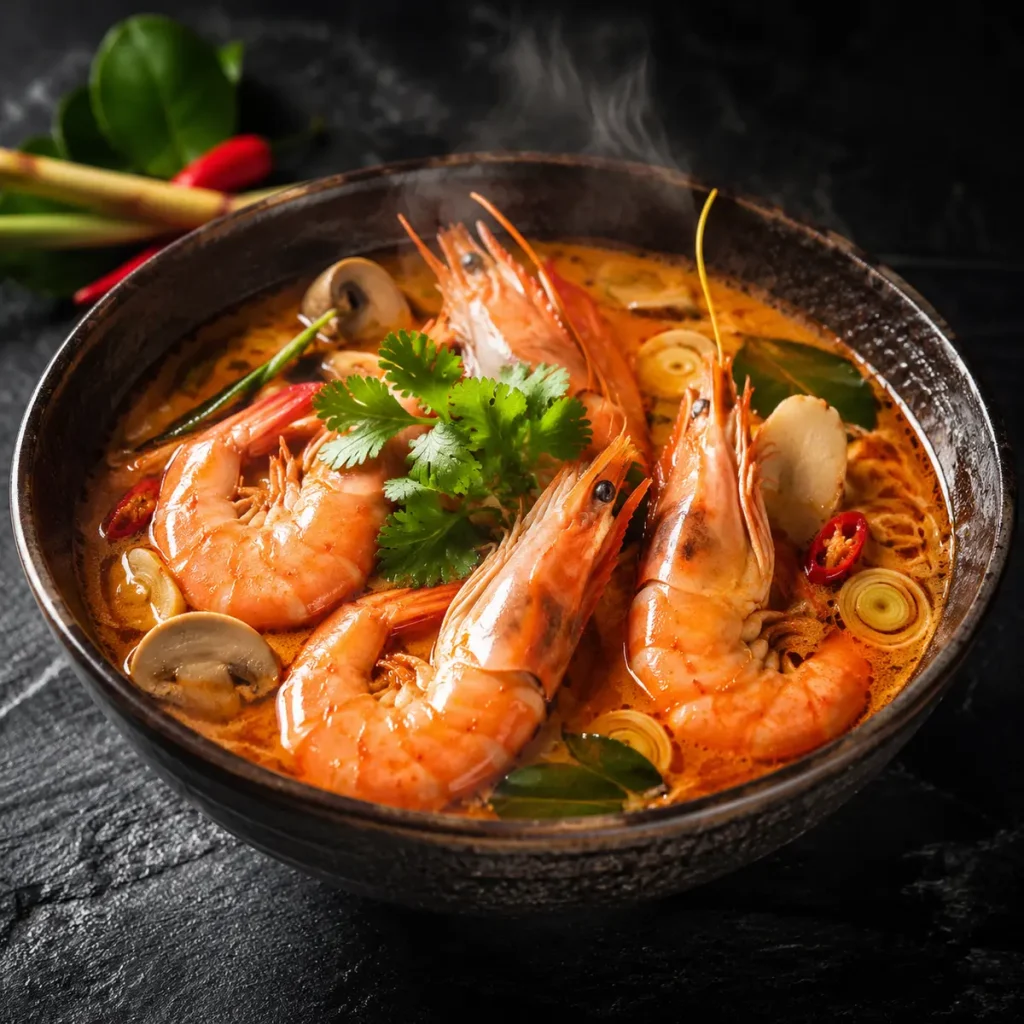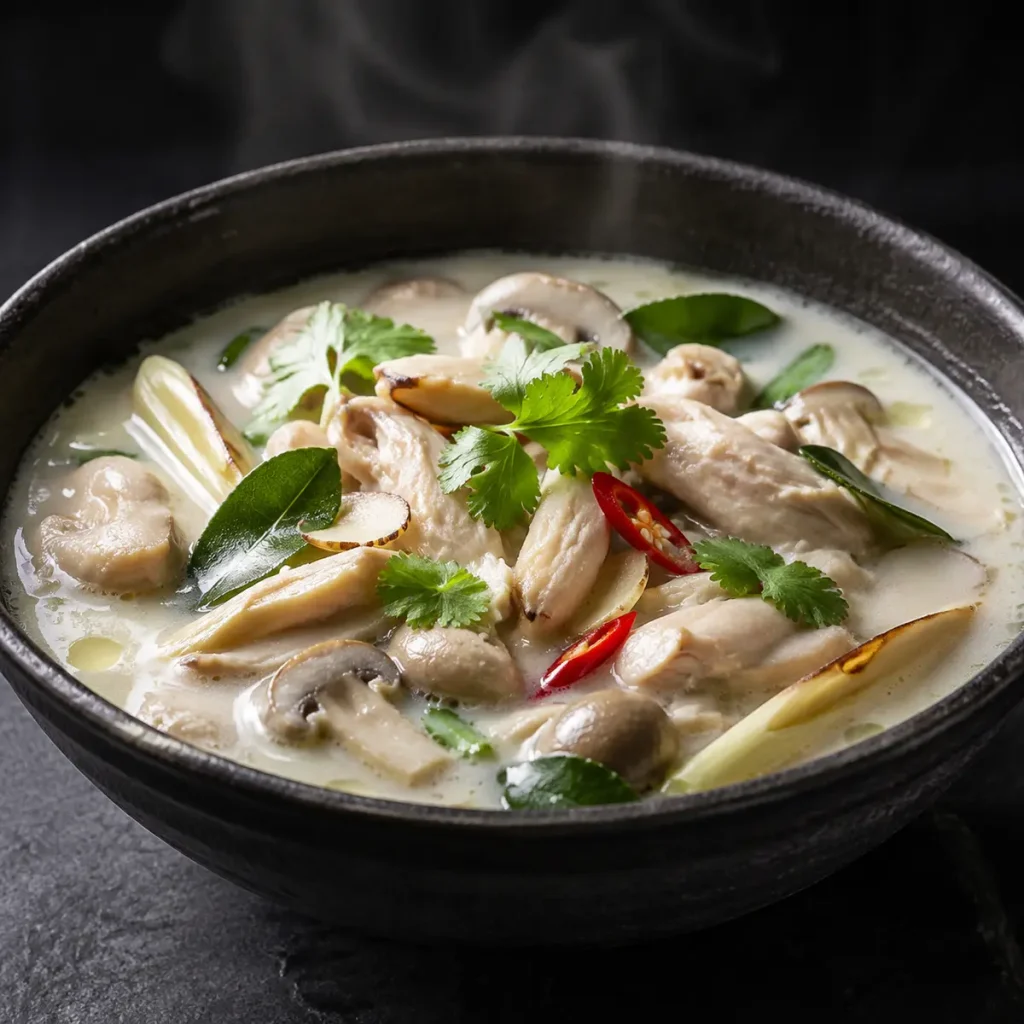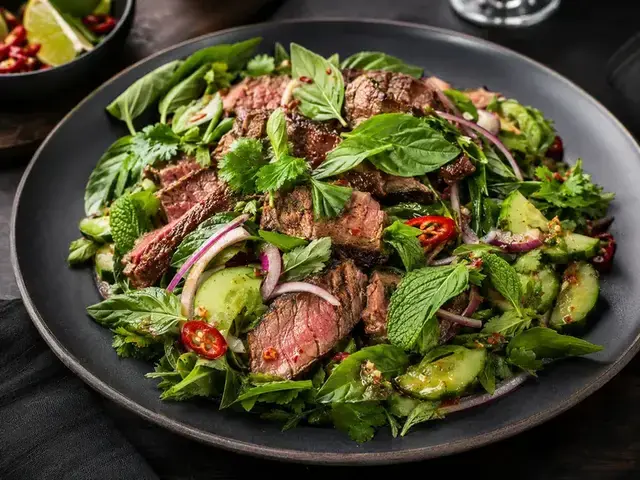

Ingredient at a glance: Lemongrass is a fibrous tropical grass used for citrus aroma in Southeast Asian curries, soups, marinades, teas and pastes.
Flavour, Aroma and Texture
It smells lemony, floral and lightly ginger-like without the same acidity as citrus juice. The outer layers are tough; the pale lower core is tenderer and more aromatic.
How to Select It
Choose firm, heavy stalks with pale compact bases and green tops. Avoid dry hollow stems, mould at the base or a fermented smell.
Professional Preparation
Trim the root and dry top, remove tough outer layers, then bruise whole sections for infusion or slice the tender lower core very finely across the fibres. Pound for curry paste.
Best Cooking Methods
- Bruise and simmer large pieces in soup, then remove.
- Pound tender core into curry paste and marinade.
- Infuse clean cut stalks in syrup, tea or coconut milk.
Flavour Pairings
- Ginger, galangal, chilli and garlic.
- Coconut milk, lime, coriander and basil.
- Chicken, fish, prawns and tofu.
- Palm sugar, fish sauce and turmeric.
Practical Substitutions
- Lemon zest plus ginger for approximate citrus warmth.
- Lemon verbena for delicate infusions.
- Makrut lime leaf for a different leafy citrus aroma.
Storage and Shelf Life
Refrigerate wrapped stalks for short storage or freeze trimmed sections and sliced core. Dried lemongrass suits infusions but lacks fresh complexity.
Season and Availability
Warm-season growth; international markets often stock fresh or frozen stalks year-round.
Nutrition and Dietary Context
Lemongrass is used mainly as an aromatic. Tea portions and concentrated extracts are not equivalent, and medical claims require proper evidence.
Allergen and Food-Safety Notes
Allergy is possible. Tough fibres can choke or remain unpleasant, so remove large infused pieces and slice edible core very finely.
Zero-Waste Use
Freeze tops for stock or tea, use outer layers for infusions and compost fully spent fibres. Keep edible tender core for pastes.
Common Mistakes to Avoid
- Chopping tough outer stalk into visible pieces.
- Using lemongrass as a substitute for lemon acidity.
- Failing to bruise an infusion piece before simmering.
Chef’s Quality Check
The prepared core should release a strong clean citrus aroma; infused liquid should be fragrant without woody fibres or detergent-like excess.
This profile provides general culinary education. Product composition, allergens, storage life and safety requirements vary; check the label and follow local guidance.