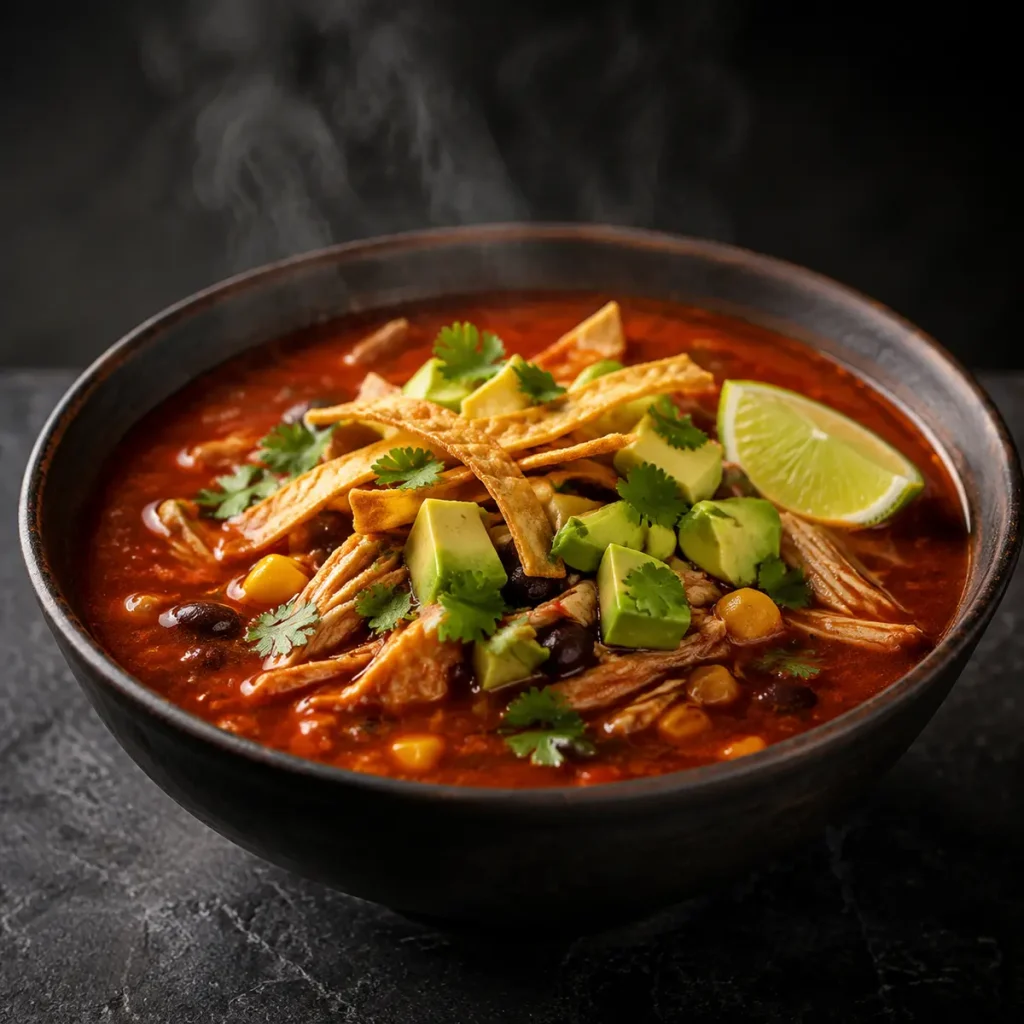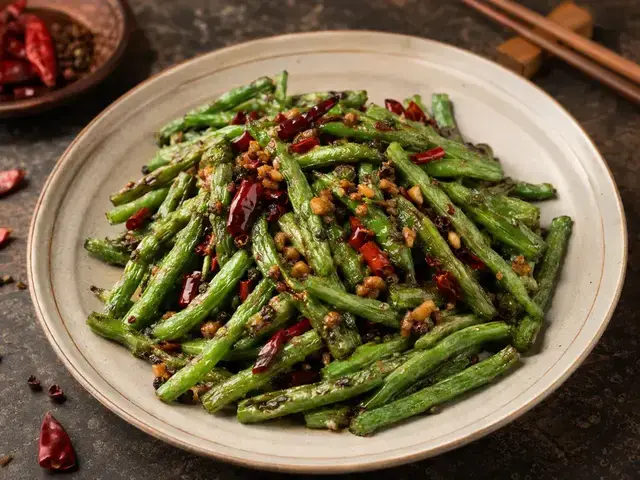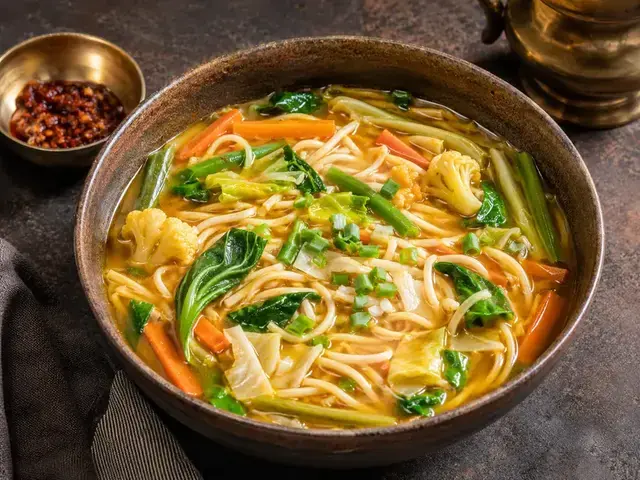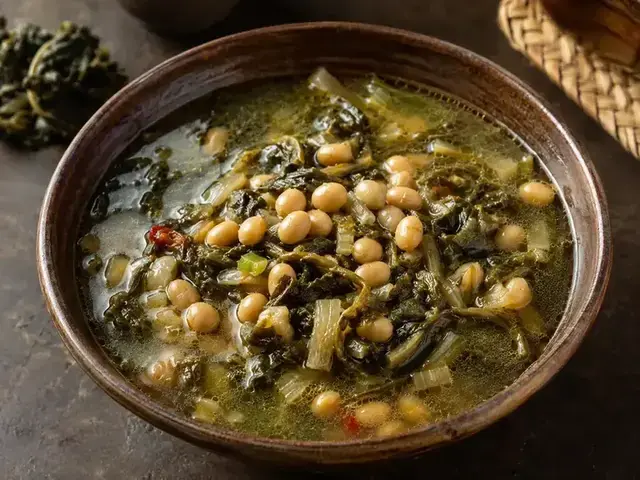
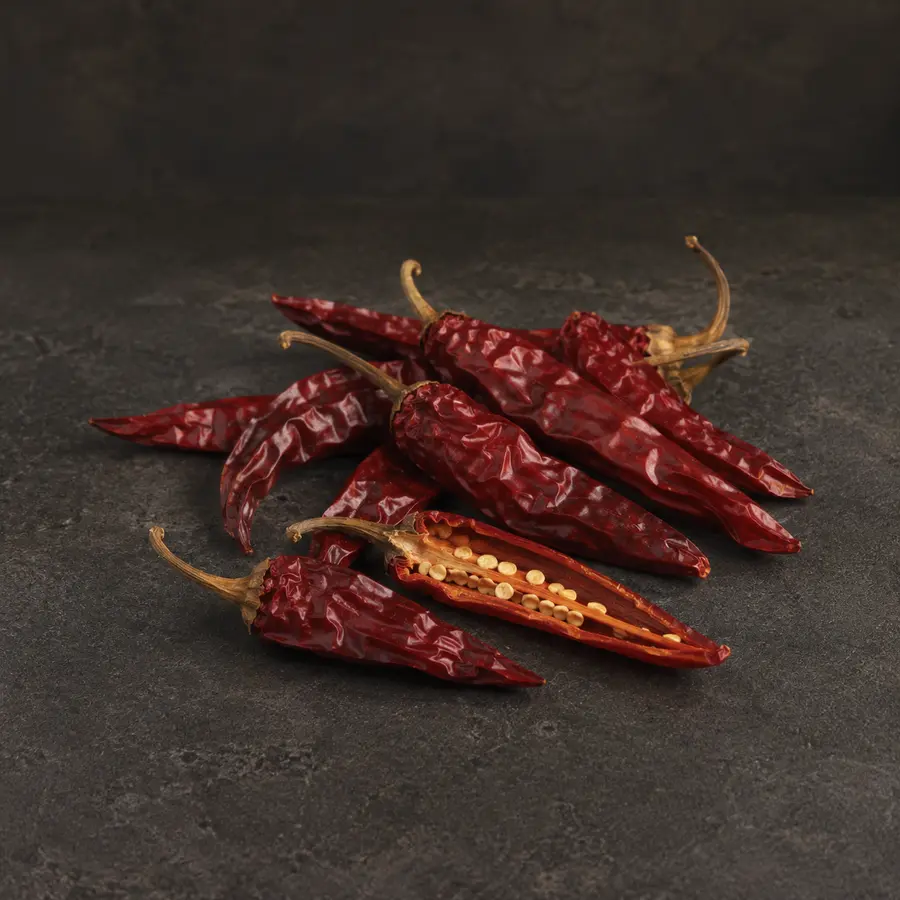
Ingredient at a glance: Dried chillies are dehydrated capsicum fruits whose varieties range from mild and fruity to intensely hot, smoky or raisin-like.
Flavour, Aroma and Texture
Flavour may include berry, tobacco, smoke, citrus or chocolate alongside capsaicin heat. Toasting releases aroma quickly but burning creates choking bitterness.
How to Select It
Choose pliable, fragrant pods with rich colour and no mould, insect holes, dampness or dusty odour. Confirm variety and approximate heat before service.
Professional Preparation
Wear gloves for hot varieties, avoid touching eyes and ventilate the area. Remove seeds and pale ribs to adjust texture and some heat, then toast very briefly or soak.
Best Cooking Methods
- Toast lightly and grind into fresh chilli powder.
- Soak and blend into curry, mole or sauce paste.
- Temper whole mild chillies in oil for aroma and garnish.
Flavour Pairings
- Garlic, cumin, coriander and oregano.
- Tomato, coconut, tamarind and vinegar.
- Beans, meat, eggs and chocolate.
- Sesame, peanuts, citrus and jaggery.
Practical Substitutions
- Fresh chilli for brighter vegetable heat.
- Smoked paprika for mild smoke and colour.
- Black pepper for a different short, sharp heat.
Storage and Shelf Life
Store airtight, dry, dark and away from heat. Freeze large stocks to limit insects, following dry packaging. Discard any mouldy pod rather than trimming it.
Season and Availability
Dried chilli is a year-round pantry product; harvest and drying quality determine aroma.
Nutrition and Dietary Context
Used mainly as seasoning. Capsaicin does not affect every person equally, and extreme heat can cause significant discomfort.
Allergen and Food-Safety Notes
Chilli can irritate skin, eyes and airways. Use gloves, ventilation and clear communication about heat. Allergy is possible; never surprise diners with extreme chilli.
Zero-Waste Use
Rehydrate sound broken pieces for sauce, grind clean seeds into blends when appropriate and label varieties so old pods are used first.
Common Mistakes to Avoid
- Burning chilli in a dry pan and creating irritating fumes.
- Judging heat only by pod size or colour.
- Handling hot chilli and then touching the face.
Chef’s Quality Check
A toasted chilli should become fragrant within seconds without black spots; prepared paste should taste fruity first and hot at an expected, controlled level.
This profile provides general culinary education. Product composition, allergens, storage life and safety requirements vary; check the label and follow local guidance.