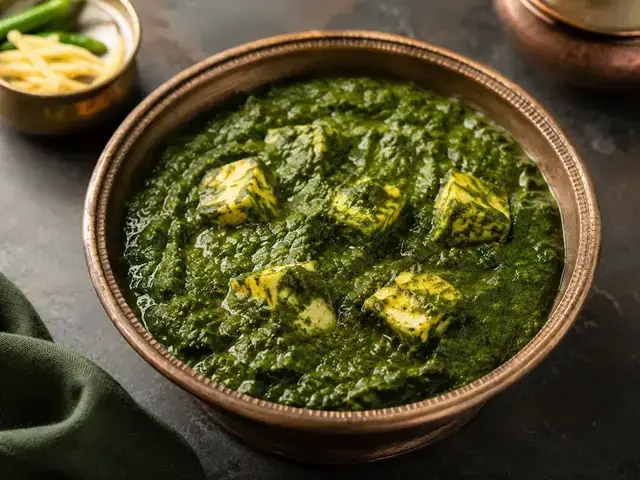
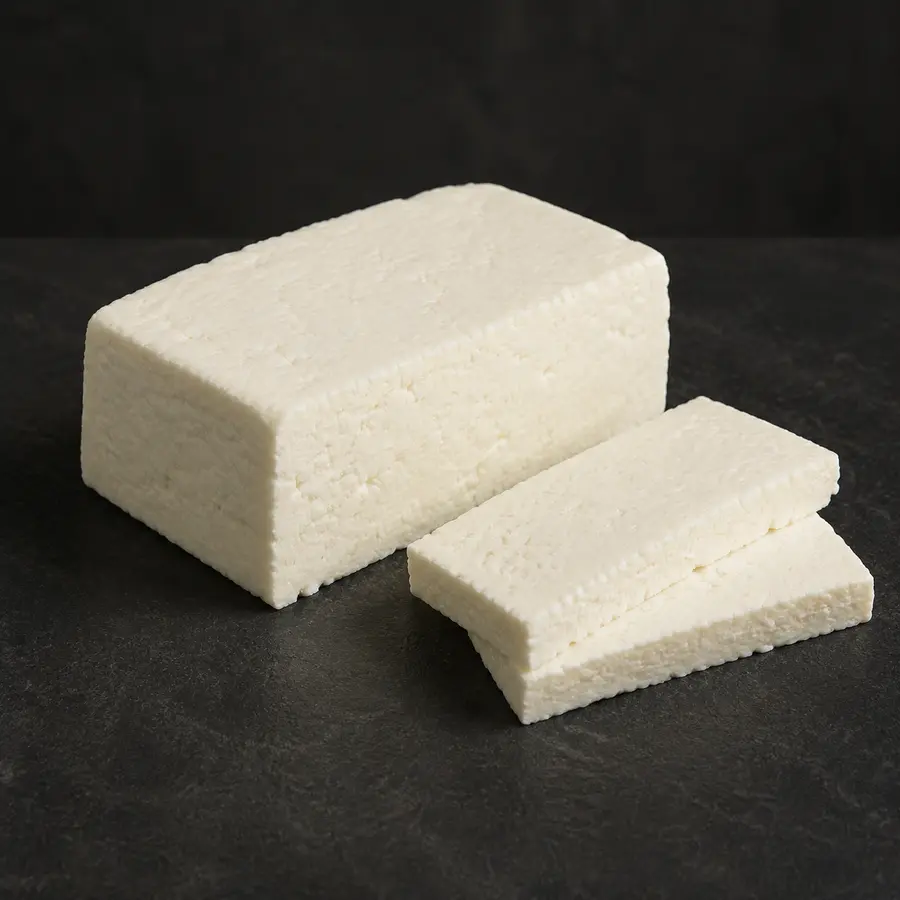
Ingredient at a glance: Paneer is a fresh acid-set South Asian cheese that does not melt, making it suitable for frying, grilling and simmering in curry.
Flavour, Aroma and Texture
It is mild, milky and slightly tangy, with a close moist texture. Old or overcooked paneer becomes rubbery and dry.
How to Select It
Choose refrigerated paneer that is white to cream, moist but not slimy, with an intact package and clean dairy aroma.
Professional Preparation
Cut evenly with a sharp knife. Pat dry before browning. Soak commercial firm paneer briefly in warm salted water only when softening is needed, then drain.
Best Cooking Methods
- Sear quickly on several sides without prolonged frying.
- Add near the end of curry after the sauce is developed.
- Grill marinated cubes on skewers with controlled heat.
Flavour Pairings
- Spinach, peas, tomato and onion.
- Cumin, garam masala, chilli and fenugreek.
- Yogurt, cream, butter and coriander.
- Bell pepper, mushroom, mint and lemon.
Practical Substitutions
- Firm tofu for a soy-based non-melting cube.
- Halloumi for saltier, springier grilling texture.
- Queso panela where available for mild non-melting cheese.
Storage and Shelf Life
Refrigerate sealed and follow the date. After opening, keep in a clean covered container and use promptly. Homemade paneer requires pasteurised milk and hygienic pressing.
Season and Availability
A year-round fresh dairy ingredient.
Nutrition and Dietary Context
Paneer provides protein, fat and calcium in amounts influenced by milk and pressing. Rich sauces change the final meal considerably.
Allergen and Food-Safety Notes
Milk is a major allergen. Fresh cheese is perishable; discard sour, slimy, mouldy or swollen product.
Zero-Waste Use
Crumble safe offcuts into bhurji, stuffing or flatbread, and freeze only if a crumbly texture after thawing is acceptable.
Common Mistakes to Avoid
- Frying cubes for too long until rubbery.
- Expecting paneer to melt like cheddar.
- Holding fresh homemade paneer at room temperature.
Chef’s Quality Check
Paneer should smell milky, cut cleanly and remain tender under gentle pressure after cooking, without sourness or squeaky dryness.
This profile provides general culinary education. Product composition, allergens, storage life and safety requirements vary; check the label and follow local guidance.