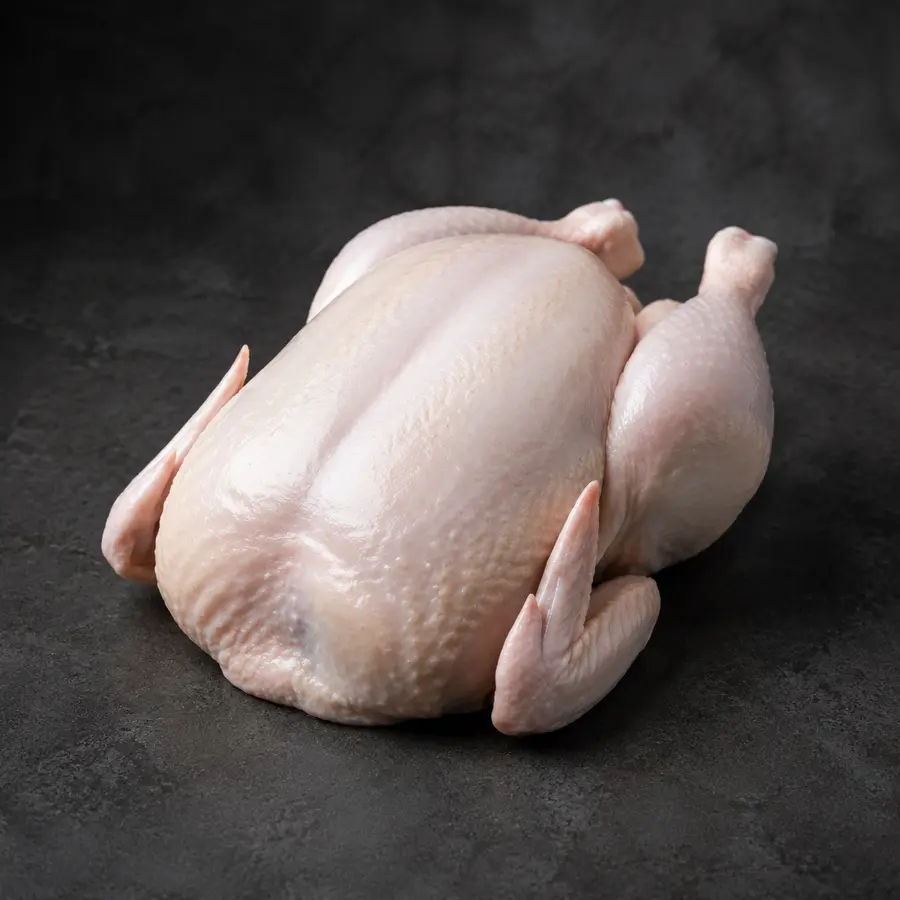
Ingredient at a glance: A whole chicken combines lean breast, connective dark legs, skin and bones, so positioning and temperature checks at multiple points are essential.
Flavour, Aroma and Texture
Roasting produces savoury skin, juicy breast and richer dark meat. Uneven heat can leave the cavity or thigh unsafe while breast dries.
How to Select It
Choose a cold bird in intact packaging, correct size for the oven and no sour odour, slime or broken bones protruding through skin.
Professional Preparation
Do not wash. Remove packaging and giblets, pat dry, season the cavity lightly and truss loosely only when useful. Keep raw tools separate and wash hands.
Best Cooking Methods
- Roast on a rack or vegetables with airflow around the bird.
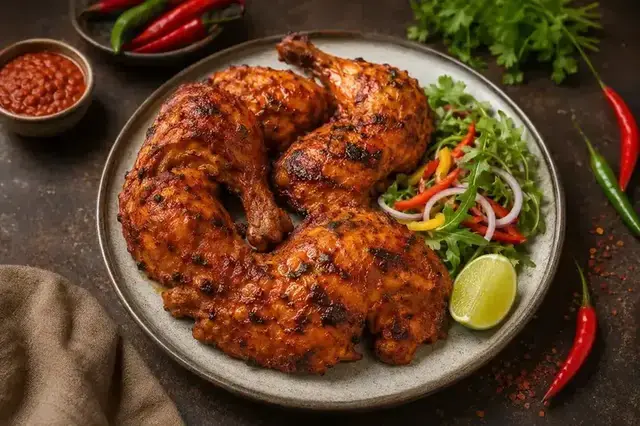
- Spatchcock for faster, more even cooking.
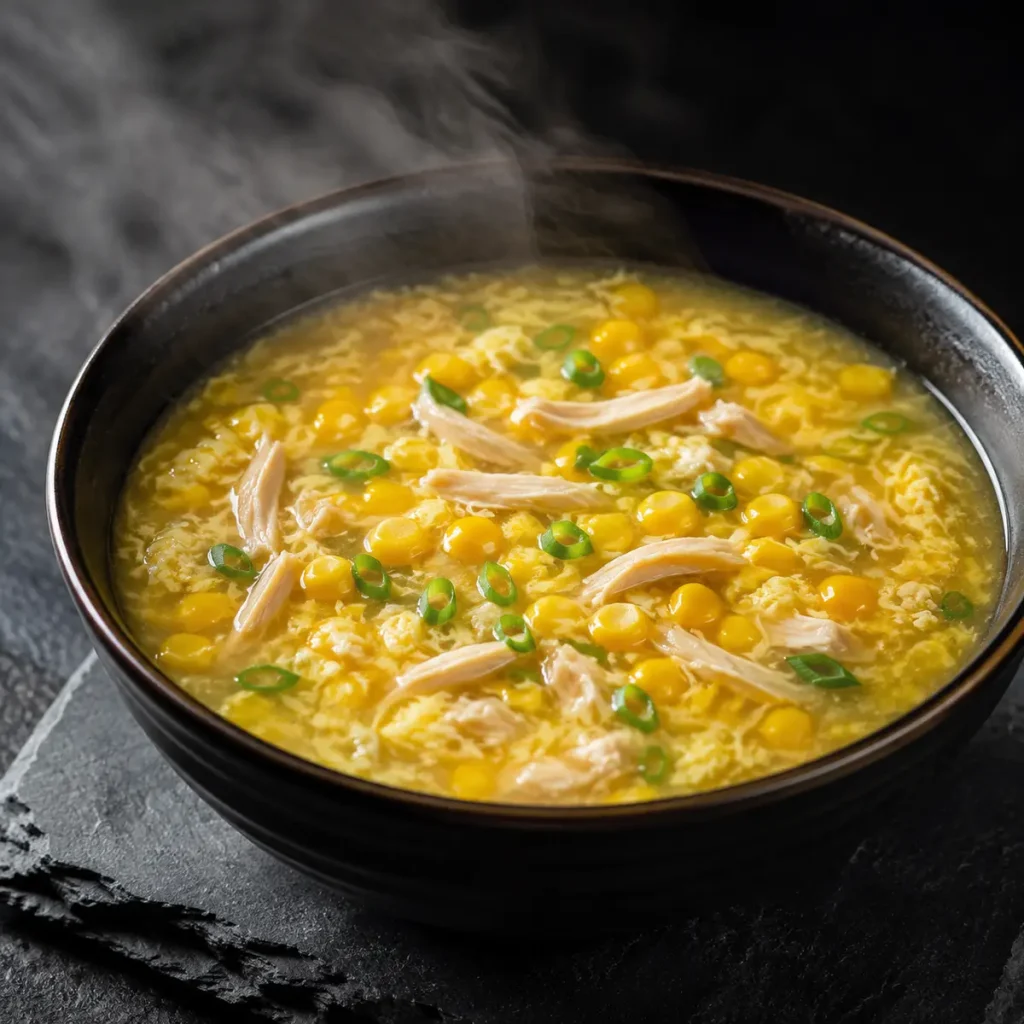
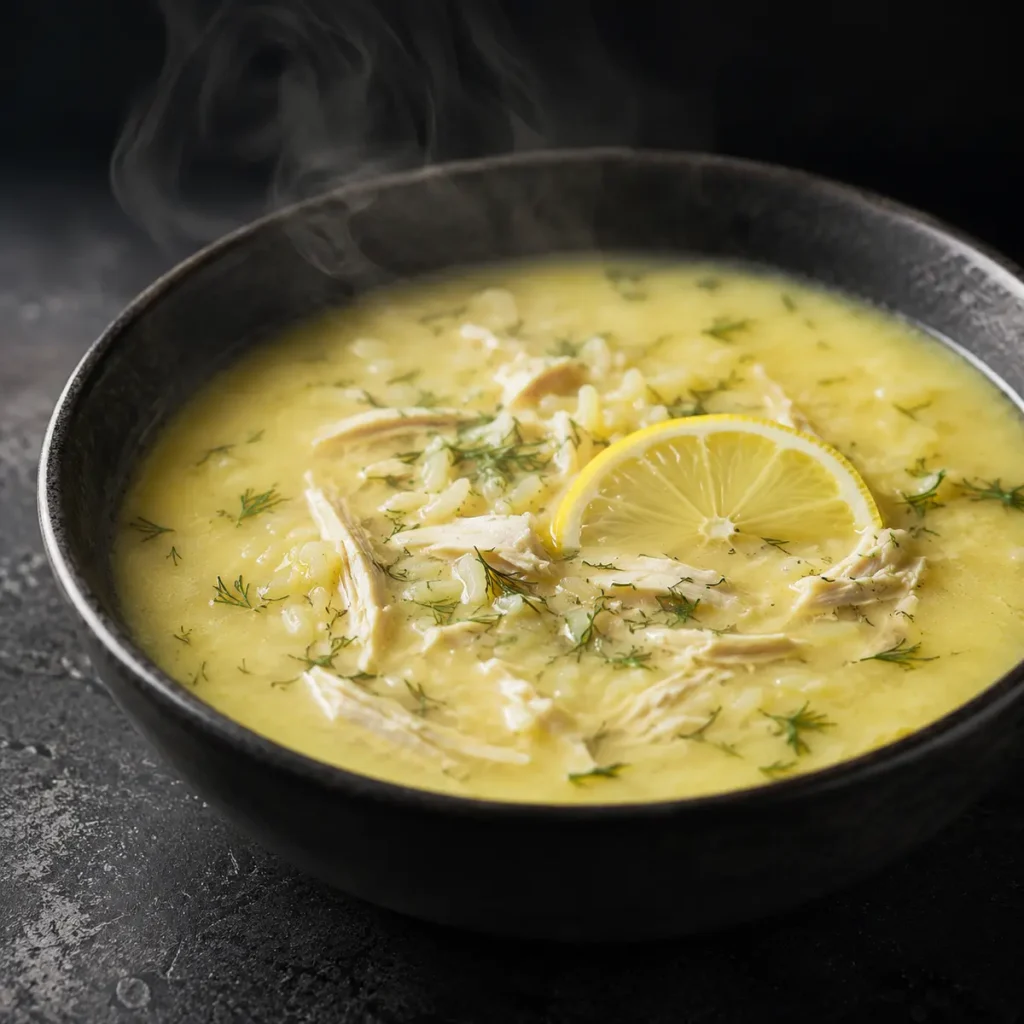
- Poach gently for broth and tender pulled meat.
Flavour Pairings
- Lemon, garlic, thyme and butter.
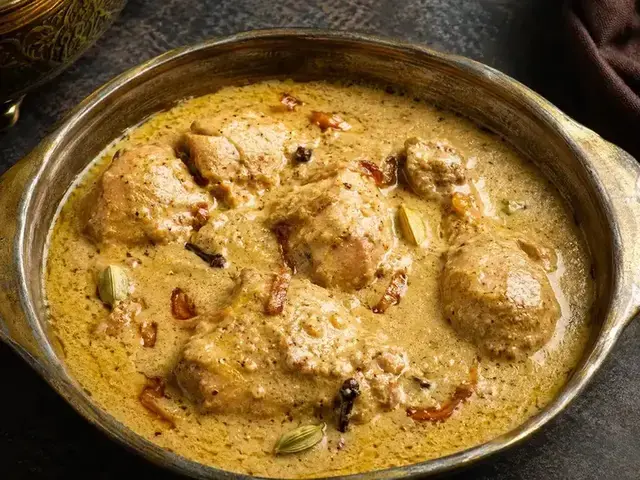
- Cumin, coriander, chilli and yogurt.
- Sage, onion, carrot and celery.
- Mustard, honey, paprika and potato.
Practical Substitutions
- Chicken pieces for easier portion control.
- Turkey for a larger bird with adjusted time and moisture management.
- Two smaller chickens rather than one oversized bird for even roasting.
Storage and Shelf Life
Store raw on the lowest refrigerator shelf in leak-proof packaging. Freeze by the date if not cooking. Cool carved leftovers and stock rapidly in shallow containers.
Season and Availability
Available year-round.
Nutrition and Dietary Context
Whole chicken supplies protein with fat varying by skin and cut. The carcass enables stock but does not make unsafe leftovers usable.
Allergen and Food-Safety Notes
Raw poultry may carry pathogens. Never rely on roasting time or clear juices alone; check the thickest breast and innermost thigh with a calibrated thermometer under local guidance.
Zero-Waste Use
Carve all safe meat, simmer the carcass into stock promptly and chill the strained stock rapidly. Render clean skin when appropriate.
Common Mistakes to Avoid
- Stuffing the cavity densely and delaying safe heating.
- Checking only one temperature point.
- Leaving the roasted bird whole to cool slowly.
Chef’s Quality Check
Breast and thigh must each meet the required safe endpoint; legs should move freely, breast remain moist and skin be evenly browned.
This profile provides general culinary education. Product composition, allergens, storage life and safety requirements vary; check the label and follow local guidance.