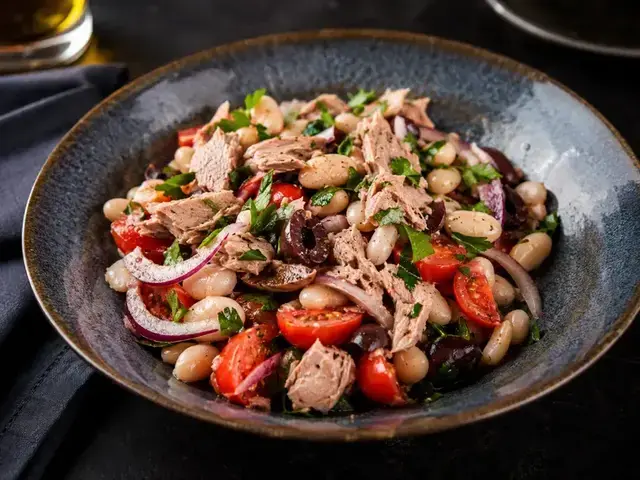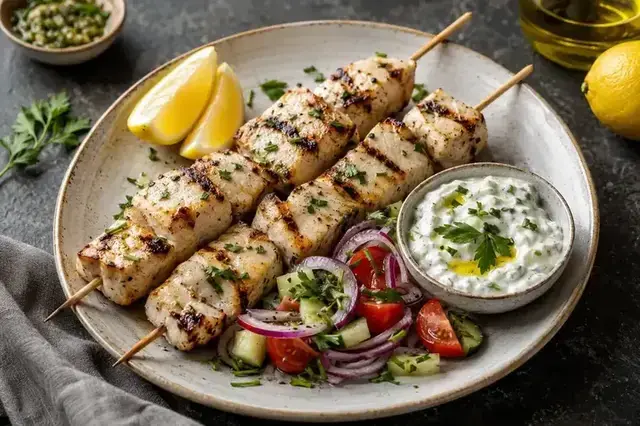
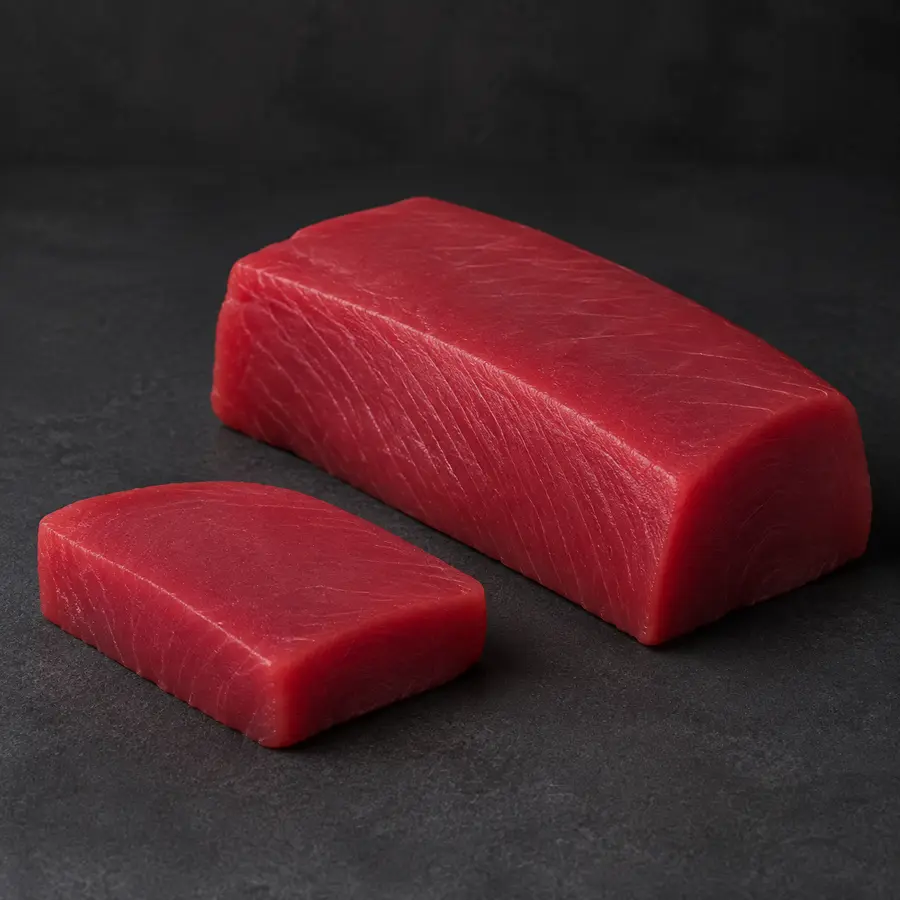
Ingredient at a glance: Tuna is a large muscular fish sold fresh as steaks or loins and preserved in cans; species vary in fat, colour, mercury and sustainability.
Flavour, Aroma and Texture
Fresh tuna is meaty, clean and mildly mineral. Lean cuts dry rapidly; canned tuna is firmer and saltier, depending on oil or brine packing.
How to Select It
Buy fresh tuna under an excellent cold chain with resilient flesh and no brown-green breakdown, slime or strong odour. Cans must be intact, not swollen or leaking.
Professional Preparation
Keep chilled, portion across the loin and pat dry. For canned tuna, drain according to the dish and check for any abnormal gas, odour or can damage.
Best Cooking Methods
- Sear a thick steak rapidly with verified product suitability.
- Poach gently in oil for controlled tender flakes.
- Fold canned tuna into salad, pasta and patties without overmixing.
Flavour Pairings
- Lemon, caper, olive and parsley.
- Soy, sesame, ginger and chilli.
- Tomato, bean, egg and potato.
- Avocado, cucumber, lime and coriander.
Practical Substitutions
- Swordfish for a firm steak, with separate sourcing concerns.
- Salmon for richer oily flakes.
- Chickpeas for a plant-based salad protein.
Storage and Shelf Life
Maintain tuna very cold from purchase to cooking. Refrigerate opened canned tuna in a separate clean container and use promptly. Freeze fresh fish only under appropriate quality and safety controls.
Season and Availability
Species and fishery seasons vary; canned supply is year-round.
Nutrition and Dietary Context
Tuna provides protein. Mercury levels differ by species and size, so vulnerable groups should follow current official consumption advice.
Allergen and Food-Safety Notes
Fish is a major allergen. Poor temperature control can cause histamine poisoning that cooking cannot reverse. Raw service requires approved sourcing and controls.
Zero-Waste Use
Use canned oil in dressings only when clean and suitable, turn cooked trim into patties and buy portion sizes that prevent repeated opening.
Common Mistakes to Avoid
- Leaving tuna warm during preparation.
- Cooking a lean steak until dry by following time instead of thickness.
- Assuming cooking removes histamine formed during abuse.
Chef’s Quality Check
Fresh tuna should smell clean and have firm, non-tacky flesh; cooked texture should match the cut without dryness or metallic spoilage.
This profile provides general culinary education. Product composition, allergens, storage life and safety requirements vary; check the label and follow local guidance.