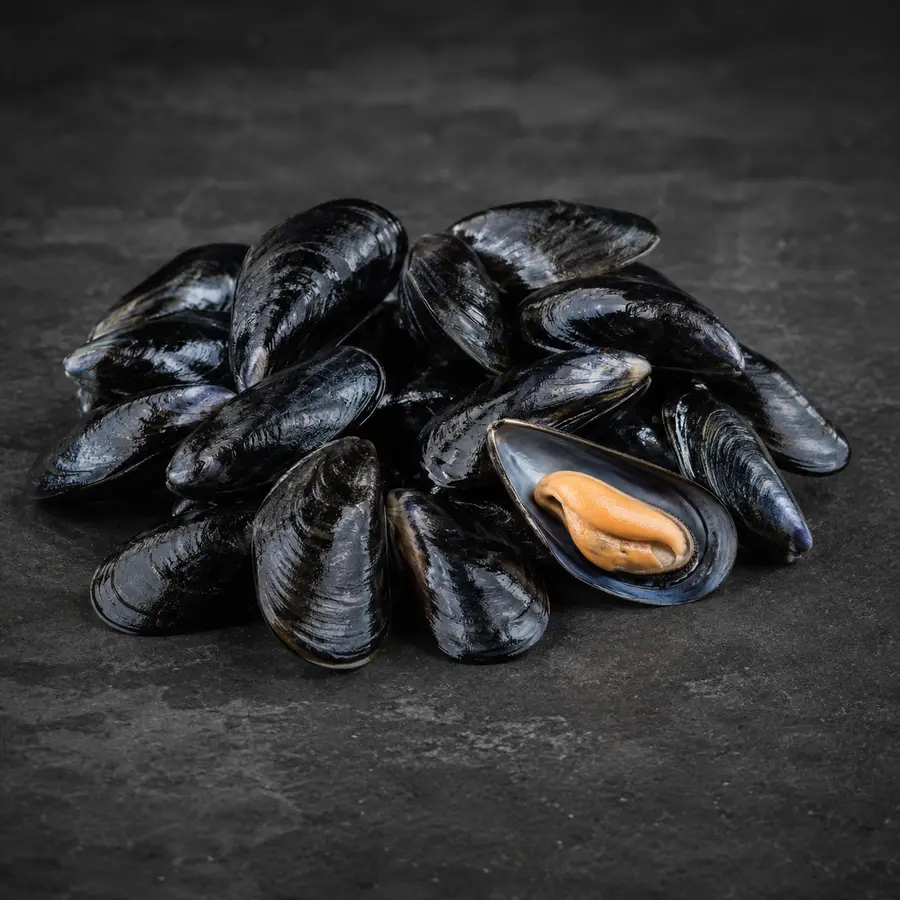
Ingredient at a glance: Mussels are bivalve molluscs sold live in shell or cooked and frozen; live animals filter water and can accumulate marine hazards.
Flavour, Aroma and Texture
They are briny, sweet and savoury, releasing flavourful liquor as they steam. Overcooking shrinks meat into a dry pellet.
How to Select It
Buy from an approved supplier with traceability tags. Live shells should be closed or close when tapped. Reject cracked, persistently open or foul-smelling mussels.
Professional Preparation
Keep cold and breathable, not submerged in fresh water. Scrub shells, pull beards just before cooking and discard damaged or non-responsive animals.
Best Cooking Methods
- Steam in a wide covered pot with aromatic liquid.
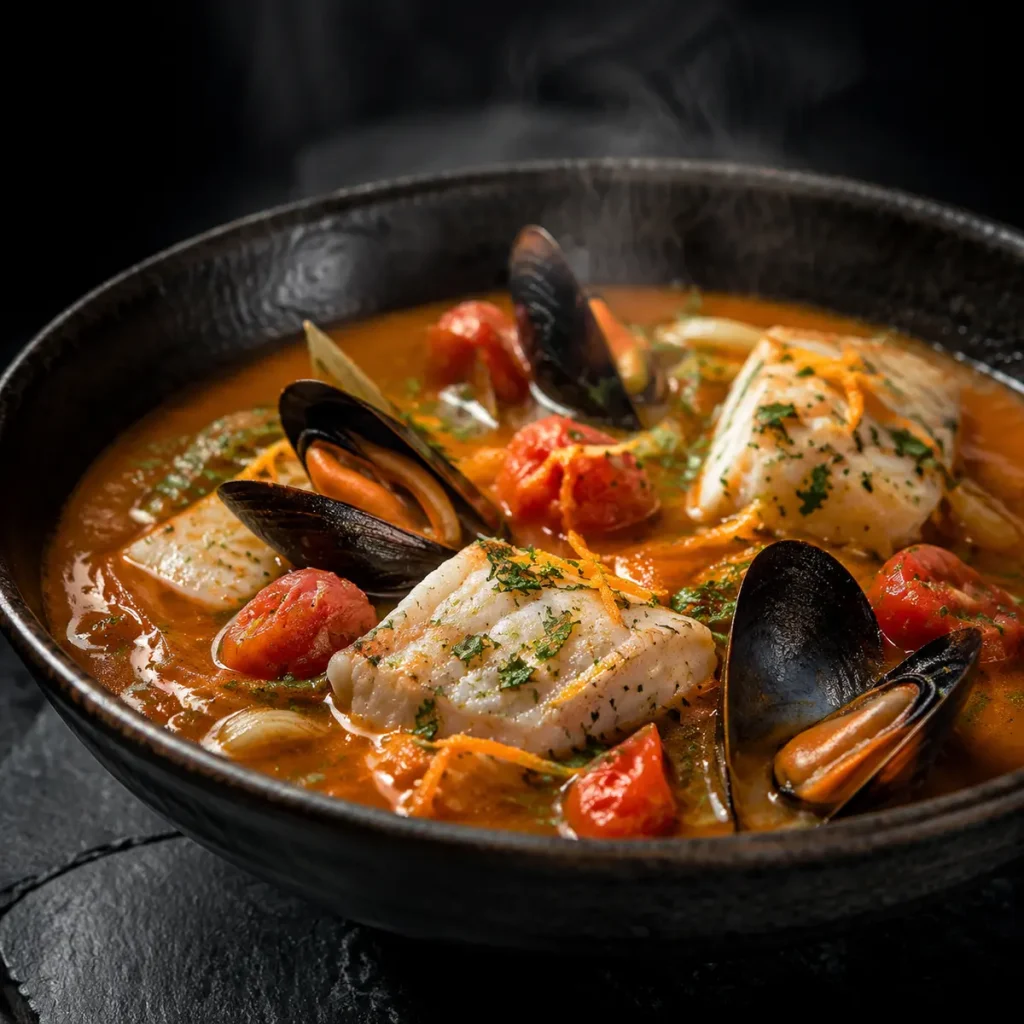
- Add to tomato, wine or coconut broth near the end.
- Remove cooked meat for rice or pasta after safe cooling.
Flavour Pairings
- Garlic, parsley, white wine and butter.
- Tomato, chilli, fennel and saffron.
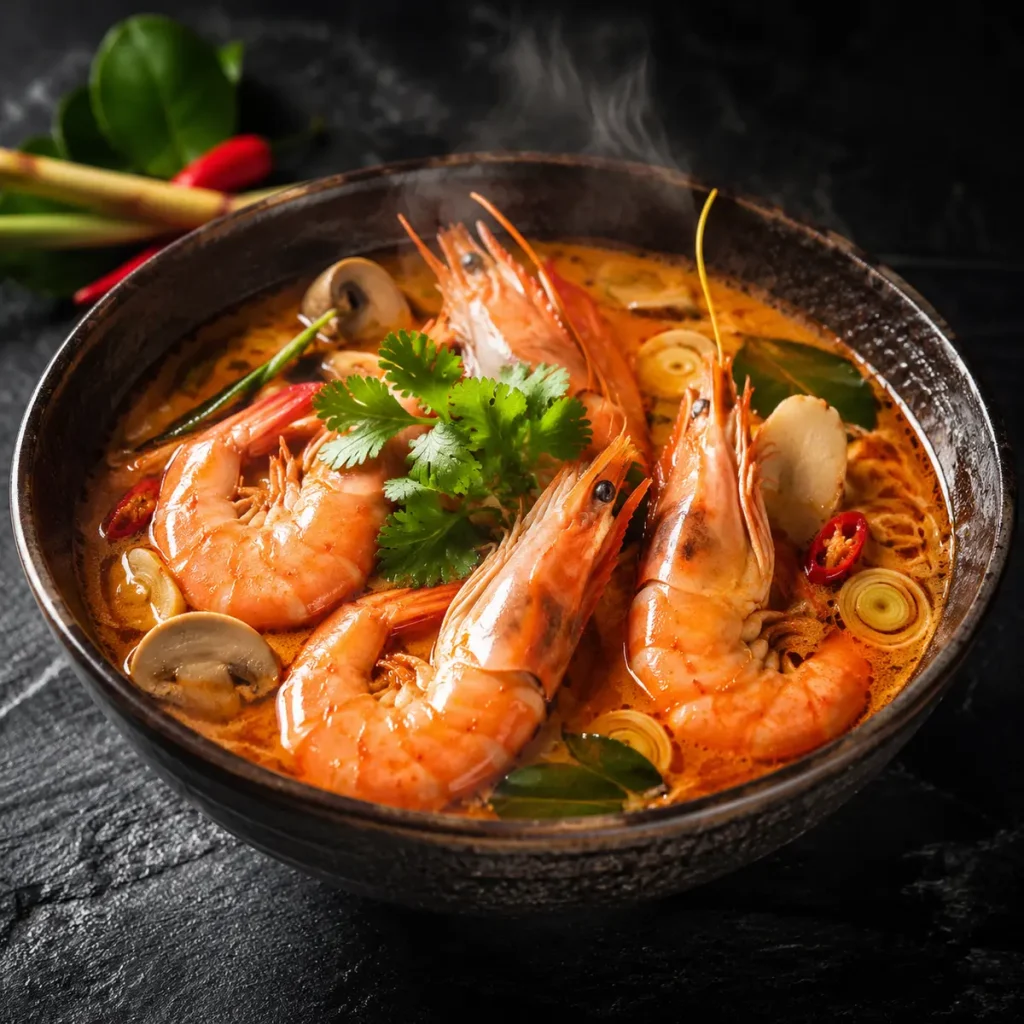
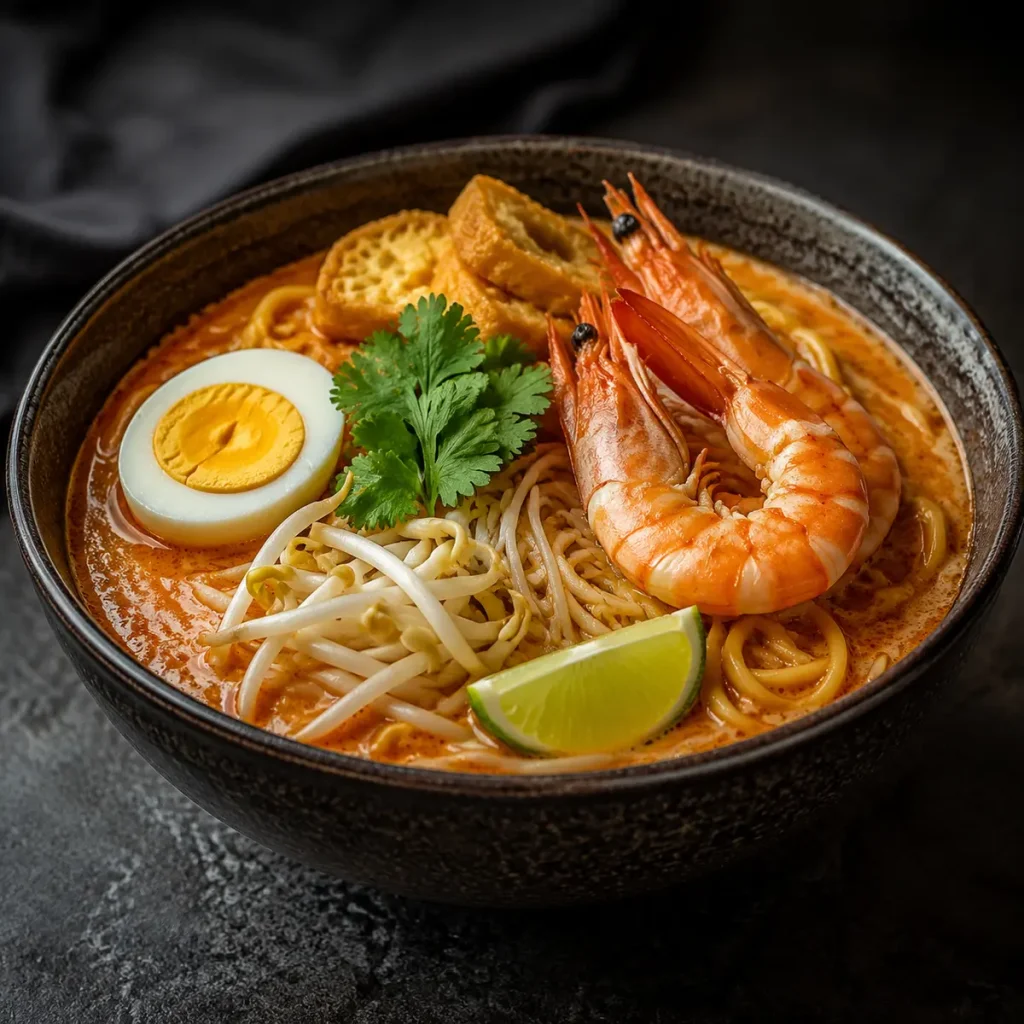
- Coconut, lemongrass, lime and coriander.
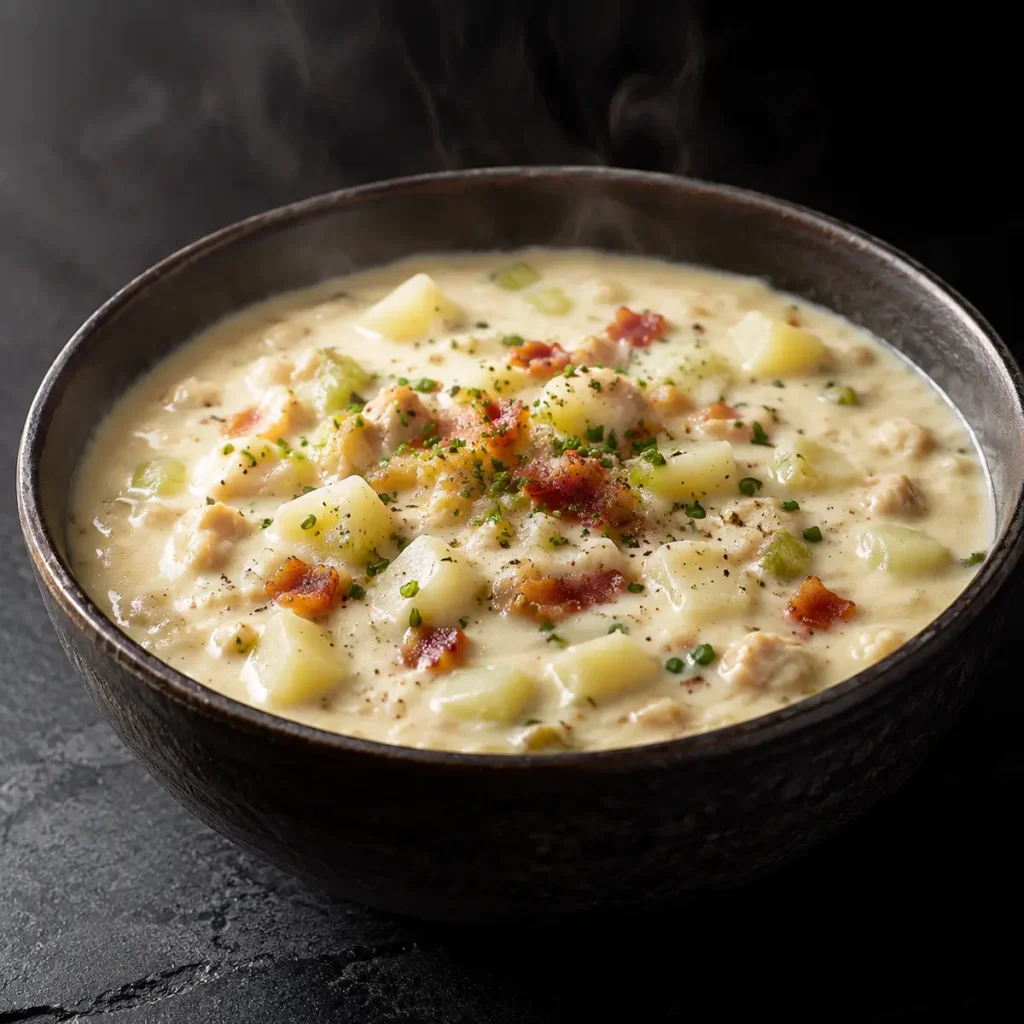
- Potato, leek, cream and crusty bread.
Practical Substitutions
- Clams with similar live-shell controls and different liquor.
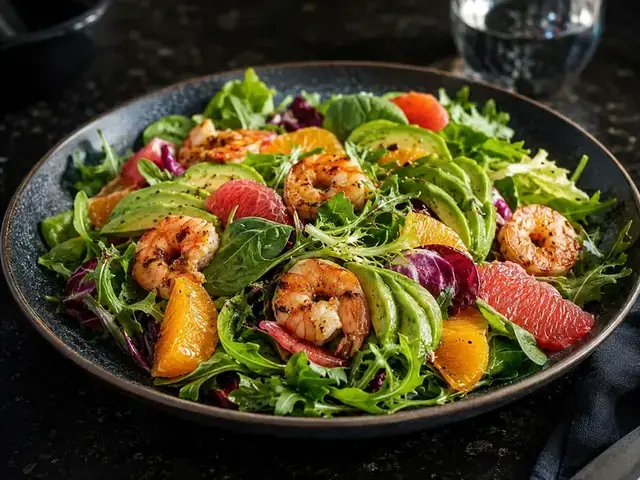
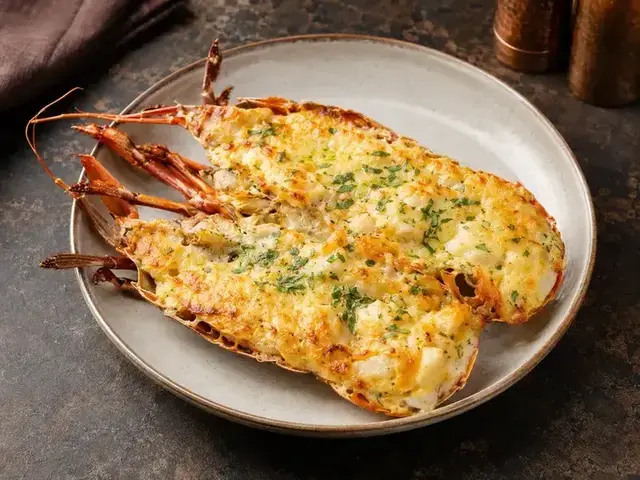
- Prawns for sweet shellfish without shells opening.
- Firm fish pieces for seafood stew without mollusc texture.
Storage and Shelf Life
Keep live mussels refrigerated in a ventilated container under damp covering and cook promptly. Never store in sealed water. Refrigerate cooked meat and liquor rapidly.
Season and Availability
Strongly dependent on local harvest seasons and marine closures.
Nutrition and Dietary Context
Mussels provide protein, iron and vitamin B12. Sauce and bread often contribute most added fat and salt.
Allergen and Food-Safety Notes
Molluscan shellfish is a major allergen. Marine biotoxins are not reliably destroyed by cooking; buy only approved harvests and heed closures.
Zero-Waste Use
Strain clean cooking liquor for soup, compost shells where accepted and cook only the quantity likely to be eaten.
Common Mistakes to Avoid
- Soaking live mussels in fresh water.
- Buying without harvest traceability.
- Cooking a large pot long after most shells have opened.
Chef’s Quality Check
Cooked shells should open and meat remain plump; discard shells that remain closed under local guidance and any batch with abnormal odour.
This profile provides general culinary education. Product composition, allergens, storage life and safety requirements vary; check the label and follow local guidance.