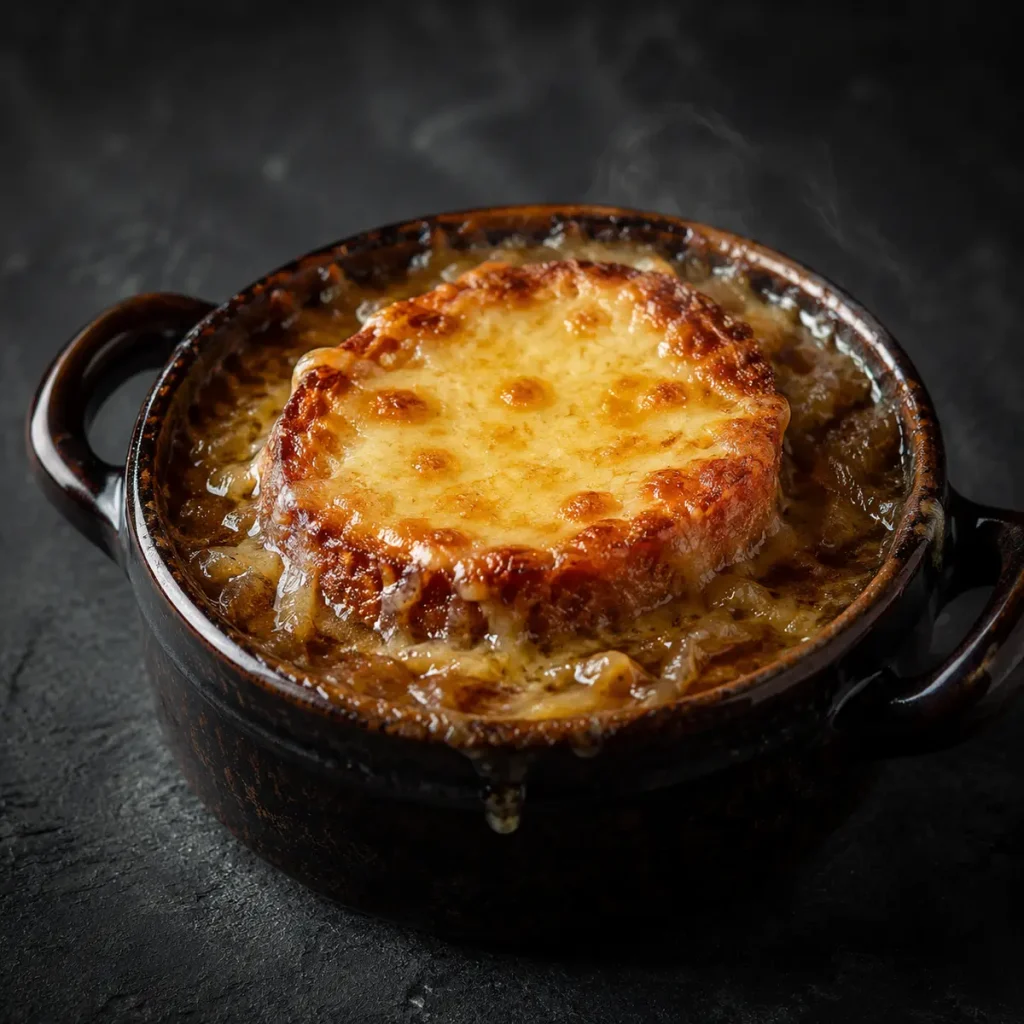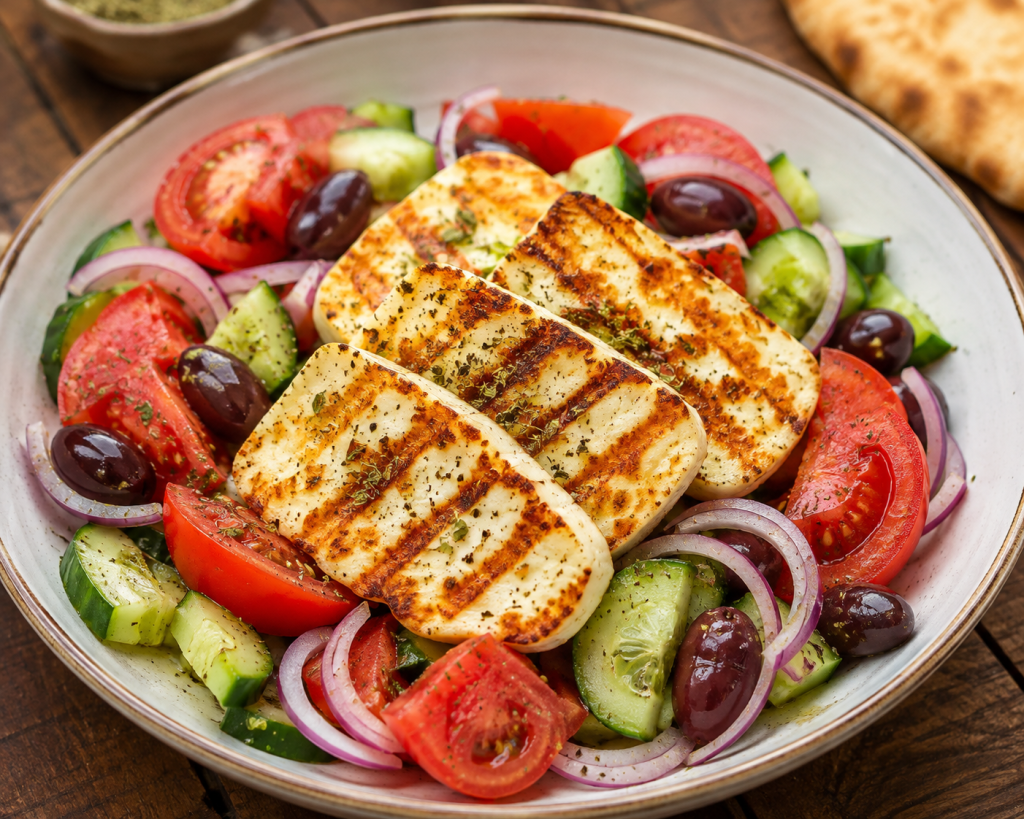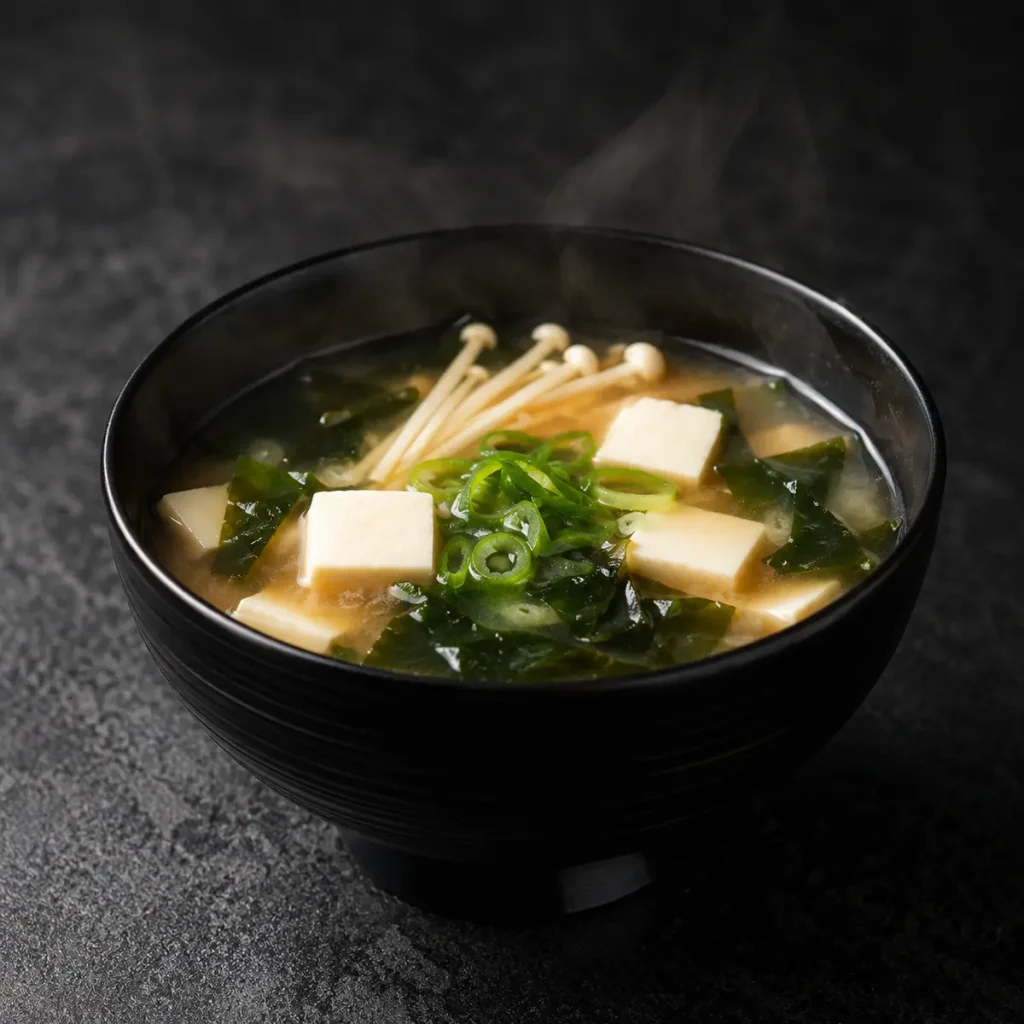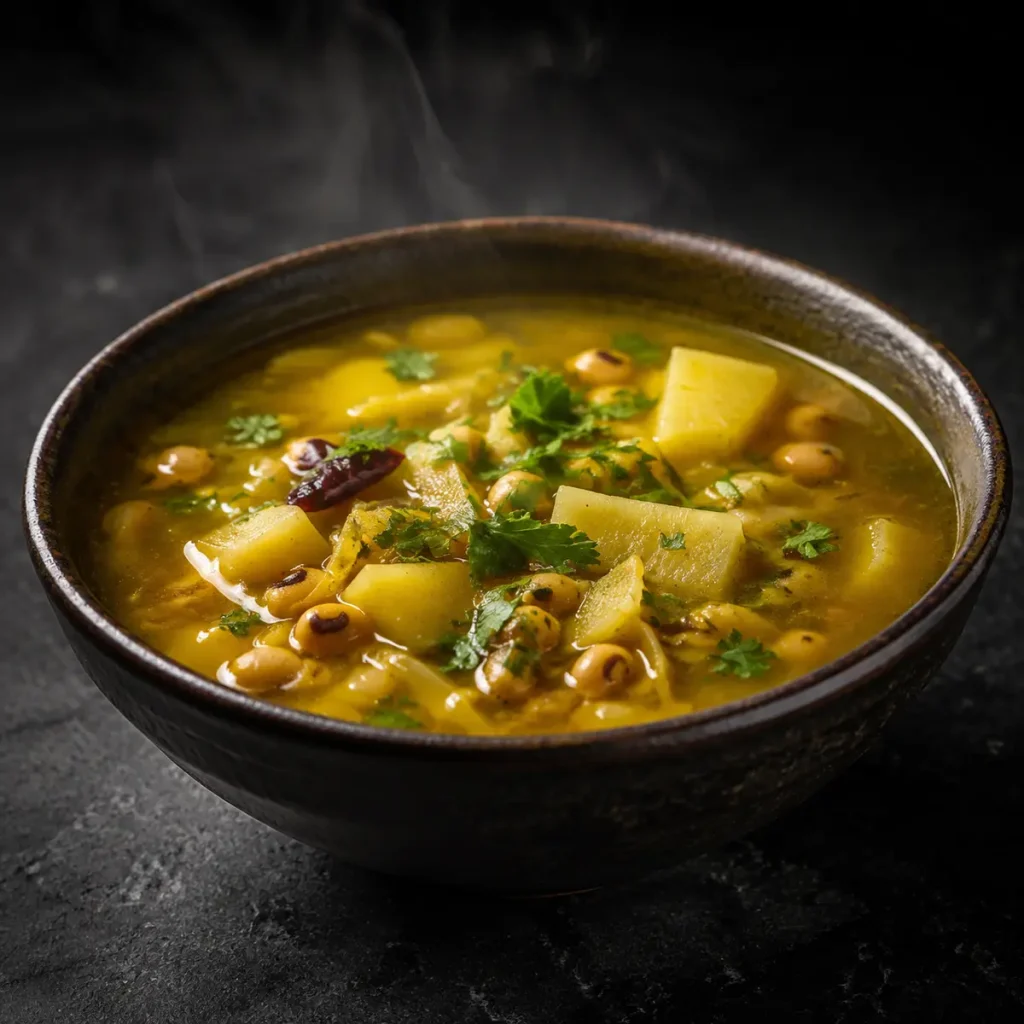

Ingredient at a glance: Onion is a foundational allium used to build aroma, sweetness, body and savoury depth in cuisines around the world.
Flavour, Aroma and Texture
Raw onion is crisp, pungent and sulphurous. Gentle cooking makes it sweet and soft; controlled browning develops nutty caramel notes, while burning produces lasting bitterness.
How to Select It
Choose dry, firm bulbs with tight skins and no soft neck, mould, wet roots or strong fermented odour. Sweeter varieties suit raw use; storage onions usually tolerate longer cooking.
Professional Preparation
Trim the root last when dicing to keep layers stable. Cut consistently for even cooking. Rinse or briefly soak sliced raw onion only when a milder flavour is required, then drain completely.
Best Cooking Methods
- Sweat slowly without colour for soups and pale sauces.
- Caramelise in a broad pan with moderate heat and sufficient time.
- Char wedges or petals for smoky sweetness while retaining structure.
Flavour Pairings
- Garlic, ginger, chilli and tomato.
- Cumin, coriander, thyme and bay.
- Meat, lentils, eggs and mushrooms.
- Vinegar, lemon, yogurt and cheese.
Practical Substitutions
- Shallot for a finer, milder allium character.
- Leek for gentle sweetness and softer texture.
- Asafoetida in tiny amounts for some allium-free preparations.
Storage and Shelf Life
Store whole dry onions in a cool, dark, ventilated place, separate from potatoes. Refrigerate peeled or cut onion promptly in a sealed container and use while aroma remains clean.
Season and Availability
Dry storage onions are year-round staples; fresh spring and sweet onions are more seasonal and contain more water.
Nutrition and Dietary Context
Onion contributes fibre and sulphur-containing compounds but is normally used as one component of a dish. It may be poorly tolerated by people following medically advised low-FODMAP diets.
Allergen and Food-Safety Notes
Allium allergy is possible. Keep cut onion away from ready-to-eat food contamination and discard slimy, mouldy or fermented bulbs.
Zero-Waste Use
Use clean skins and ends to flavour dark vegetable stock, then strain. Pickle surplus sliced onion or cook it down into chutney within a safe tested process.
Common Mistakes to Avoid
- Trying to caramelise too quickly over aggressive heat.
- Crowding the pan so onion steams instead of browning.
- Using burnt onion as a base and attempting to hide the bitterness.
Chef’s Quality Check
Cooked onion should have even colour, no raw sulphurous centre unless intended, and a sweet aroma without black bitter fragments.
This profile provides general culinary education. Product composition, allergens, storage life and safety requirements vary; check the label and follow local guidance.