
 Salads
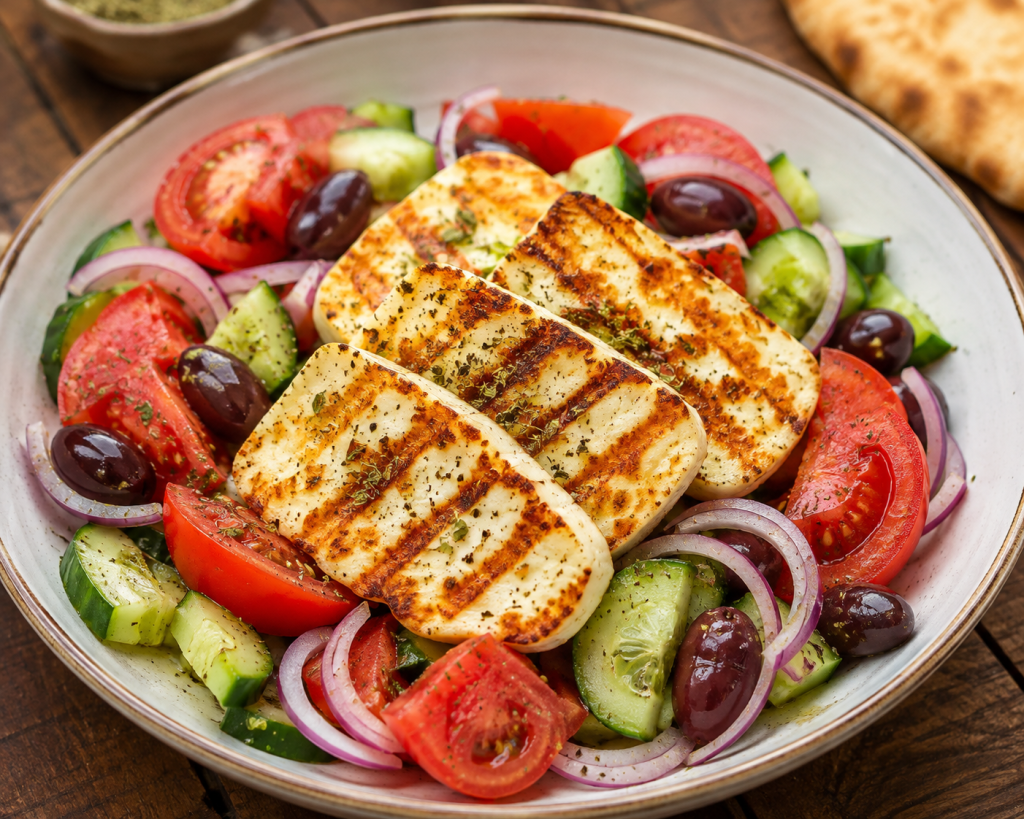
Cypriot Halloumi Salad
A fresh Cypriot salad with grilled halloumi, tomatoes, cucumber, onion, olive oil, lemon, and oregano.
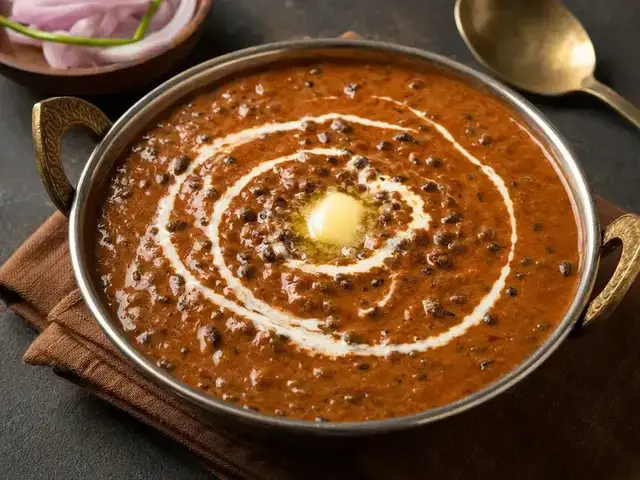
Dal makhani uses whole black urad and kidney beans simmered into a rich, cohesive lentil dish. Butter and cream soften the tomato and spice base, while slow cooking develops a creamy texture from the lentils themselves. It should be spoonable rather than a dry bean mixture.
Follow the measured ingredients, numbered method, substitutions, safety notes and cooking mode below.
Production target: 4 generous portions. Use fully cooked whole black urad and kidney beans for this formulation; both should be completely tender before they enter the tomato base.
Build the tomato-spice base first and reduce it until glossy before adding the pulses. The long second simmer is for flavour integration and starch release, not for trying to cook raw beans.
Maintain a quiet simmer and stir from the bottom every few minutes. Mash only a small proportion of the urad so the sauce becomes creamy while the bowl still shows intact beans.
For service, hold the dal loose enough that it can be ladled cleanly. It will tighten as it sits, so keep hot water nearby for small consistency corrections.
Add the final butter, cream, garam masala and kasuri methi close to service and avoid a hard boil afterward. Final quality check: deep tomato-spice aroma, very soft urad, cohesive spoonable sauce, no raw garlic note, no scorched bitterness and no separated fat.
Dal makhani gets its luxurious texture from whole black urad simmered slowly until the starch thickens the sauce, then finished with butter and cream rather than relying on dairy alone. This version starts with fully cooked urad and kidney beans for practical timing, but still uses a long gentle simmer to build the deep, cohesive texture the dish needs.
1. Read firstRead every step once before switching on the cooker.
2. MeasureWeigh and prepare all ingredients in the order listed.
3. Control heatLow means a gentle bubble, medium cooks steadily, and high is for quick browning.
4. Check donenessUse the texture, timing and safe-temperature checks written in the method.
Complete one numbered step before moving to the next. Keep the heat and timing exactly as written.
This version starts with fully cooked whole black urad and kidney beans so the stated timing remains practical. If cooking dried beans from scratch, use a separate proven bean-cooking method first and only begin this recipe once both pulses are completely tender.
The signature creaminess should come mainly from slow simmering and releasing starch from a small portion of the urad, not from pouring in extra cream.
Do not rush the tomato stage. If the passata still smells raw or tastes sharply acidic, simmer it longer before adding the pulses.
Stir from the bottom regularly once the dal thickens. A heavy pot helps, but even a good pot can scorch if the heat is too high.
If the dal catches, move the unburnt portion immediately to a clean pan without scraping the burnt base.
If the dal is thin, simmer uncovered and mash a small amount of the urad. If it is too thick, add hot water in small amounts.
If the finished dal tastes flat, check salt first, then garam masala and kasuri methi. Do not solve blandness by adding more cream.
Butter and cream should round the flavour at the end, not form an oily layer on the surface. If the dal looks greasy, lower the heat and stir gently until the fat reincorporates.
This recipe uses fully cooked beans or pulses. Canned beans can be drained and rinsed; raw dried kidney beans must not be added directly or cooked only at slow-cooker temperatures. Keep cooked pulses refrigerated until needed.
Serve hot with rice or flatbread in moderate portions. Add only a small finishing cream swirl if desired and follow prompt cooling guidance for the cooked pulses.
Refrigerate promptly in shallow covered containers at 4°C or below and use within 3 days. Reheat only the portion needed to at least 74°C throughout. Discard food left unrefrigerated for more than 2 hours, or 1 hour above 32°C.
Salads
A fresh Cypriot salad with grilled halloumi, tomatoes, cucumber, onion, olive oil, lemon, and oregano.
 Hot Soup
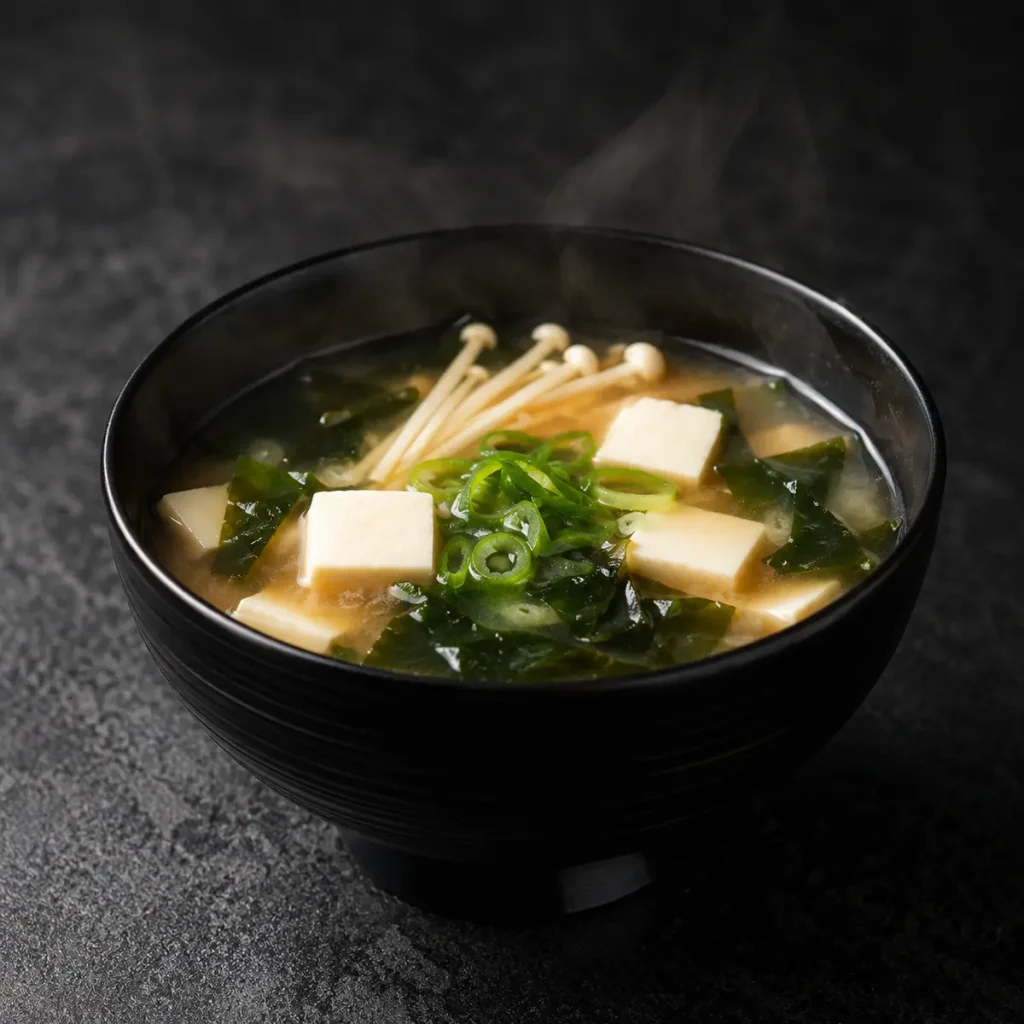
Miso tofu soup is a light broth with savoury fermented miso, delicate tofu and wakame. The dashi provides the foundation; the miso is dissolved…
 Hot Soup
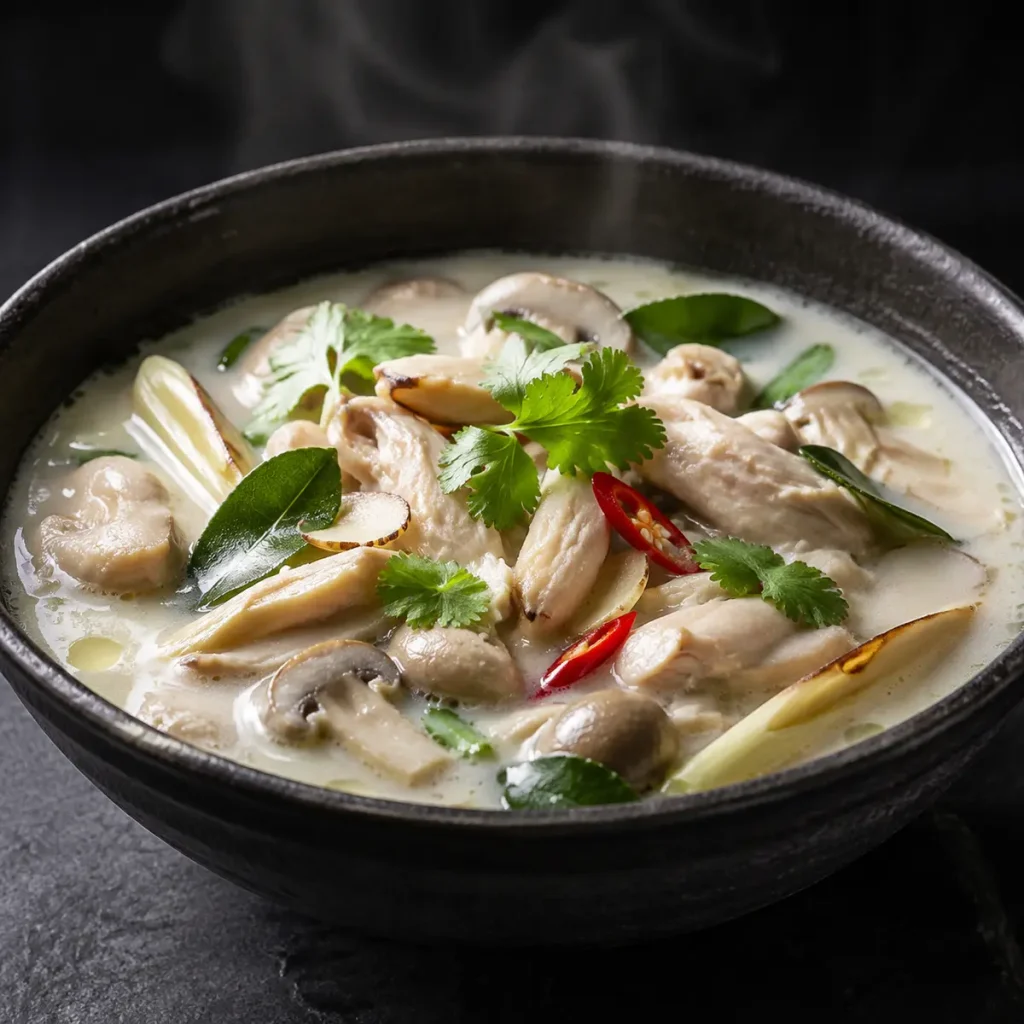
Thai coconut chicken soup combines a gentle coconut broth with galangal, lemongrass and lime leaves. Chicken and mushrooms provide substance, while lime and fish…
No reviews yet. Be the first to rate this recipe.