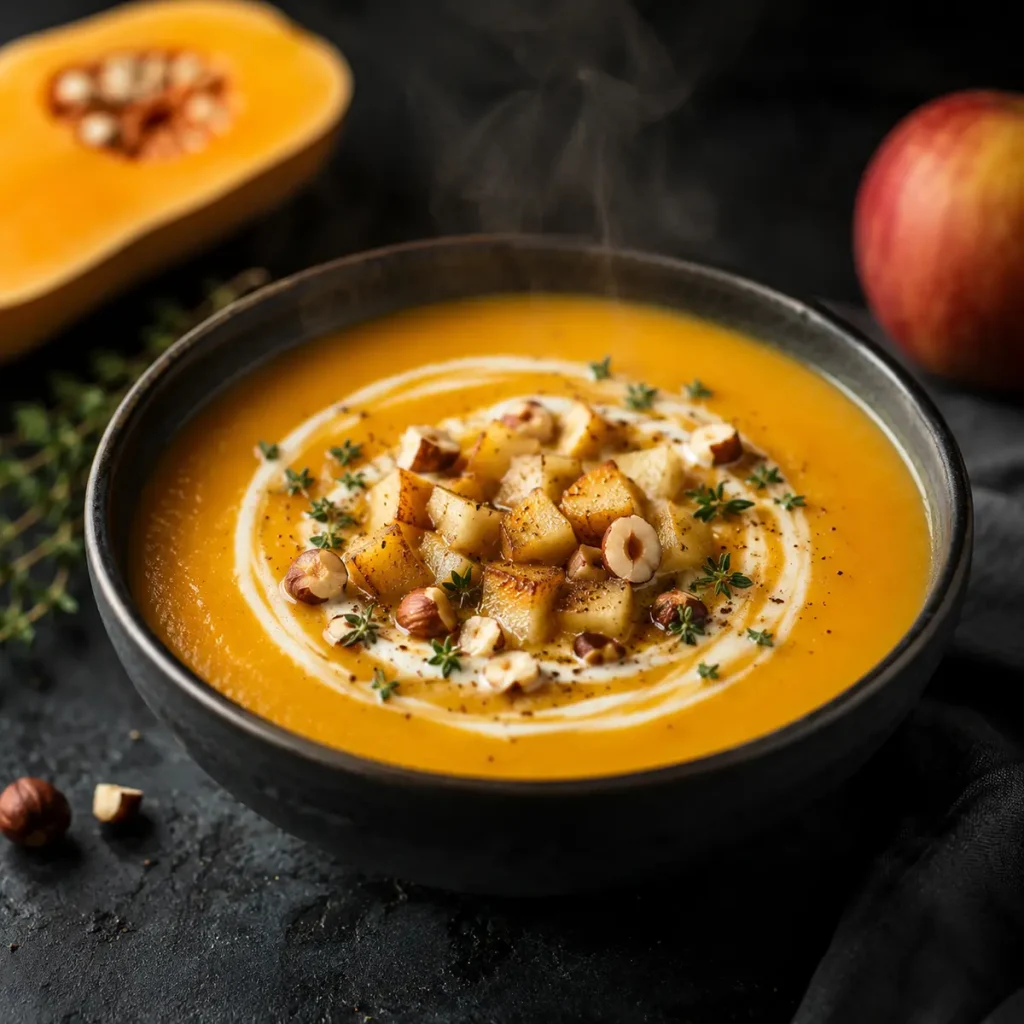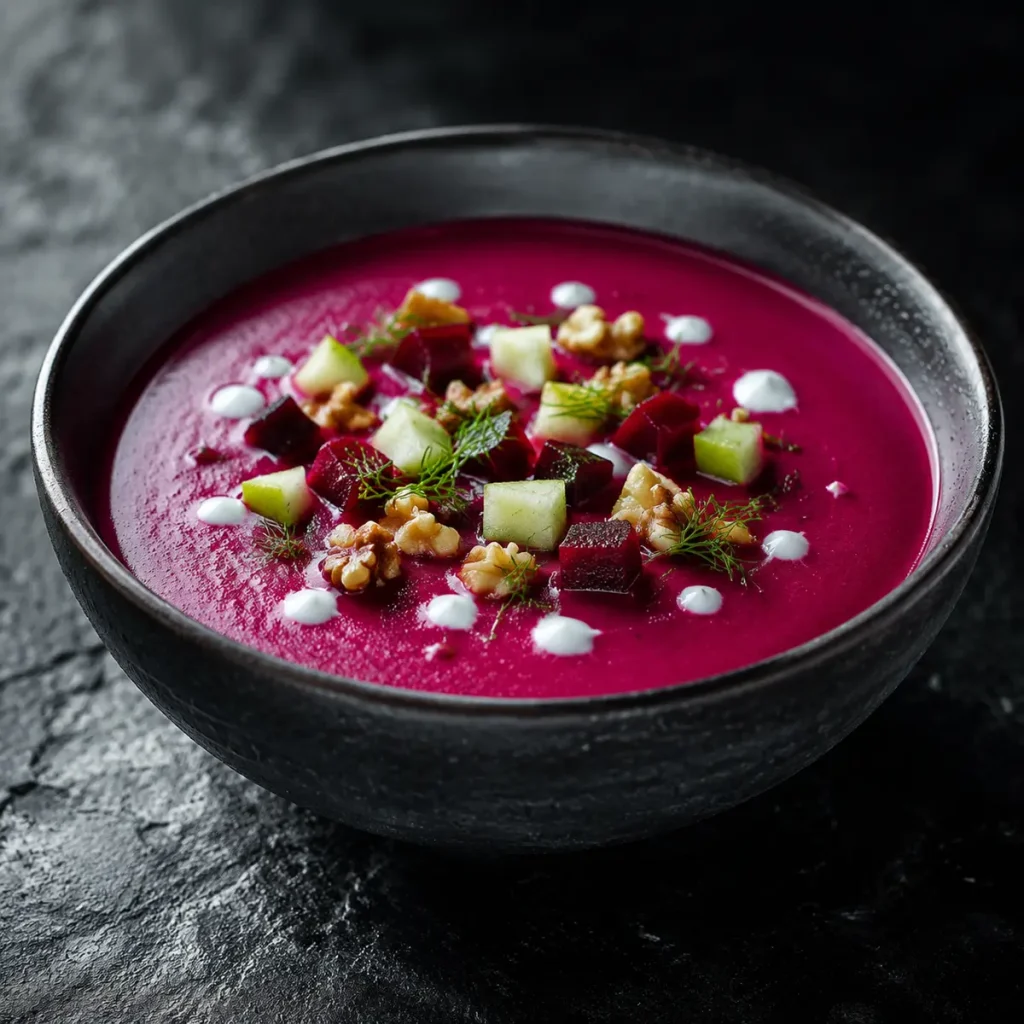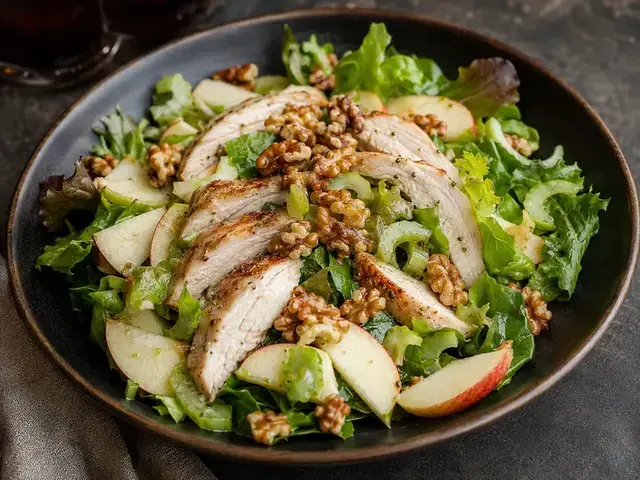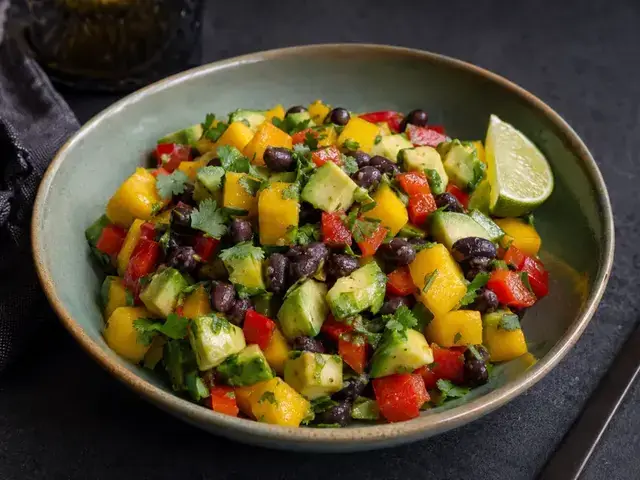
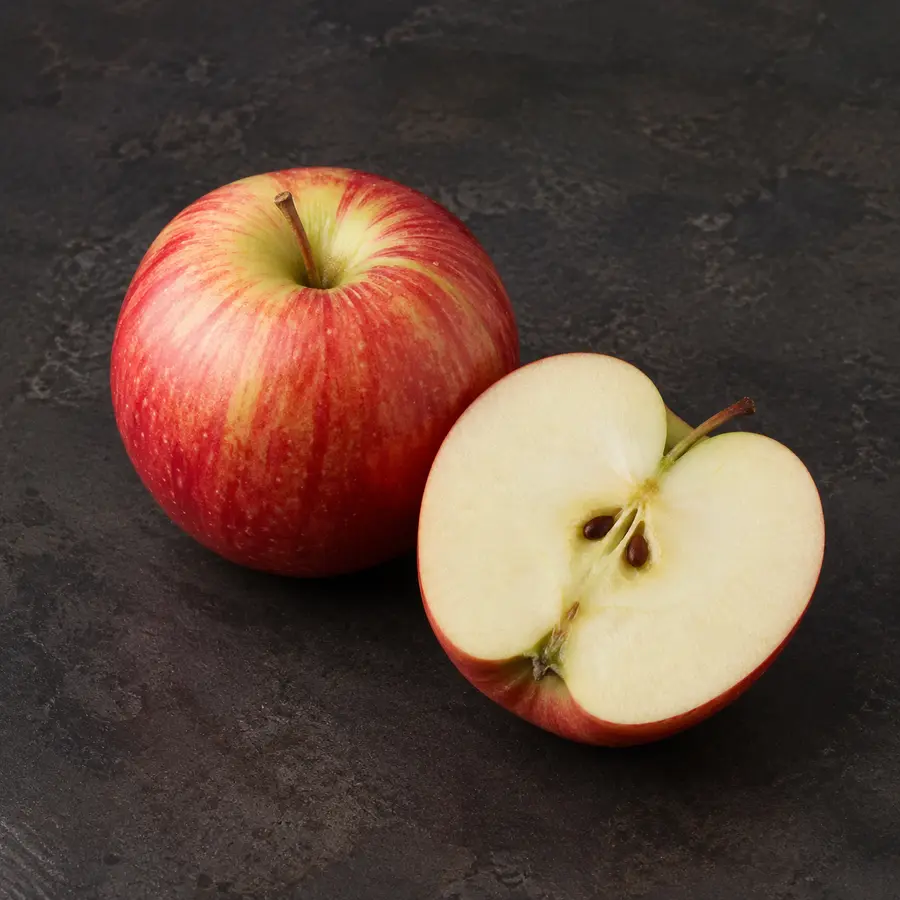
Ingredient at a glance: Apple is a pome fruit with varieties ranging from crisp and acidic to soft and sweet, making variety selection essential to the result.
Flavour, Aroma and Texture
Fresh apple may be floral, honeyed, tart or tannic. Cooking softens cell structure and concentrates sweetness; some varieties collapse while others retain slices.
How to Select It
Choose firm fruit with taut skin, clean aroma and no deep bruises, punctures, mould or internal fermentation. For baking, ask for a variety known to hold shape and balance acidity.
Professional Preparation
Wash, core and cut consistently. Peel only when the recipe requires a smooth result. Limit browning with acidulated water, but avoid long soaking that removes flavour.
Best Cooking Methods
- Bake firm tart varieties in pies and tarts.
- Cook softer apples into sauce, chutney or compote.
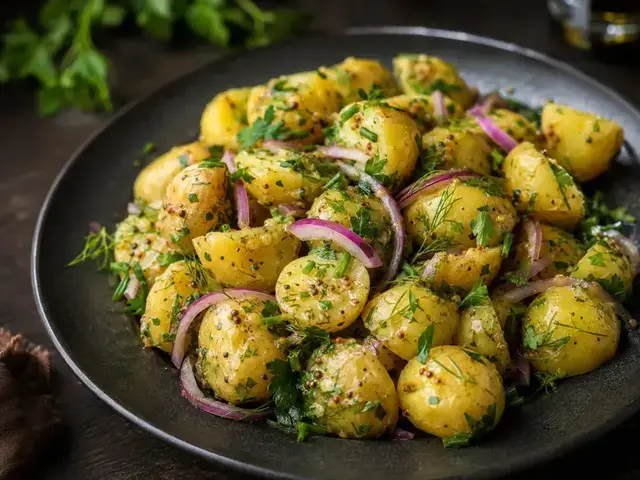
- Sauté wedges for pork, grains or warm salads.
Flavour Pairings
- Cinnamon, cardamom, ginger and vanilla.
- Pork, cheddar, walnuts and oats.
- Lemon, berries, honey and caramel.
- Cabbage, celery, mustard and sage.
Practical Substitutions
- Pear for softer floral sweetness.
- Quince for firmer fragrant cooked applications.
- Firm peach for seasonal salads where crispness is less important.
Storage and Shelf Life
Refrigerate apples for long storage and isolate damaged fruit because ethylene and rot spread quality loss. Keep cut apple covered, cold and lightly acidulated if needed.
Season and Availability
Harvest peaks from late summer through autumn in many regions; controlled storage provides year-round supply.
Nutrition and Dietary Context
Apples supply water, fibre and carbohydrates. Whole fruit differs from juice because fibre and serving pattern change.
Allergen and Food-Safety Notes
Apple allergy and birch-pollen-related oral reactions occur. Seeds contain compounds that should not be deliberately consumed in quantity. Discard mouldy or fermented fruit.
Zero-Waste Use
Simmer sound peel and cores for strained jelly or vinegar projects using a controlled method. Turn bruised but sound flesh into sauce after trimming generously.
Common Mistakes to Avoid
- Choosing a soft eating apple for a pie that needs defined slices.
- Over-soaking cut apple and diluting flavour.
- Storing one rotten apple with an entire batch.
Chef’s Quality Check
A raw apple should snap cleanly; cooked apple should either hold a tender slice or collapse smoothly according to the chosen variety and dish.
This profile provides general culinary education. Product composition, allergens, storage life and safety requirements vary; check the label and follow local guidance.