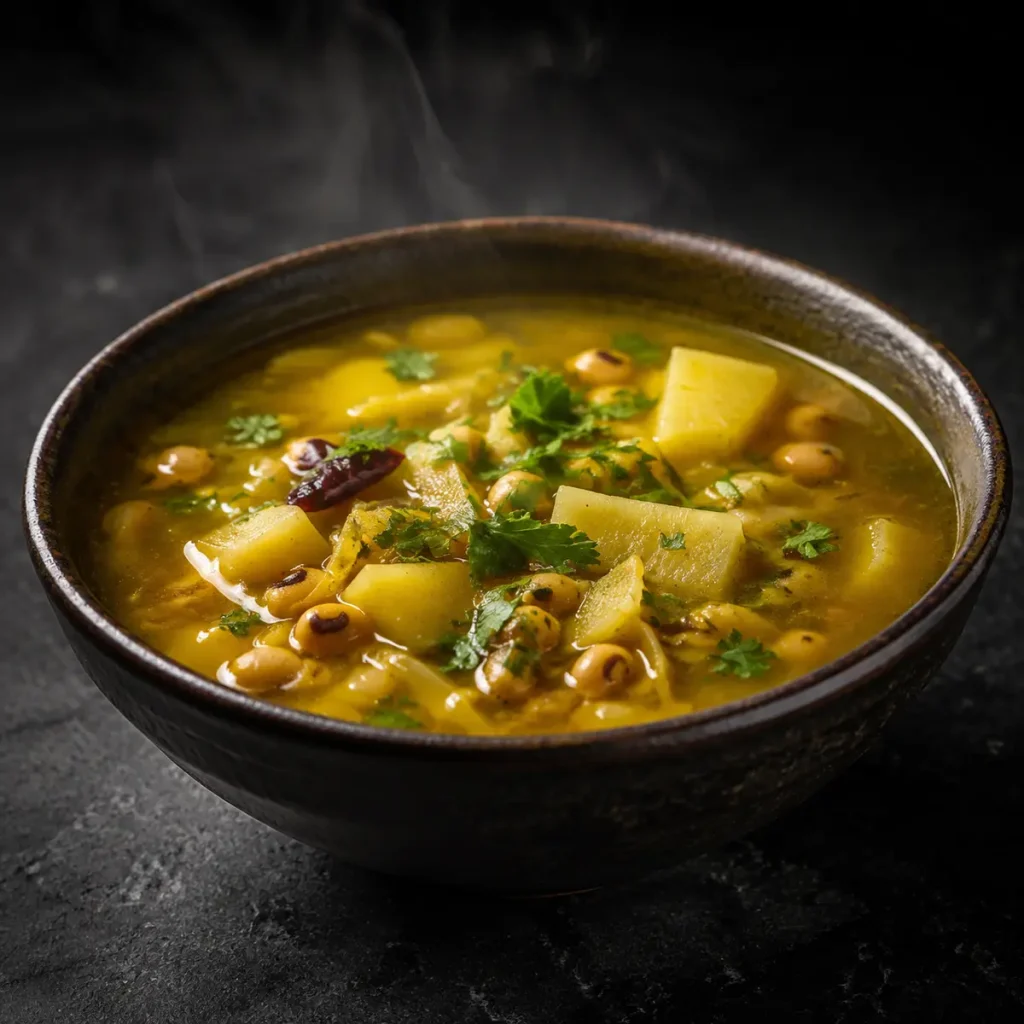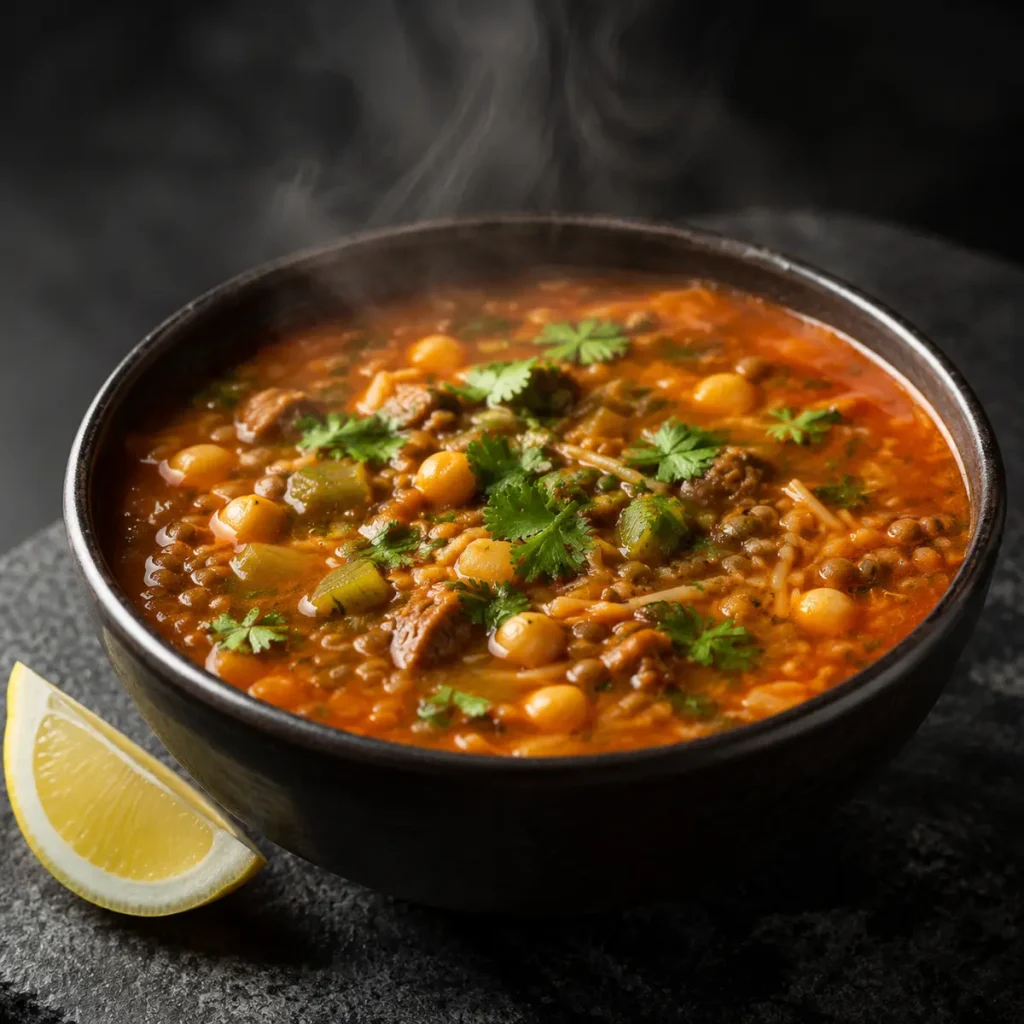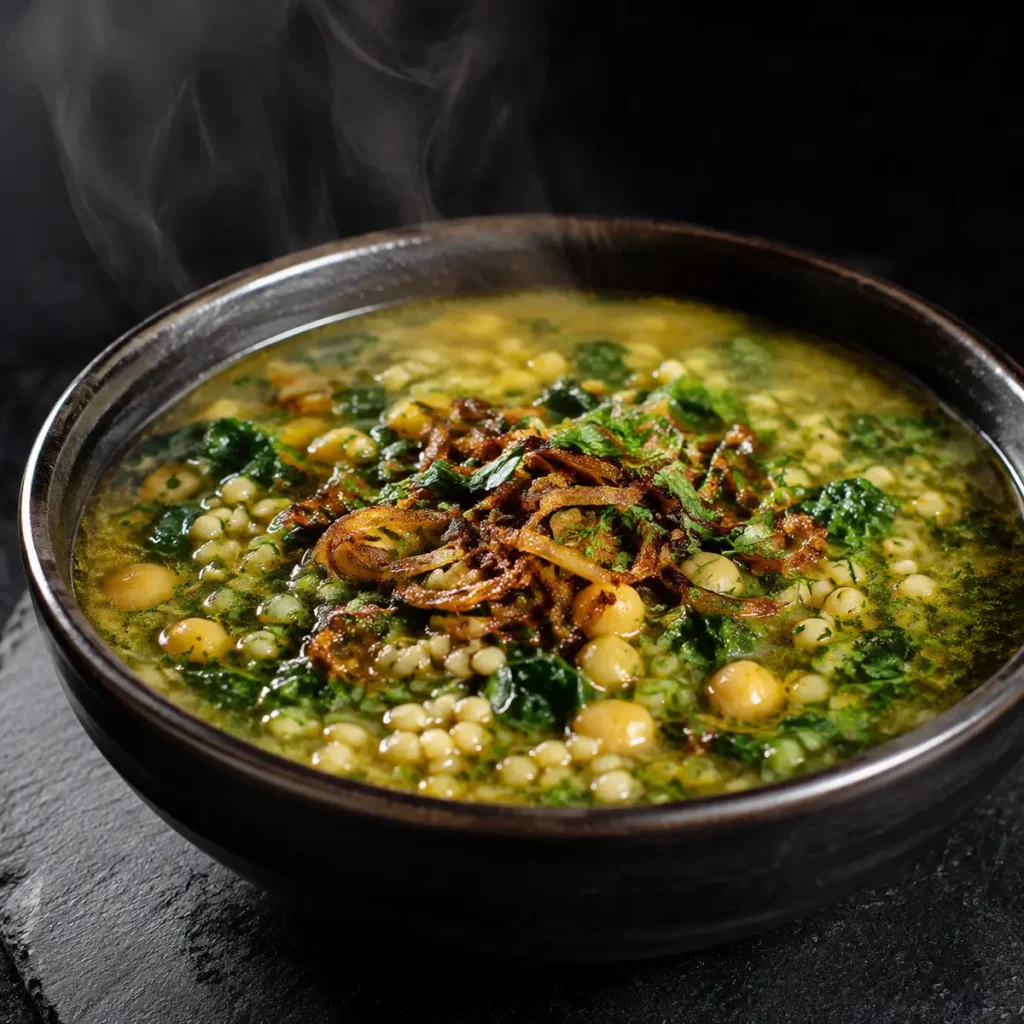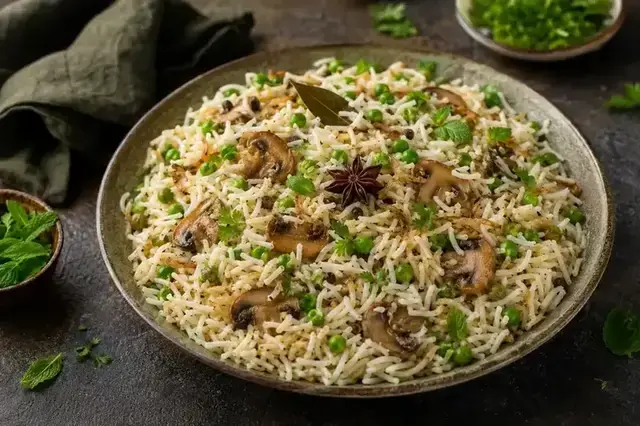
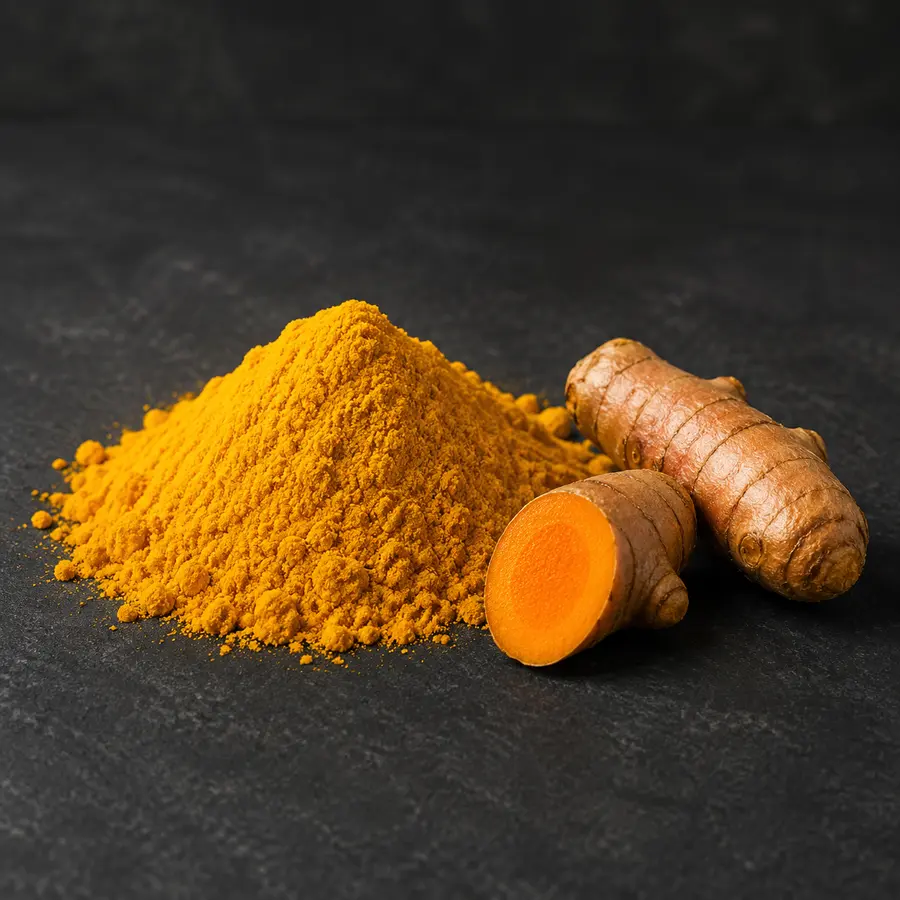
Ingredient at a glance: Turmeric is a rhizome used fresh or dried and ground, valued for golden colour, earthy aroma and a mild bitter-peppery foundation.
Flavour, Aroma and Texture
Ground turmeric is earthy, warm and slightly bitter; fresh rhizome is brighter and more ginger-like. Raw excess tastes chalky and dominates food.
How to Select It
Ground turmeric should be vividly coloured, aromatic and free-flowing, not damp or musty. Fresh roots should be firm and unshrivelled without mould.
Professional Preparation
Peel fresh turmeric only if skin is tough, using gloves and a stain-resistant board. Measure powder accurately and bloom briefly with other aromatics before adding liquid.
Best Cooking Methods
- Cook ground turmeric in curry and dal bases.
- Grate fresh turmeric into pickles, drinks or marinades.
- Add measured amounts to rice and vegetable dishes for colour and warmth.
Flavour Pairings
- Ginger, cumin, coriander and black pepper.
- Coconut, lentils, cauliflower and potato.
- Chicken, fish, yogurt and mustard.
- Lemon, honey, chilli and garlic.
Practical Substitutions
- Fresh turmeric for ground at roughly adjusted quantity and moisture.
- Saffron only for colour and floral aroma, not earthiness.
- Annatto for colour in some dishes without turmeric flavour.
Storage and Shelf Life
Store powder airtight, dry and dark; clean spills promptly because pigment stains. Refrigerate fresh roots wrapped and dry, or freeze grated portions.
Season and Availability
Dried turmeric is available year-round; fresh rhizomes may be seasonal in specialist markets.
Nutrition and Dietary Context
Turmeric contributes colour and bioactive compounds in culinary amounts, but food use should not be described as a substitute for medical treatment or supplements.
Allergen and Food-Safety Notes
Allergy and contact irritation are possible. Supplements can have interactions not comparable with normal seasoning; follow professional advice.
Zero-Waste Use
Freeze clean fresh trimmings for stock or paste, and combine small remaining powder into a labelled house blend before aroma fades.
Common Mistakes to Avoid
- Using enough turmeric to make the dish bitter and dusty.
- Leaving powder raw by adding it at the end.
- Allowing damp spoons into the spice container.
Chef’s Quality Check
Turmeric should appear evenly dispersed, with warm earthiness supporting the dish and no raw powder pockets or dominant bitterness.
This profile provides general culinary education. Product composition, allergens, storage life and safety requirements vary; check the label and follow local guidance.