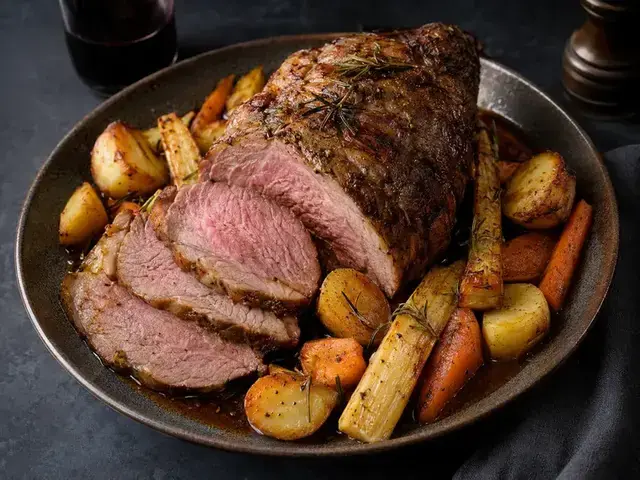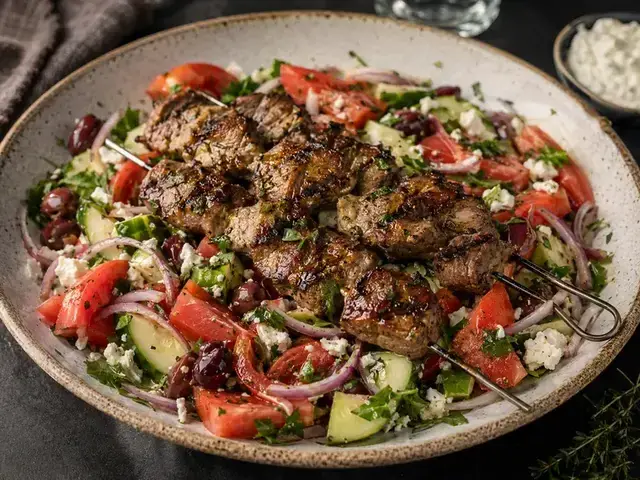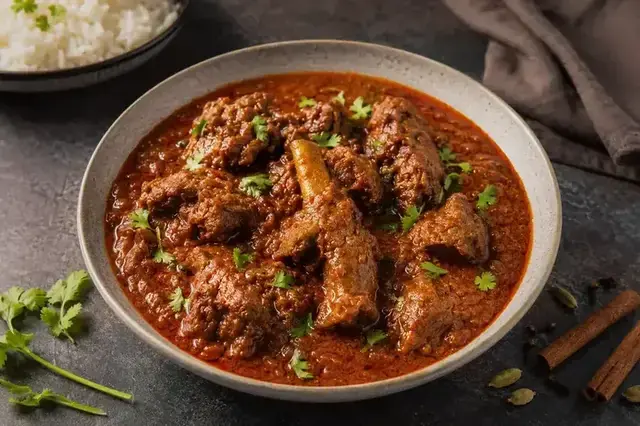

Ingredient at a glance: Lamb leg is a relatively lean, large primal with several muscles, sold bone-in, boned or butterflied for roasting and grilling.
Flavour, Aroma and Texture
It is savoury, grassy and mineral, with mild sweetness in the fat. Overcooking lean sections creates dryness while under-rendered exterior fat feels waxy.
How to Select It
Choose cold, firm lamb with clean red-pink colour, creamy fat and no tacky slime or sour odour. Ask whether the leg is bone-in and how it was aged.
Professional Preparation
Trim only thick hard exterior fat and silverskin. For a boned leg, open to even thickness or tie into a uniform roast. Season in advance under refrigeration.
Best Cooking Methods
- Roast bone-in and monitor more than one muscle area.
- Butterfly and grill over heat zones.
- Slow-roast for sliceable tenderness without boiling in liquid.
Flavour Pairings
- Rosemary, garlic, lemon and oregano.
- Cumin, coriander, mint and yogurt.
- Potato, aubergine, tomato and beans.
- Mustard, anchovy, thyme and wine.
Practical Substitutions
- Lamb shoulder for richer slower cooking.
- Goat leg with leaner meat and longer tenderising.
- Beef top round for a mild lean roast with different flavour.
Storage and Shelf Life
Store cold in original or leak-proof packaging and freeze promptly if not used by date. Refrigerate cooked slices rapidly, separate from large bones for faster cooling.
Season and Availability
Supply is often seasonal around spring, though chilled and frozen lamb is widely traded year-round.
Nutrition and Dietary Context
Lamb leg provides protein, iron and vitamin B12; visible fat and serving size influence the final meal.
Allergen and Food-Safety Notes
Raw meat can carry pathogens. Use a calibrated thermometer and follow local whole-cut guidance, considering vulnerable diners and surface contamination.
Zero-Waste Use
Use the bone for stock, turn trimmed fat into controlled roasting fat and plan leftover slices for one safe chilled meal.
Common Mistakes to Avoid
- Roasting a loosely shaped boned leg without tying.
- Checking temperature only beside the bone.
- Carving before the roast has rested.
Chef’s Quality Check
The roast should have even doneness through major sections, rendered exterior fat and clean slices after a measured rest.
This profile provides general culinary education. Product composition, allergens, storage life and safety requirements vary; check the label and follow local guidance.