 Botanical
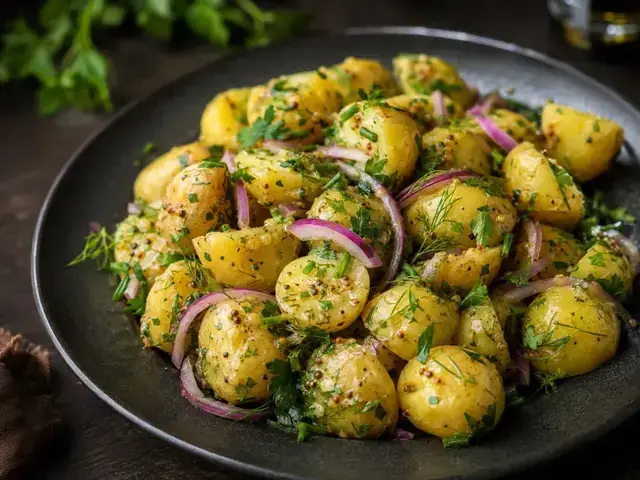
Vegan Warm Potato Herb Salad
Warm potato herb salad uses a mustard-lemon dressing instead of mayonnaise. Warm potatoes absorb some dressing, while parsley, dill and chives create a fresh…
A comforting Nepali masoor dal simmered with tomato, ginger and turmeric, then finished with cumin, garlic, chilli and optional jimbu tempering.

Follow the measured ingredients, numbered method, substitutions, safety notes and cooking mode below.
Day Before
Measure lentils and dry spices.
Prepare jimbu and dried chilli portions if required.
2 Hours Before Service
Wash lentils.
Chop onion, tomato, ginger and garlic.
Prepare fresh coriander.
45 Minutes Before Service
Cook dal until completely tender.
Adjust consistency and seasoning.
10 Minutes Before Service
Prepare fresh tempering.
Add tempering to dal.
Finish with coriander.
During Service
Maintain safe hot-holding temperature.
Stir regularly and adjust consistency with hot water when required.
Maintain a smooth but pourable consistency.
Prepare the tempering close to service for maximum aroma.
Avoid excessive oil; the tempering should enhance rather than dominate the lentils.
Taste after tempering before making the final salt adjustment.
For buffet service, stir frequently because lentils naturally settle and thicken during holding.
Masoor dal softens into a comforting, pourable lentil base that suits rice and vegetable side dishes. Ginger, turmeric and tomato flavour the simmering lentils; the separate cumin-garlic tempering gives the finished bowl a stronger aroma and a distinct final layer of flavour.
1. Read firstRead every step once before switching on the cooker.
2. MeasureWeigh and prepare all ingredients in the order listed.
3. Control heatLow means a gentle bubble, medium cooks steadily, and high is for quick browning.
4. Check donenessUse the texture, timing and safe-temperature checks written in the method.
Complete one numbered step before moving to the next. Keep the heat and timing exactly as written.
The quality of this dal depends more on texture and tempering than on adding many spices. Cook the red lentils until they are completely soft, then use the cumin-garlic tempering to give the bowl its final aroma.
Ingredient choices: Red lentils are ideal here because they collapse naturally and make a creamy dal without a blender. Mustard oil gives a sharper Nepali character, while neutral oil keeps the flavour softer. Jimbu is excellent if you know the ingredient and have a reliable source; if not, simply omit it.
Cooking control: Keep the simmer gentle once the lentils soften, because thick dal can spit and catch on the base. Garlic should be pale to medium golden, never dark brown. The finished dal should pour from a ladle in a smooth ribbon and should not sit on the plate like mashed lentils.
Flavour balance: Taste in this order—salt, thickness, tomato acidity, then heat. Lemon is optional and should brighten the dal, not make it taste sour.
If something goes wrong: If the dal is too thick, add hot water in small amounts. If it is too thin, simmer uncovered for 5–10 minutes. If the base scorches, transfer the unburnt dal to a clean pan without scraping the bottom. If the tempering burns, remake that small pan; burnt garlic or jimbu will make the entire pot bitter.
Rinse lentils before cooking.
Cook lentils until completely tender with no firm centre remaining.
Handle hot oil carefully when preparing the tempering.
Pour tempering into the dal slowly to avoid hot-oil splashing.
Keep cooked dal hot until service or cool promptly for refrigeration.
Reheat refrigerated dal until piping hot throughout.
Serve the dal hot in a small bowl beside steamed rice.
Finish with fresh coriander and a small spoonful of aromatic tempering if desired.
For a traditional Nepali presentation, serve alongside tarkari, achar, saag and rice.
Keep the consistency pourable rather than excessively thick.
Serve hot with steamed rice, a cooked vegetable and achar if desired. Stir before portioning so the lentils and liquid are evenly distributed.
Cool leftover dal promptly and transfer to a covered food-safe container.
Refrigerate for up to 3 days for best quality.
Reheat thoroughly over medium heat, adding a little water if the dal has thickened.
Dal can also be frozen in suitable containers for approximately 2 months.
Carbohydrates: 42 g
Fat: 9 g
Allergens: No major allergens are inherently required in the recipe. Check packaged spices and other ingredients for cross-contact where strict dietary requirements apply.
Approximate nutrition per serving:
Calories: ~310 kcal
Protein: ~16 g
Carbohydrates: ~42 g
Fat: ~9 g
Fibre: ~9 g
Values are estimates and vary according to oil quantity and ingredient brands.
Botanical
Warm potato herb salad uses a mustard-lemon dressing instead of mayonnaise. Warm potatoes absorb some dressing, while parsley, dill and chives create a fresh…
 Botanical
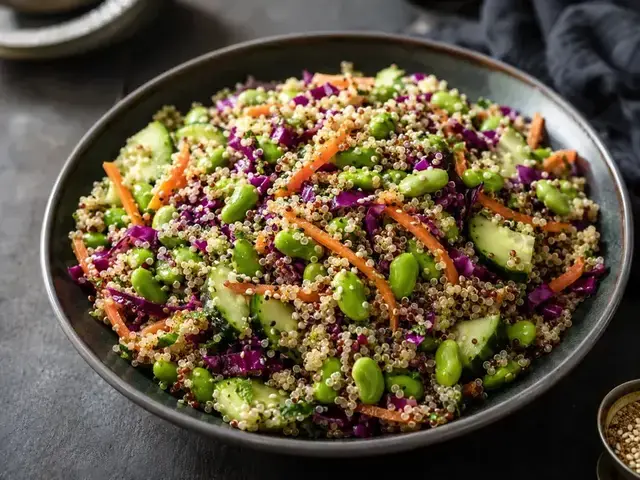
Quinoa and edamame give this salad two distinct tender textures, with cucumber and carrot adding crunch. Ginger, lime and sesame form the dressing. The…
 Botanical
Aloo tama with black-eyed peas combines potato, fully cooked fermented bamboo shoots and tender beans in a tangy Nepali-style broth. Fermented bamboo gives the…
No reviews yet. Be the first to rate this recipe.