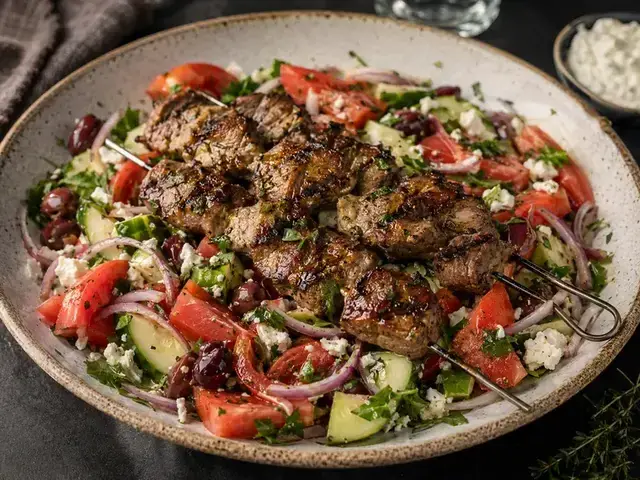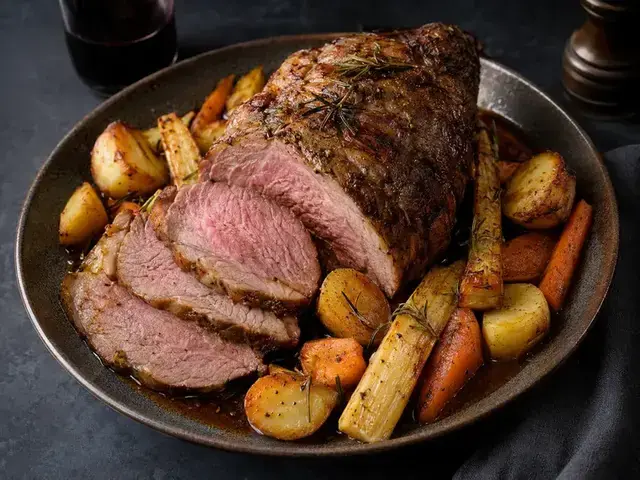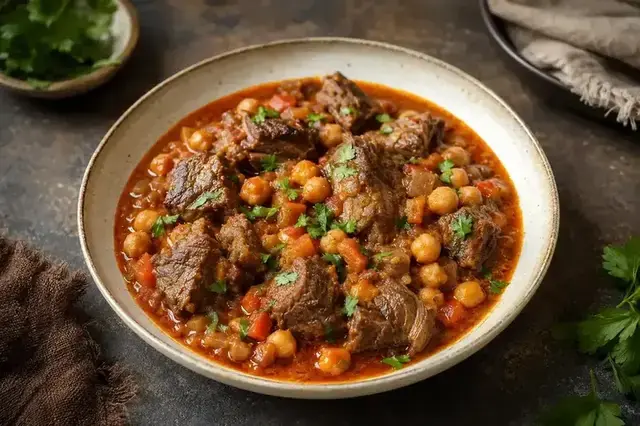

Ingredient at a glance: Lamb shoulder is a hard-working cut with connective tissue, multiple muscles and generous fat, ideal for braising and slow roasting.
Flavour, Aroma and Texture
It is deeply savoury and rich. Long gentle cooking softens collagen; rushed shoulder remains chewy, while excessive liquid can wash out roasted flavour.
How to Select It
Choose firm cold meat with clean colour, creamy fat and no sour smell. Bone-in shoulder provides flavour; boned shoulder offers easier portioning.
Professional Preparation
Trim thick external fat but retain connective tissue needed for succulence. Season evenly and brown exposed surfaces before adding braising liquid.
Best Cooking Methods
- Slow-roast covered, then uncover for colour.
- Braise with aromatic liquid until fork-tender.
- Pressure-cook under manufacturer guidance, then reduce sauce separately.
Flavour Pairings
- Garlic, rosemary, cumin and coriander.
- Tomato, red wine, onion and bay.
- Chickpeas, aubergine, apricot and cinnamon.
- Mint, yogurt, lemon and parsley.
Practical Substitutions
- Goat shoulder with leaner texture and longer cooking.
- Beef chuck for similar braising structure.
- Pork shoulder for fattier sweetness where acceptable.
Storage and Shelf Life
Store raw cold and leak-proof. After cooking, remove meat from very large bones, divide with sauce into shallow containers and chill rapidly.
Season and Availability
Available year-round with regional seasonal peaks.
Nutrition and Dietary Context
Lamb shoulder supplies protein and iron and usually more fat than leg. Skimming the chilled sauce can control excess rendered fat.
Allergen and Food-Safety Notes
Raw meat safety and cross-contamination controls apply. Low oven temperature does not remove the need for safe handling and verified cooking.
Zero-Waste Use
Use bones for stock, chill and save clean rendered fat, and turn leftovers into pie, soup or flatbread filling after safe cooling.
Common Mistakes to Avoid
- Stopping when meat is safe but connective tissue is still tough.
- Drowning the roast in liquid and losing surface flavour.
- Cooling an entire deep pot overnight.
Chef’s Quality Check
A fork should enter and twist with little resistance, connective seams should feel silky and sauce should be concentrated rather than greasy.
This profile provides general culinary education. Product composition, allergens, storage life and safety requirements vary; check the label and follow local guidance.