
 Botanical
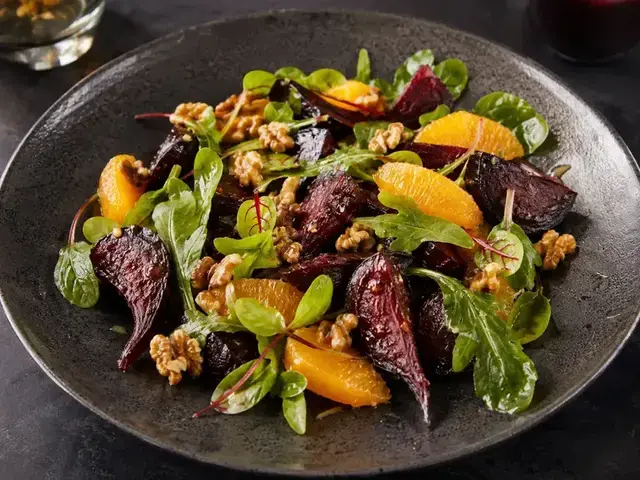
Vegan Beetroot Orange Walnut Salad
Beetroot, orange and walnut salad balances earthy roasted beetroot with juicy citrus and crisp toasted nuts. Rocket adds a peppery note, while mustard dressing…
Ratatouille combines fully tender aubergine, courgette, peppers and tomatoes with garlic and herbs. Each vegetable should contribute its own flavour while the tomato base connects them. It should be succulent without becoming a watery pot of indistinct pieces.

Follow the measured ingredients, numbered method, substitutions, safety notes and cooking mode below.
Use ripe tomatoes and cut vegetables to consistent sizes. Aubergine absorbs oil readily, so divide the measured oil between batches. Basil is a finishing herb here, while thyme and bay tolerate the longer cooking stage.
Cook vegetables in stages as directed so aubergine can soften without overcooking courgette. Reduce the tomato base and combine gently. Finish only when aubergine is no longer spongy and the liquid lightly coats the vegetables.
Excess water often reflects crowded pans or insufficient tomato reduction. Broken courgette may have cooked too long. If the dish tastes oily, do not add more oil to correct undercooked aubergine; give it controlled heat and time.
Ratatouille combines fully tender aubergine, courgette, peppers and tomatoes with garlic and herbs. Each vegetable should contribute its own flavour while the tomato base connects them. It should be succulent without becoming a watery pot of indistinct pieces.
1. Read firstRead every step once before switching on the cooker.
2. MeasureWeigh and prepare all ingredients in the order listed.
3. Control heatLow means a gentle bubble, medium cooks steadily, and high is for quick browning.
4. Check donenessUse the texture, timing and safe-temperature checks written in the method.
Complete one numbered step before moving to the next. Keep the heat and timing exactly as written.
Cut pieces to similar sizes and allow the aubergine enough time to soften. Basil goes in late to keep its aroma.
Ingredient choices: Use ripe tomatoes and cut vegetables to consistent sizes. Aubergine absorbs oil readily, so divide the measured oil between batches. Basil is a finishing herb here, while thyme and bay tolerate the longer cooking stage.
Cooking control: Cook vegetables in stages as directed so aubergine can soften without overcooking courgette. Reduce the tomato base and combine gently. Finish only when aubergine is no longer spongy and the liquid lightly coats the vegetables.
If something goes wrong: Excess water often reflects crowded pans or insufficient tomato reduction. Broken courgette may have cooked too long. If the dish tastes oily, do not add more oil to correct undercooked aubergine; give it controlled heat and time.
Wash produce and use clean utensils. Keep perishable ingredients refrigerated. Refrigerate cooked food in shallow containers within 2 hours, or within 1 hour when the surroundings exceed 32°C.
Serve as a vegetable main or side with basil added near the end. A broad dish shows the separate vegetable colours and textures.
Refrigerate promptly in shallow covered containers at 4°C or below and use within 3 days. Reheat only the portion needed to at least 74°C throughout. Discard food left unrefrigerated for more than 2 hours, or 1 hour above 32°C.
Botanical
Beetroot, orange and walnut salad balances earthy roasted beetroot with juicy citrus and crisp toasted nuts. Rocket adds a peppery note, while mustard dressing…
 Botanical
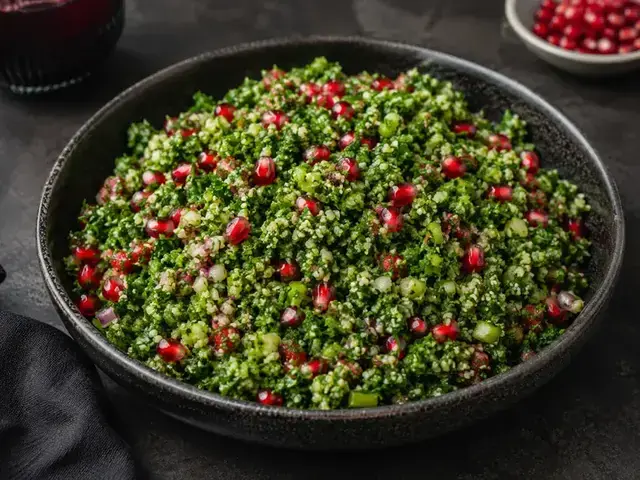
This tabbouleh is herb-led, with finely chopped parsley and mint around a modest amount of bulgur. Tomato, cucumber and pomegranate bring juiciness and small…
 Botanical
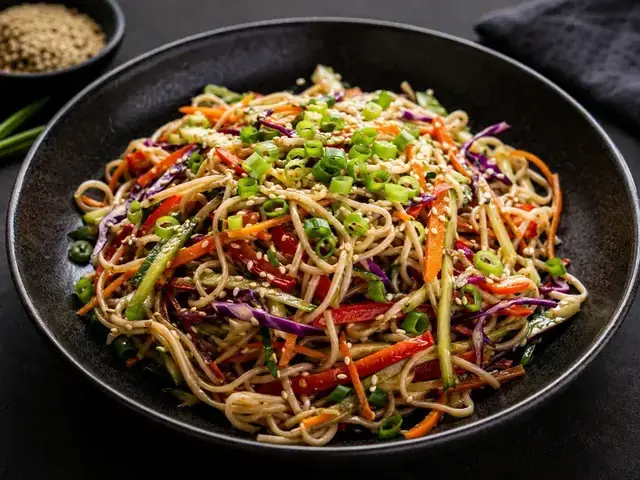
Sesame noodle salad combines cool noodles with crisp vegetables, cooked edamame and a ginger-sesame dressing. The strands should separate easily and carry a light,…
No reviews yet. Be the first to rate this recipe.